What has your phone done for you, lately? The past year was a big year one for mobile technology, with advancements in facial recognition, augmented reality, and more. But what does your phone need to do for you in 2018?
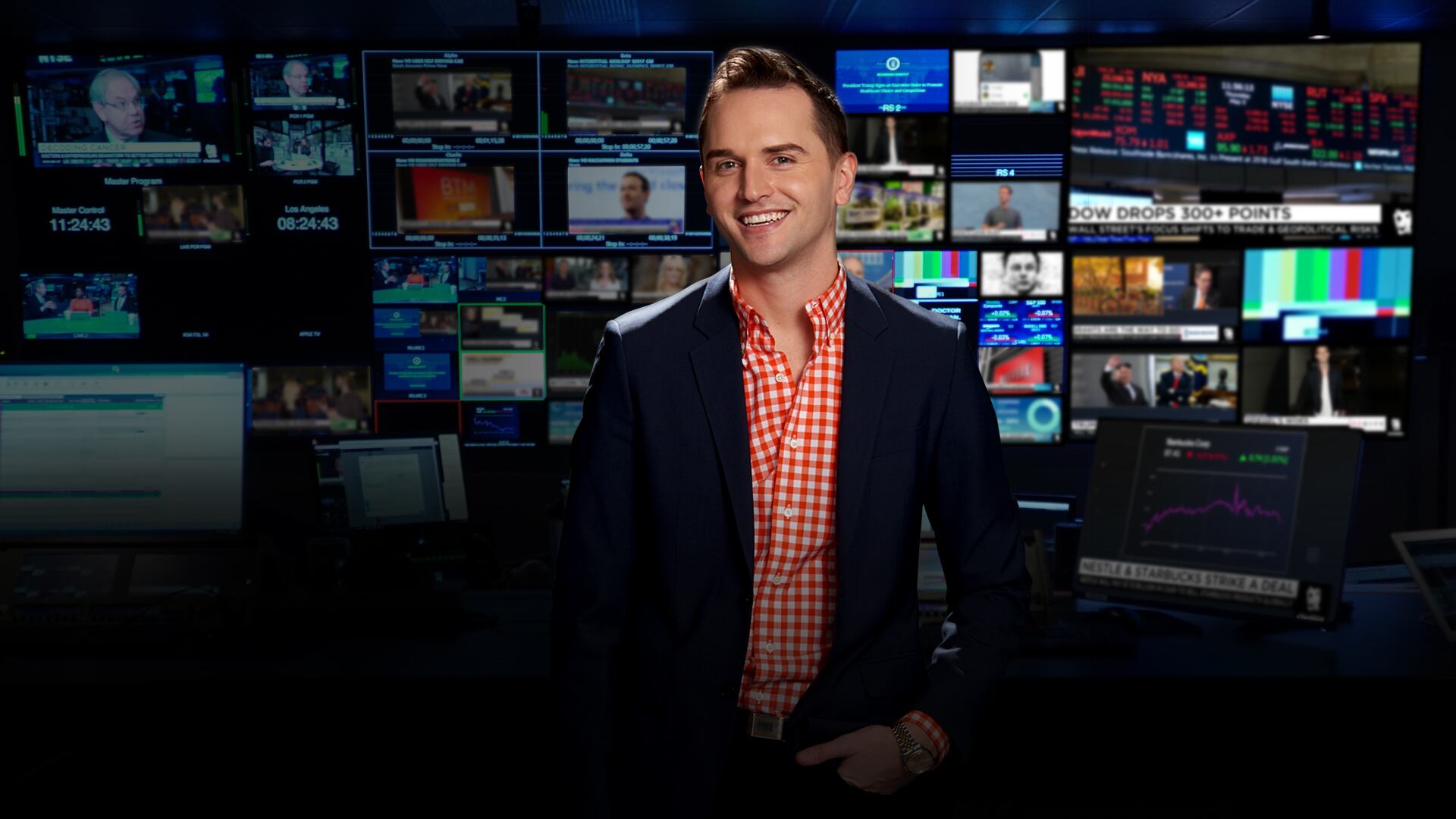
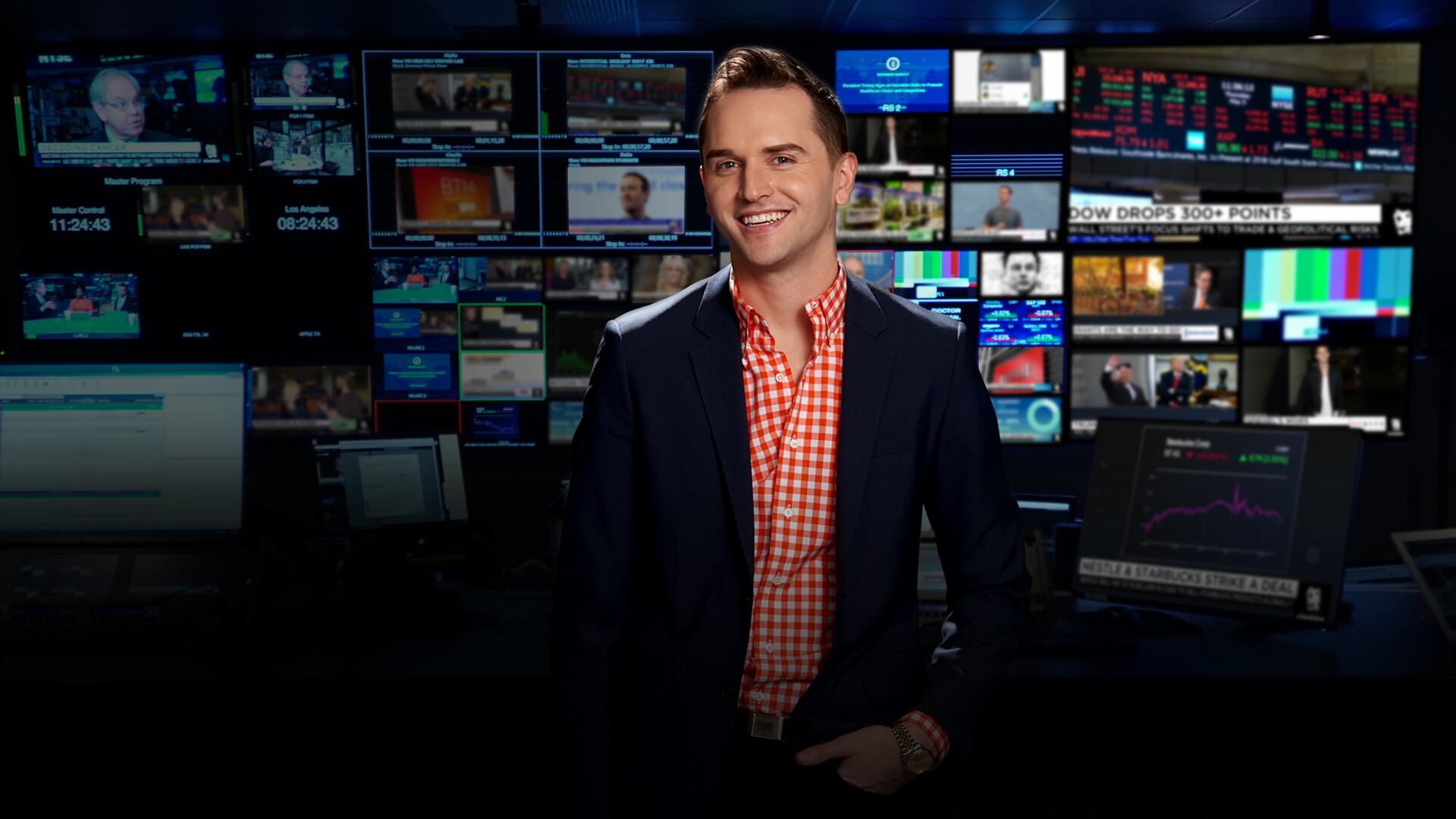
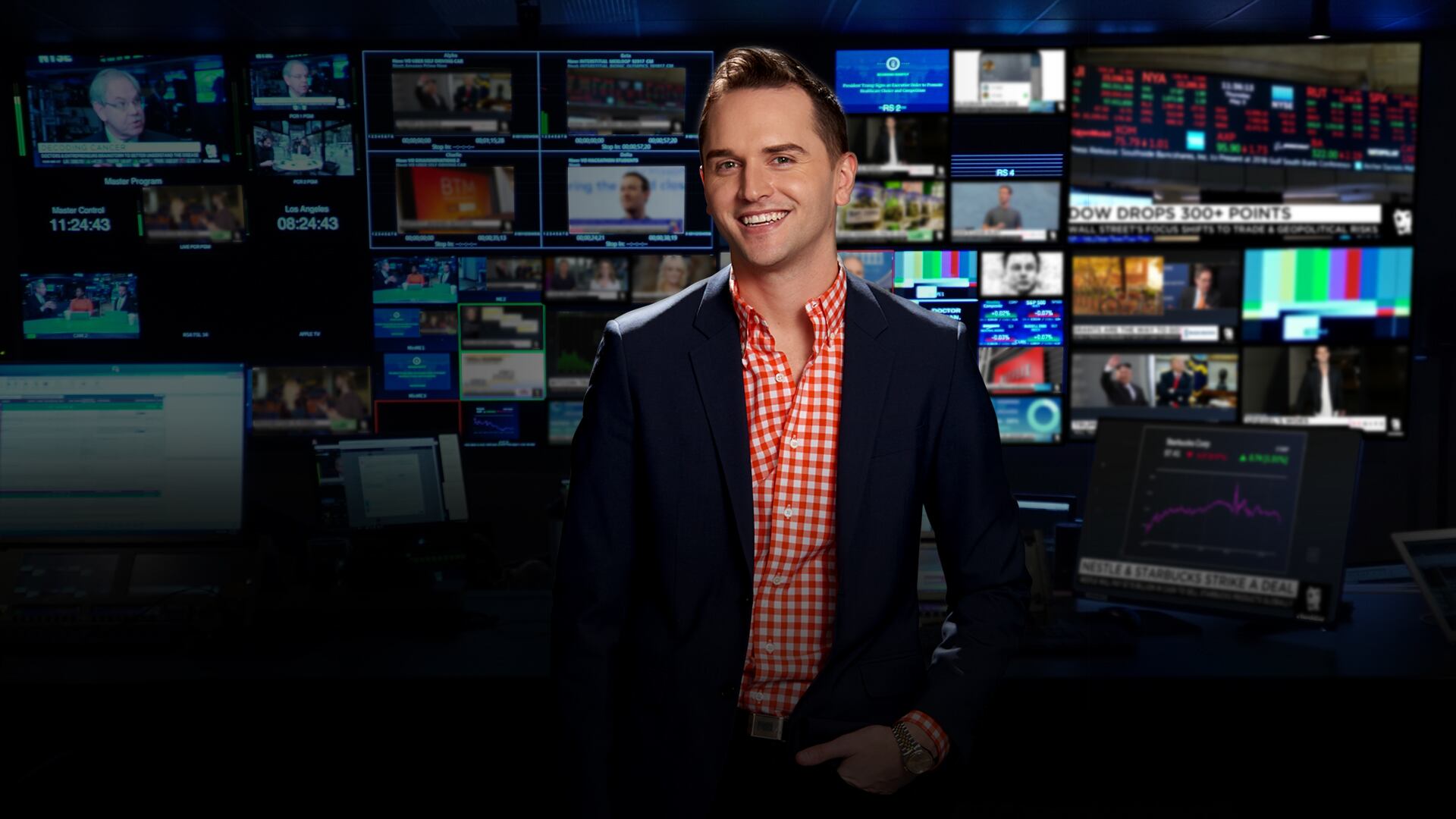
Sean Aune, Editor-in-Chief of Technobuffalo tells us what the mobile industry has to do to keep business this year.
It was a big year for Apple with the iPhone X and 8, with the iPhone topping the list of the best-selling tech products of 2017. But the company has taken its knocks with shipping delays and the battery slowdown controversy. Aune says Apple needs to lower prices, and fix battery issues.
LG launched its G6 about a year ago, to mediocre reviews. The G7 is expected as early as next month, and Aune says the South Korean company needs to improve its cameras and spend money on ad campaigns, since hardly anyone knows when new phones are out.
Aune also tells us what Samsung and Google Pixel need to do to increase sales and brad recognition.
Google parent company Alphabet saw yet another successful quarter reporting its final earnings report for 2021 on Tuesday. The tech giant beat Wall Street expectations across the board with much of that success owed to not only the growth of its cloud business, but also its multi-platform advertising. Joanna O'Connell, Principal Analyst at Forrester explains why advertising may be one of the keys to Alphabet’s future success.
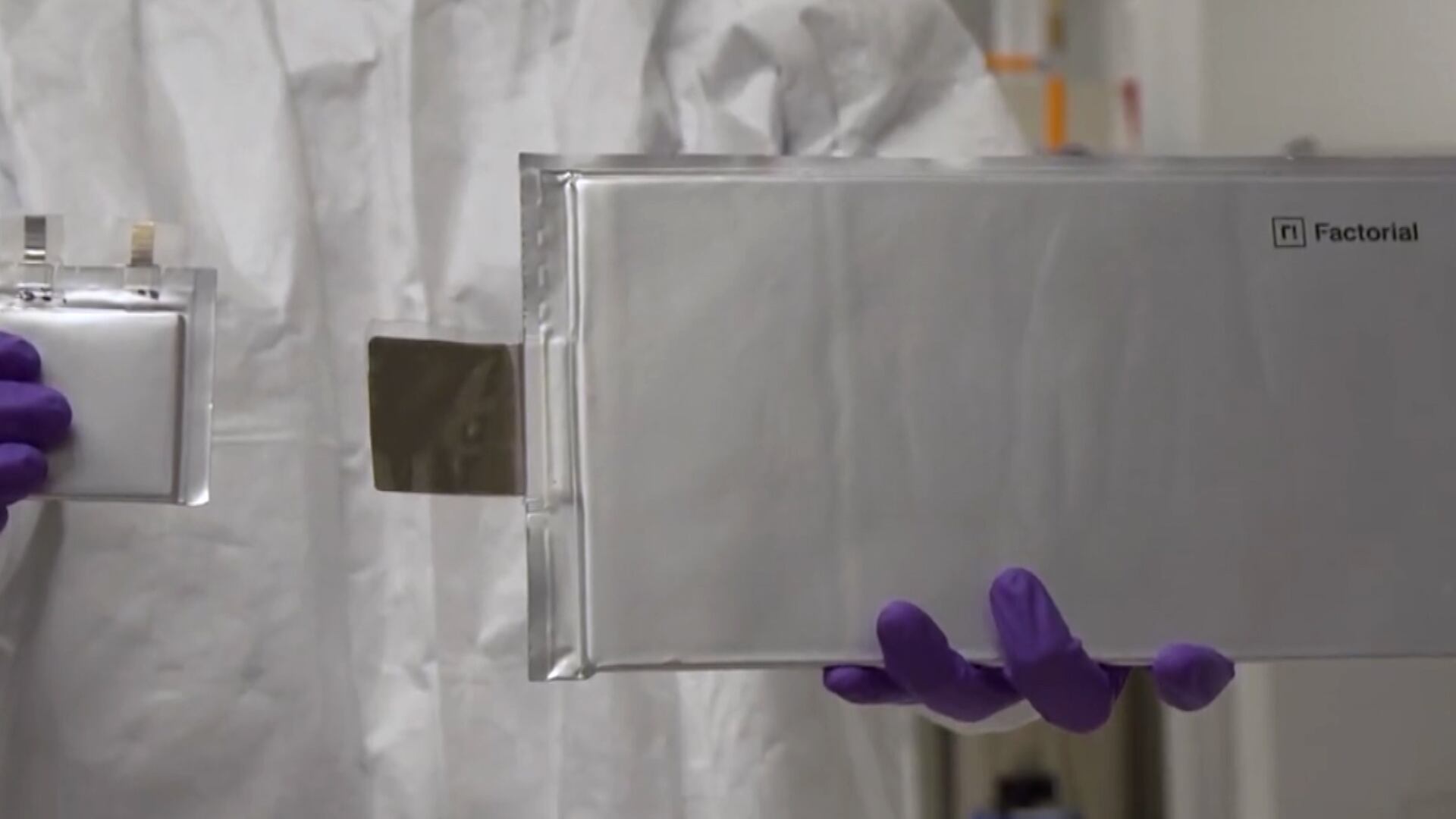
Solid-state battery maker Factorial Energy recently raised $200 million in a Series D round led by Mercedes-Benz and Stellantis. Factorial says the funding will be used to accelerate commercial production and deployment of its solid-state battery technology, which the company says is safer, and offers up to 50% more driving range than current lithium-ion technology. Factorial also has joint development agreements (announced in late 2021) with Mercedes-Benz, Stellantis, and Hyundai, three of the top 10 global automotive manufacturers, to commercialize its batteries. Factorial CEO Siyu Huang joined Cheddar News' Closing Bell to discuss.
Google's parent company Alphabet reported blockbuster fourth quarter earnings, boosted by better-than-expected Google ad revenue and Google Cloud revenue. The results sent Alphabet's stock soaring, and the company could come close to hitting a $2 trillion market valuation similar to other tech giants Apple and Microsoft. The company also announced a 20-for-1 stock split, which would make shares more accessible to would-be investors. Mark Lehmann, CEO at JMP Securities, a Citizens Company, joins Closing Bell to discuss Alphabet's earnings report, whether the company will reach a $2 trillion market cap, its stock split, and more.
David Malott, founder and chief architect at AI PlanetWorks joins Cheddar News to discuss the release of its augmented reality NFTs for the metaverse called 'TERA.'
Jess Hunichen and Emily Ward, co-founder of Shine Talent Group join Cheddar News to talk about The BodCon conference and how it empowers men and women to feel confident.
FIT:MATCH is looking to change the game when it comes to the way retailers size clothes. The company's augmented reality technology takes a look at body shape data rather than generalized, traditional sizing parameters to determine how a piece of apparel will fit wearers. Haniff Brown, CEO and founder, joined Cheddar to discuss the patented ar-powered apparel technology and partnering with pop superstar Rihanna’s Savage X Fenty lingerie line. "We launched in Vegas with Savage on January 22 and we've been having goosebumps at some of the testimonials, where customers are saying this is such an easier process versus going into a fitting room and having an associate have to touch and get handsy with a cold tape measure," Brown said.