Venezuela is days away from launching its own cryptocurrency, and Israel is considering making a similar move.
But one expert says that a digital coin for a country, controlled by a single government rather than decentralized like Bitcoin and others, doesn’t truly capture the essence of crypto.
“It’s like taking a magazine and saying, ‘Well now it’s digital.’ But you really just converted the magazine to a website,” said Shaun Newsum, founder of ICO Watchdog.
“What it will effect though, is people that are mining. Miners will probably have to be ‘approved miners.’ That would be regulated. And also exchanges. They will probably ban all exchanges unless you’re using the central exchanges that they approve.”
Venezuela’s *petro* will be backed by 5.3 billion barrels of oil, worth about $267 billion. The government hasn’t provided any technical details, but officials hope the coin can be used to pay off debt and offset losses in its main currency, the bolivar.
Israel, meanwhile, hasn’t made any specific plans for its own digital currency, though the central bank is reportedly exploring options as it tries to reduce the amount of cash in its financial system.
For the full segment [click here](https://cheddar.com/videos/keeping-cryptocurrencies-accountable).
That's what his former Commerce secretary says in this interview. Plus: IRS audits, TV news ratings, nasty insults, Minecraft, Prada, and the Panama Canal.
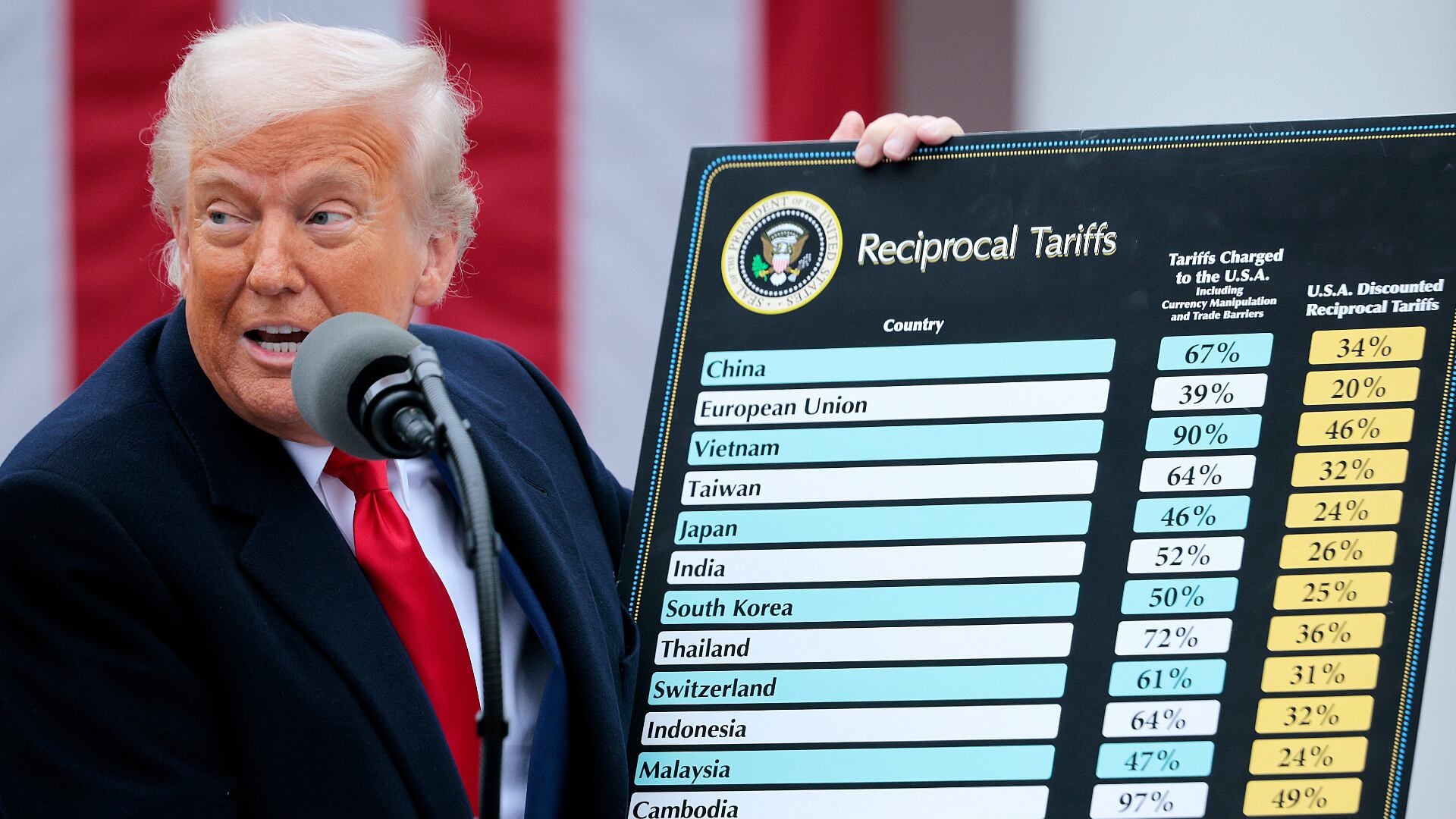
Jeremy Jansen, Head of Global Supply Chain and Trade Sales at Wells Fargo, helps us understand how trade will be affected by tariffs implemented by Trump.
Kory Kantenga, Head of Economics for the Americas at LinkedIn, talks the current state of the labor market and how it has evolved since the pandemic. Watch!
Caraway CEO, Jordan Nathan, joins Cheddar to discuss how one bad accident turned into a successful business venture and how it will help you in the kitchen.
Chelsey Dulaney, reporter from The Wall Street Journal, takes us inside her piece about American Exceptionalism Trade and explains how it will affect consumers.