Venezuela is days away from launching its own cryptocurrency, and Israel is considering making a similar move.
But one expert says that a digital coin for a country, controlled by a single government rather than decentralized like Bitcoin and others, doesn’t truly capture the essence of crypto.
“It’s like taking a magazine and saying, ‘Well now it’s digital.’ But you really just converted the magazine to a website,” said Shaun Newsum, founder of ICO Watchdog.
“What it will effect though, is people that are mining. Miners will probably have to be ‘approved miners.’ That would be regulated. And also exchanges. They will probably ban all exchanges unless you’re using the central exchanges that they approve.”
Venezuela’s *petro* will be backed by 5.3 billion barrels of oil, worth about $267 billion. The government hasn’t provided any technical details, but officials hope the coin can be used to pay off debt and offset losses in its main currency, the bolivar.
Israel, meanwhile, hasn’t made any specific plans for its own digital currency, though the central bank is reportedly exploring options as it tries to reduce the amount of cash in its financial system.
For the full segment [click here](https://cheddar.com/videos/keeping-cryptocurrencies-accountable).
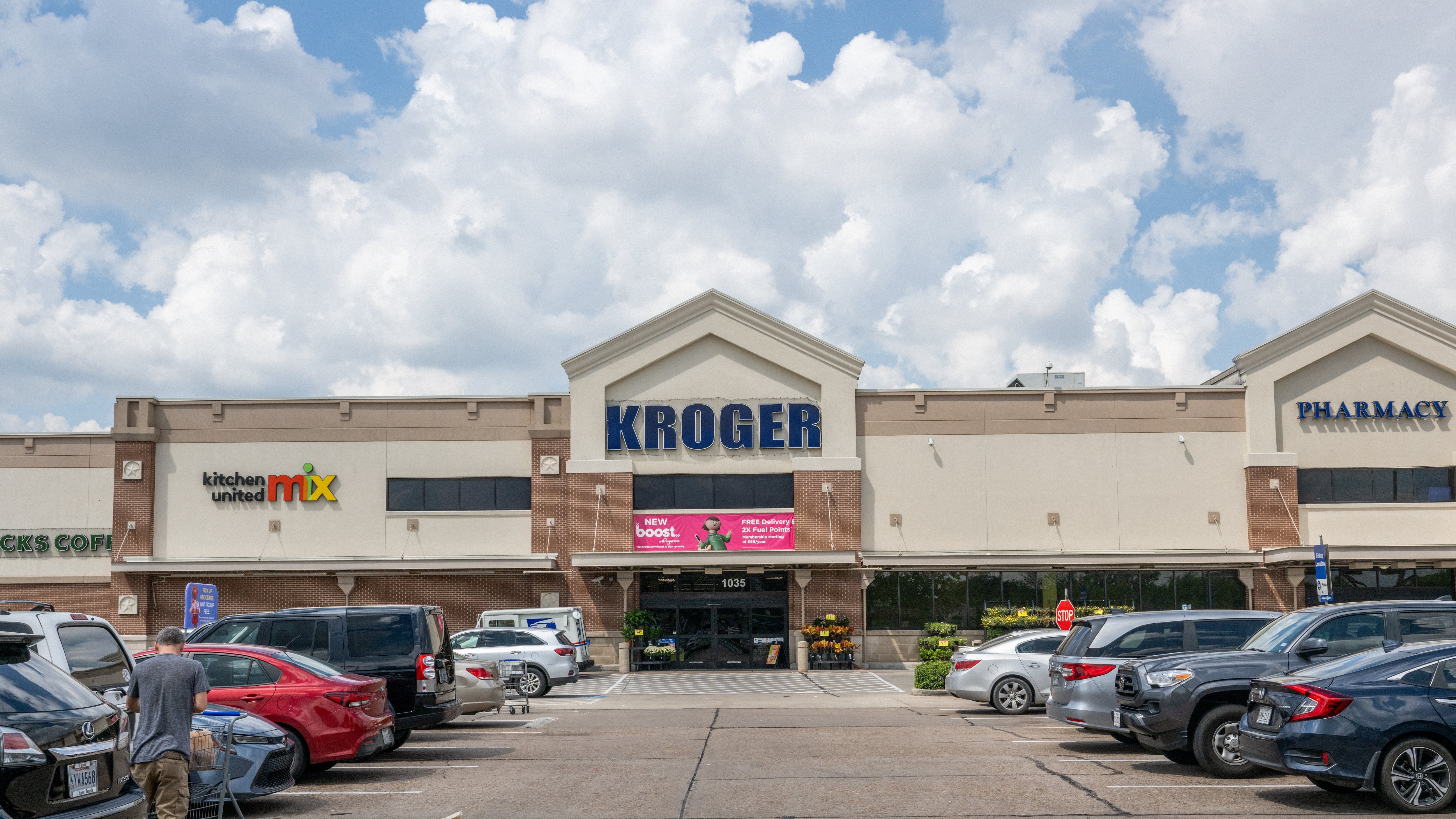
The Federal Trade Commission is suing to block a proposed merger between the two grocery stores. The FTC says the $24.6 billion deal would eliminate competition and lead to higher prices for millions of Americans.
Terecircuits CEO Wayne Rickard explains some of the other companies set to benefit from the Nvidia-led chipmaking rally, including manufacturing and toolmaking companies.
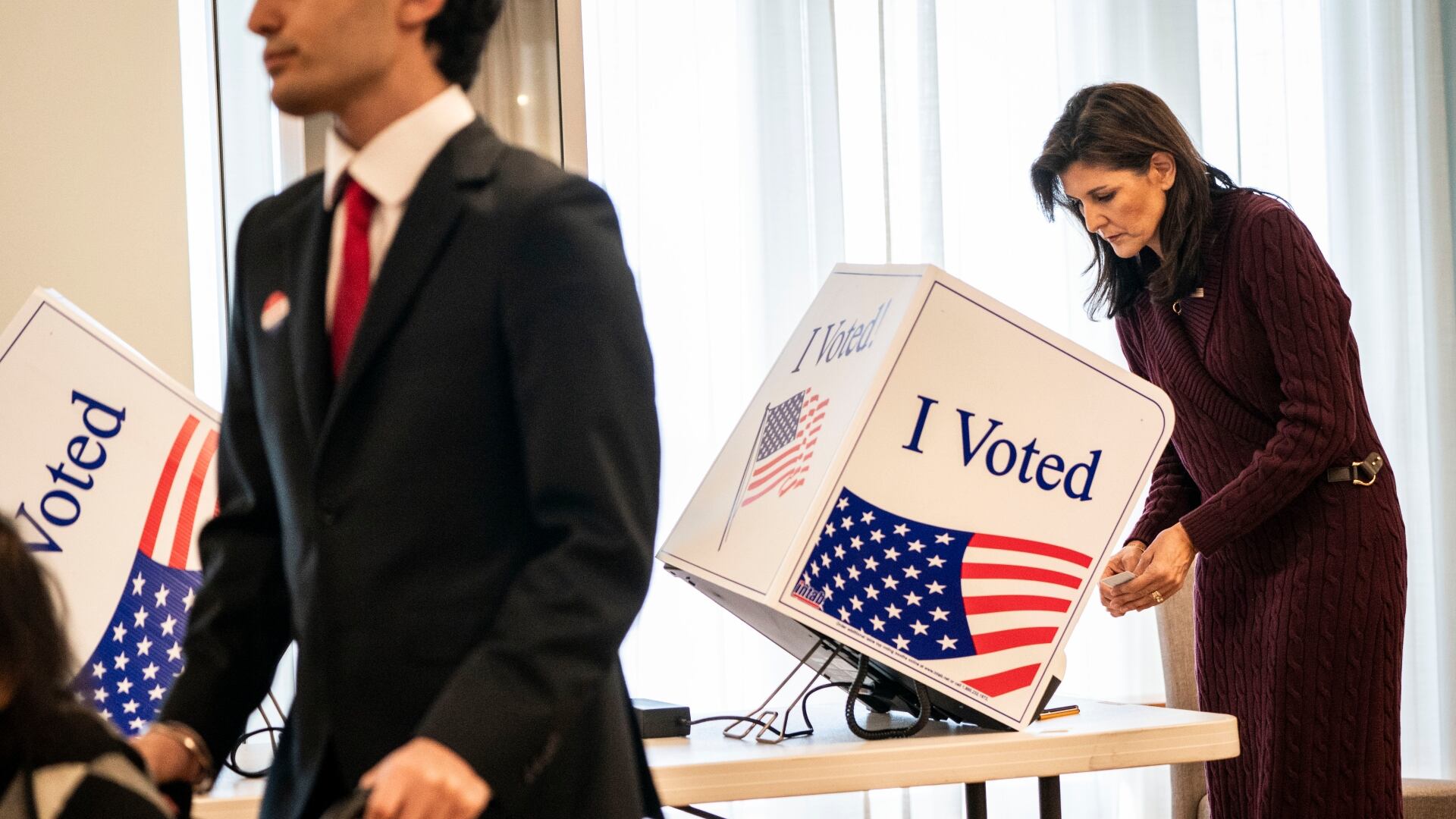
Axios reporter Erin Doherty breaks down the results from the South Carolina primary as former President Trump gets closer to winning the GOP nomination.
Jay Woods of Freedom Capital Markets shares thoughts on how the latest inflation report will impact the market, and why he expects a ‘cascade’ of IPOs if Reddit’s public debut goes well.
During AT&T's widespread outage Thursday, landline phones were a working alternative — which most of the U.S. does not have. Over half of Americans are estimated to have ditched landlines altogether.
Jade Kearney Dube, Founder & CEO of She Matters talks the Symptom Tracker app, cultural competency for healthcare providers, and being a Black woman CEO looking for funding.
Ahead of April’s planned BitCoin halving, Bitfarms CEO Geoff Morphy shares why he thinks the crypto rally will continue, plus why you’ll see a broader adoption of clean energy for mining.