Venezuela is days away from launching its own cryptocurrency, and Israel is considering making a similar move.
But one expert says that a digital coin for a country, controlled by a single government rather than decentralized like Bitcoin and others, doesn’t truly capture the essence of crypto.
“It’s like taking a magazine and saying, ‘Well now it’s digital.’ But you really just converted the magazine to a website,” said Shaun Newsum, founder of ICO Watchdog.
“What it will effect though, is people that are mining. Miners will probably have to be ‘approved miners.’ That would be regulated. And also exchanges. They will probably ban all exchanges unless you’re using the central exchanges that they approve.”
Venezuela’s *petro* will be backed by 5.3 billion barrels of oil, worth about $267 billion. The government hasn’t provided any technical details, but officials hope the coin can be used to pay off debt and offset losses in its main currency, the bolivar.
Israel, meanwhile, hasn’t made any specific plans for its own digital currency, though the central bank is reportedly exploring options as it tries to reduce the amount of cash in its financial system.
For the full segment [click here](https://cheddar.com/videos/keeping-cryptocurrencies-accountable).
Mark Hamrick, senior economic analyst at Bankrate, breaks down the current housing market and why he’s expecting affordability will get better as the year goes on.
Georgie Dickins, founder of Women in Leadership Global and author of ‘Leading with Impact,’ shares thoughts on women in business and how to cultivate a supportive community.
Gregory Daco, chief economist at EY and Jordan Shapiro, senior managing director at Bachrach Group, break down February’s jobs report and what it means for workers.
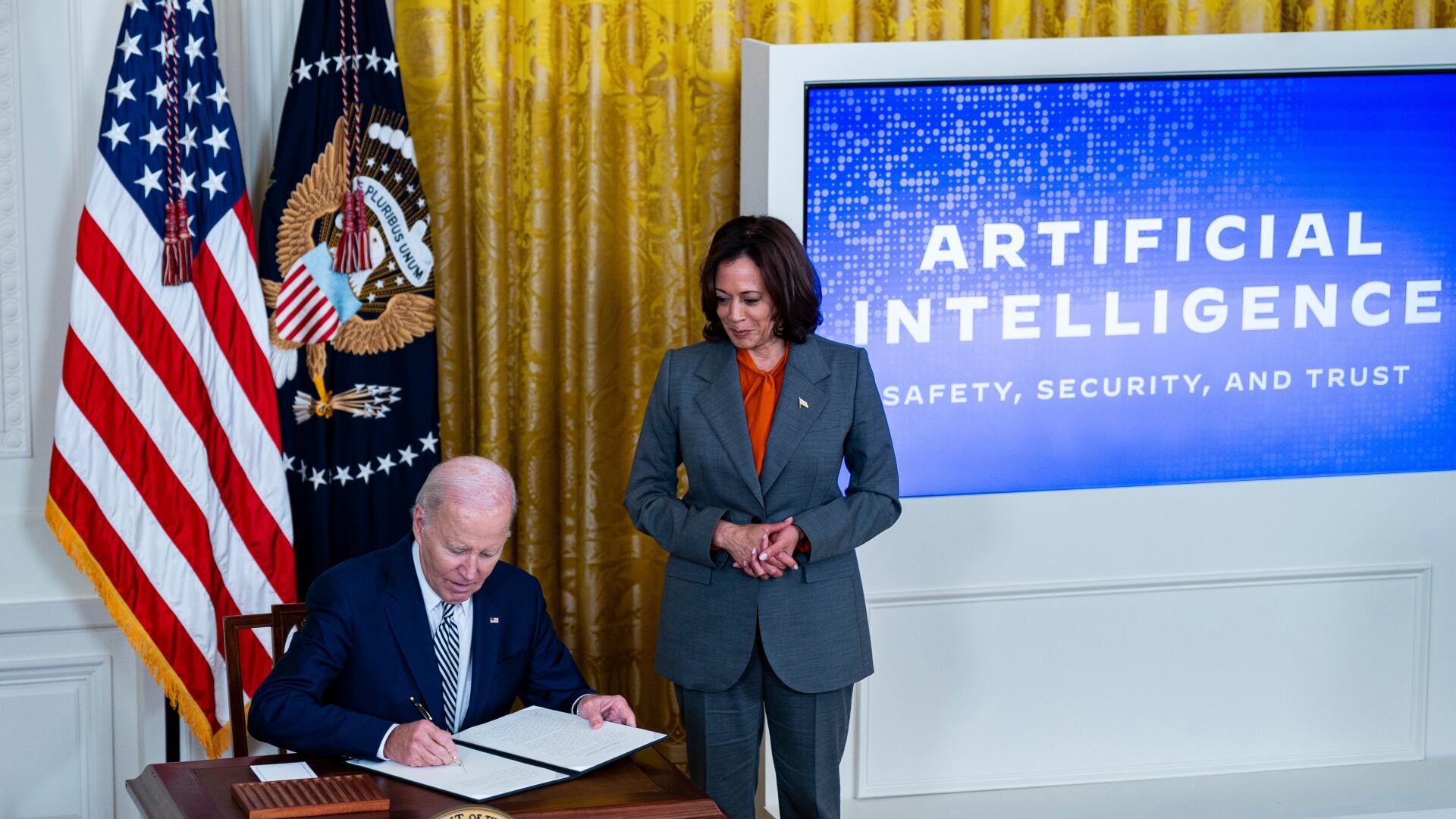
Linda Moore, president and CEO of Technet, explains why the U.S. should be a leader in A.I., plus why deepfakes and misinformation could be a concern during the election season.