Venezuela is days away from launching its own cryptocurrency, and Israel is considering making a similar move.
But one expert says that a digital coin for a country, controlled by a single government rather than decentralized like Bitcoin and others, doesn’t truly capture the essence of crypto.
“It’s like taking a magazine and saying, ‘Well now it’s digital.’ But you really just converted the magazine to a website,” said Shaun Newsum, founder of ICO Watchdog.
“What it will effect though, is people that are mining. Miners will probably have to be ‘approved miners.’ That would be regulated. And also exchanges. They will probably ban all exchanges unless you’re using the central exchanges that they approve.”
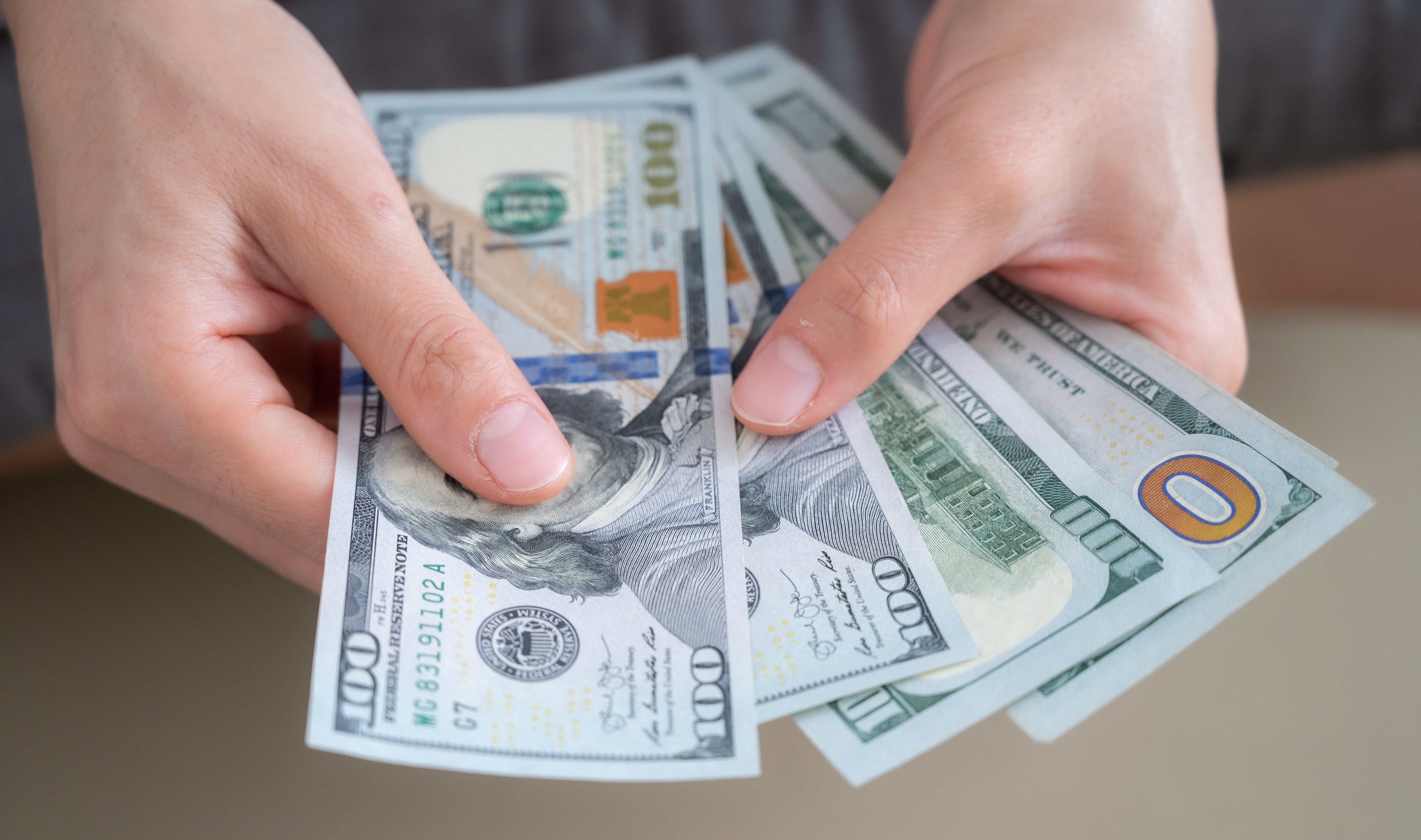
Venezuela’s *petro* will be backed by 5.3 billion barrels of oil, worth about $267 billion. The government hasn’t provided any technical details, but officials hope the coin can be used to pay off debt and offset losses in its main currency, the bolivar.
Israel, meanwhile, hasn’t made any specific plans for its own digital currency, though the central bank is reportedly exploring options as it tries to reduce the amount of cash in its financial system.
For the full segment [click here](https://cheddar.com/videos/keeping-cryptocurrencies-accountable).
Neiman Marcus Group CEO Geoffroy van Raemdonck talks luxury shopping and TikTok, why the company prefers to be private for now, and the benefits of flexible work arrangements.
Rebecca Walser, founder and CEO of Walser Wealth Management, discusses how geopolitical conditions, the bifurcated economy, and other volatility could weigh on markets.
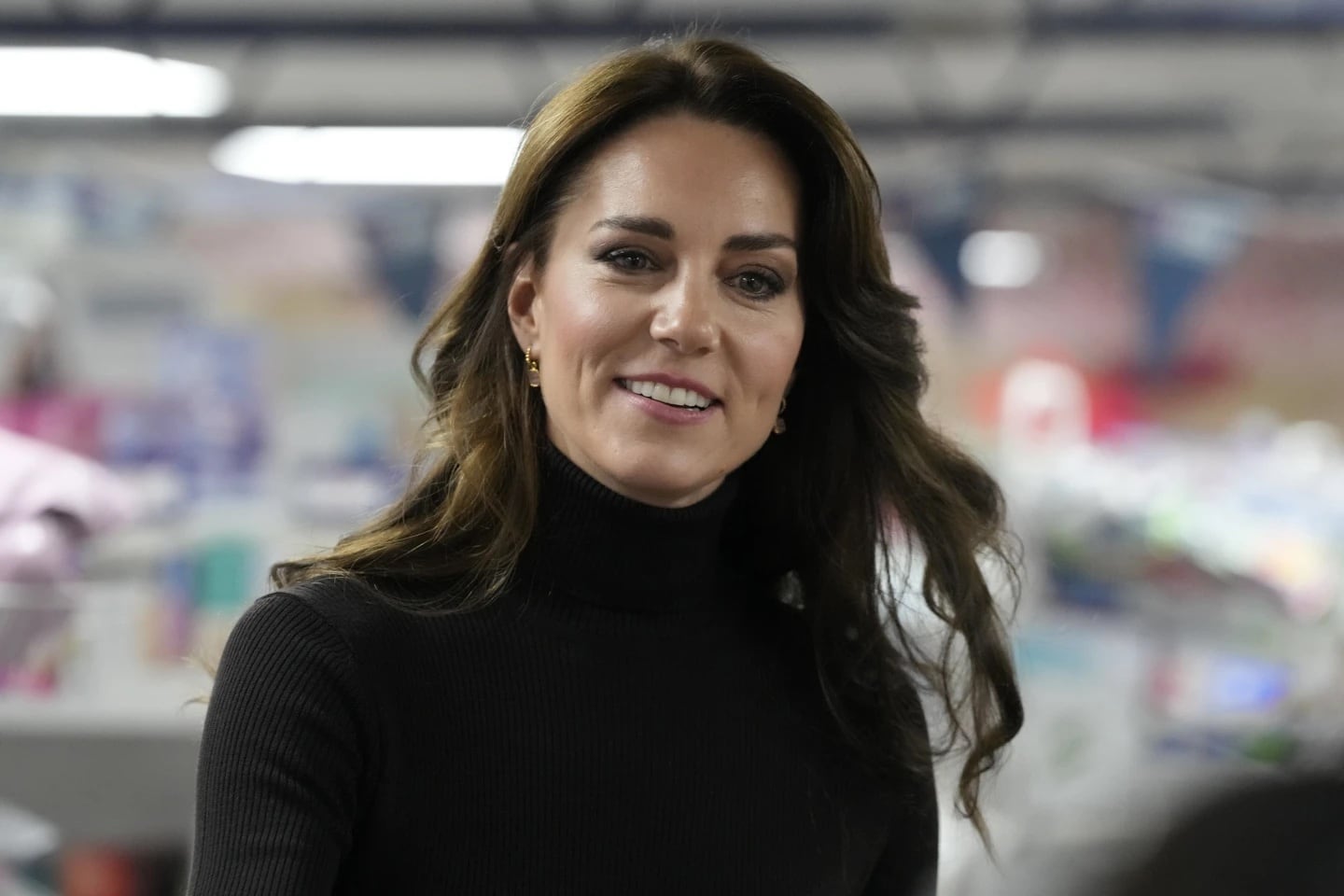
The video announcement Friday came after weeks of speculation spread on social media about her whereabouts and health since she was hospitalized in January for unspecified abdominal surgery.
Chip Giller, co-founder, and Amy Seidenwurm, Chief of Programs and Strategy at Agog: The Immersive Media Institute, discuss how the organization uses the virtual world to make real change.
Luminary founder and CEO Cate Luzio shares some of the company’s latest Women’s History Month events and why there’s so much to celebrate about women in the workplace.
WSJ reporter Ray Smith breaks down why more companies are offering ‘dry’ promotions – a responsibility or title bump with no pay raise – and the pros and cons of accepting them.