Venezuela is days away from launching its own cryptocurrency, and Israel is considering making a similar move.
But one expert says that a digital coin for a country, controlled by a single government rather than decentralized like Bitcoin and others, doesn’t truly capture the essence of crypto.
“It’s like taking a magazine and saying, ‘Well now it’s digital.’ But you really just converted the magazine to a website,” said Shaun Newsum, founder of ICO Watchdog.
“What it will effect though, is people that are mining. Miners will probably have to be ‘approved miners.’ That would be regulated. And also exchanges. They will probably ban all exchanges unless you’re using the central exchanges that they approve.”
Venezuela’s *petro* will be backed by 5.3 billion barrels of oil, worth about $267 billion. The government hasn’t provided any technical details, but officials hope the coin can be used to pay off debt and offset losses in its main currency, the bolivar.
Israel, meanwhile, hasn’t made any specific plans for its own digital currency, though the central bank is reportedly exploring options as it tries to reduce the amount of cash in its financial system.
For the full segment [click here](https://cheddar.com/videos/keeping-cryptocurrencies-accountable).
Stocks are near record highs, inflation is moderating, and analyst Deiya Pernas is 'optimistic' the U.S. is heading for a soft landing without a recession – which is good news for your wallet.
Google co-founders Larry Page and Sergey Brin loved pulling pranks, so much so they began rolling outlandish ideas every April Fools' Day not long after starting their company more than a quarter century ago.
Sam Bankman-Fried co-founded the FTX crypto exchange in 2019 and quickly built it into the world’s second most popular place to trade digital currency. It collapsed almost as quickly — by the fall of 2022, it was bankrupt.
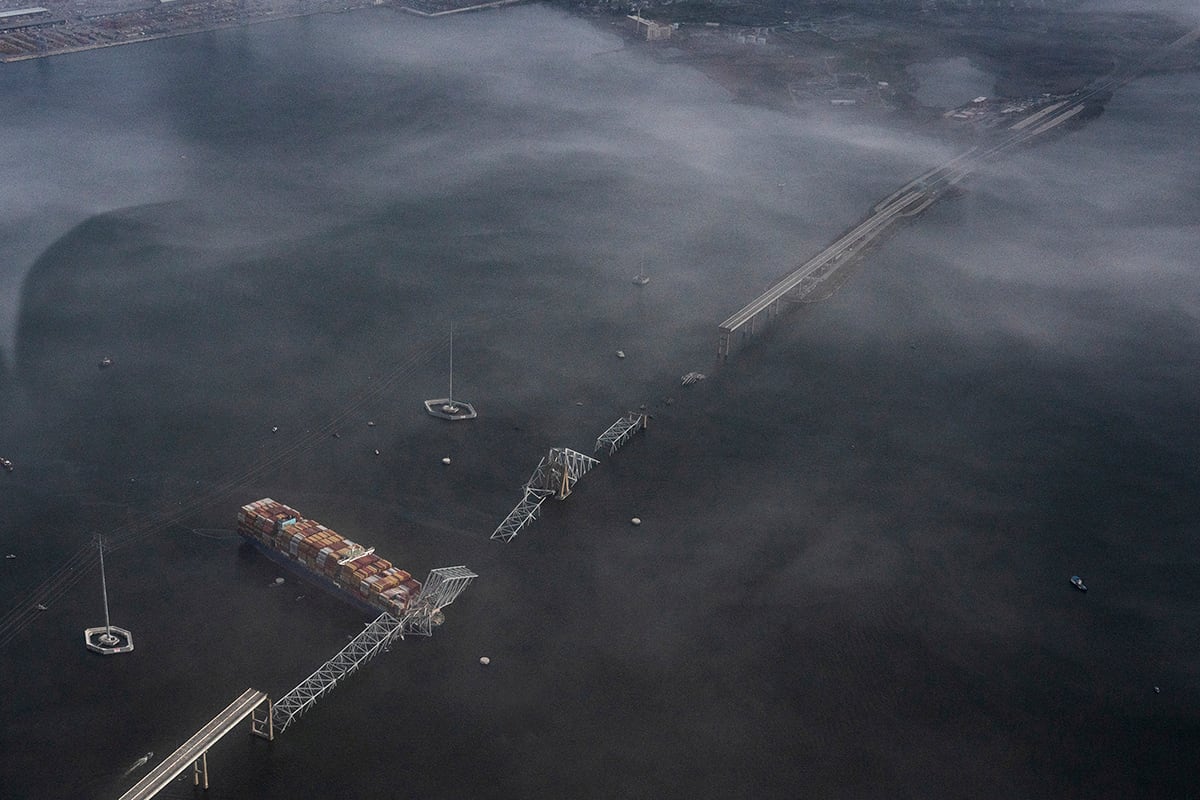
The economic effects of the Baltimore bridge collapse, Americans are living longer but not better, and Gen Z and millennials are struggling to afford rent, let alone a mortgage.
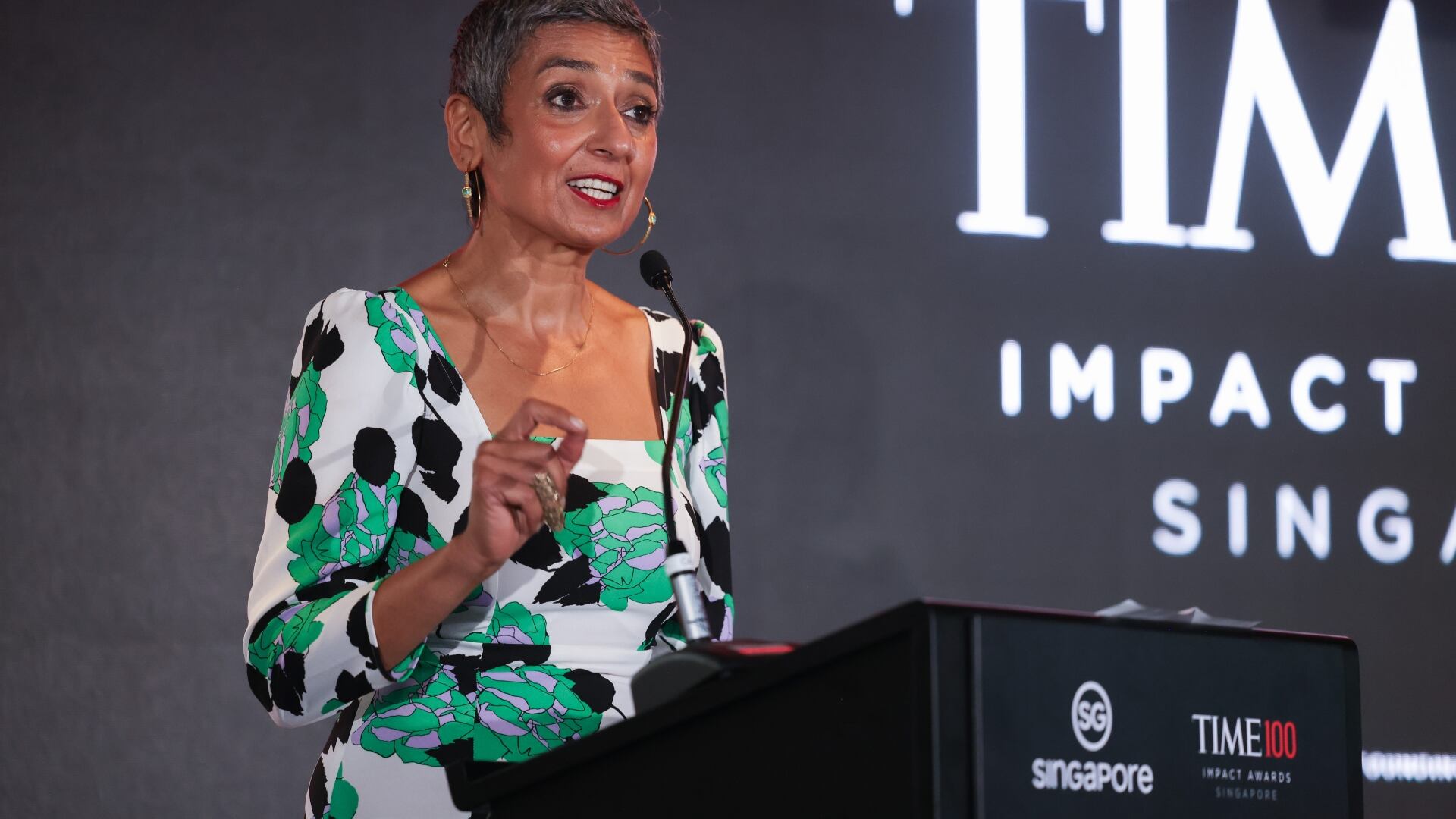
Zainab Salbi, founder of Women for Women International and co-founder of Daughters for Earth, shares why she is putting women in positions of power to fight the climate crisis.