News of the largest ever crypto hack had the potential to roil markets Friday, but one analyst was surprised at how prices reacted.
“I would’ve thought that the whole crypto landscape would've been down quite a bit on this news of a major Japanese exchange getting hacked,” said Michael Graham, senior equity analyst at Canaccord Genuity. “I think that the fact that the crypto markets are sort of being resilient in the face of the potentially biggest hack on one of the crypto exchanges is pretty interesting.”
His statements come after Tokyo-based crypto exchange Coincheck confirmed it loss more than $500 million worth of NEM tokens. That could make it larger than the infamous Mt. Gox hack of 2014, which saw $340 million stolen from digital wallets. At the time, though, that accounted for a much larger portion of the crypto market.
Graham did have advice for investors worried their assets could be compromised.
“Most people recommend, if they’re owning a material amount of the crypto assets, put those in cold storage, which means just buy a wallet that you can take off the network and store in a safe place in your home. And that way it’s absolutely immune to attack.”
For full interview [click here](https://cheddar.com/videos/why-major-cryptocurrencies-are-having-a-relatively-flat-week).
The U.S. economy is being held up in part by the AI boom, but that boom could still lead to broader prosperity or inequality, says a Nobel Prize winner.
Foundation Robotics co-founder Michael LeBlanc explains how humanoid robots are moving from the lab to military and industrial missions and what comes next.
Jeff Burnstein, President of the Association for Advancing Automation (A3), discusses humanoid robots, AI, smart manufacturing, and the future of U.S. industry.
Should kids be banned from social media? Nick Lichtenberg of Fortune breaks down the global push to restrict under-16 users and what it means for Big Tech.
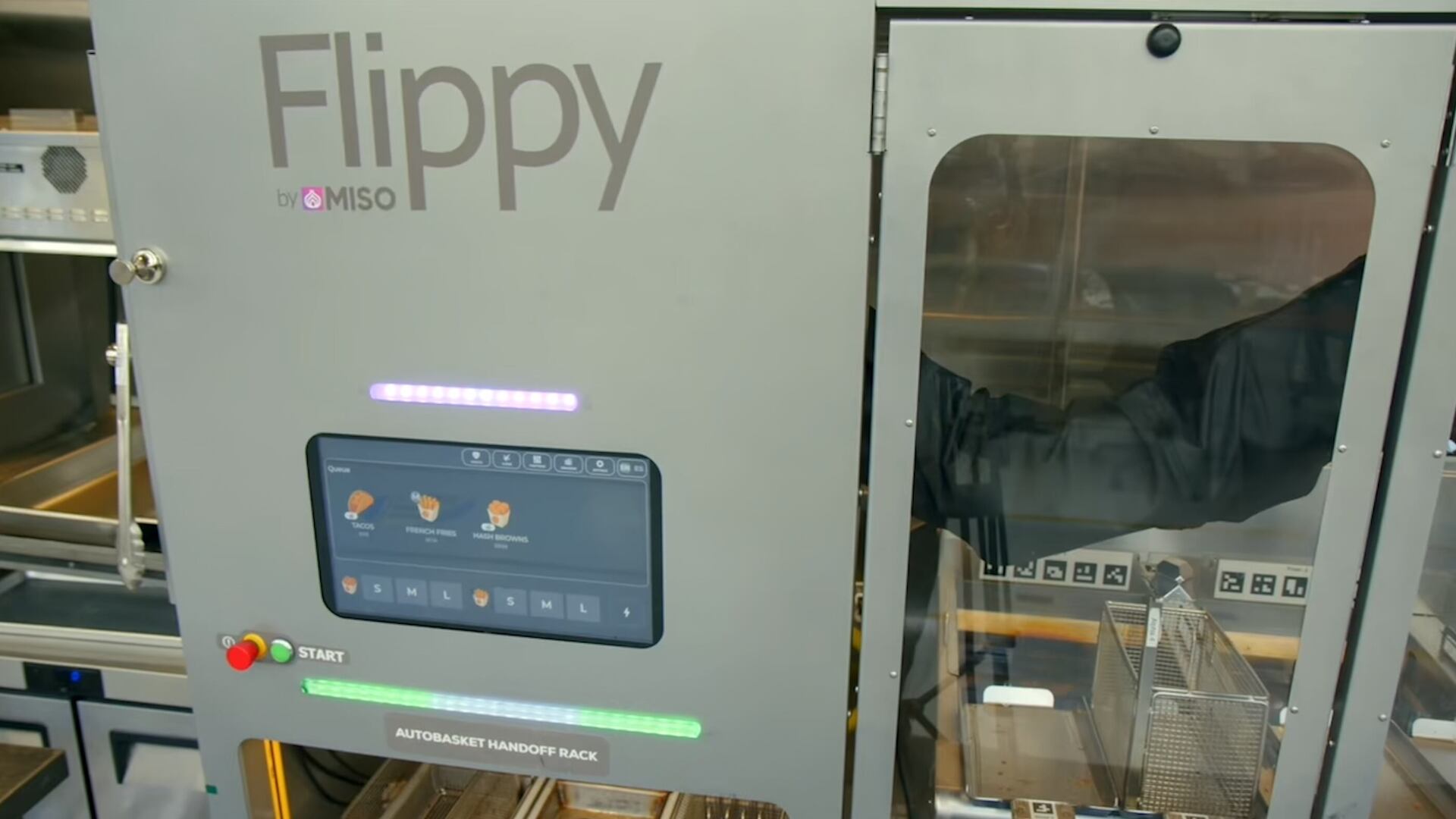
Miso Robotics CEO Rich Hull discusses Flippy Fry Station, the future of AI-powered restaurant automation and how acquiring Zume's IP could reshape food robotics
After two years of AI-fueled spending, Wall Street is asking what's next. Gil Luria breaks down monetization, valuations, winners, losers, and AI's future.