*By Carlo Versano* The bitter midterm election season is coming down ー as it always does ー to who turns out to vote. With control of both chambers of Congress and dozens of statehouses up for grabs on Tuesday, and a polarizing president at the center of it all, the 2018 midterm election will be seen as one of the most consequential in modern U.S. history. Democrats hope that Trump's unpopularity will drive voters to the polls and, in so doing, repudiate his agenda and divisive style of leadership. Republicans are counting on a booming economy to counterbalance the conventional midterm wisdom that the party in power loses seats. That focus on the economy ー historically low unemployment, a bull market, and sustained wage growth ー would have been easy to miss during the last leg of the campaign season, as Trump and his surrogates went all-in on a hard-line immigration message. Nick Givas, a reporter with The Daily Caller, said that the economy was the GOP's best bet for holding off Democratic gains: "If there's one thing voters can point to that's tangible, it's more jobs, it's more money in their wallet," he said. Trump's incendiary rhetoric, particularly on the subject of immigration, is a callback to the very strategy that got him elected. "Immigration also helped him rise in the polls as a presidential candidate," Givas said. "He's going back to his bread and butter here" and making a bet that getting his base "hot and bothered" will drive turnout. But that strategy is exactly what mobilizes Democrats to vote, as noted by the DCCC's Molly Mitchell in an earlier interview on Cheddar. "We've built the largest battlefield for Democrats in over a decade, and we've recruited incredible candidates across the country," she said. The DCCC counts 80 House districts in play nationwide, 71 of which are Republican-held. Democrats need a net gain of 23 seats to take the House. The Senate map remains favorable for the GOP, and the chalk bet is that the party will keep control of that chamber, but lose the House. Meanwhile, 36 governorships (26 of which are held by Republicans) will also be decided, with Democrats expected to make inroads in red states. Then, of course, there are the ballot initiatives that have been largely overshadowed by so many contentious races. From marijuana legalization to gas taxes to minimum wage, voters in 37 states have 155 ballot propositions in front of them. Wall Street will be particularly attuned to whether voters choose to legalize pot for recreational use (Michigan, North Dakota) or medical use (Missouri, Utah) and whether minimum wage hikes (Arkansas, Missouri) can get passed in an era of soaring corporate profits. With so much at stake and so much attention being paid, it will come down to turnout ー a worry for Democrats in the East, which is under widespread threat of severe weather. Bad weather on Election Day is widely believed to favor Republicans ー as the people most likely to stay home tend to be Democrats. The first polls close at 6 p.m. ET in parts of Kentucky and Indiana, and the "first test of what kind of night this going to be" will come when polls close at 7 p.m. in Virginia, according to Reid Epstein, political reporter at The Wall Street Journal. He's keeping an eye on VA-7, the district outside Richmond. If incumbent GOP Rep. Dave Brat falls early, that will bode well portend good things for Democrats. Epstein cautioned against gleaning too much from exit polling aside from the composition of a given electorate. After all, Democrats who took exit polls as gospel in 2016 went to bed thinking they would wake up to President Hillary Clinton. As the night progresses and the results roll in, California could throw a wrench into the results things. The massive state, home to multiple swing districts and notoriously slow to tabulate results, allows mail-in ballots through Election Day, meaning if control of the House is riding on the Golden State, we may not know right away. Polls there close at 11 p.m. ET. "We may all be sitting and watching the mail get delivered in Santa Ana and Irvine over the course of the next few days," Epstein cautioned. Both he and Givas, and the Daily Caller reporter, agreed on one thing: "It's going to be a long night." For full interview [click here](https://cheddar.com/videos/voters-head-to-the-polls-on-election-day).
Share:
More In Politics
Economist Sees Six Rate Hikes in 2022 After High January PPI Number
Inflation remains hot as the January PPI has increased by 1 percent, twice what analysts had been expecting with a jump of 9.7 over the year. Beth Ann Bovino, the U.S. chief economist, for S&P Global Ratings, joined Cheddar News to discuss the rapid pace of inflation alongside higher wages, predicting the Federal Reserve will act quickly and forcefully this year. "They haven't changed their forecast, yet, that's gonna come out soon. But we expect that a March rate hike is basically pretty much baked in the cake," she said. "We think six rate hikes in total for 2022."
U.S Chamber of Commerce Hosts Virtual Event 'Developing the Black-Owned Business Ecosystem'
For black history month, Cheddar is highlighting black business leaders who are driving the need for representation forward. On February 10, the U.S. Chamber of Commerce hosted an event called 'Developing the Black-Owned Business Ecosystem.' The virtual event was organized under the lobbying group's two initiatives -- the Equality of Opportunity Initiative, and the Coalition to Back Black Businesses. The event highlighted the developments needed to develop more black-owned businesses in the U.S. Dr. Anthony Wilbon, Dean of the School of Business at Howard University, joined Cheddar News' Closing Bell to discuss his experience as a speaker at the event.
Two Democratic Senators Allege Secret CIA Spying On Americans
A newly declassified letter by senators Ron Wyden and Martin Heinrich claimed the CIA. has been conducting a Secret Surveillance Program which has been collecting a bulk of data from American citizens. The letter which was written in April of 2021 urges the CIA to come clean about the kind of data it collects and how many Americans have been impacted. According to these two senators, the program did not have the safeguards of congressional oversight.
Stocks Close Lower to Begin Week as Russia-Ukraine Tensions Weigh on Sentiment
Art Hogan, Chief Market Strategist at National Securities, joined Cheddar News' Closing Bell, where he says investors are taking a wait-and-see approach when it comes to the situation between Russia and the Ukraine and elaborates on the impact higher oil prices stemming from the conflict would have on the market.
Behind Lawmaker Concerns Over Possible CIA Data Collection on Americans
Last week, Senators Ron Wyden of Oregon and Martin Heinrich of New Mexico, Democrats on the Senate Intelligence Committee, wrote a a letter airing concerns that the CIA is collecting the data of American citizens without their consent. The lawmakers fear that the program might be exploiting private data. Morgan Wright, the chief security advisor at cybersecurity firm SentinelOne, joined Cheddar News to discuss the ramifications of the letter. "We don't have all the dots in one place to connect them," said Wright, cautioning against jumping to conclusions.
Glimpse of Hope for Diplomatic Solution Over Russia-Ukraine Tensions
As the number of Russian troops rose to 130,000 along its Ukrainian border, hopes for a diplomatic solution remain among world leaders. Jason McMann, head of geopolitical risk analysis at Morning Consult, joined Cheddar News to break down the fluid situation. "We saw signs pointing towards an increase in tensions between Ukraine and Russia, whereas today we're seeing some signs that the Russian government may be willing to continue down a path of diplomatic negotiations to try and find some sort of non-military solution," he said.
'STOCK' Act Aimed at Preventing Insider Trading Within Congress...But Does It?
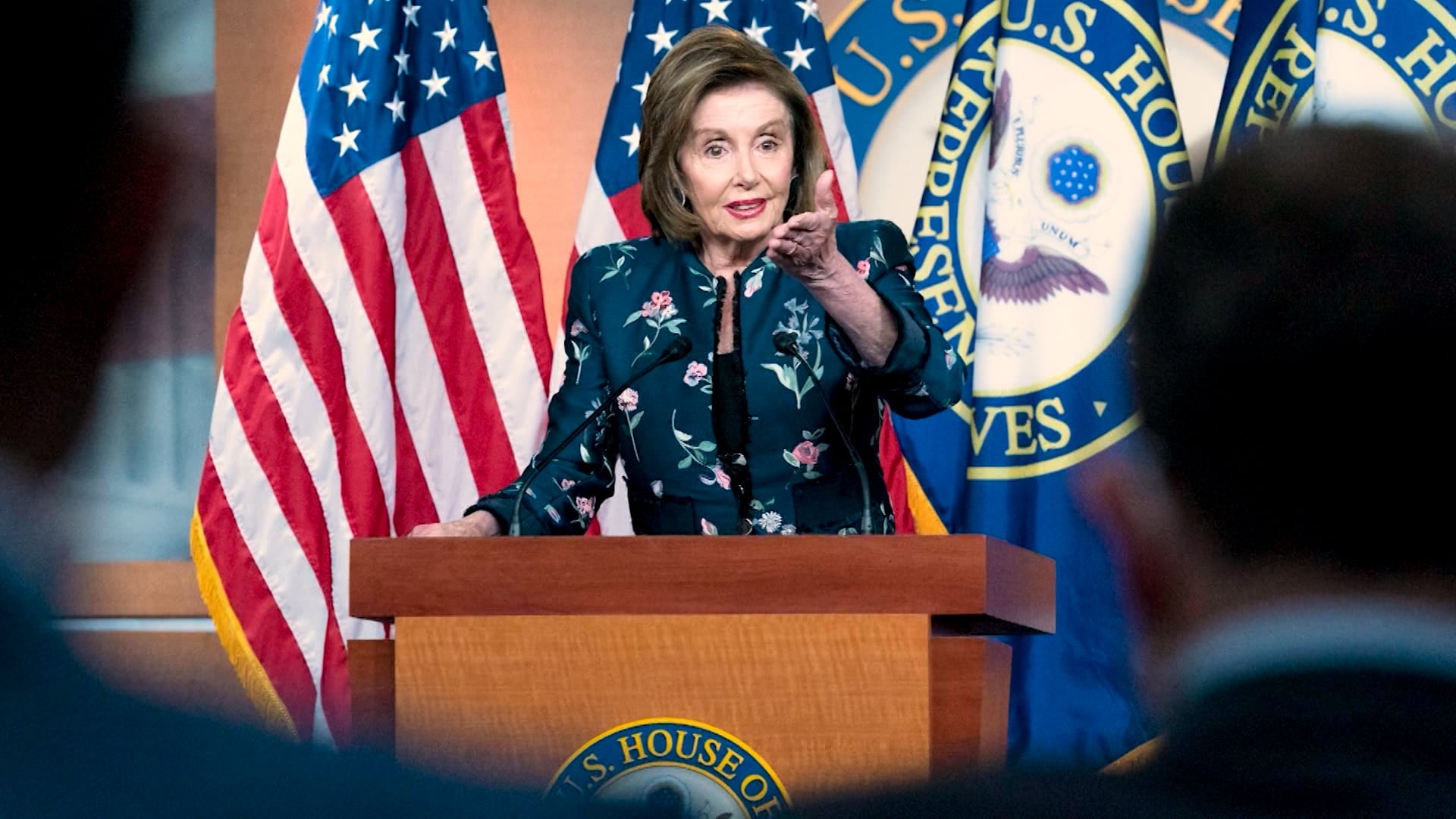
Nancy Pelosi and House Democratic leaders are now planning to amend the stop trading on congressional knowledge act, otherwise known as the 'Stock' Act. This 2012 law governs how members disclose the purchase or sale of stocks and amending it would close a loophole, eliminating the trading of individual stocks by members of congress. Pelosi has consistently opposed a ban on stock trading by lawmakers and congressional staff...so what's changed? Kedric Payne, Vice President of Campaign Legal Center, joins Cheddar News to discuss.
SCOTUS Allows GOP- Drawn Alabama Map to Remain
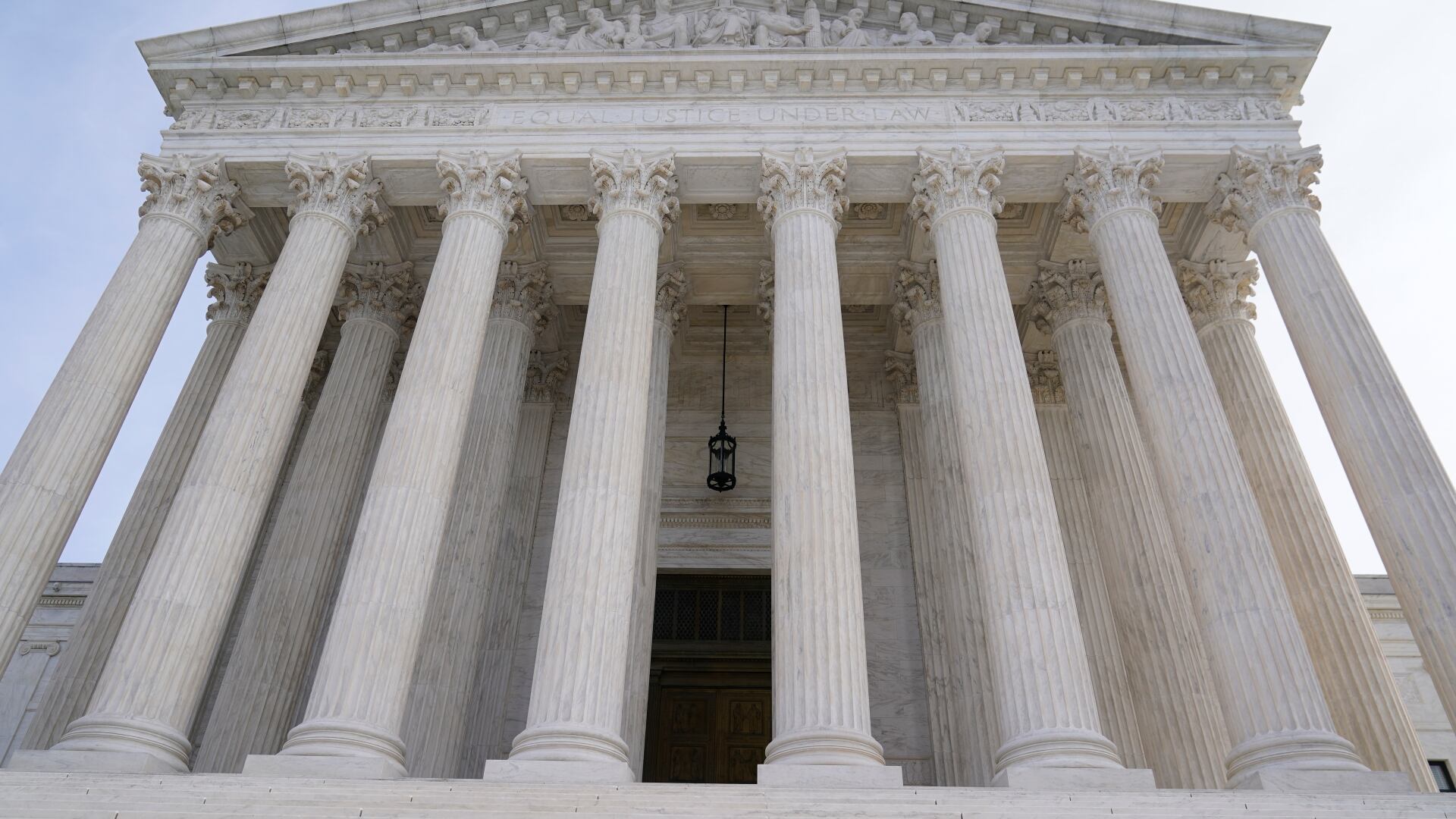
In a 5-4 vote, the U.S. Supreme Court allowed for a controversial new version of the Alabama congressional map to remain in place. The lower court had previously ordered that the state must redraw that congressional map because it violates the Voting Rights Act by diluting the political power of Black voters. Redistricting expert Yurij Rudensky joins Cheddar News to weigh in.
Load More