Matt Swider, Senior Mobile and Buying Guides Editor for TechRadar, explains what to make of the newest Samsung Galaxy S9 rumors and their limited edition Olympic Note8. He also breaks down Chromecast's Wi-Fi issues and the newest Android malware discovery.
Samsung's new Galaxy S9 is expected to have better battery life, and Swider says it will keep the headphone jack. The company's Winter Olympics Note8 will be white, and will only be issued to Olympians and their families.
Plus, Chromecasts have been overloading home Wi-Fi networks, slowing them down and even shutting them down for periods of time. Swider notes that Google has yet to comment on this issue.
Russian researchers have discovered the most advanced Android malware ever. The program called "Skygofree" uses Google's accessibility features to intercept WhatsApp messages. Swider says the average phone user has no reason to be worried.
On this episode of Cheddar Innovates: Vision Marine Technologies CEO discusses how e-boats will play a role in the fight against the climate crisis; Lasso CEO breaks down how the design behind these compression socks can prevent injuries and improve performance; Cheddar gets a look at Curiosity Stream's 'The Tombs Of Egypt.'
Catriona Campbell, CTIO, UK and Ireland, EY, joins Cheddar News to discuss how business leaders can bridge the gap between their technology investments and their aspirations, and breaks down the human aspects of A.I.
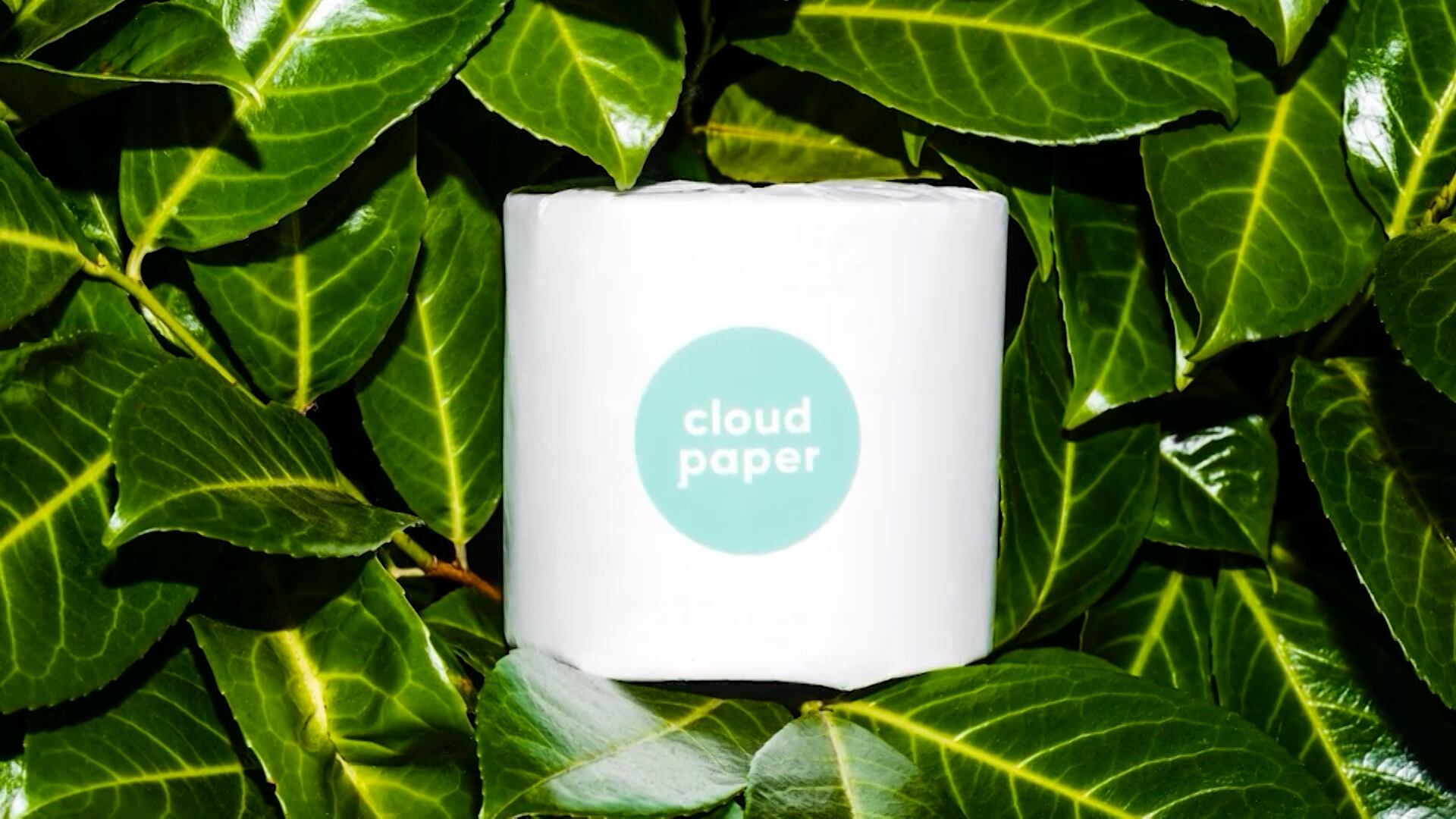
Bamboo-based toilet paper company Cloud Paper raised $5 million in a recent funding round. Its product is a bamboo-based alternative to traditional toilet paper made from trees, and its mission is to end the deforestation caused by traditional paper products. Cloud Paper says the raise will allow it to make significant investments in its supply chain, product development, and hiring. Ryan Fritsch, a co-founder of Cloud Paper, joined Cheddar News' Closing Bell to discuss.
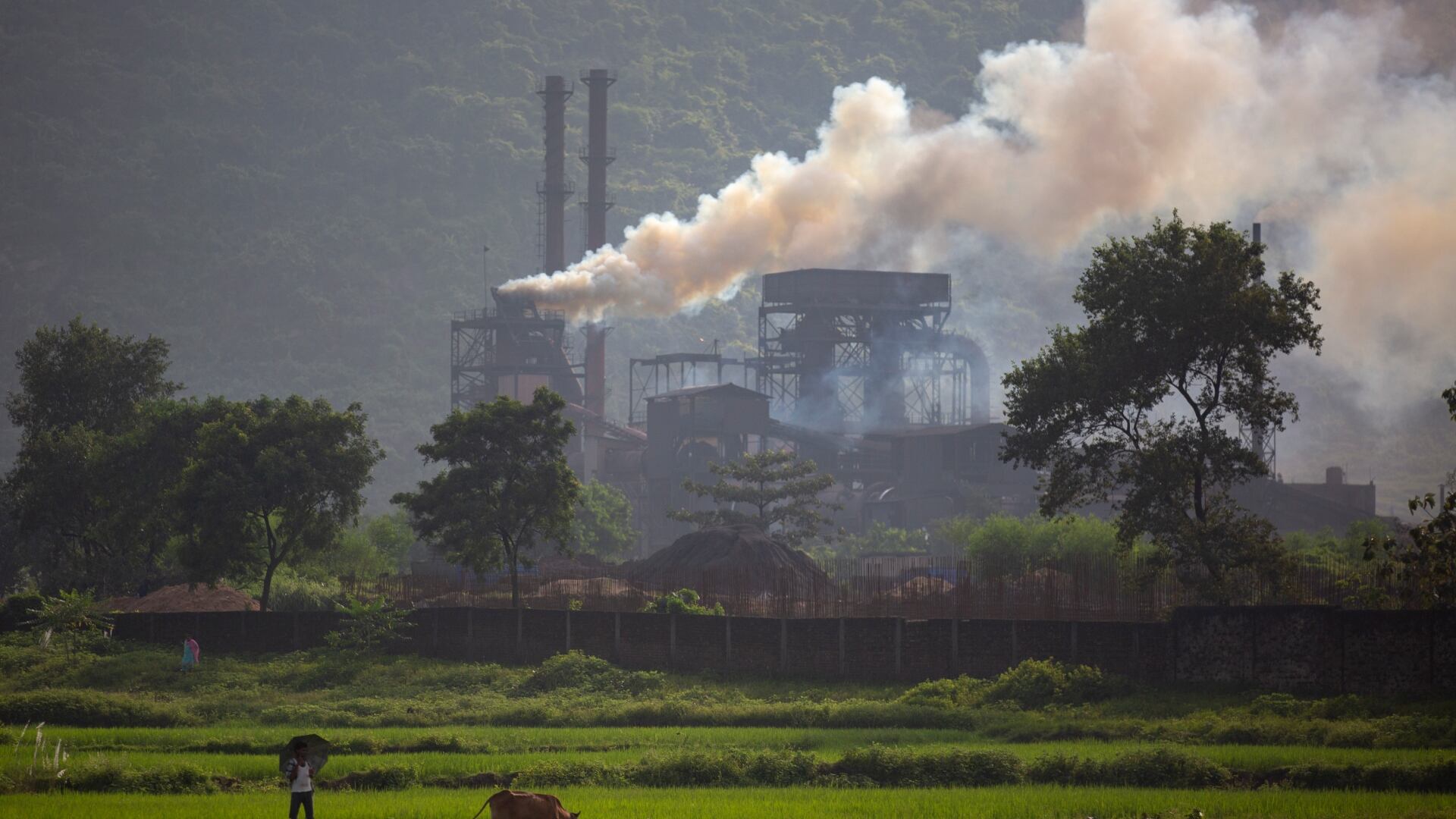
The Biden Administration has now issued new guidelines when it comes to carbon capture. The new guidelines handed down this week encouraged the widespread use of climate attacks that traps and stores carbon emissions. The goal here is the process would help keep carbon out of the atmosphere without requiring a whole lot of change by big companies and manufacturing plants. Several scientists say that this method would be crucial to help us decrease the use of carbon emissions by the year 2050. Professor of Civil and Environmental Engineering at Stanford University, Mark Jacobson, joined Cheddar to discuss more.