T-Mobile’s new bank account might not pose a competitive threat to the biggest U.S. banks, but it’s a strong competitor to the many startups vying to shape how people save and manage their money.

The wireless phone company partnered with BankMobile to create a debit account for its customers with a whopping 4 percent return on deposits, if they deposit at least $200 each month, and 1 percent back for prepaid customers and everyone else. It announced the offering last fall and rolled it out nationally on Thursday.

The product, called T-Mobile Money, will remain entirely separate from its core wireless business, according to Tiffany Minor, director of marketing for T-Mobile’s financial services business.

“We can’t see your transactions, your balance, or anything else you do,” Minor said. “That’s your Money account and that’s separate from your wireless. If questions come up like ‘What if I haven’t paid my bill? Can you see money in my T-Mobile Money account?’ We don’t, we don’t see it at all, as we should not, and that’s one of the reasons we partnered with a bank.”

Though T-Mobile offers device installment plans, Minor maintained that those plans are separate from the bank account as well. She also declined to comment on potential cross-selling opportunities, maintaining that as of today the company is focused on providing customers a better checking account and delivering on a strong value proposition, which it believes to be the 4 percent interest rate.

It isn’t exactly clear why T-Mobile launched a bank account or what the long-term value strategy is for it, but it does show evidence of a new reality in which major non-bank brands become distribution channels for fintech startups.

“Looking at the phone and the device as the epicenter for how we use and interact with banking, it became evident that [banking] was hard, expensive and there’s no value,” Minor said. “Money and banking have kind of outgrown the traditional banking.”

Banking startups once sought to disrupt their legacy counterparts by reinventing bank accounts that are easier to use, more fair and more valuable. But that’s proven to be impossible without the scale or the resources of a large corporation. The largest U.S. bank has about 50 million customers so any new startup starting from zero has a steep mountain to climb.

Those startups have had some success, however, selling their products as a service to bigger brands looking to provide more value to their own customers. For example, the point-of-sale financing company Affirm has said it eventually wants to become a full-service bank, but it’s the company’s Walmart partnership that will have a big hand in bringing Affirm new customers and gaining their trust.

“We are in the business of banking-as-a-service and look for partners that are in the business of creating the best customer experience for their customers, and focusing on solving pain points — especially if their businesses have an interaction with their customers that are transaction-based, payments-based, with a mobile experience component to it,” said Luvleen Sidhu, cofounder, president and chief strategy officer of BankMobile, T-Mobile’s partner bank.

BankMobile launched in 2015 as a digital-only checking account and has been focused on the student demographic. That account is designed differently than the one made available through T-Mobile.

The idea of retailers providing financial services is not new, but it is much easier to for the two to come together. Walmart famously tried and failed several times to obtain a banking license beginning in 1999, but today it offers several financial products through partnerships. This month Walmart is celebrating its customers’ $2 billion in savings in the last two years through Walmart’s prepaid MoneyCard.

Even though they can acquire customers at a higher rate and lower cost than traditional banks, traditional banks still have a head start. That’s particularly true for startups focused on improving basic banking — like Simple, Aspiration and Chime as well as the European soon-to-be newcomers in the U.S. market like N26, Monzo and Revolut — rather than trying to bring a previously inaccessible concept like investing or wealth management to the masses.

“There are a lot of people doing a ton of stuff with all these financial apps, but nobody’s come up with the solve for the everyday checking account,” Minor said. “People needed help with pain points. We’re addressing that for the customers.”

Share:
More In Technology
Rivian R1T Wins MotorTrend Truck of the Year Award for 2022
MotorTrend named the Rivian R1T as the 2022 truck of the year - a prestigious title given by the publication as a way for automakers to tout third-party validation. Rivian beat out traditional, legacy truck favorites like Ford and General Motors. MotorTrend said the company earned high marks for safety, efficiency, value, advanced design, engineering excellence, and performance of intended function. MotorTend head of editorial Ed Loh joins Cheddar News' Closing Bell to discuss.
New ETF Targets Big Names in Cannabis
There is a new way for investors to bet on cannabis - the AdvisorShares Poseidon Dynamic Cannabis ETF targets about 20 of the biggest names in U.S. cannabis. It comes at a time when it's still difficult for investors to access the space. Cheddar News cannabis reporter Chloe Aiello spoke with co-founder and managing director for Poseidon Investment Management, Emily Paxhia.
Danvas Announces $7 Million Seed Round to Launch Luxury Digital Art Canvas
Danvas is a new company that aims to bring NFTs and digital artwork into the real world through an interactive, museum-quality display. The company says its product is the first premium, luxury digital art canvas, which it hopes will accelerate the world's appreciation of digital artists and their work, and empower collectors to acquire more NFT art. Danvas also just announced its launch this week, with a $7 million seed round from some big-name backers. Danvas co-founder and CEO Jeanne Anderson joins Cheddar News' Closing Bell to discuss.
Cloud-Based IoT Firm Samsara CFO on Going Public
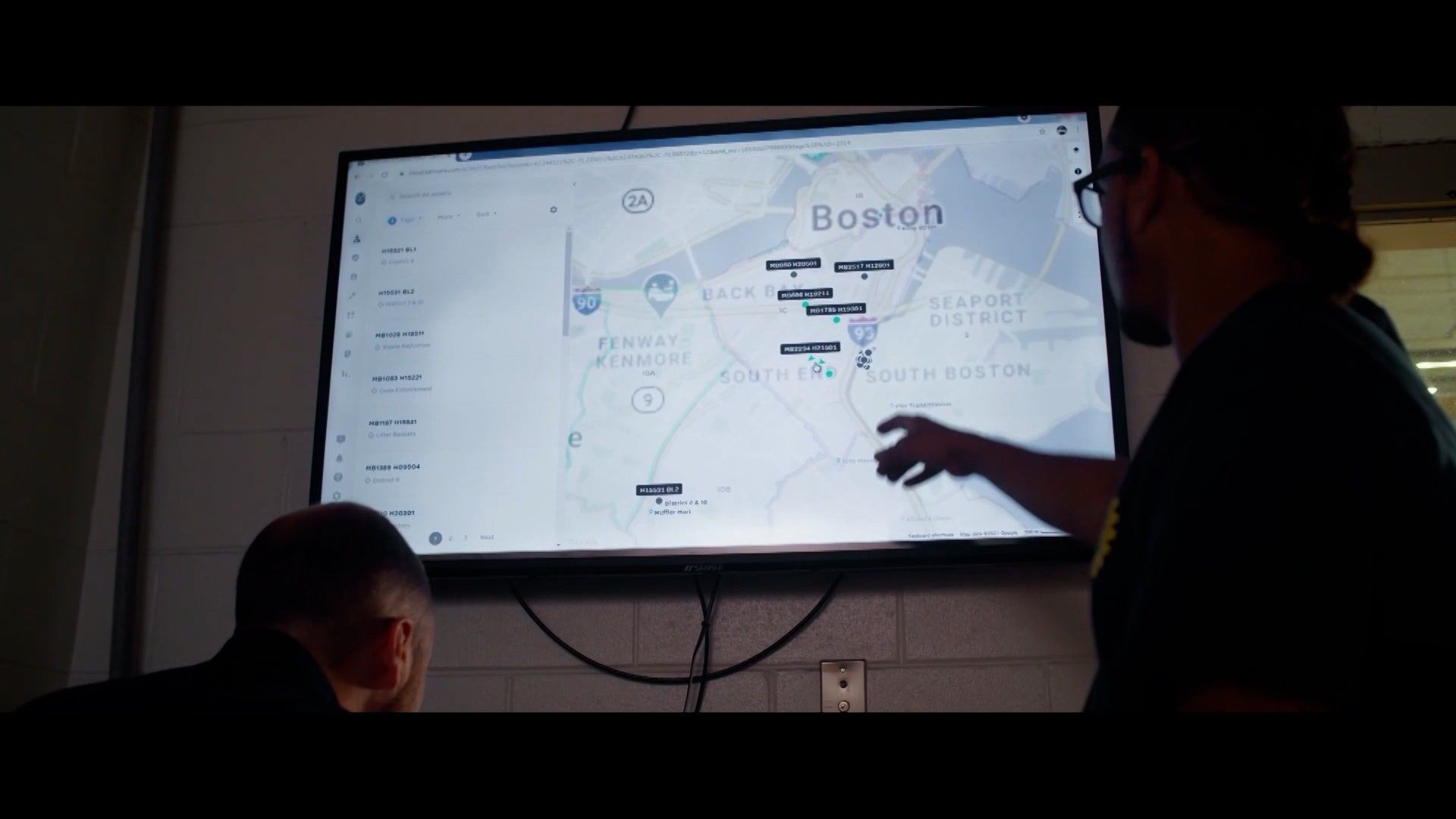
The California-based tech company specializing in enterprise cloud-based data analysis of connected internet of things (IoT) has gone public on the NYSE, and Samsara's CFO Dominic Phillips told Cheddar's Kristen Scholer that the timing was right for the public offering for the firm's next phase of growth. "We're going to continue to add to our go-to-market motion, we'll continue to build out our international presence, we'll continue to add more selling capacity specifically as we look to penetrate larger enterprise customers, and we'll look to continue to deploy money in R&D," he said.
These Maps Make Your Internet Worse
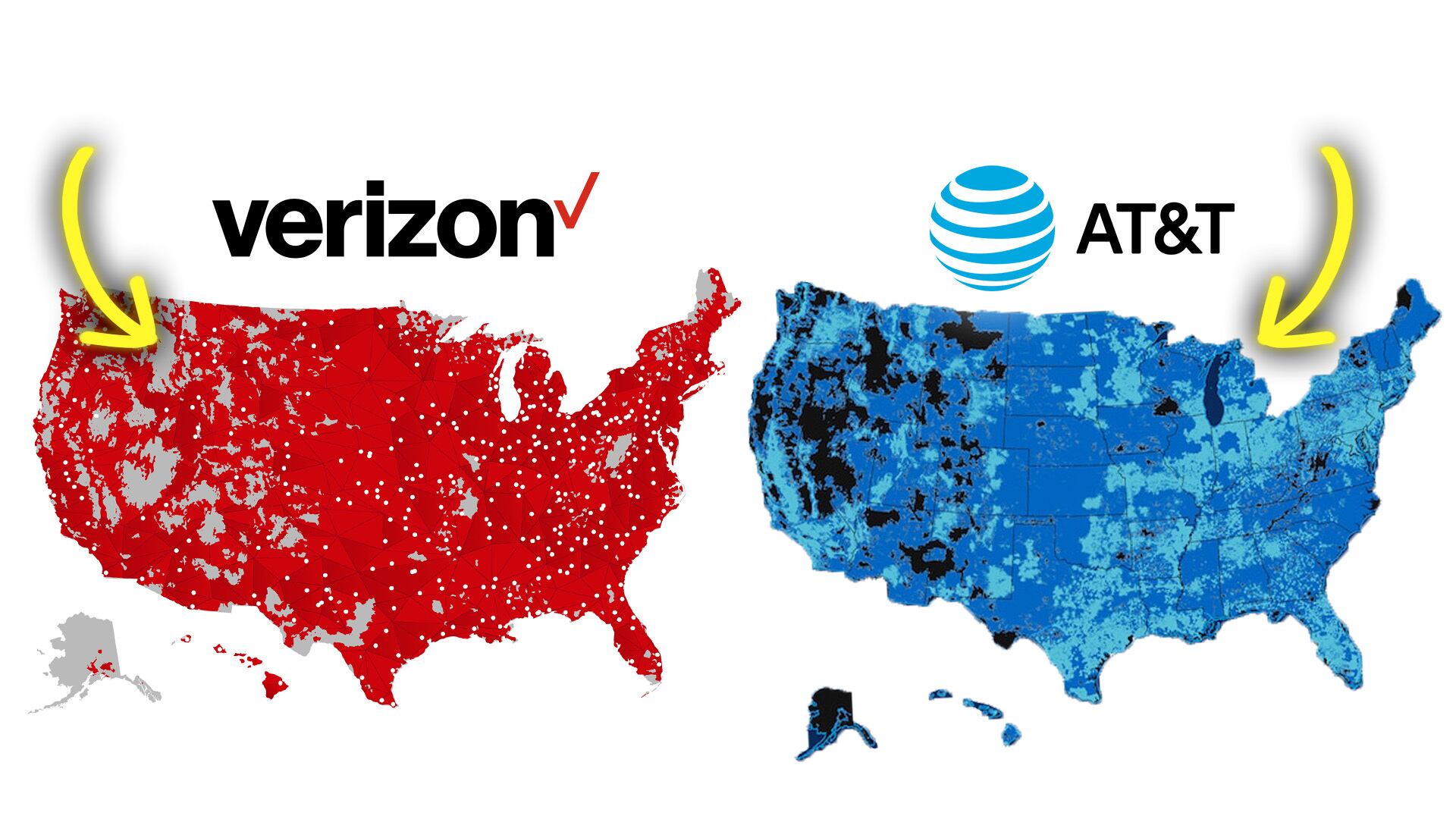
If you’ve ever struggled with a slow home internet connection or mobile data download in the United States, you’re not alone. Despite mobile and internet companies claiming to have “the best nationwide coverage,” or whatever it is they say in those ads, millions of Americans still lack access to reliable, high-speed internet. But you may be surprised to learn who the real culprit behind this ongoing issue is: flawed, overly-optimistic government maps.
Spatial Pivots Business to Become Metaverse for Cultural Events
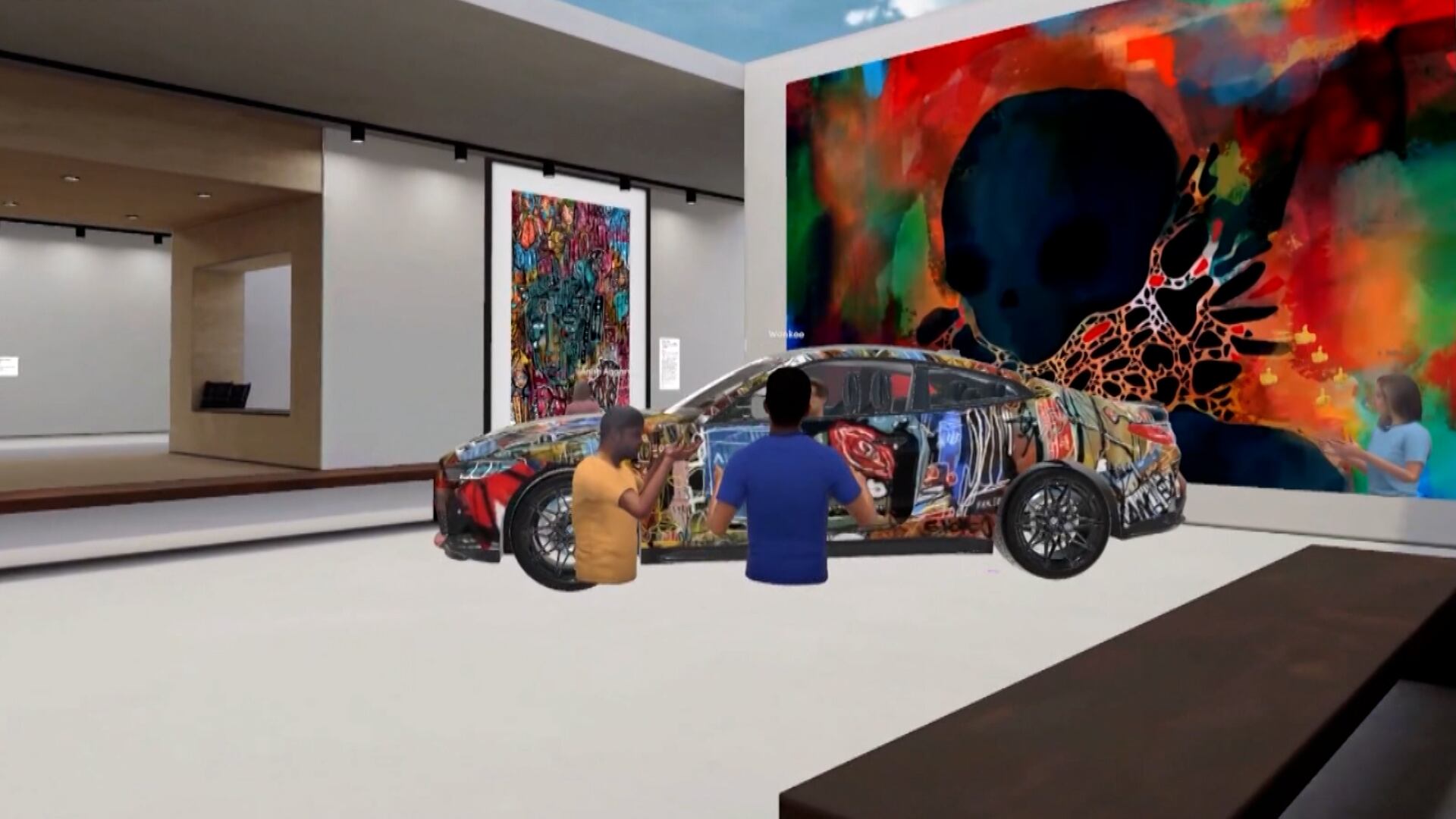
VR/AR collaboration platform Spatial is diving head first into the Metaverse. The company is switching up its image--now branding itself as 'the metaverse for cultural events,' aiming to become the new virtual hub for NFT galleries, brand experiences, and large-scale conferences. Jacob Loewenstein, Head of Business, Spatial, joined Cheddar's Opening Bell to discuss the company's pivot.
Grocery Delivery Service 'Getir' Takes the Big Apple
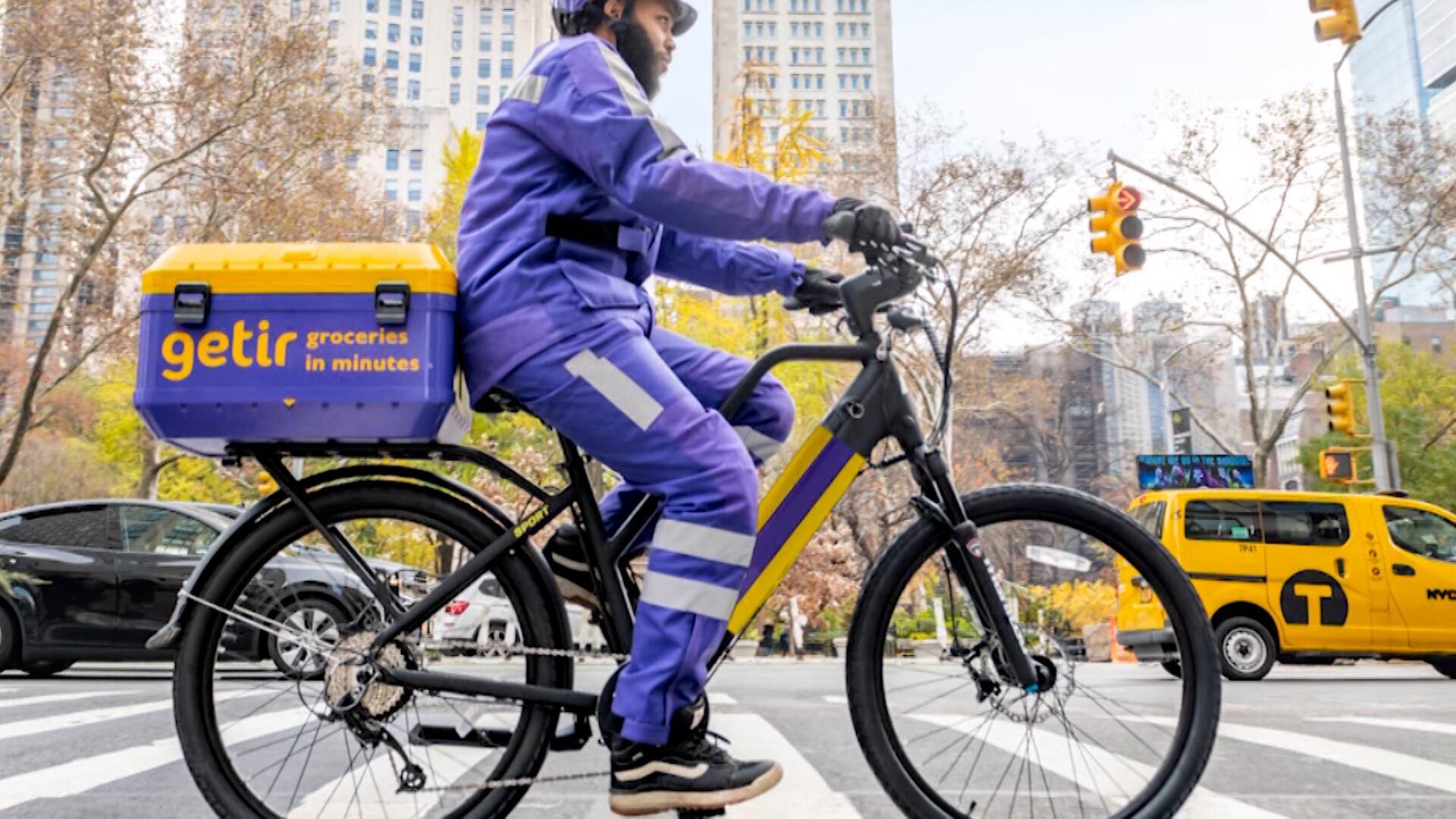
The past year has been huge for delivery services as people largely stayed home during the pandemic. Getir, an Istanbul-based company delivering goods in just 10 minutes, is officially launching in NYC. It comes as the company continues its international expansion. Nazim Salur, Founder, Getir, joined Cheddar's Opening Bell to discuss the opportunities in the new market.
Blue Origin Completes Third Commercial Space Flight
Another successful spaceflight is in the books for Jeff Bezos' Blue Origin. The company's third human spaceflight blasted off from Van Horn, TX. on Saturday, lasting about ten minutes from takeoff to landing. The crew, which included former NFL star and current GMA host Michael Strahan, traveled to the edge of space and experienced a few minutes of weightlessness before the capsule descended back to earth. Andrew Chanin, CEO of ProcureAM, joined Cheddar's Opening Bell to discuss the significance of the launch.
Supply Chain Woes Continue Ahead of Holiday Shopping Season
After nearly two years of the pandemic, U.S. consumers are ready to spend big this holiday season. However, shoppers may be faced with limited inventory as the U.S. continues to face shortages of key products and extended order backlogs. Per Hong, partner at consulting firm Kearney, joined Cheddar's Opening Bell to discuss the country's path forward.
Load More