What Military Families Want to See From the State of the Union
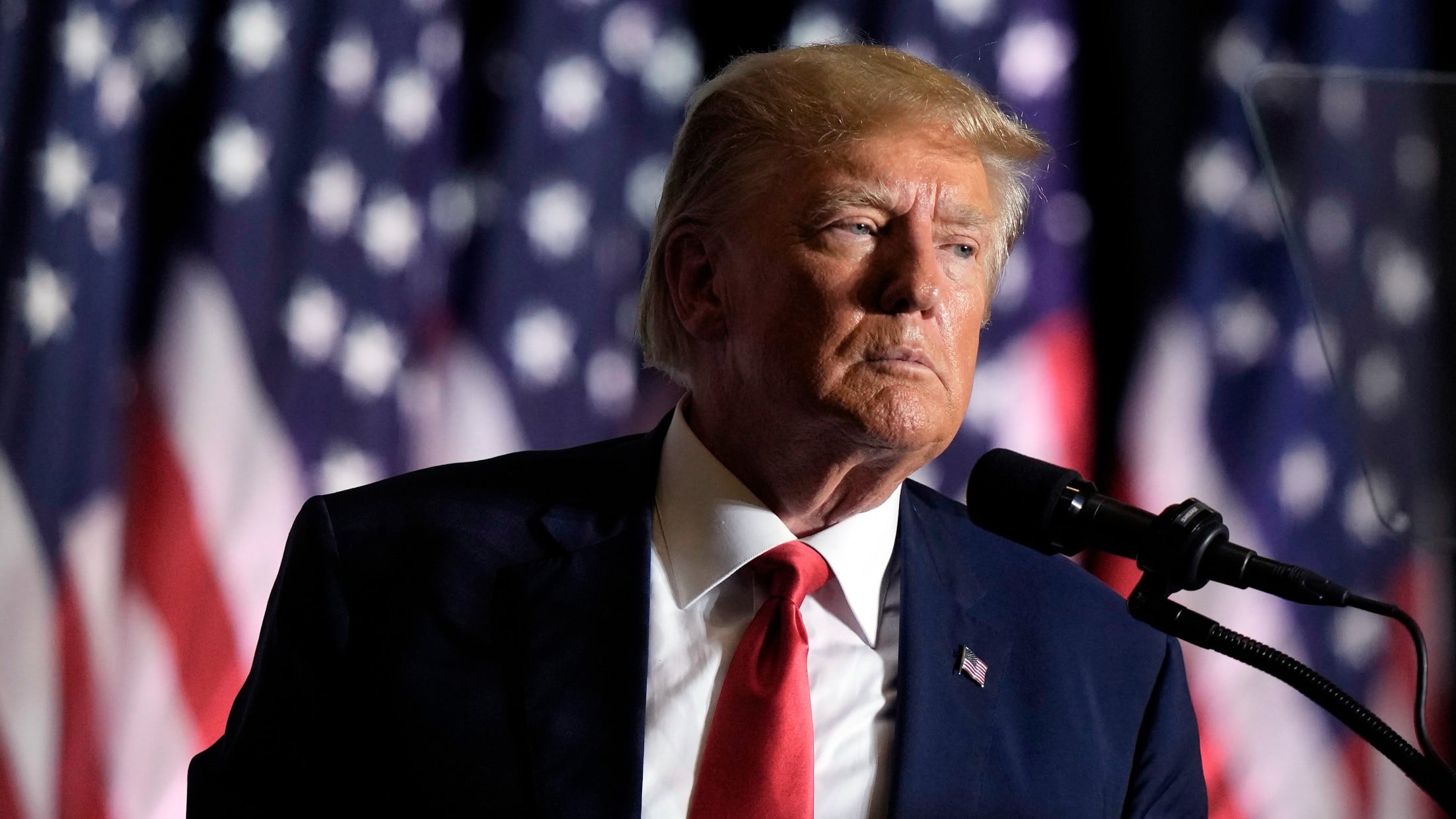
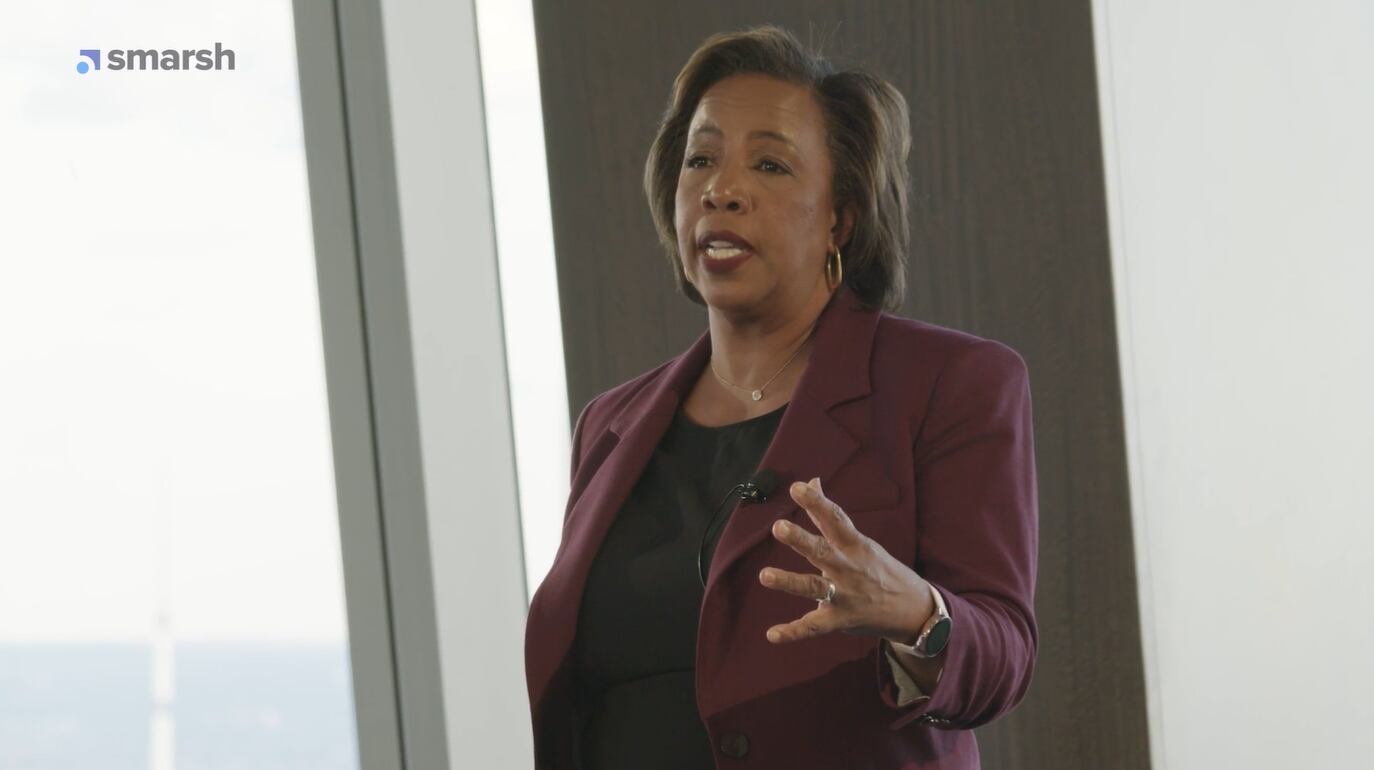
President Trump's outline for the future of the defense budget will draw attention from the millions of military families waiting to see what the agenda means for them. Blue Star Families' Kathy Roth-Douquet joins Cheddar to reveal what she says military families are looking for from the president's first State of the Union address. She discusses why she thinks issues surrounding military families have become too politicized in today's climate.
Blue Star Families just released the results of its Military Family Lifestyle survey. She explains the top findings and breaks down the most important issues facing active service members and their loved ones. Coming in at the top of the list is the concern about spending too much time away from home.
The organization aims to help military families connect and integrate with their civilian neighbors. Roth-Douquet speaks to why this is so important to spouses moving multiple times a year. The CEO and co-founder has gone through nine moves and four deployments over the past 18 years.
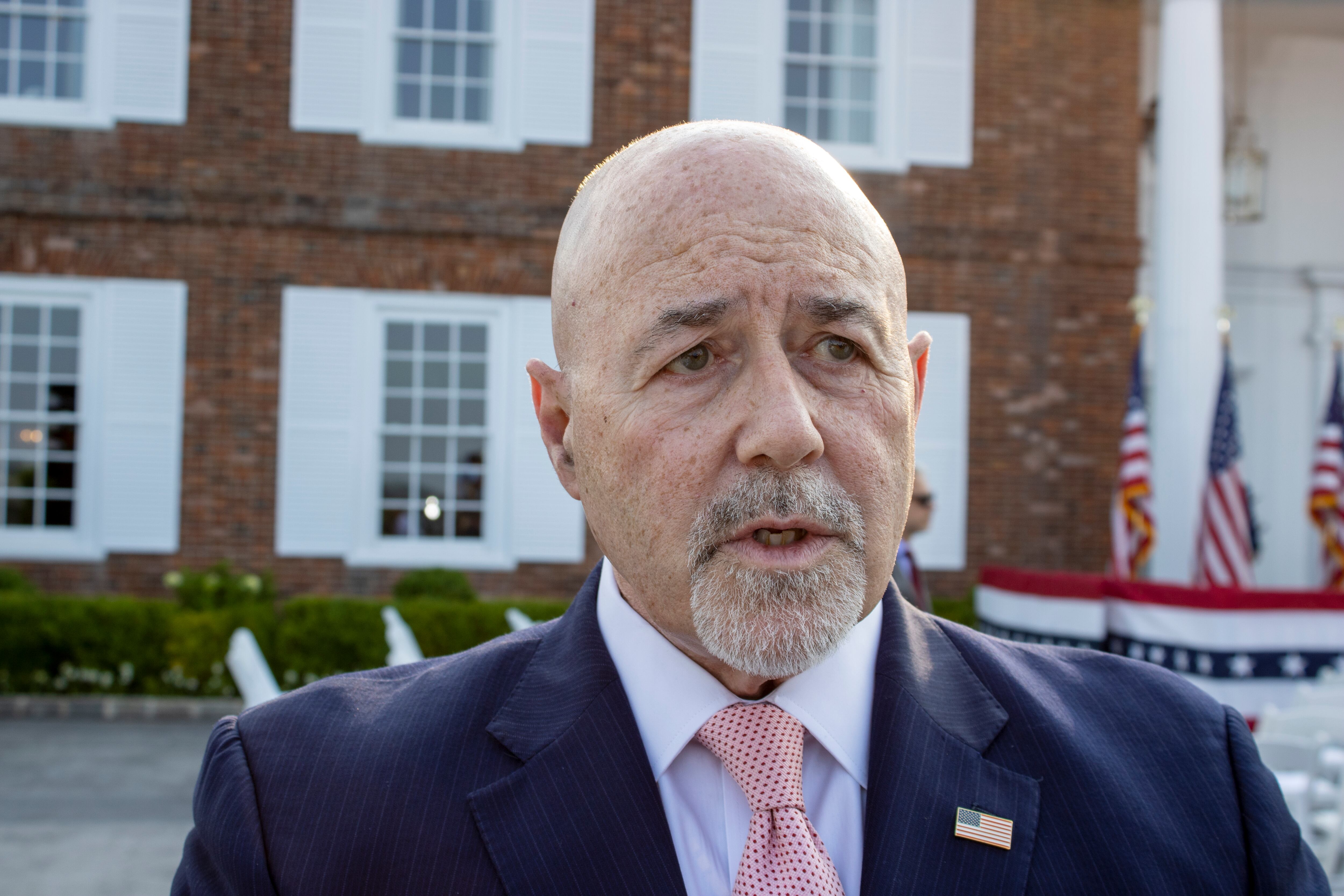
The lawyer for former NYPD commissioner Bernard Kerik turned over thousands of pages and documents to a special counsel as part of an investigation into Kerik's alleged involvement to overturn the results of the 2020 election.
Israel’s parliament on Monday approved the first major law in Prime Minister Benjamin Netanyahu’s contentious plan to overhaul the country’s justice system, triggering a new burst of mass protests and drawing accusations that he was pushing the country toward authoritarian rule.
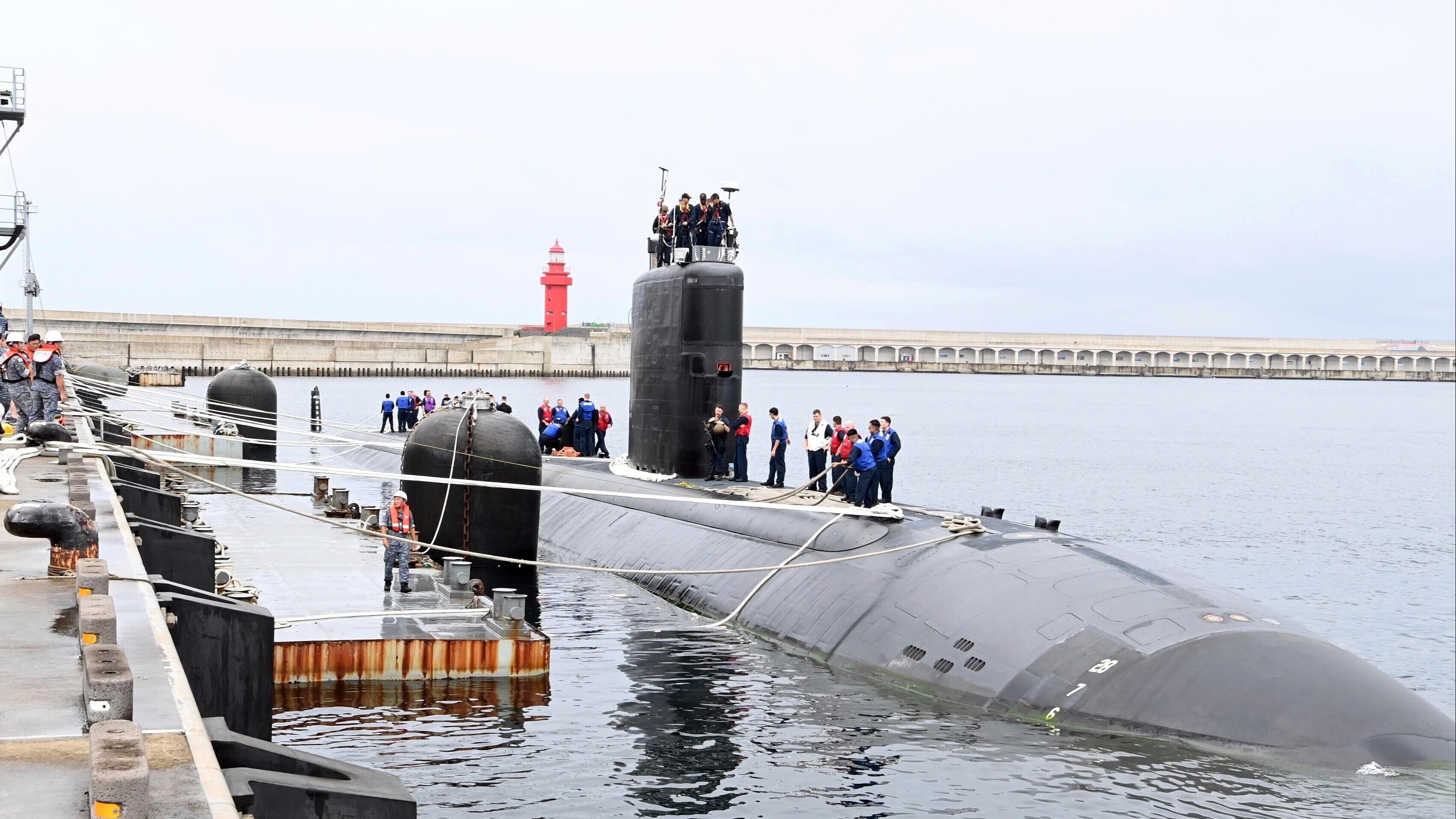
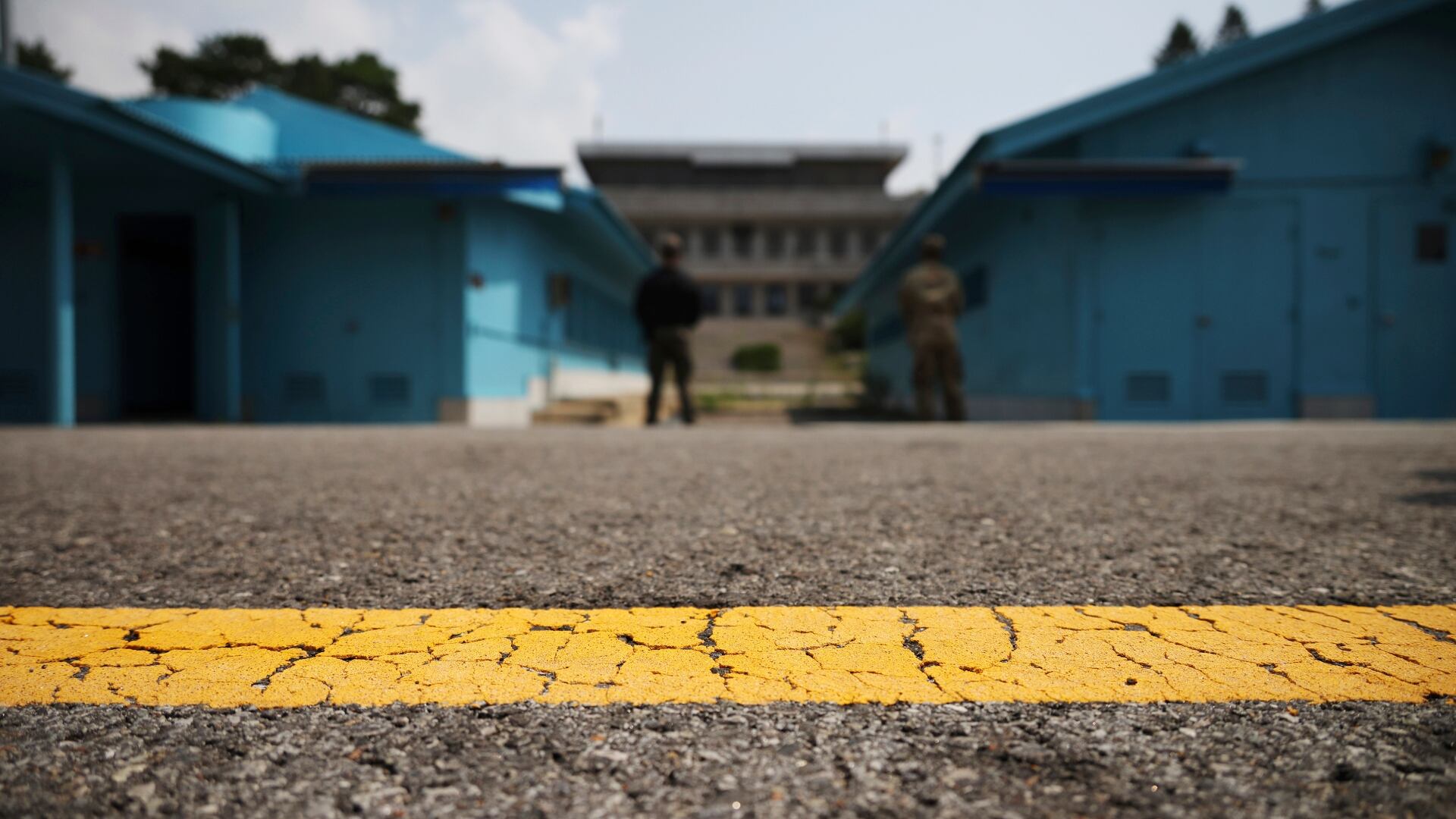
North Korea fired two short-range ballistic missiles into its eastern sea, South Korea’s military said Tuesday, adding to a recent streak in weapons testing that is apparently in protest of the U.S. sending major naval assets to South Korea in a show of force.
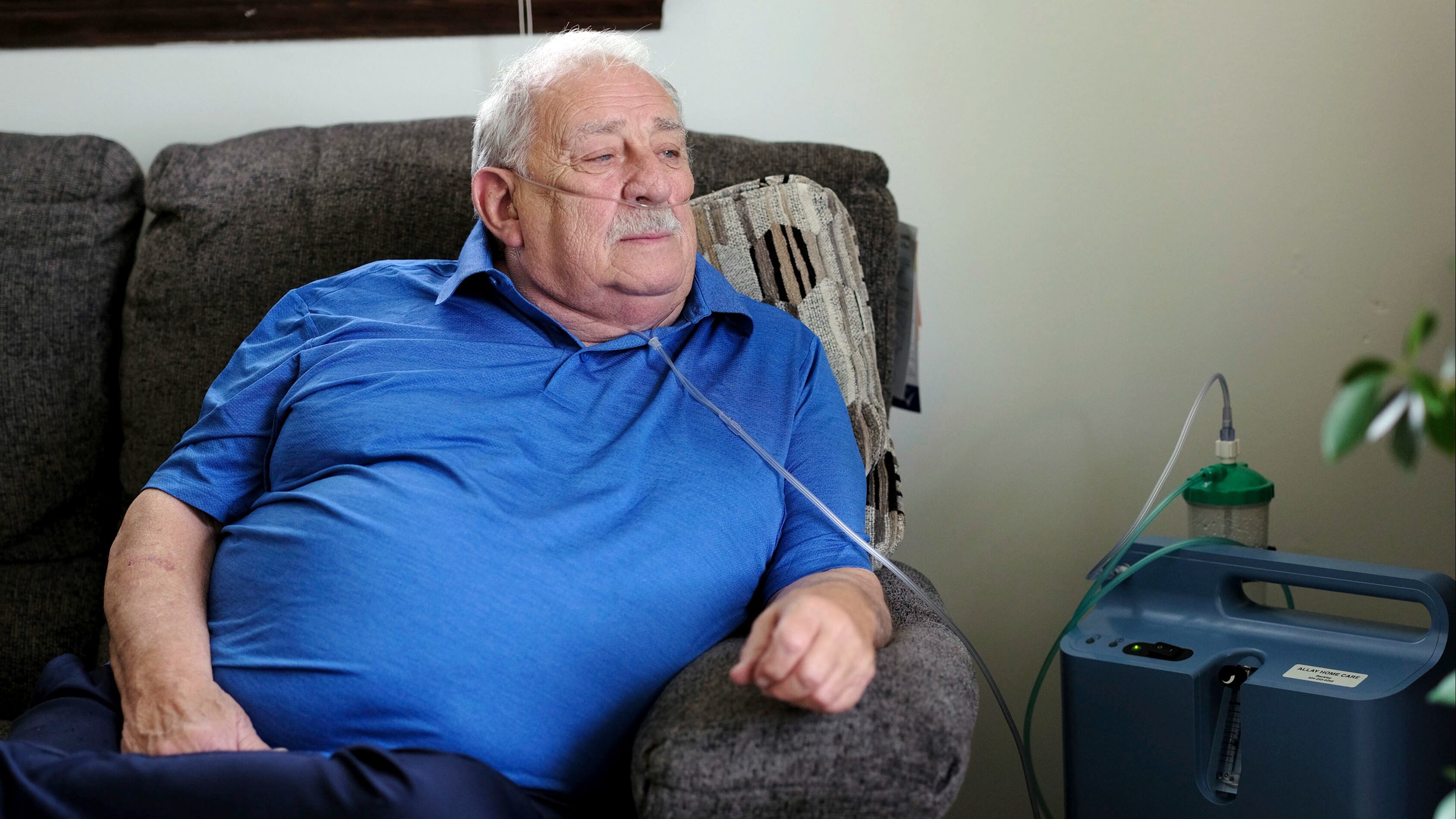
Now the federal Mine Safety and Health Administration has proposed a rule that would cut the current limit for silica exposure by half — a major victory for safety advocates. But there is skepticism and concern about the government following through after years of broken promises and delays.
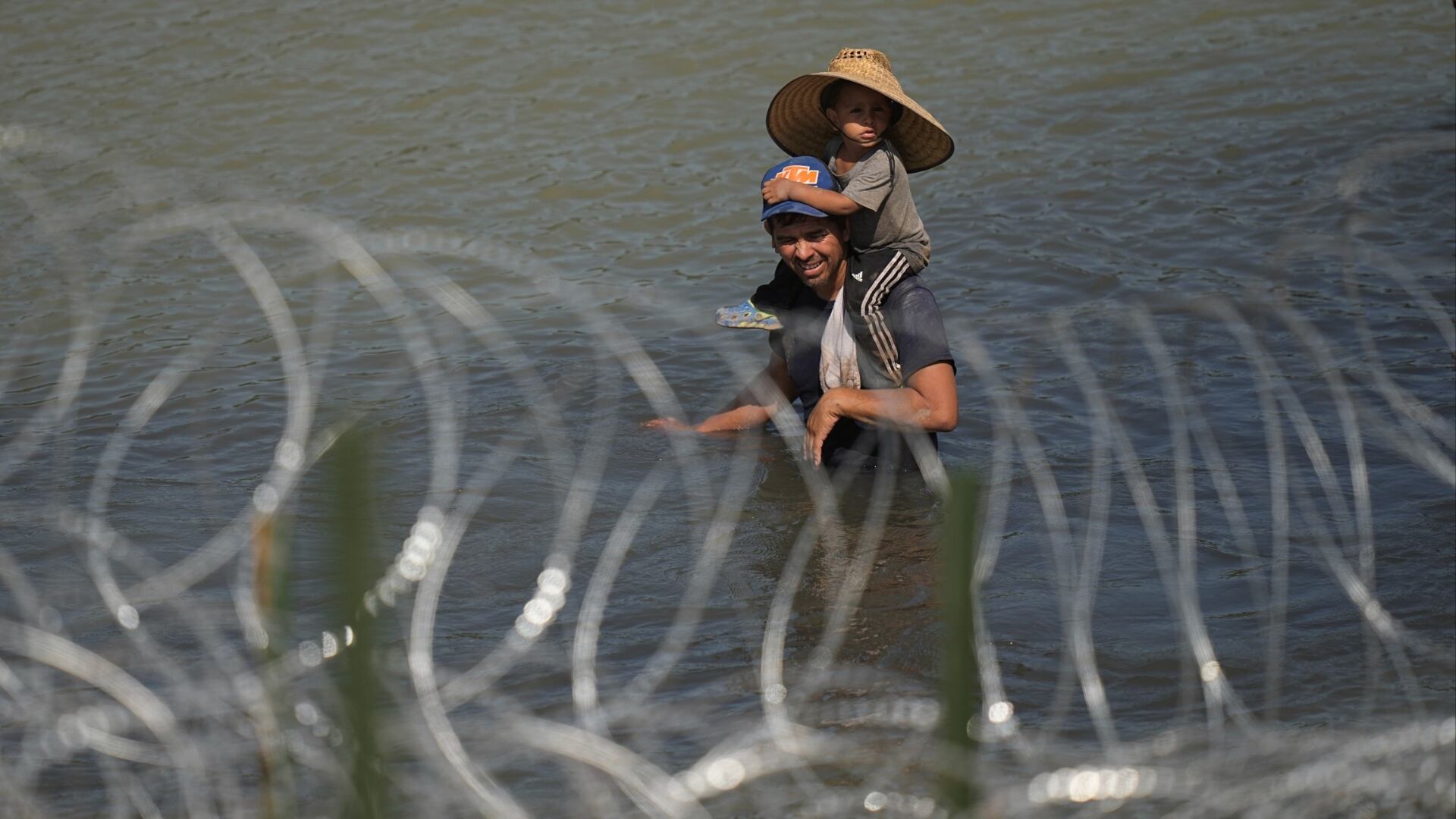
A state trooper's account of officers denying migrants water in 100-degree Fahrenheit (37.7 Celsius) temperatures and razor wire leaving asylum-seekers bloodied has prompted renewed criticism.