*By Bridgette Webb*
Microsoft is trying to turn up the heat on Slack, announcing a free version of its workplace collaboration tool Microsoft Teams on Thursday.
The company hopes the platform's ability to integrate with other Microsoft programs will give it a leg up on the industry leader.
“We have power of the full collaboration suite in there,” said Lori Wright, general manager of Microsoft 365 in an interview with Cheddar on Thursday.
Previously Teams, which was launched in 2016, was only available to those with an Office 365 subscription. The free version will include support for up to 300 people, with unlimited chat messages and search as well as integration with 140 apps. It also has a new option to blur out the background during video calls, something Wright said will "take out all of the distractions." Users will get less storage than on the paid plan, though, and won't have access to features like scheduling and recording meetings.
Slack does has its own free version, but that only allows users to search the last 10,000 messages and integrates with just 10 apps.
As of March, 200,000 businesses globally were using the paid version of Teams, less than half of the half million organizations on Slack.
Microsoft's efforts in workplace communications demonstrates the opportunity big tech companies see.
Facebook launched its own collaborative platform, Workplace, in 2016 and has reportedly signed up about 30,000 organizations. Last month the tool was made free for nonprofits and education providers.
For the full segment, [click here.](https://cheddar.com/videos/microsoft-picks-up-the-slack)
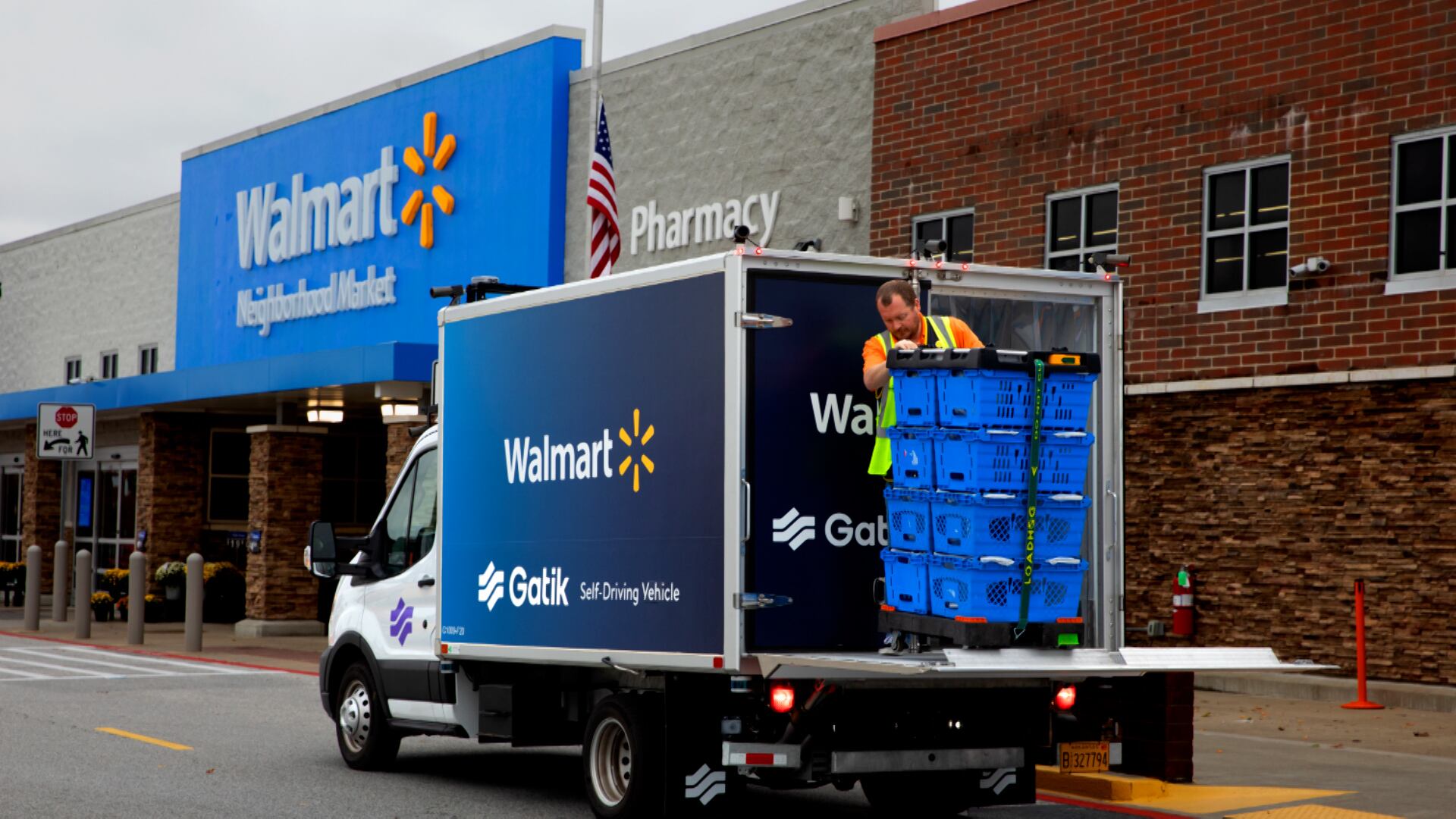
Walmart has joined forces with robotruck start-up Gatik to deploy driverless grocery delivery. We spoke to the CEO and co-founder of Gatik to discuss how the technology works and how autonomous vehicles will help ease supply chain issues.
At least 7 million customers have been impacted by a data breach on the investing app Robinhood. The specific information that was leaked varied by each customer, but Robinhood stated that hackers did not access social security numbers or banking information.
Doug Astrop, managing partner at Exponential Investment Partners, joined Cheddar to discuss Peloton's precipitous price drop, and whether the company can recover as the at-home workout trend tapers off. "They've lowered the prices on their equipment to try to attract a bigger audience because ultimately they're sort of headed to this Apple ecosystem model where they can monetize a loyal customer base," he said. Astrop noted that he believes there is a reality where the in-person gym experience and Peloton's at-home programs can co-exist.
Jill and Carlo discuss the scenes of joy at American airports as borders reopen, another tool in the Covid toolbox, the latest in the Astroworld crowd crush tragedy and more.
Amid an ongoing labor shortage, more companies are turning to automation for processes like shipping and delivery in order to relieve supply chain pressures. But what does this mean for the wider labor market - will those jobs return? How will workers fare once supply chain issues ease? Sam Lurye, CEO and Founder of automation startup Kargo, joins Cheddar News' Closing Bell to discuss the pros and cons of automation, how workers can adapt alongside new technology, and how the pandemic led to the perfect storm for the rise of automation.
Ben McMillan, CIO at IDX Digital Assets, joins Cheddar News' Closing Bell, where he explains how the recent surge by Ethereum and Bitcoin can be connected to a play against inflation.
AI chipmaker Hailo raised $136 million in its latest funds round, representing one of the largest investments ever in the AI chip space. It comes amid the ongoing global chip shortage, and a surge in demand for the company's technology, which is used to power smart cities, cars and homes, and the next generation of retail. Hailo co-founder and CEO Orr Danon joined Cheddar News' Closing Bell to discuss.