*By Bridgette Webb*
Microsoft is trying to turn up the heat on Slack, announcing a free version of its workplace collaboration tool Microsoft Teams on Thursday.
The company hopes the platform's ability to integrate with other Microsoft programs will give it a leg up on the industry leader.
“We have power of the full collaboration suite in there,” said Lori Wright, general manager of Microsoft 365 in an interview with Cheddar on Thursday.
Previously Teams, which was launched in 2016, was only available to those with an Office 365 subscription. The free version will include support for up to 300 people, with unlimited chat messages and search as well as integration with 140 apps. It also has a new option to blur out the background during video calls, something Wright said will "take out all of the distractions." Users will get less storage than on the paid plan, though, and won't have access to features like scheduling and recording meetings.
Slack does has its own free version, but that only allows users to search the last 10,000 messages and integrates with just 10 apps.
As of March, 200,000 businesses globally were using the paid version of Teams, less than half of the half million organizations on Slack.
Microsoft's efforts in workplace communications demonstrates the opportunity big tech companies see.
Facebook launched its own collaborative platform, Workplace, in 2016 and has reportedly signed up about 30,000 organizations. Last month the tool was made free for nonprofits and education providers.
For the full segment, [click here.](https://cheddar.com/videos/microsoft-picks-up-the-slack)
AdTheorent just the latest company to go public via a SPAC. The company specializes in digital advertising, using AI and machine learning as a tool to move marketing forward. AdTheorent to close its SPAC merger with MCAP Acquisition today and will trade on the Nasdaq under the ticker symbol ADTH. CEO Jim Lawson spoke with Cheddar ahead of the move.
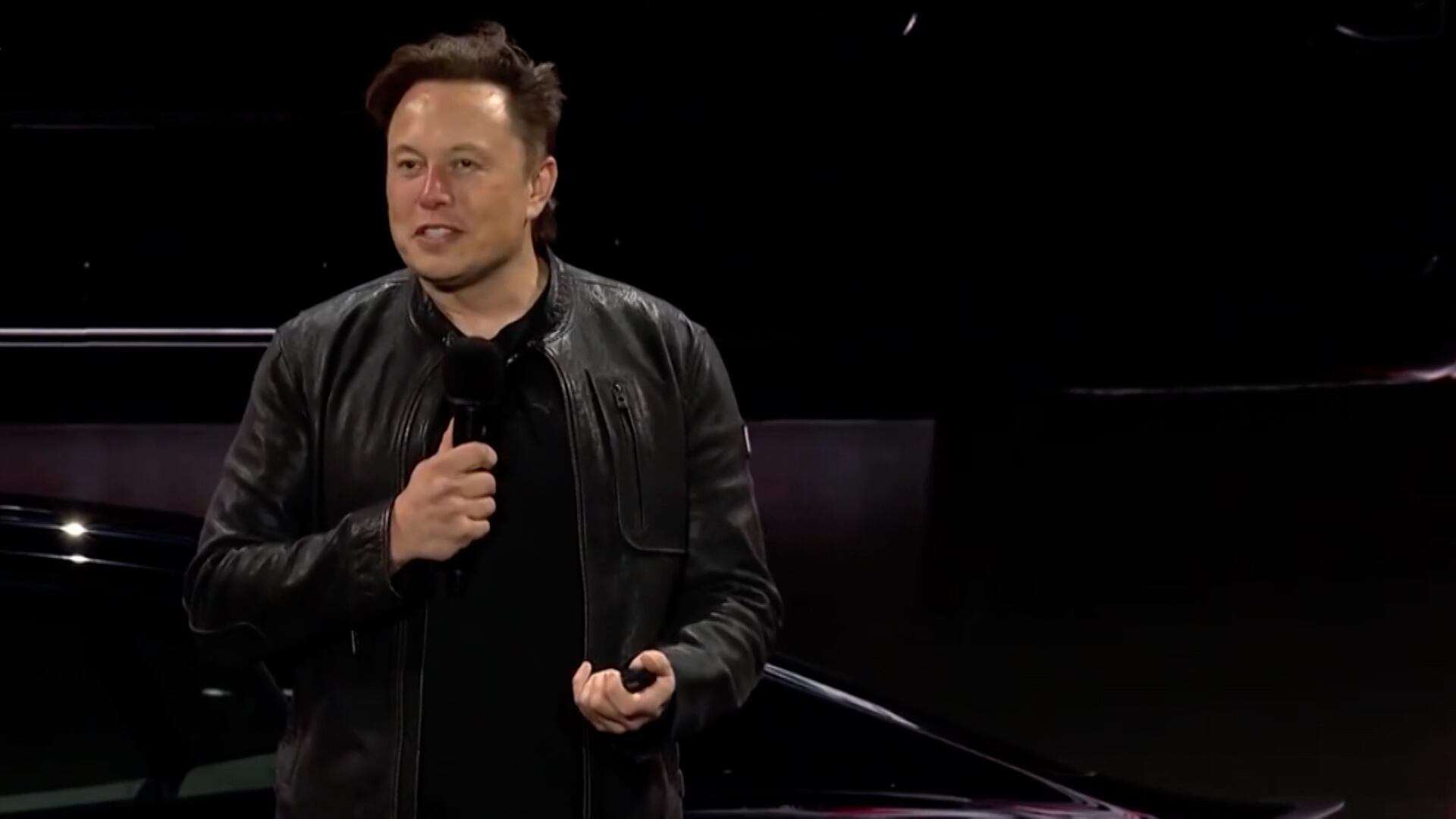
Although still early in development, blockchain technology, Web3, also known as Web 3.0 has been getting a lot of attention from some top tech names lately. Web3 is based on blockchain technology, which powers NFT’s and cryptocurrencies such as bitcoin. With Web3, users would ideally control their own data, rather than have it be controlled by a few large companies. But, Tesla CEO Elon musk isn't buying into Web3 just yet, tweeting over the weekend that the decentralized iteration of the internet seems more like a marketing "buzzword" right now than reality. Twitter co-founder Jack Dorsey also chiming in to the conversation, expressing doubt over whether or not Web3 would actually be decentralized if ownership still belonged to venture capital firms. Parker McCurley, co-founder & CEO of Decent Labs explains the significance of Web3 catching the eye of the tech giants, and what Web3 could mean for the future of the internet.
Carlo and Baker cover the heartening news on the Covid front ahead of the holiday, plus President Biden punting student loan repayments again, a new space telescope and Love, Hate, Ate: Christmas Eve Eve Edition!
This year's worldwide semiconductor shortage limited the supply of everything from new cars to smartphones; and now, many in the chip industry expect the shortage to continue deep into 2022, and maybe even 2023. Semiconductor senior research analyst for Robert W. Baird & Co., Tristan Gerra, joins Cheddar News' Closing Bell to discuss.
Pavel Bains, the Executive Producer of MixMob and CEO of Bluzelle, joins Cheddar News' Closing Bell to elaborate on an opinion piece he wrote for CoinDesk in which he compares the cultural significance of crypto to hip hop in the 1990s.