What Kathy Ireland Says Brands Are Getting Wrong About Millennials
Charlotte-based marketing and branding company Level Brands just went public on the NYSE Friday, then closed Monday at $5.41, below its opening price of $6. In the Regulation A+ IPO, Level Brands raised nearly $12 million. Kathy Ireland, Chief Brand Strategist and Chairman Emeritus at the company, says Level Brands is using the funding for brand development and expansion for companies it believes in.
Ireland says brands that struggle to reach millennials don't listen. Today, millennials are demanding transparency. As a result, the most transparent brands are the most successful according to Ireland.
In September, Level Brands licensed kathy ireland® Health & Wellness. Other Level Brand business units include Beauty & Pin-Ups, Ireland Men One, and Encore Endeavor One. Ireland says she's encouraged by the initial days of trading on the NYSE. Bringing democracy from Wall Street to main street was important to Level Brands in this IPO, says Ireland.
Skift airline reporter Meghna Maharishi breaks down how the government shutdown is hitting air traffic control—and what it means for travelers and flight safety
Aya Kantorovich, Co-CEO of August Digital, breaks down Bitcoin’s surge, crypto ETFs, institutional investment trends, and the future of safer crypto access.
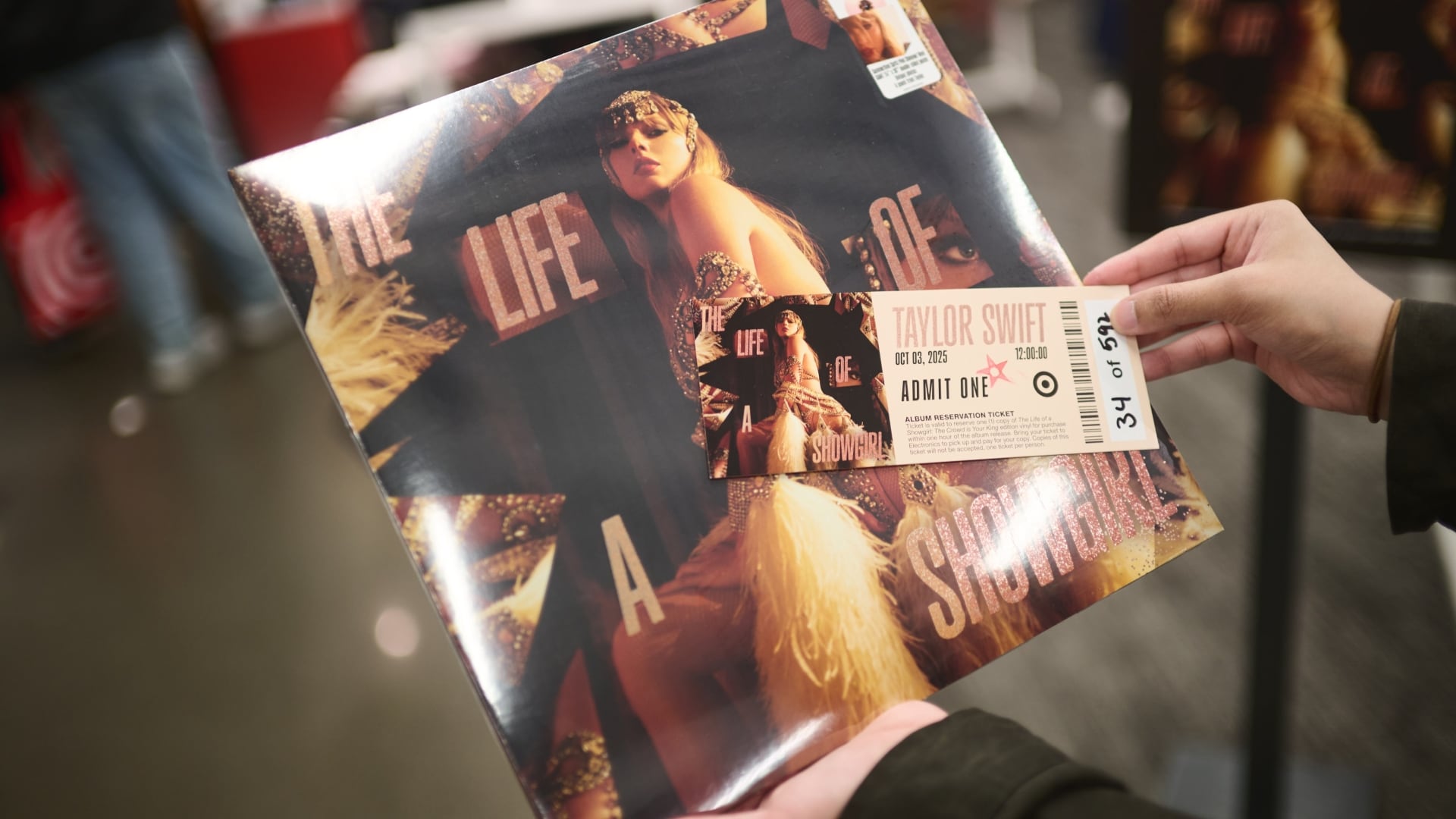
Sinead O’Sullivan breaks down Taylor Swift’s genius marketing for The Life of a Showgirl, which just set the record for most albums sold in a single week.
Markets are emerging from a turbulent Q3. Horizon’s Mike Dickson shares insights on interest rates, small caps, and where investors should look in Q4 and beyond
Bambu Ventures's Kyle Pretsch dives into Lemonaid’s $10M buyout, down from 23andMe’s $400M price tag, and what’s next after Chrome Co.’s dramatic pivot.
Grove Collaborative’s CEO shares how the company is reinventing everyday goods with sustainability at the core and working toward a plastic-free future.
Atlanta Mayor Andre Dickens shares plans for affordable housing, community-led growth, and why private and public grocery stores could be key to food equity.