Fast Company Writer and Producer John Converse Townsend got microchipped back in October 2017. He's now had the smart chip inside his body for three months and explains the capabilities and opportunity behind this new technology.
"It's been fun," says Townsend. "I do have it programmed currently to call my girlfriend." Townsend explains he can tap his phone to the chip to then make a phone call. In the future he says the chip could be used to make mobile payments.
The chip can be compared to the size of a Basmati rice grain. Townsend got the idea to test out a microchip after interviewing Wisconsin-based Three Square Market who has offered to microchip their employees.
Catriona Campbell, CTIO, UK and Ireland, EY, joins Cheddar News to discuss how business leaders can bridge the gap between their technology investments and their aspirations, and breaks down the human aspects of A.I.
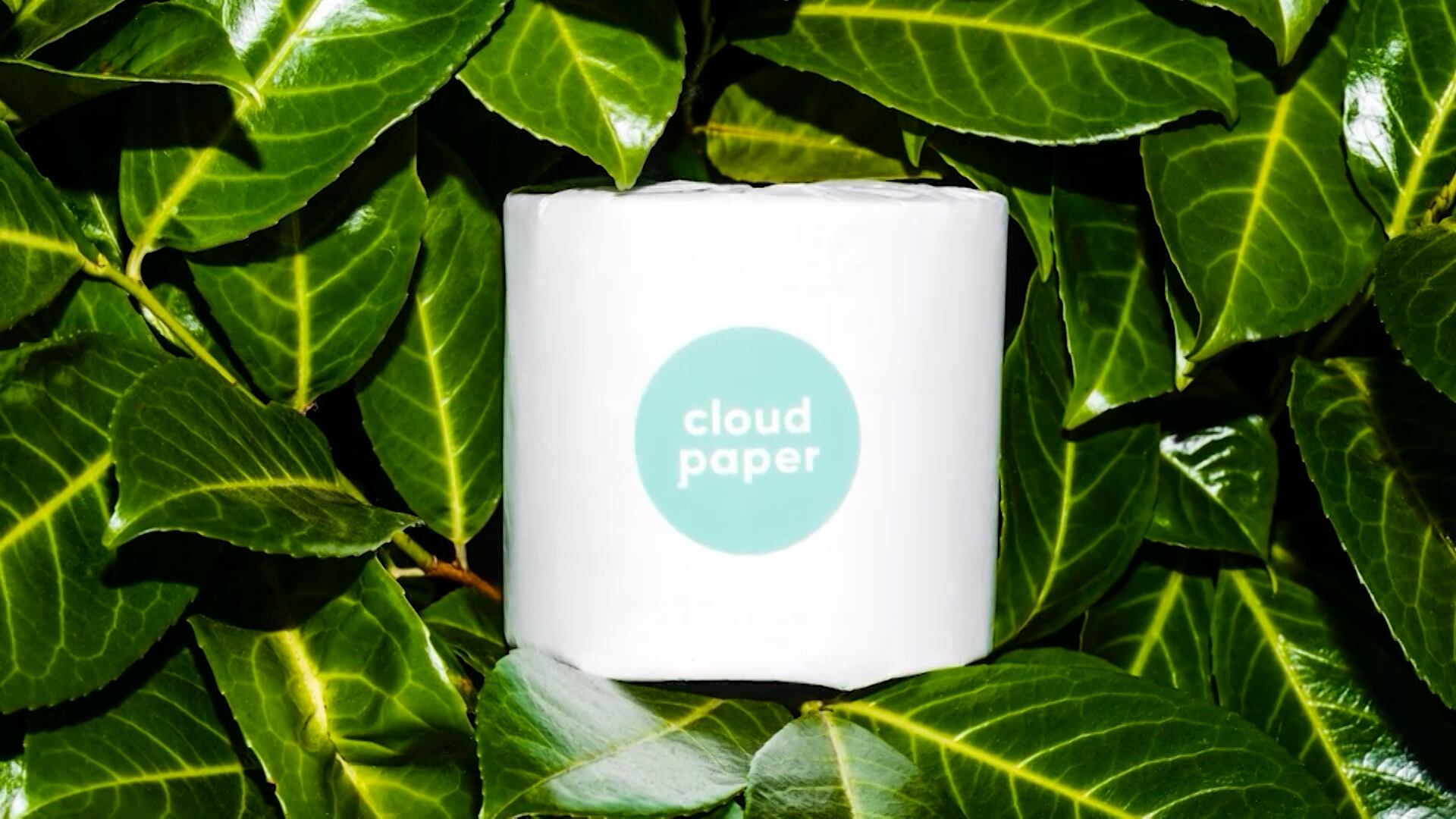
Bamboo-based toilet paper company Cloud Paper raised $5 million in a recent funding round. Its product is a bamboo-based alternative to traditional toilet paper made from trees, and its mission is to end the deforestation caused by traditional paper products. Cloud Paper says the raise will allow it to make significant investments in its supply chain, product development, and hiring. Ryan Fritsch, a co-founder of Cloud Paper, joined Cheddar News' Closing Bell to discuss.
The Biden Administration has now issued new guidelines when it comes to carbon capture. The new guidelines handed down this week encouraged the widespread use of climate attacks that traps and stores carbon emissions. The goal here is the process would help keep carbon out of the atmosphere without requiring a whole lot of change by big companies and manufacturing plants. Several scientists say that this method would be crucial to help us decrease the use of carbon emissions by the year 2050. Professor of Civil and Environmental Engineering at Stanford University, Mark Jacobson, joined Cheddar to discuss more.