*By Jacqueline Corba and Carlo Versano*
Celebrations broke out across Canada in the early hours of Wednesday morning when the country became the second ー and largest ー in the world to legalize recreational marijuana at the federal level.
The first sales took place in the easternmost parts of the nation ー St. John's, New Foundland ー shortly after midnight, with customers lining up outside retailers to get their hands on legal bud.
It marks a sea change in global policy, one many other countries will look to as they review shifting attitudes toward the drug.
"We are ready from a store perspective as well as from an e-commerce perspective," said Jean-François Bergeron, vice-president at SAQ, Québec's liquor corporation, which is overseeing the government's brand new cannabis retailer known as SQDC.
"We have inventory, we have the stock on site, we have all the points-of-sale ready to kick in."
Access to marijuana is regulated province to province in Canada. Some, like New Foundland, will open brick-and-mortar locations right away, while others, such as Ottawa, will start with online-only retail.
"People will be allowed to purchase it through the mail first, then we will have dispensaries or shops people will be able to go to next April," Riley Brockington, City Councillor for Ottawa's River Ward, told Cheddar.
But he knows legalization is as much about regulation and taxation as it is about acceptance of marijuana.
"I don't condone drug use," said Brockington. "I live in reality ー there is a fairly moderate demand for cannabis, and what the federal government is trying to do is basically undercut or undermine the black market by making it legal."
Meanwhile, Québec will open 12 physical shops through the SQDC. Cheddar visited one of those stores in Montreal one day before legalization and found it to be organized and easy-to-understand from a customer perspective.
"You have to realize that our mission is not to make a profit," said SAQ's Bergeron, the Québec retail representative.
"Our mission is a social mission."
Bergeron said any revenue from sales will go back into funding public education, addiction programs, and safety. Québec also expects to capture 30 percent of the black market sales in the first year and will offer cannabis at the most competitive prices compared to other provinces, according to Bergeron.
David Stryzewski, CEO of Sound Planning Group, joins Cheddar News' Closing Bell, where he says that rate hikes are driving the market right now and outlines what must be in place for a stock rally.
Andrew Arons, Founder and Partner at Synergy Advisory Management Group, joins Cheddar News' Closing Bell, where he breaks down Tuesday's market action and provides his insight on Snap's historic slide after the comments made by CEO Evan Spiegel.
Peter Andersen, CIO at Andersen Capital Management, joins Cheddar News' Closing Bell, where he breaks down Monday's trading action and discusses whether this could be the start of a new rally or a blip in an otherwise disappointing stretch.
The crypto industry is still reeling from Terra's recent crash. The company's blockchain was temporarily halted earlier this month after the collapse of its cryptocurrency Luna (LUNA) and its stablecoin TerraUSD (UST), which led to almost $45 billion being wiped from the tokens' market caps within a week. Now, many are left wondering what Terra's struggles mean for the broader crypto market. Reeve Collins, CEO of the NFT platform BLOCKv, joins Cheddar News' Closing Bell from Davos 2022 to discuss.
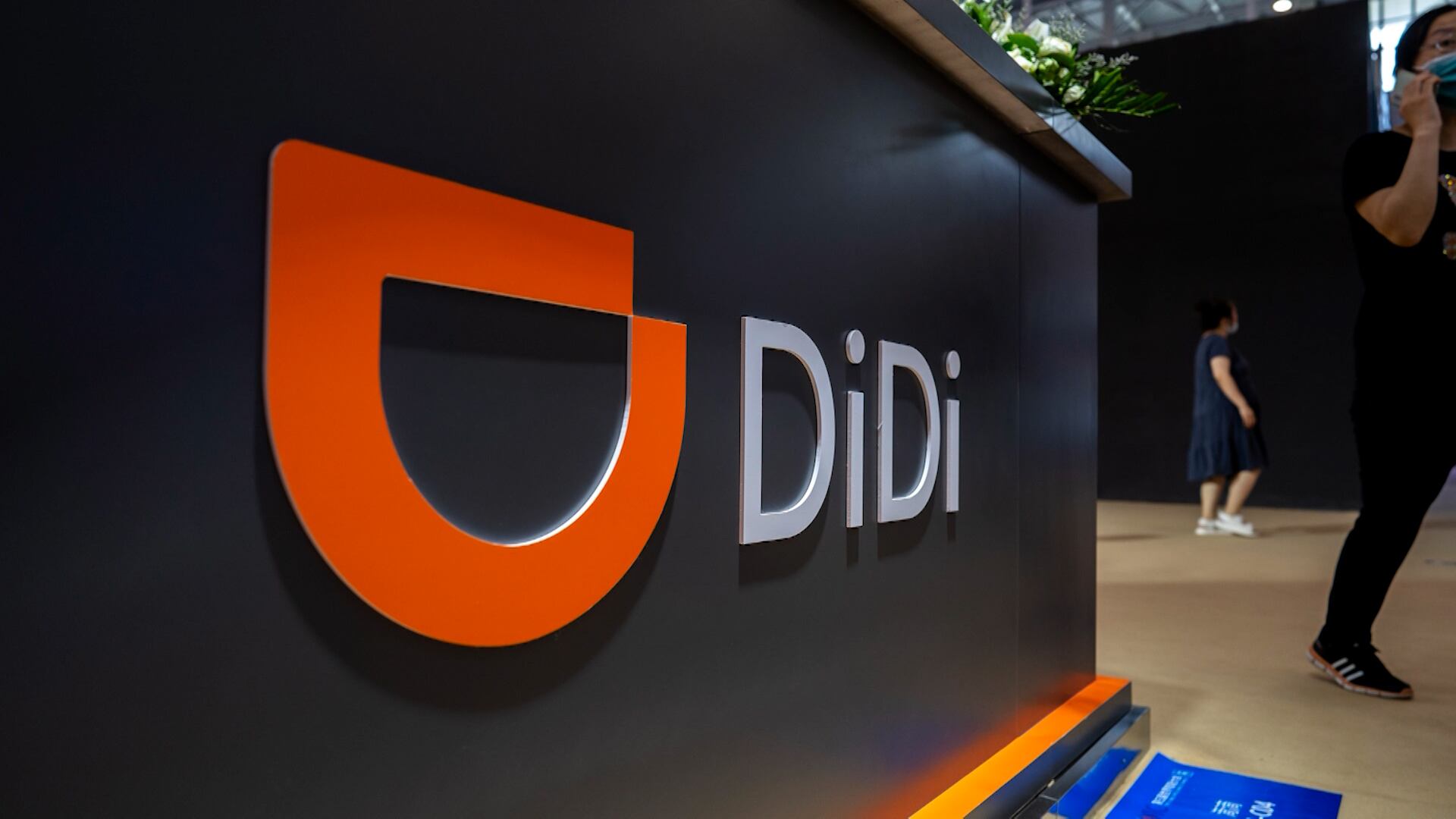
China's largest ride-hailing company will no longer be listed on the world's largest stock exchange. Didi shareholders voted on Monday to delist from the New York Stock Exchange, less than a year after launching a $4.4 billion IPO with the most significant U.S. share offering by a Chinese company since Alibaba debuted in 2014. Since going public in June of last year, around $70 billion has been wiped from Didi's market value and shares of the company have dropped nearly 90%. Now, Didi is expected to begin preparations to list in Hong Kong. Kevin T. Carter, founder and Chief Investment Officer of EMQQ Global, joins Cheddar News' Closing Bell to discuss.
Ahead of the Meta shareholder meeting, more than five hundred doctors have jointly sent a letter to investors to hold the Facebook parent accountable for the risks its platforms have posed to the public and mental health. Dr. Rob Davidson, a West Michigan ER physician and executive director of the Committee to Protect Health Care, joined Cheddar News to discuss how medical professionals are coming together to highlight the social media giant's spread of misinformation, especially during the pandemic. "We've seen the direct impacts of misinformation and disinformation that spreads like wildfire on the social media platforms," he said. "Our goal with this letter is to try to get the shareholders of Meta to convince leadership that they need to do a better job."
Snap downgraded its earnings and revenue expectations for the second quarter, saying the "macroeconomic environment" has deteriorated faster than the company anticipated. The warning sent shockwaves through the digital ad industry, dragging down a handful of other tech stocks, including Pinterest, Meta, and Twitter. Daniel Cobb, CEO and Chief Strategy Officer of Daniel Brian Advertising, joined Cheddar to discuss the reason behind this warning, and why it's bringing so many social media stocks down.
Pamela Rucker, CIO Advisor and Instructor for Harvard Professional Development, joins Cheddar to discuss how perceptions of Environmental, Social, and Governance–or ESG–changed over the past couple of years, and how using machine learning and artificial intelligence could pave the way to a more sustainable future.