*By Jacqueline Corba and Carlo Versano*
Celebrations broke out across Canada in the early hours of Wednesday morning when the country became the second ー and largest ー in the world to legalize recreational marijuana at the federal level.
The first sales took place in the easternmost parts of the nation ー St. John's, New Foundland ー shortly after midnight, with customers lining up outside retailers to get their hands on legal bud.
It marks a sea change in global policy, one many other countries will look to as they review shifting attitudes toward the drug.
"We are ready from a store perspective as well as from an e-commerce perspective," said Jean-François Bergeron, vice-president at SAQ, Québec's liquor corporation, which is overseeing the government's brand new cannabis retailer known as SQDC.
"We have inventory, we have the stock on site, we have all the points-of-sale ready to kick in."
Access to marijuana is regulated province to province in Canada. Some, like New Foundland, will open brick-and-mortar locations right away, while others, such as Ottawa, will start with online-only retail.
"People will be allowed to purchase it through the mail first, then we will have dispensaries or shops people will be able to go to next April," Riley Brockington, City Councillor for Ottawa's River Ward, told Cheddar.
But he knows legalization is as much about regulation and taxation as it is about acceptance of marijuana.
"I don't condone drug use," said Brockington. "I live in reality ー there is a fairly moderate demand for cannabis, and what the federal government is trying to do is basically undercut or undermine the black market by making it legal."
Meanwhile, Québec will open 12 physical shops through the SQDC. Cheddar visited one of those stores in Montreal one day before legalization and found it to be organized and easy-to-understand from a customer perspective.
"You have to realize that our mission is not to make a profit," said SAQ's Bergeron, the Québec retail representative.
"Our mission is a social mission."
Bergeron said any revenue from sales will go back into funding public education, addiction programs, and safety. Québec also expects to capture 30 percent of the black market sales in the first year and will offer cannabis at the most competitive prices compared to other provinces, according to Bergeron.
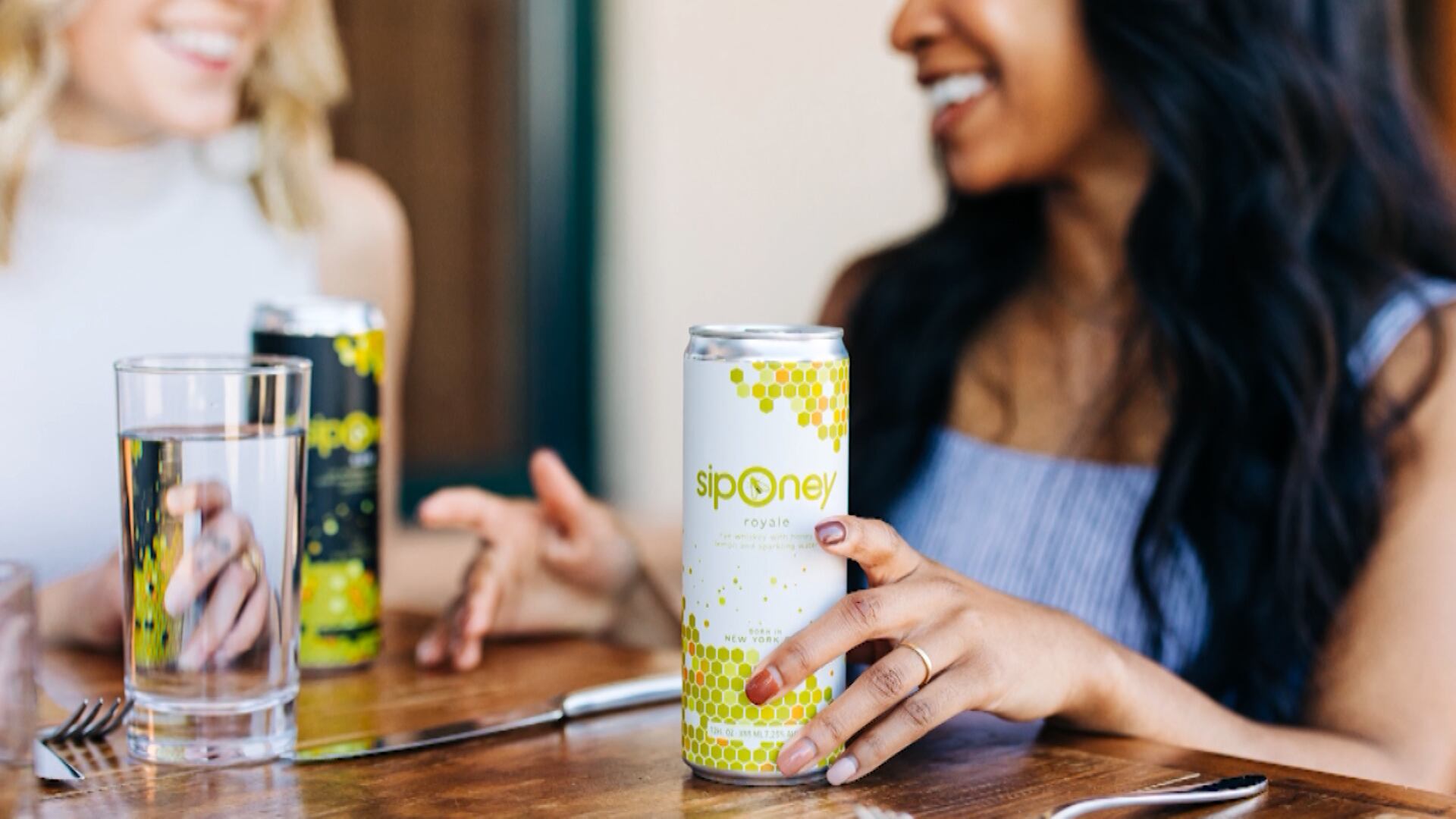
Amanda Victoria, co-founder and CEO of Siponey, joins Cheddar News to talk about the company's canned cocktails. The spritz is made with only four ingredients — wildflower honey, aged rye whiskey, sparkling water, and fresh lemon juice.
Officials and power operators are bracing the public for blackouts caused by higher-than-average temperatures this summer. Utility officials in California and Arizona are warning of potential interruptions this summer due to the strain on energy supplies. Heat waves and drought conditions weaken power grids and available electricity reserves. This also makes hydroelectric power less reliable and raises the risk of wildfires.
Cisco DeVries, CEO of OhmConnect, joins Cheddar News to discuss.
The markets opened lower on Thursday as investors hold their breath ahead of the May consumer price index, which will give investors a better picture of the state of inflation in the United States. Michele Schneider, a partner and the director of trading research and education for MarketGauge.com, joined Cheddar to discuss. "If the CPI read is softer than what's expected, we actually might get a rally," she said. "If it's more than expected, then I think it will spook the market."
With real estate being a largely male-dominated industry, Stephanie Shojaee, vice president and chief marketing officer at development company Shoma Group, joined Cheddar News to discuss how she took on the gender gap for women to achieve leadership roles, starting at her own company. “It's been very important to teach all the women that work here, especially the younger ones, that they shouldn't change themselves," she said. "You need to be happy with who you are and just keep breaking barriers."
We are already starting to feel the effects of summer. Heat waves in Texas and California are already sending temperatures soaring. That could spell trouble for the nation's power supply. there are new concerns about outages in many areas of the country. Cheddar's Shannon Lanier explains the two main causes of blackouts, and what states are doing to keep the lights on and the air conditioning running.
Pinterest is making a big move as it pushes further into online shopping. The image-focused social media site is acquiring A.I.-powered shopping platform THE YES as it focuses on enhancing the user shopping experience. THE YES's technology gives users a personalized feed of products based on their preferences, and Pinterest is banking on the tech to give it an advantage among other social media apps with built-in shopping features. Julie Bornstein, founder and CEO of THE YES, joins Closing Bell to discuss the company's unique technology, why it agreed to sell to Pinterest, her vision as she takes over shopping initiatives, and more.