The Environmental Protection Agency has proposed a new plan to lower the cap on the amount of harmful "forever chemicals" allowed in drinking water across the country.
The chemicals, introduced to consumers in the 1940s, were used in nonstick pans, firefighting foam, food packaging and a number of other everyday products. Known as PFAS (per- and polyfluoroalkyl substances), the chemicals have been linked to a number of serious health risks including for various cancers, reproductive issues, and low birth weight.
A bombshell class action suit filed in 2001 against chemical manufacturing company DuPont revealed that the company knew PFAS were hazardous and worked to conceal the fact from its own workers, local communities, and environmental officials.
"The science is clear that long-term exposure to PFAS is linked to significant health risks," Radhika Fox, assistant EPA administrator for water, told the Associated Press.
PFAS used to create teflon and non-stick appliances have since been taken off the market, but after decades of use and production, companies have utilized new PFAS that are no safer, according to the advocacy organization Environmental Working Group. The org states that people continue to be exposed to the harmful chemicals through avenues other than water consumption, including from stain-resistant furniture and carpets, packaging for baked goods and clothes that are labeled stain or water-repellent.
Yelling that the future and their lives depend on ending fossil fuels, tens of thousands of protesters on Sunday kicked off a week where leaders will try once again to curb climate change primarily caused by coal, oil and natural gas.
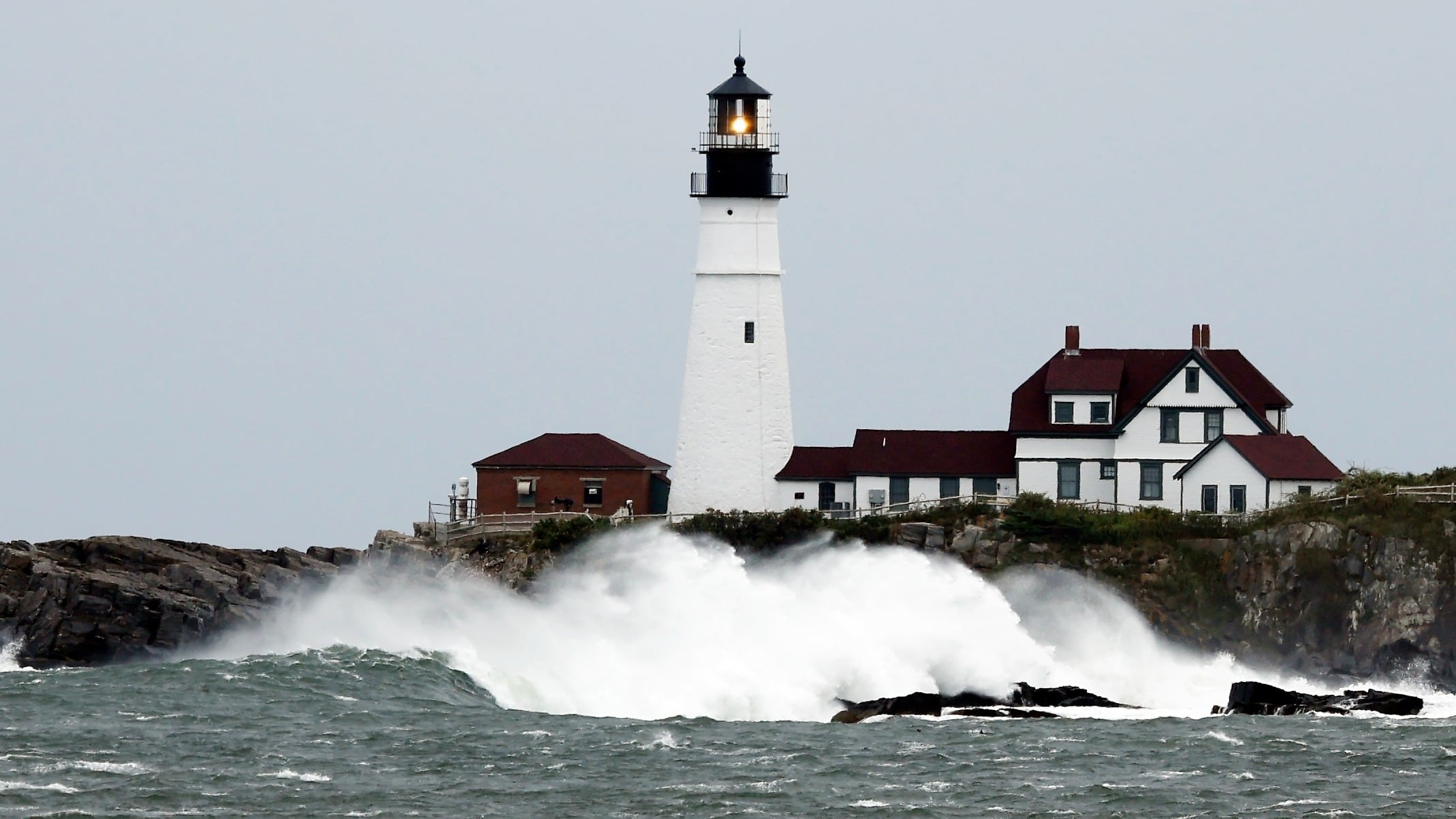
Atlantic storm Lee — which made landfall at near-hurricane strength, bringing destructive winds and torrential rains to New England and Maritime Canada — kept weakening Sunday after officials withdrew warnings and predicted the storm would disappear early this week.
NASA said Thursday that the study of UFOs will require new scientific techniques, including advanced satellites as well as a shift in how unidentified flying objects are perceived.
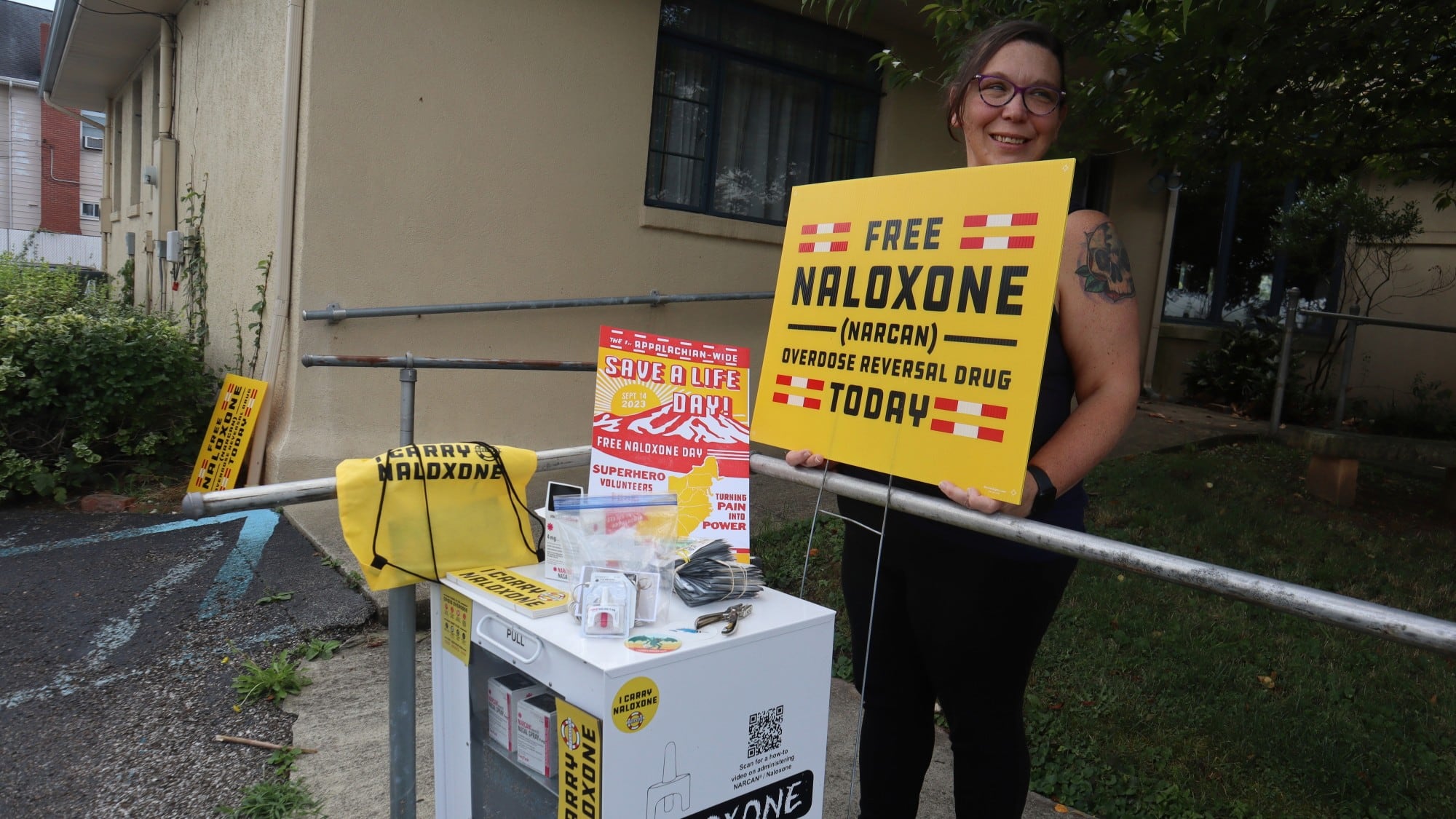
An effort to destigmatize the use of overdose reversal drugs that started as a pilot in two West Virginia counties has expanded to all thirteen states in Appalachia this year.
States and Native American tribes will have greater authority to block energy projects such as natural gas pipelines that could pollute rivers and streams under a final rule issued Thursday by the Biden administration.