What iPhone Designer Tony Fadell Thinks Apple Should Do About Tech Addiction
They say the first step to overcoming addiction is acknowledging the problem, but what if your addiction is to technology?
IPhone designer and Nest founder Tony Fadell told Cheddar people need tools to understand how they use their devices.
“Today we do not have the information at our fingertips to allow us to see what our digital life looks like,” he said. “All of these companies have a measurement of our digital life. They know how much time we spend in each of these apps.”
“Apple and Google create these platforms, and they are in the perfect position to give us this data this back to us, and blend it with our physical data.”
Fadell’s comments follow calls from two major Apple investors that the tech giant do more to combat smartphone addiction among children. Jana Partners and California’s teachers’ retirement fund wrote letter to the company over the weekend, saying overuse of the devices has lead to lack of concentration in classrooms.
Fadell argues, though, that the issue is not exclusive to children.
“We have to think broader,” he said. “When it comes to our family, we have tech-free Sundays, where the parents and the kids are not on technology, where we’re together as a family.”
For the full interview [click here](https://cheddar.com/videos/apple-ipod-co-inventor-tony-fadell-on-combating-addictive-quality-of-technology).
Software company Akeneo CEO Fred De Gombert joined Closing Bell to discuss its recently closed Series D funding round raising $135 million in its quest to redefine product information management. De Gombert said the company is set out to improve the product information category by harnessing the power of data, which comes at a time where customer behavior has shifted in the pandemic era. "We are more and more demanding as consumers when we are shopping online or even offline. We are looking for more and more information," De Gombert said.
Bioscience and genetic engineering company, Colossal, raised $60 million in a Series A funding round. Colossal is focused on developing new technologies and genetic tools to restore extinct species, and protect critically endangered species. One of the startup's long-term goals is to resurrect the woolly mammoth, and return it back to the arctic. Colossal also says it is developing technology that expands beyond animals, and has the potential to advance human health. Ben Lamm, co-founder and CEO of Colossal, joins Cheddar News' Closing Bell to discuss.
Nate Morris, Chairman and CEO of Rubicon, joins Cheddar Innovates to discuss how the company is creating a digital marketplace for waste and recycling, and how technology and sustainability will go hand in hand in the future.
Amazon has closed its $8.5 billion acquisition of Hollywood studio MGM, two days after European regulators said the deal “would not significantly reduce competition” in European markets.
James Coddington, CEO of SkillsVR, joins Cheddar Innovates to discuss how virtual reality is being used to train frontline workers to deal with difficult customers, and how this technology is being applied to diversity training.
What you Need to Know on Thursday, March 17. Updates from Ukraine, President Biden refers to Putin as a ‘war criminal’ for the first time, Walmart has ambitious hiring targets for Q1, and Netflix takes steps to crack down on password sharing.
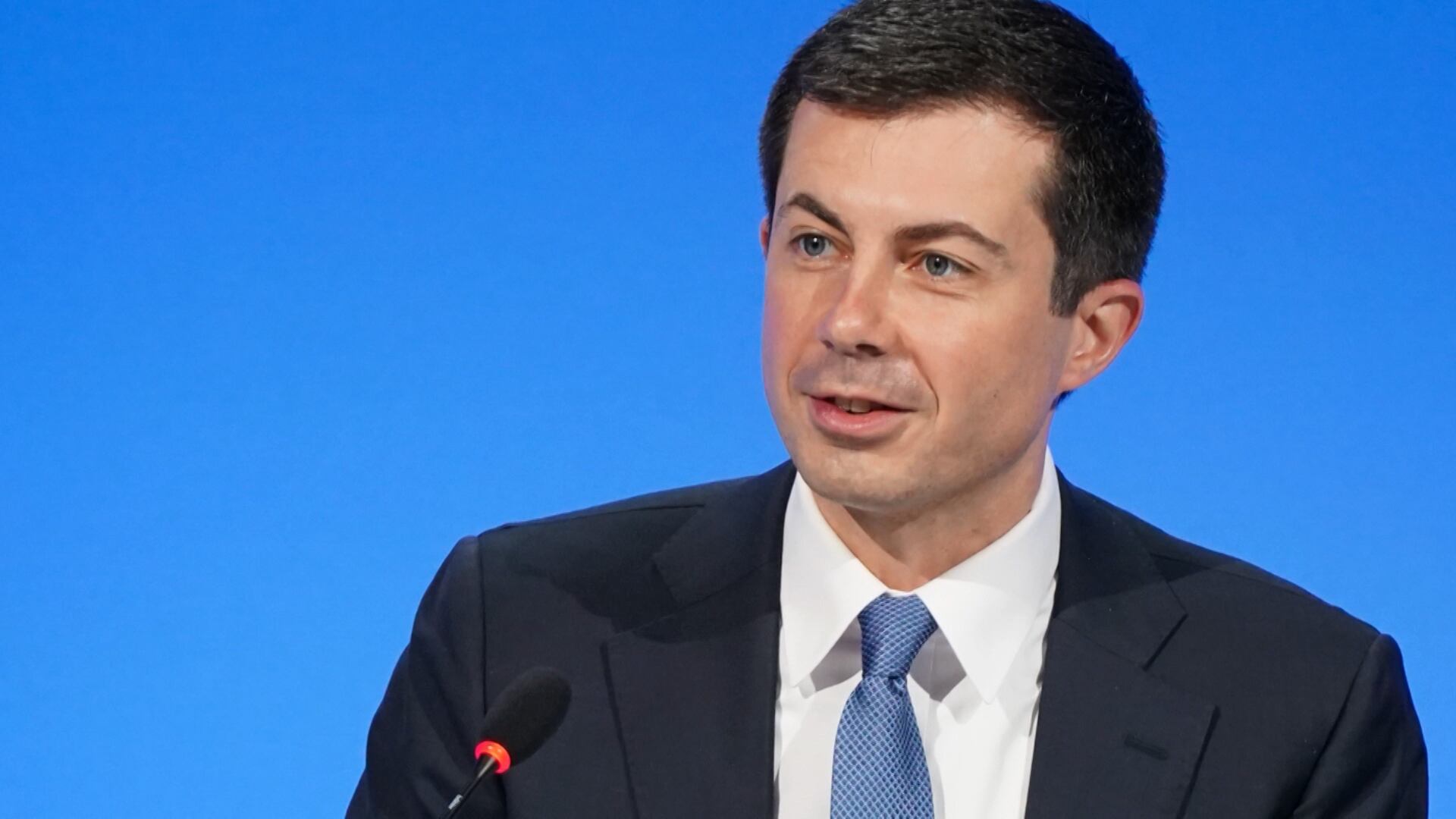
Transportation Secretary Pete Buttigieg joined Cheddar's Michelle Castillo from South By Southwest to boost President Biden's bipartisan infrastructure legislation and talk about the big transportation issues of the day, including electric vehicle charging infrastructure and the future of public transit. "It means we have a huge wind at our back delivering on the kinds of transportation solutions that are going to define the 2020's 2030s, 2040s even," he said. "And that's what makes it exciting to come to South by Southwest and talk with some of the people who are following these technologies and ideas the most closely and talk about where we're headed." Buttigieg also touched on the "Don't Say Gay" legislation in Florida, noting that such legislative pushes were likely coming from politicians deflecting from lacking answers to pressing economic concerns, in his opinion.