Axios recently published a National Security Council memo considering the possibility of a national 5G network. Since that report was published Sunday, the Trump administration responded saying it has no current plans to nationalize a 5G network, according to Recode. Axios Chief Technology Correspondent Ina Fried, and The Verge Reporter Chaim Gartenberg explain what a 5G network would look like.
Fried says this would be massive, and unprecedented. "Building a 5G network takes years, it takes lots of planning," said Fried. "The whole industry is moving towards 5G very slowly and methodically. So the idea of anyone just coming in and doing it, let alone the government would be a massively bid deal."
This could greatly impact business competition among telecommunication companies explains Gartenberg. "It would mean dramatically decreased competition in terms of cell phone bills," said Gartenberg. "We never really had anything like this."
On Monday FCC Chairman Ajit Pai tweeted in opposition of this deal. Axios reports all five FCC commissioners are united against 5G nationalization.
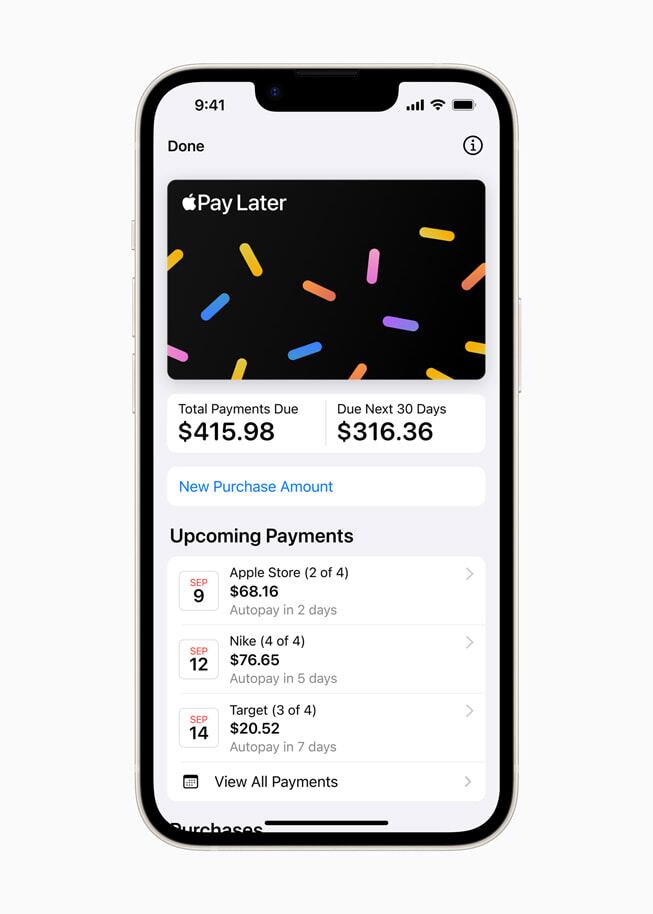
Apple Pay is getting in on the buy now pay later boom with a feature allowing users to split purchases into four separate payments over six weeks at no additional cost or interest.
San Francisco-based technology startup Illumix just closed a $18 million Series A round of funding, and in a rare move for the Shark Tank star, Mark Cuban contributed.
Neuralink, Elon Musk's brain implant venture, is reaching out to major U.S. neurosurgery centers to potentially begin testing its devices on humans, according to a Reuters report.
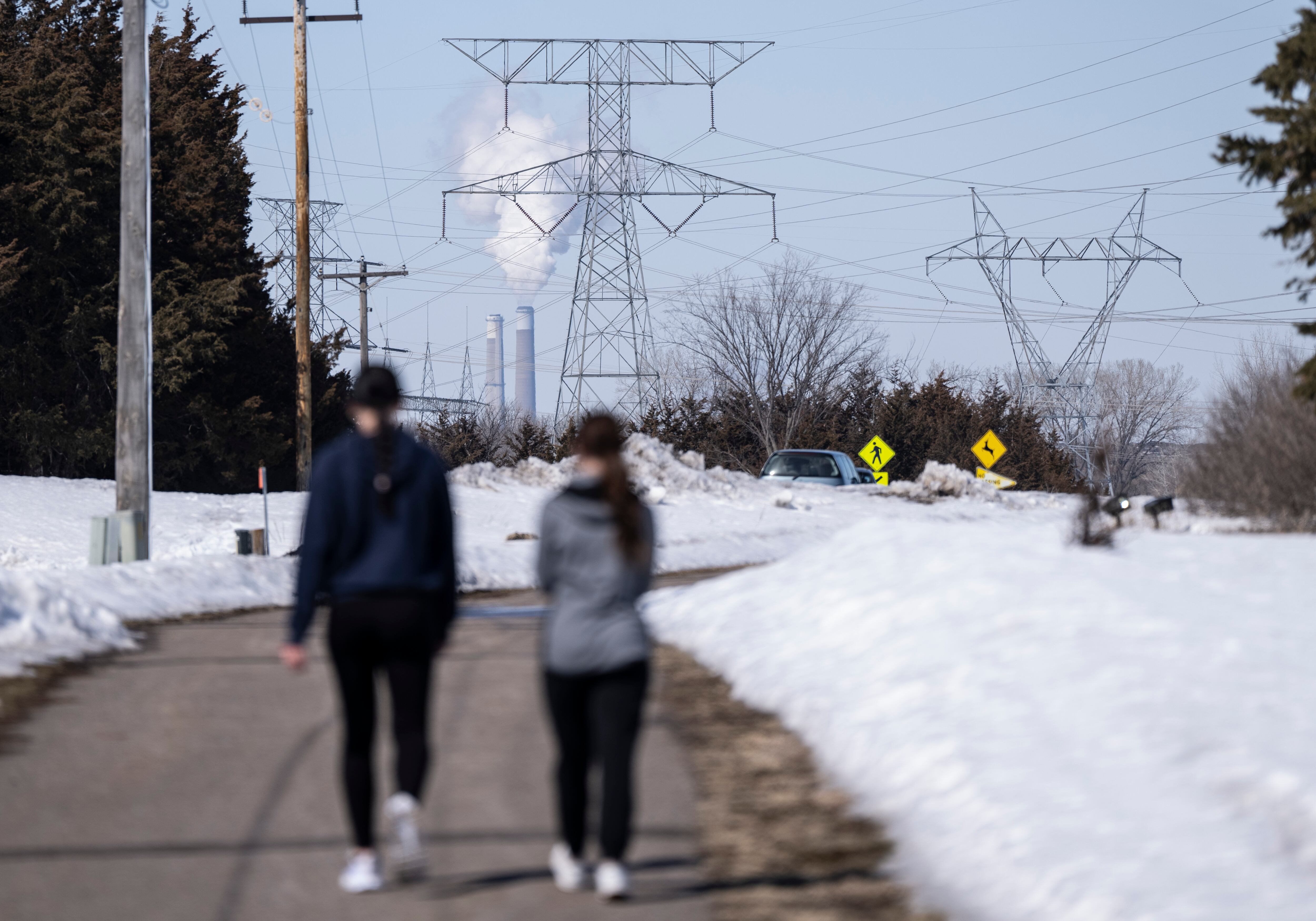
A Minnesota utility began shutting down a nuclear power plant near Minneapolis on Friday after discovering water containing a low level of radioactive material was leaking from a pipe for the second time. While the utility and health officials say it is not dangerous, the issue has prompted concerns among nearby residents and raised questions about aging pipelines.