Axios recently published a National Security Council memo considering the possibility of a national 5G network. Since that report was published Sunday, the Trump administration responded saying it has no current plans to nationalize a 5G network, according to Recode. Axios Chief Technology Correspondent Ina Fried, and The Verge Reporter Chaim Gartenberg explain what a 5G network would look like.
Fried says this would be massive, and unprecedented. "Building a 5G network takes years, it takes lots of planning," said Fried. "The whole industry is moving towards 5G very slowly and methodically. So the idea of anyone just coming in and doing it, let alone the government would be a massively bid deal."
This could greatly impact business competition among telecommunication companies explains Gartenberg. "It would mean dramatically decreased competition in terms of cell phone bills," said Gartenberg. "We never really had anything like this."
On Monday FCC Chairman Ajit Pai tweeted in opposition of this deal. Axios reports all five FCC commissioners are united against 5G nationalization.
Sourceful is an all-in-one platform for sourcing sustainable materials. The startup recently raised $20 million in a Series A round led by Index Ventures. Through its platform, Sourceful helps businesses find and design more eco-friendly packaging and reduce the carbon footprint of their supply chains. Wing Chan, Co-Founder and CEO of Sourceful, joined Cheddar News' Closing Bell to discuss.
Britt Reichborn-Kjennerud, Section Manager for E-Mobility & Demonstrations for Electric Vehicles, Con Edison and
Joe Morreale, Section Manager of EV Demo Projects and Managed Charging & E-Mobility & Demonstrations, Con Edison, join Cheddar News' Ken Buffa from the New York Auto Show to discuss Con Edison's Clean Energy Commitment and the goal to power New York with 100% clean energy through initiatives like the 'SmartCharge' and 'PowerReady' Programs.
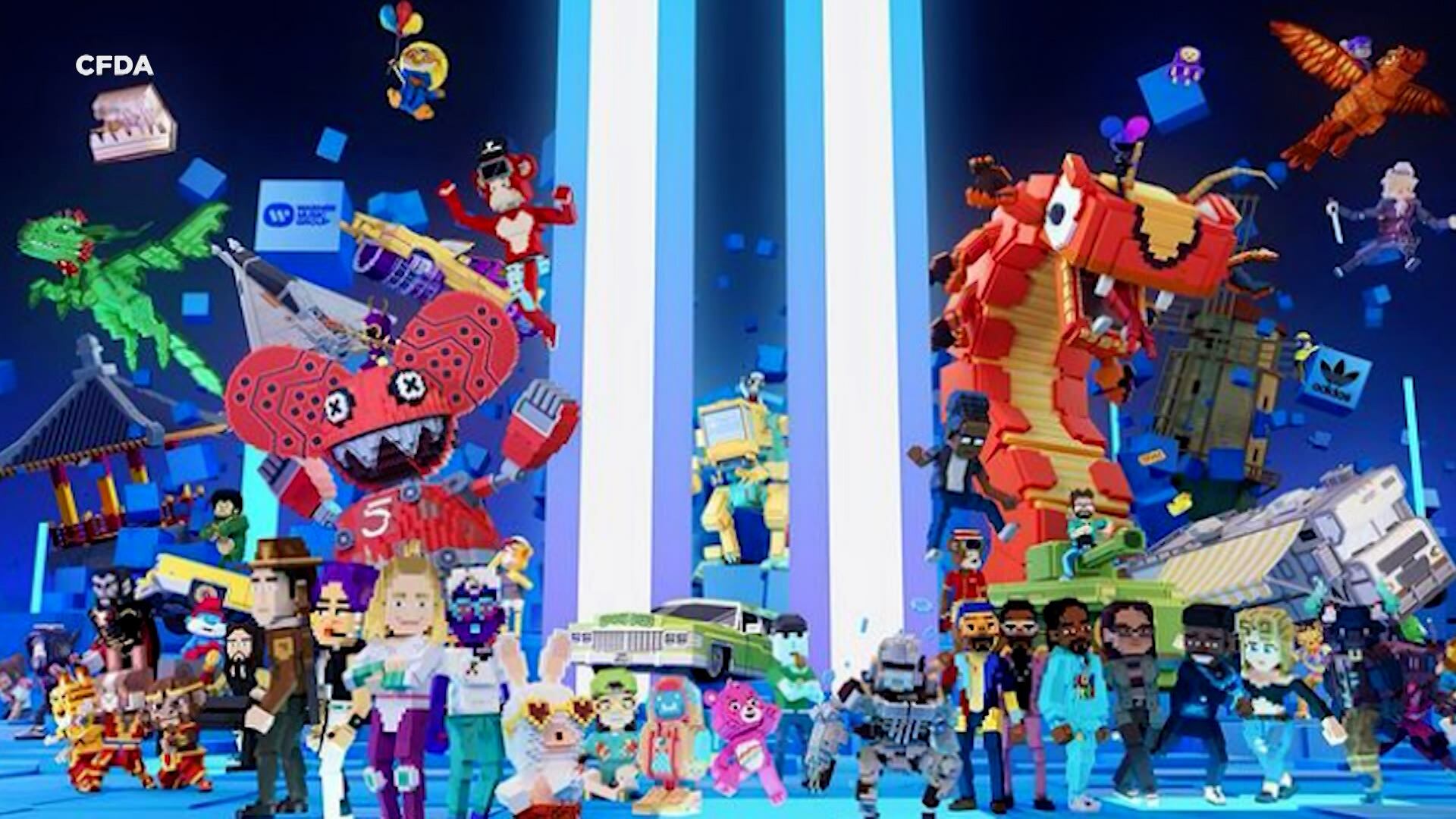
Arthur Madrid, CEO of The Sandbox, and Steven Kolb, CEO of CFDA, join Cheddar News to discuss their partnership focused around fashion in the metaverse.
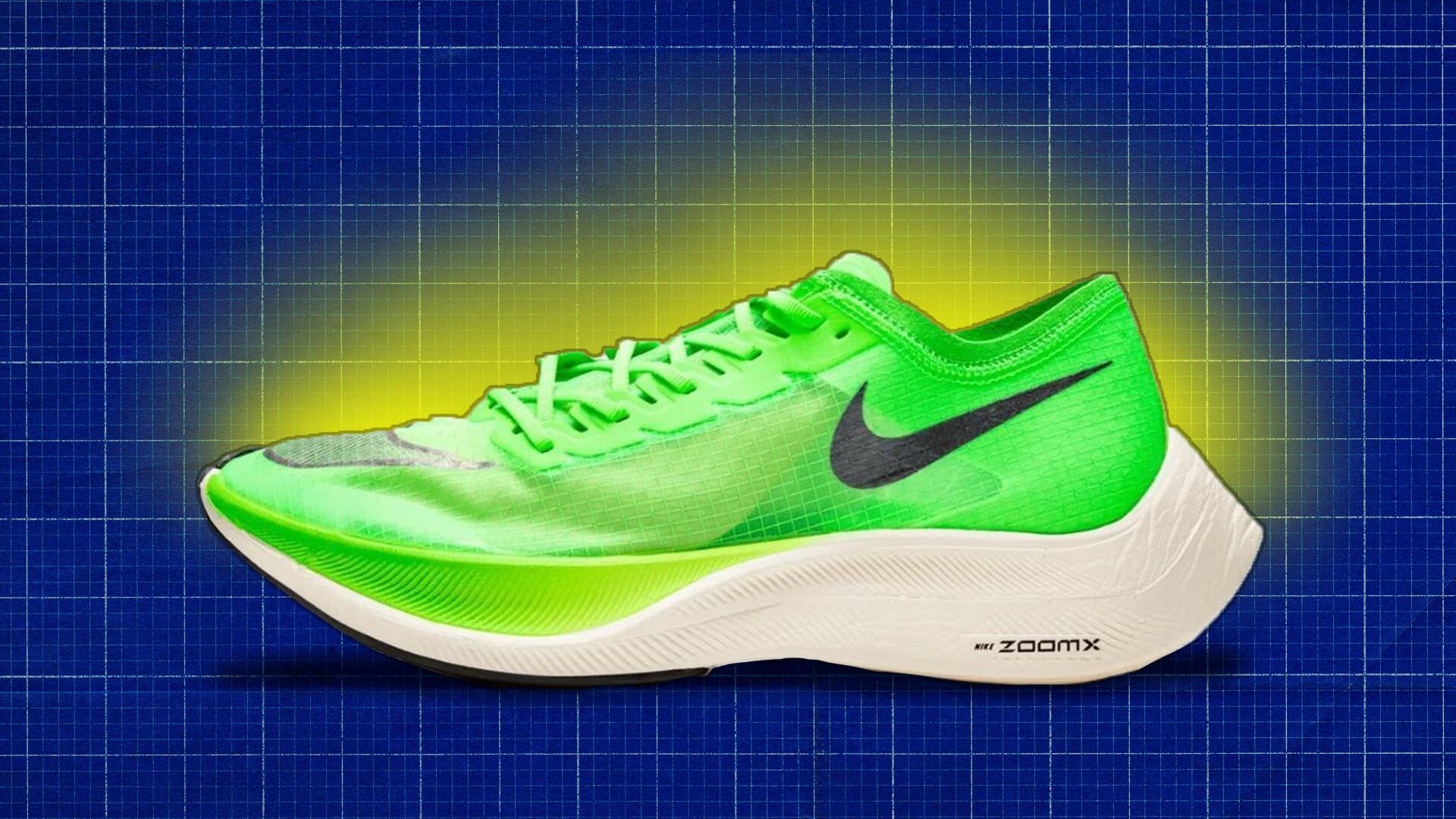
Nike introduced the Vaporfly in the 2016 Olympics to Nike-sponsored athletes, three of whom took the top spots in marathon events. Since then, the shoe has been the weapon of choice of elite athletes like those competing in the 2022 Boston Marathon. Why? Because Nike designed the shoe to literally make you faster. To not wear the Vaporfly has become a disadvantage. So how exactly does this shoe increase speeds and should it even be allowed in competition?
William Antonelli, tech reporter at Insider, joins Cheddar News to discuss Apple store employees' union efforts at the Grand Central location in New York City.
Will Marshall, CEO, Planet, joins Cheddar Reveals to discuss Planet's influence and innovation from agriculture to sustainability using geospatial insights from their constellation of over 200 satellites.
Thomas Zurbuchen, Associate Administrator, NASA Science, joins Cheddar Reveals to break down the future of space exploration and how NASA is innovating this year and into the next decade.