Axios recently published a National Security Council memo considering the possibility of a national 5G network. Since that report was published Sunday, the Trump administration responded saying it has no current plans to nationalize a 5G network, according to Recode. Axios Chief Technology Correspondent Ina Fried, and The Verge Reporter Chaim Gartenberg explain what a 5G network would look like.
Fried says this would be massive, and unprecedented. "Building a 5G network takes years, it takes lots of planning," said Fried. "The whole industry is moving towards 5G very slowly and methodically. So the idea of anyone just coming in and doing it, let alone the government would be a massively bid deal."
This could greatly impact business competition among telecommunication companies explains Gartenberg. "It would mean dramatically decreased competition in terms of cell phone bills," said Gartenberg. "We never really had anything like this."
On Monday FCC Chairman Ajit Pai tweeted in opposition of this deal. Axios reports all five FCC commissioners are united against 5G nationalization.
Online tickets marketplace Vivid Seats CEO Stan Chia joined Cheddar’s "Opening Bell" to discuss the decision behind launching an IPO via a SPAC merger with Horizon Acquisition Corporation. According to Chia, it was the best route for the company as it looked to partner with a proven track record to strategize for the future. He also noted that pent-up demand for live events is as high as it's been in five years due to the pandemic. Shares are listed on the Nasdaq under the symbol SEAT.
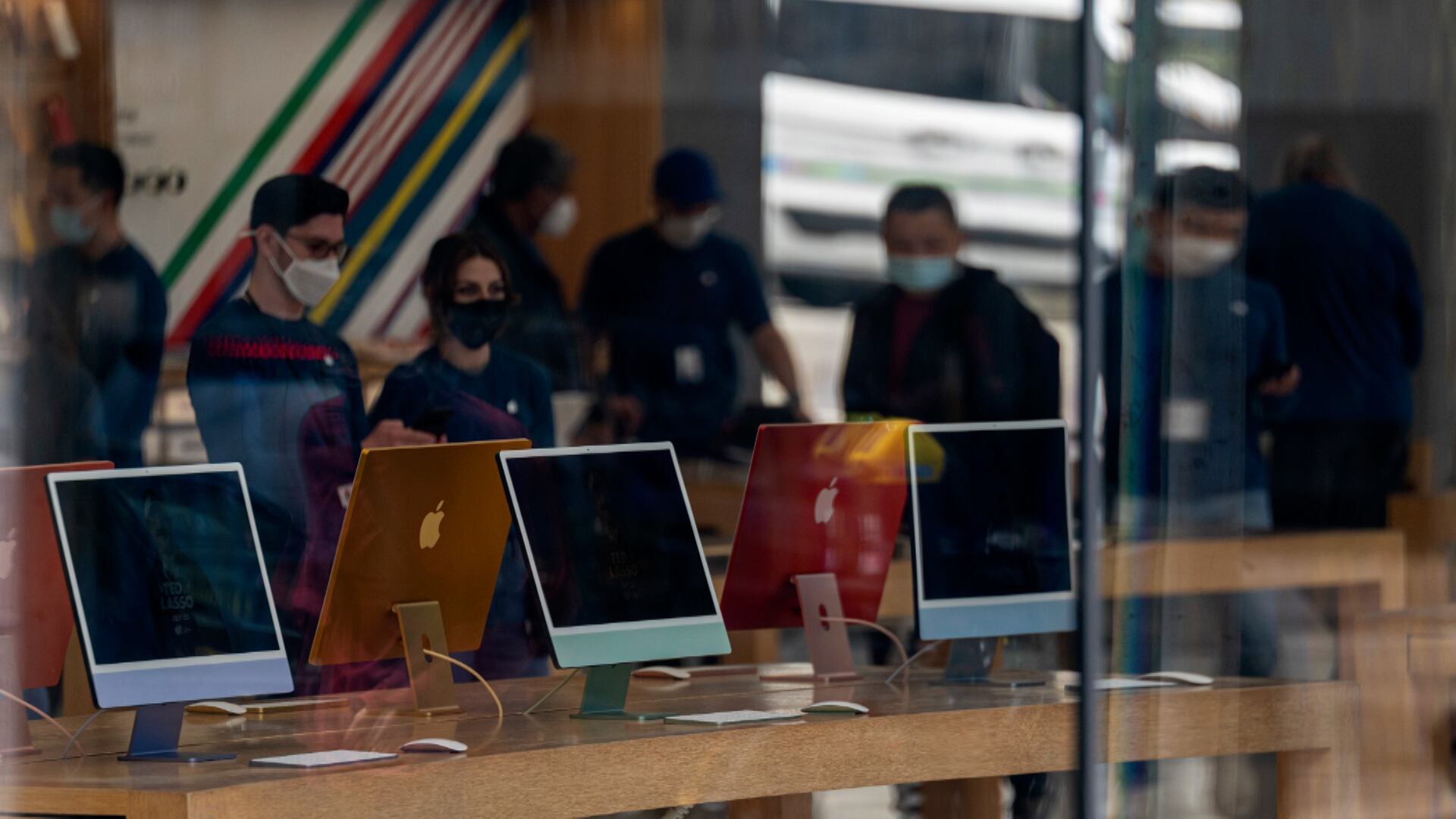
Apple is expected to unveil a redesigned MacBook Pro, Mac Mini and the long-awaited AirPods 3 at its "Unleashed" event. We are also anticipating more information on Apple's own chip, as the chip shortage continues to ravage the tech industry. John Biggs, a writer and editor, gives a preview of the event and what we can expect from the new and improved devices.
Toyota is pledging to invest $3.4 billion into developing hybrid car batteries in the United States through 2030. The Japanese carmaker plans to establish a U.S. factory by 2025 and expects to create 1,750 jobs.