Axios recently published a National Security Council memo considering the possibility of a national 5G network. Since that report was published Sunday, the Trump administration responded saying it has no current plans to nationalize a 5G network, according to Recode. Axios Chief Technology Correspondent Ina Fried, and The Verge Reporter Chaim Gartenberg explain what a 5G network would look like.
Fried says this would be massive, and unprecedented. "Building a 5G network takes years, it takes lots of planning," said Fried. "The whole industry is moving towards 5G very slowly and methodically. So the idea of anyone just coming in and doing it, let alone the government would be a massively bid deal."
This could greatly impact business competition among telecommunication companies explains Gartenberg. "It would mean dramatically decreased competition in terms of cell phone bills," said Gartenberg. "We never really had anything like this."
On Monday FCC Chairman Ajit Pai tweeted in opposition of this deal. Axios reports all five FCC commissioners are united against 5G nationalization.
Payment processor Paypal will roll out a Venmo option for Amazon customers beginning in 2022 as the payment app continues to grow the number of merchants it works with.
Facebook officially announced that it is shutting down its facial recognition software which identifies users in photos and videos. The decision comes during growing societal concerns over the use of the technology. Cathy Hackl, Tech futurist and CEO of the Futures Intelligence Group joined Cheddar's Opening Bell.
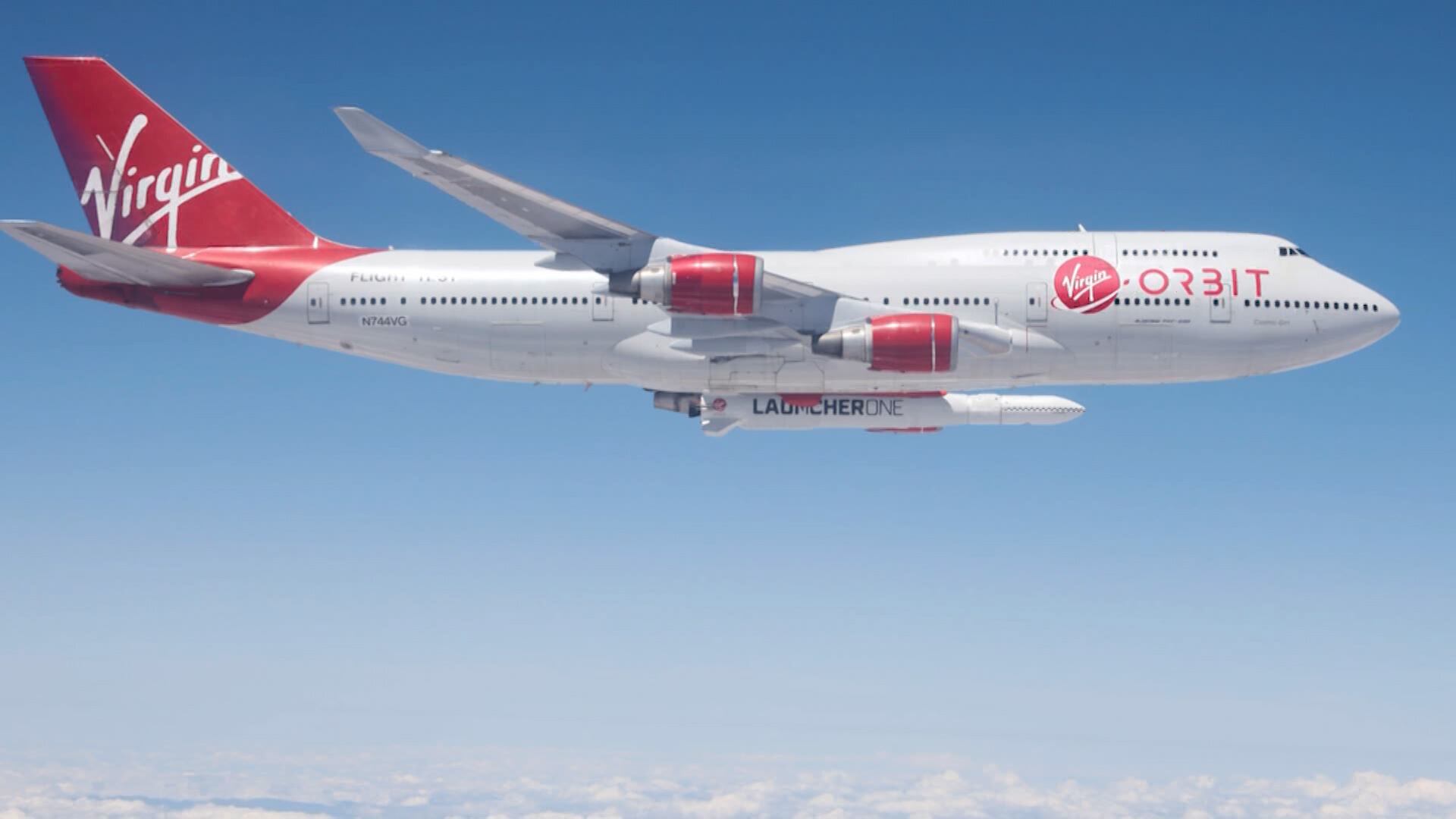
Virgin Orbit is introducing air-launch services to the Eastern Hemisphere for the first time in history. Sir Richard Branson's space launch company has signed an agreement with ANA Holdings, the owners of Japan's largest airline, to procure 20 flights of its LauncherOne rocket from an airport in Japan, a big boost for the aerospace industry in Asia. Dan Hart, CEO of Virgin Orbit, joined Cheddar to discuss the new partnership, the future of air launch, and how small satellites can help monitor climate change impacts.
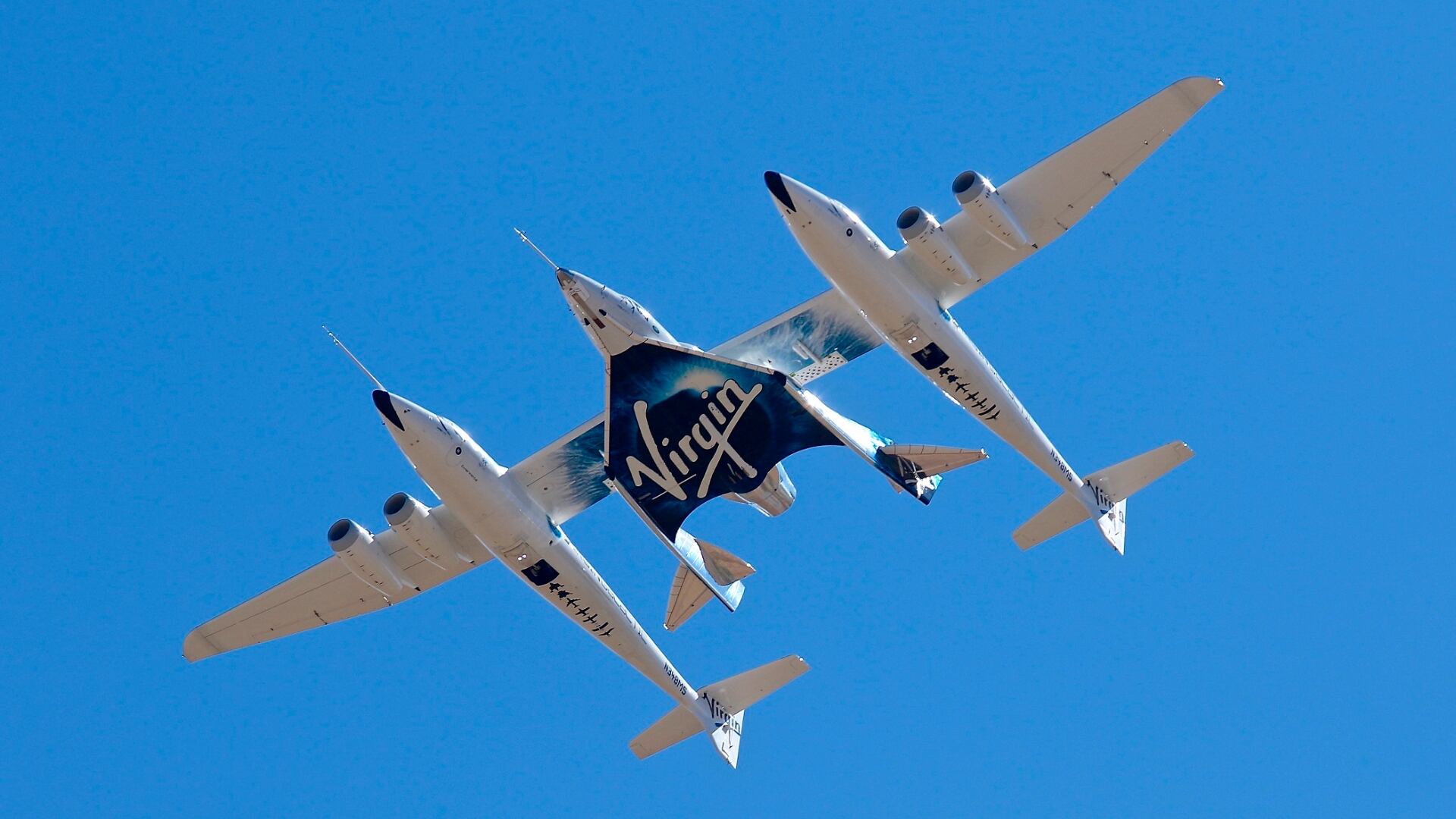
Virgin Galactic is reporting an increase in demand for commercial space flights after seeing a boost in ticket sales, raising the price for a seat on a shuttle to $450,000. The company said they now have 700 customers.
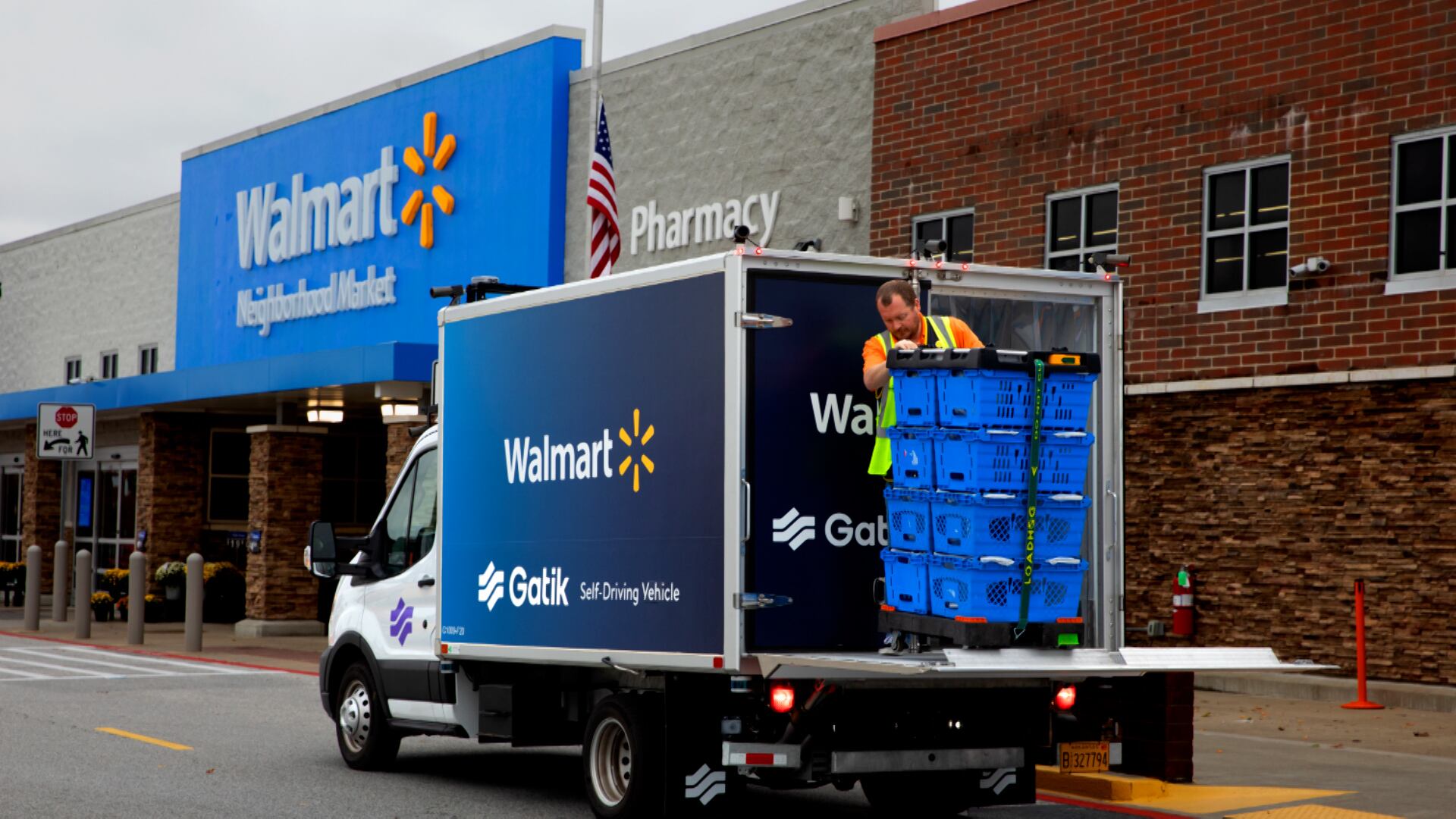
Walmart has joined forces with robotruck start-up Gatik to deploy driverless grocery delivery. We spoke to the CEO and co-founder of Gatik to discuss how the technology works and how autonomous vehicles will help ease supply chain issues.
At least 7 million customers have been impacted by a data breach on the investing app Robinhood. The specific information that was leaked varied by each customer, but Robinhood stated that hackers did not access social security numbers or banking information.
Doug Astrop, managing partner at Exponential Investment Partners, joined Cheddar to discuss Peloton's precipitous price drop, and whether the company can recover as the at-home workout trend tapers off. "They've lowered the prices on their equipment to try to attract a bigger audience because ultimately they're sort of headed to this Apple ecosystem model where they can monetize a loyal customer base," he said. Astrop noted that he believes there is a reality where the in-person gym experience and Peloton's at-home programs can co-exist.
Jill and Carlo discuss the scenes of joy at American airports as borders reopen, another tool in the Covid toolbox, the latest in the Astroworld crowd crush tragedy and more.