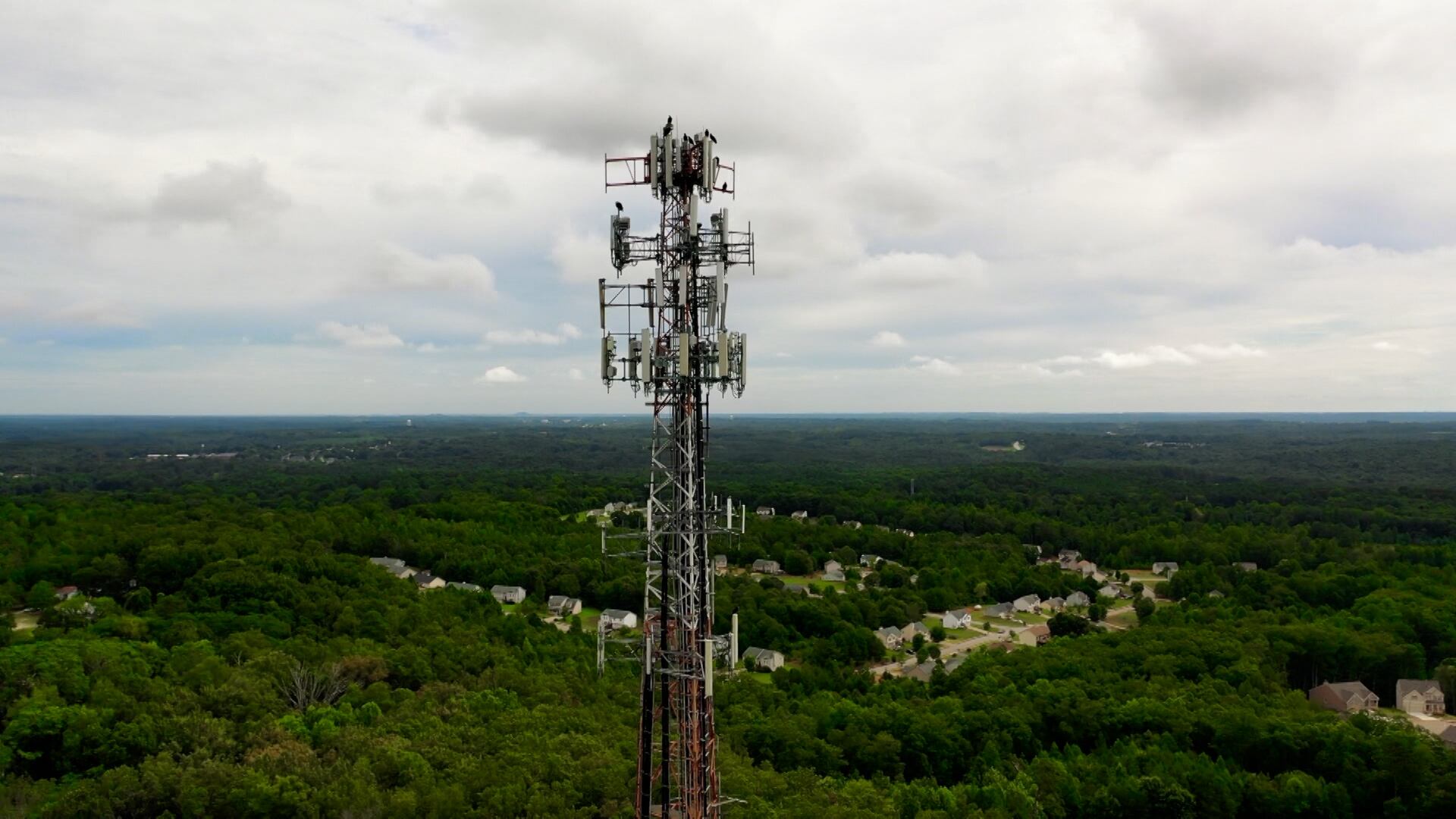
Axios recently published a National Security Council memo considering the possibility of a national 5G network. Since that report was published Sunday, the Trump administration responded saying it has no current plans to nationalize a 5G network, according to Recode. Axios Chief Technology Correspondent Ina Fried, and The Verge Reporter Chaim Gartenberg explain what a 5G network would look like.
Fried says this would be massive, and unprecedented. "Building a 5G network takes years, it takes lots of planning," said Fried. "The whole industry is moving towards 5G very slowly and methodically. So the idea of anyone just coming in and doing it, let alone the government would be a massively bid deal."
This could greatly impact business competition among telecommunication companies explains Gartenberg. "It would mean dramatically decreased competition in terms of cell phone bills," said Gartenberg. "We never really had anything like this."
On Monday FCC Chairman Ajit Pai tweeted in opposition of this deal. Axios reports all five FCC commissioners are united against 5G nationalization.
AT&T and Verizon have agreed to delay activating their 5G services for two weeks after Airlines for America, a lobbying group that represents American, Delta, and other airlines, filed a petition last week with the FCC to stop the deployment of 5G in the U.S. over concerns that the network can interfere with certain systems on airplanes. President Biden spoke out about it, saying it would avoid further delays and cancellations of flights. Light Reading 5G and Mobile Strategies Director Mike Dano joined Cheddar News' Closing Bell to discuss.
Liz Mann, EY Americas Cybersecurity Consulting Leader, joins Cheddar News to discuss the state of cybersecurity in 2022, ways to implement preventative cybersecurity practices, and what the next generation of authentication looks like.
CES, the world’s largest annual tech trade show kicked off in Las Vegas on Wednesday. Cheddar News speaks with Ian Sherr, editor at large for CNET, about this year’s biggest trends.
At a time when banks in countries like Australia and Spain are offering customers cryptocurrency assets for the first time, Josh Goodbody, COO of Qredo, believes we're going to see more financial institutions across the world unveil their crypto solutions this year after developing them behind the scenes last year. He joined Cheddar News' Closing Bell to discuss.
The new year has just gotten underway, but the clock is already ticking for the Democratic-led Congress to pass bills regulating big tech. Evan Greer, Director for Fight For the Future, joins Cheddar News to explain why Democratic lawmakers would want to push legislation now, and what a Republican takeover would mean for the industry.
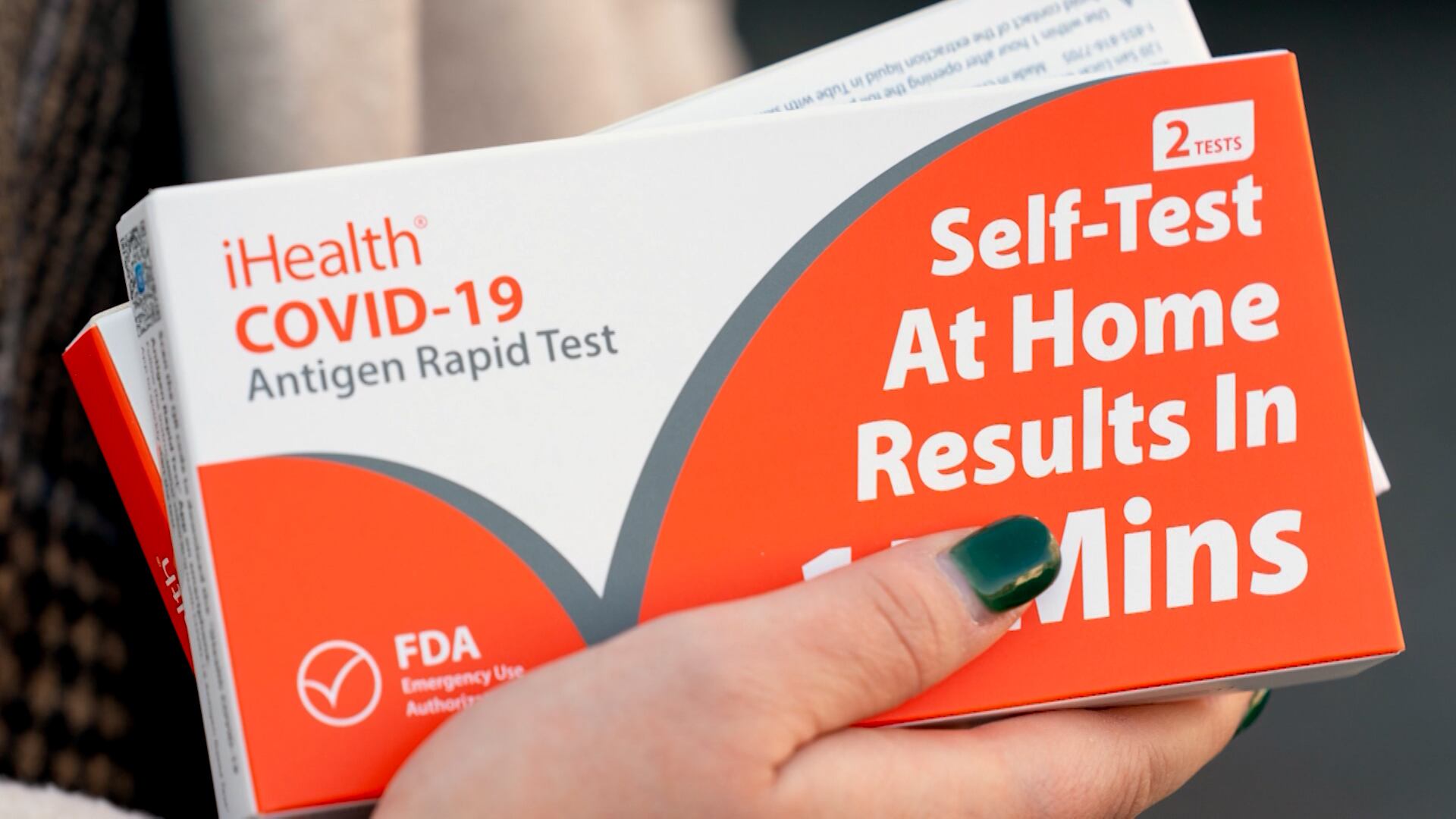
Americans looking to purchase at-home COVID-19 tests will now have to shell out a bit more money after an agreement expired between the White House and companies to sell the tests at cost. The price of Abbot's BinaxNow test kit from October to December was $14 apiece; on Tuesday, Walmart's website listed the test for $19.88, and Kroger listed the tests for $23.99. Carbon Health Regional Clinical Director Dr. Bayo Curry-Winchell joined Cheddar News' Closing Bell to discuss the impact higher prices will have as the nation experiences another surge in cases.