West Virginia's Latest Experiment: Blockchain Elections
The 2016 presidential election brought to light just how archaic and vulnerable America’s voting system is, raising questions of how to protect democracy from foreign influences and digital hacks in the future.
Venture capitalist Bradley Tusk thinks blockchain could be the answer.
“Long term, I believe that every American should be able to vote in any election on their phone,” the founder and CEO of Tusk Montgomery Philanthropies told Cheddar Thursday.
Through his foundation, Tusk currently funds America’s first blockchain-powered voting experiment in West Virginia.
In March, the state launched a secure app to enable deployed military voters from a few counties to vote from wherever they are.
“We already have a handful of votes from various locations,” said Mac Warner, West Virginia’s Secretary of State.
“I was in the military and I’ve had those experiences where it’s difficult to vote. Think of the soldier on the hillside in Afghanistan...When they have those few minutes to think about an election back home, they want to vote the same way they order something from Amazon.”
Following this pilot program, the state wants to expand the program ahead of the midterm elections in November.
Tusk says the technology, which is already upending a range of industries from banking to art, provides a safer alternative to the current system.
“Blockchain...really is a much, much, much safer way to conduct elections not only compared to just regular online mobile voting, if someone were to try that, but even compared to the systems we have right now,” said Tusk.
For a military member to vote, the app not only requires details from their government-issued ID cards, but also uses [facial recognition and fingerprint scans](https://cheddar.com/videos/how-does-blockchain-powered-voting-work) to verify a voter’s identity.
“I’m very secure in the integrity of this election process,” sayd Warner.
Tusk, who managed former New York City Mayor Michael Bloomberg’s campaign, believes that low voter turnout leads to increased polarization among candidates and that this technology, though nascent, could in the long-term drastically change that.
“If, all of a sudden, voting was as easy as pulling out your phone and turnout went from 12 percent to 60 percent, then those same politicians would be forced to represent the views of the mainstream.
“To me, that’s the value in doing this. Right now, we don’t have a true represent of democracy,” said Tusk.
They say life is about the journey, not the destination — and how you get there makes all the difference. Americans shunned train stations, roadways, and airports amid the coronavirus pandemic, never realizing things could be fundamentally different when they return. In this episode, we're exploring the evolving world of transportation, from how we get around to how goods get to us.
Intel will invest $20 billion in a new computer chip facility in Ohio amid a global shortage of microprocessors used in everything from phones and cars to video games.
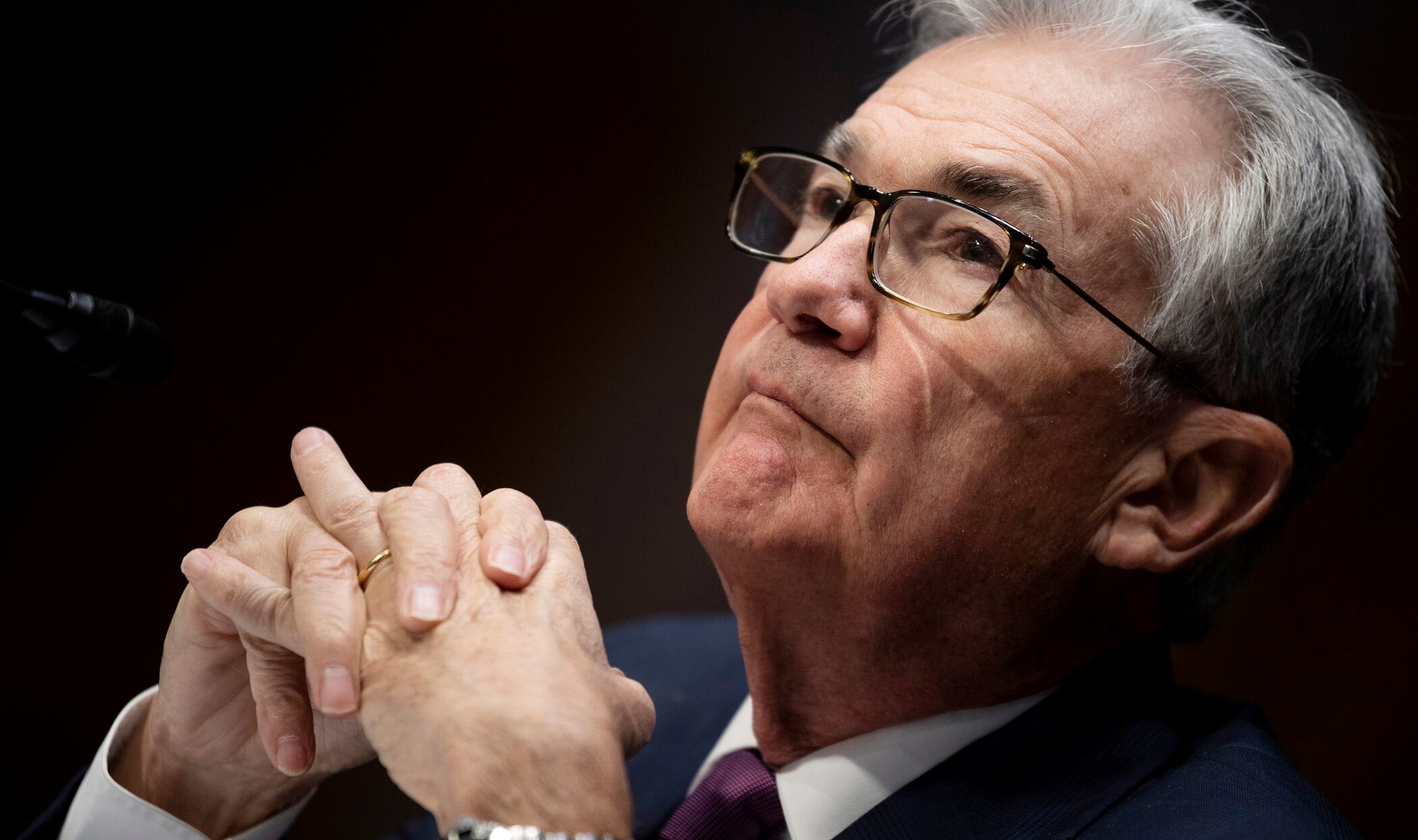
The 40-page paper was widely seen as the first step in doing just that, but the document provides only partial hints as to if the Fed is supportive of a central bank digital currency.
The People's Bank of China (PBOC) announced on Tuesday that 261 million individuals, or about a fifth of the country's population, have now set up digital yuan wallets.
AT&T and Verizon say they will delay some new 5G wireless service after the airline industry raised alarms about potential interference with important systems on planes.
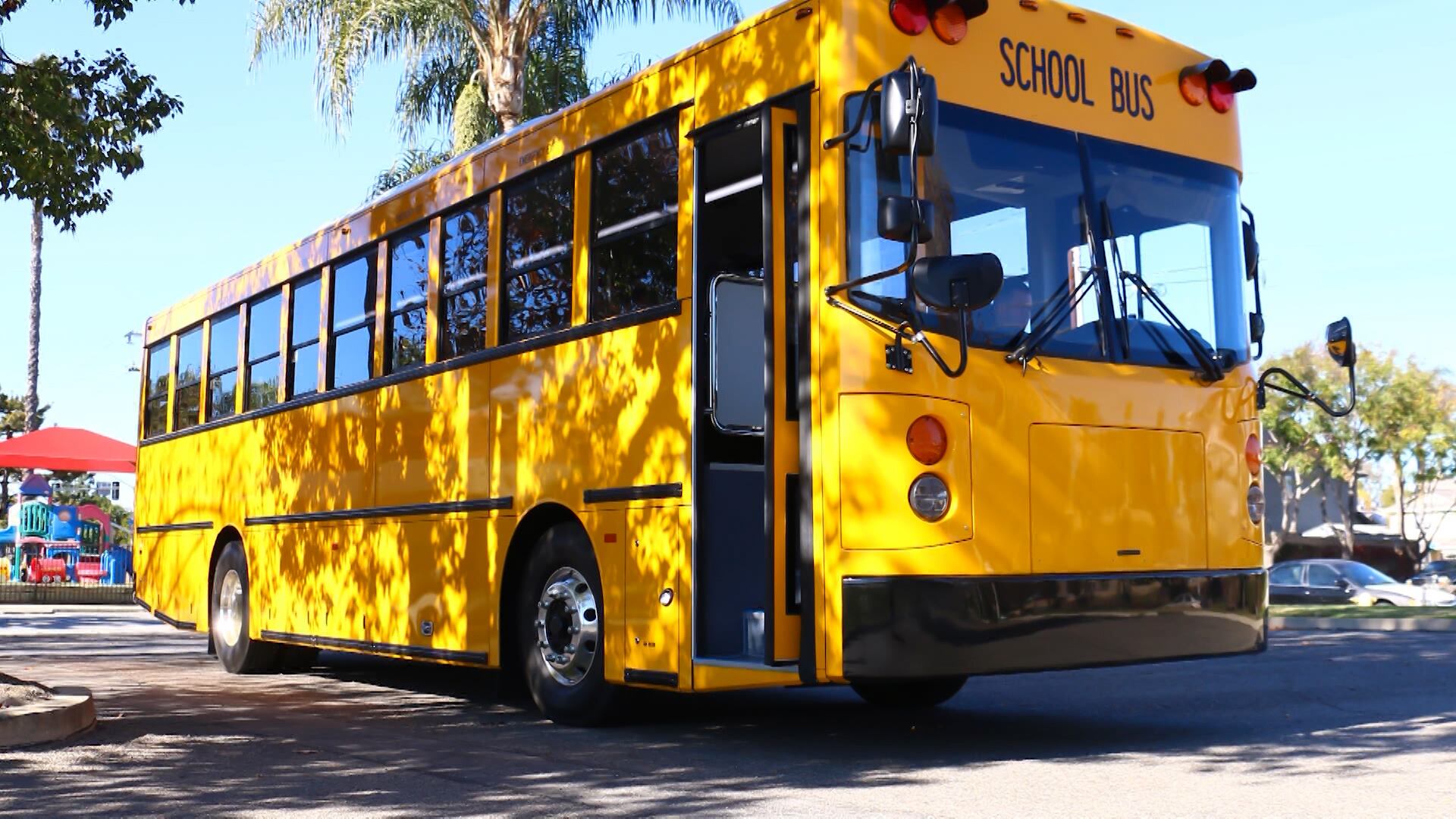
GreenPower Motor Company CEO Fraser Atkinson joined Cheddar News to discuss Gov. Jim Justice's plan for West Virginia to reduce carbon emissions in 2022 by adding a school bus fleet of B.E.A.S.T.s — or battery-electric automated school transportation. Atkinson discussed why the state was perfect for manufacturing electric buses, and the economic impact its facilities will have on the region. He also noted a health impact the new vehicles could have, citing research that children from kindergarten to sixth grade are most at risk for cancers and respiratory illnesses due to exhaust pollution.
Two of the biggest names in crypto had a public spat this week over whether stablecoin issuers should have to reveal to the general public what's in their reserves.
Amid a rise in gun-related deaths in 2021, a smart technology solution is being touted to help personalize and secure the use of firearms for owners in hopes of preventing unauthorized use and accidents. Gareth Glaser, president and CEO of LodeStar Works talked with Cheddar about adding fingerprint or smart tech locks to its 9mm handgun as a way of addressing the deadly issue without a partisan viewpoint. "We felt a technical solution would be the best way to go," Glaser said. "It's nonpolitical, and it actually addresses the product itself as opposed to a cultural issue."