West Virginia's Latest Experiment: Blockchain Elections
The 2016 presidential election brought to light just how archaic and vulnerable America’s voting system is, raising questions of how to protect democracy from foreign influences and digital hacks in the future.
Venture capitalist Bradley Tusk thinks blockchain could be the answer.
“Long term, I believe that every American should be able to vote in any election on their phone,” the founder and CEO of Tusk Montgomery Philanthropies told Cheddar Thursday.
Through his foundation, Tusk currently funds America’s first blockchain-powered voting experiment in West Virginia.
In March, the state launched a secure app to enable deployed military voters from a few counties to vote from wherever they are.
“We already have a handful of votes from various locations,” said Mac Warner, West Virginia’s Secretary of State.
“I was in the military and I’ve had those experiences where it’s difficult to vote. Think of the soldier on the hillside in Afghanistan...When they have those few minutes to think about an election back home, they want to vote the same way they order something from Amazon.”
Following this pilot program, the state wants to expand the program ahead of the midterm elections in November.
Tusk says the technology, which is already upending a range of industries from banking to art, provides a safer alternative to the current system.
“Blockchain...really is a much, much, much safer way to conduct elections not only compared to just regular online mobile voting, if someone were to try that, but even compared to the systems we have right now,” said Tusk.
For a military member to vote, the app not only requires details from their government-issued ID cards, but also uses [facial recognition and fingerprint scans](https://cheddar.com/videos/how-does-blockchain-powered-voting-work) to verify a voter’s identity.
“I’m very secure in the integrity of this election process,” sayd Warner.
Tusk, who managed former New York City Mayor Michael Bloomberg’s campaign, believes that low voter turnout leads to increased polarization among candidates and that this technology, though nascent, could in the long-term drastically change that.
“If, all of a sudden, voting was as easy as pulling out your phone and turnout went from 12 percent to 60 percent, then those same politicians would be forced to represent the views of the mainstream.
“To me, that’s the value in doing this. Right now, we don’t have a true represent of democracy,” said Tusk.
One of Europe's leading micromobility providers, TIER mobility, is expanding into North America after acquiring the micromobility operator, Spin. Ford Motor Company previously owned Spin but is now selling the company to TIER Mobility, which says the deal will make it the largest multimodal micromobility operator in the world in terms of the number of cities it operates in and the number of vehicles in its fleet. Lawrence Leuschner, CEO of TIER Mobility, and Ben Bear, CEO of Spin, join Cheddar News' Closing Bell to discuss.
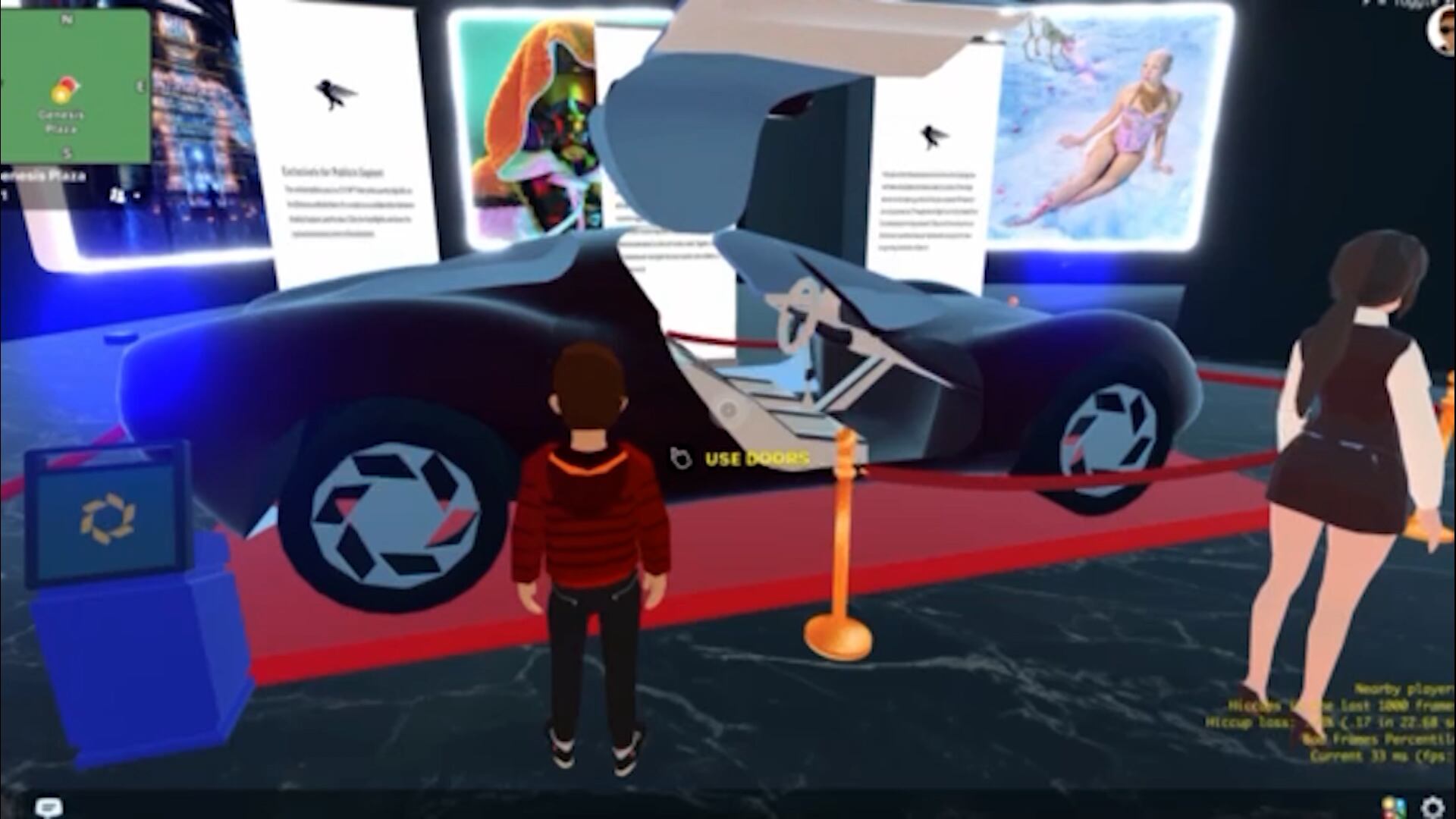
Digital consulting company Publicis Sapient has its sights set on the Metaverse. The subsidiary of the French advertising giant Publicis Group is announcing a new partnership with NFT auction house Portion in an effor to help brands deliver experiences in the metaverse, including the sales of products. Publicis Sapient CEO Nigel Vaz joined Cheddar News' Closing Bell to discuss. "In the context of our collaboration with Portion, the first experience that we created was with Decentraland, which is a virtual world," he said. "And car manufacturers in this metaverse, in terms of their buyers, can interact with a virtual person, (and) they can view quality NFTs. They can examine a virtual vehicle, be inside the car, rev an engine, open doors, all without leaving their homes."
Identity and access management company ForgeRock looks to use pattern recognition and artificial intelligence to ease secure access for users as an alternative to just password management. CEO Fran Rosch joined Cheddar News to discuss how the company's services work. "I mean, who likes to set up and use a new password? And they're also really bad security because a lot of people repeat the same one and use it everywhere and use the simplest one possible," he said. "We're trying to really create a smarter better identity system where we can find different ways, smarter ways, of recognizing you as a user and giving you access to what you need by really eliminating the password altogether."
Ford announced today that it will be separating its electric vehicles business from its internal combustion engine vehicles in two divisions named Ford Model E and Ford Blue, respectively. Ford Motor Company CFO John Lawler joined Cheddar to discuss the decision-making behind the restructuring. "When you think about the expertise that Ford has in like body structural engineering, chassis engineering, manufacturing at scale, there isn't an EV startup company out there that wouldn't love to have our capabilities in that space," he said.
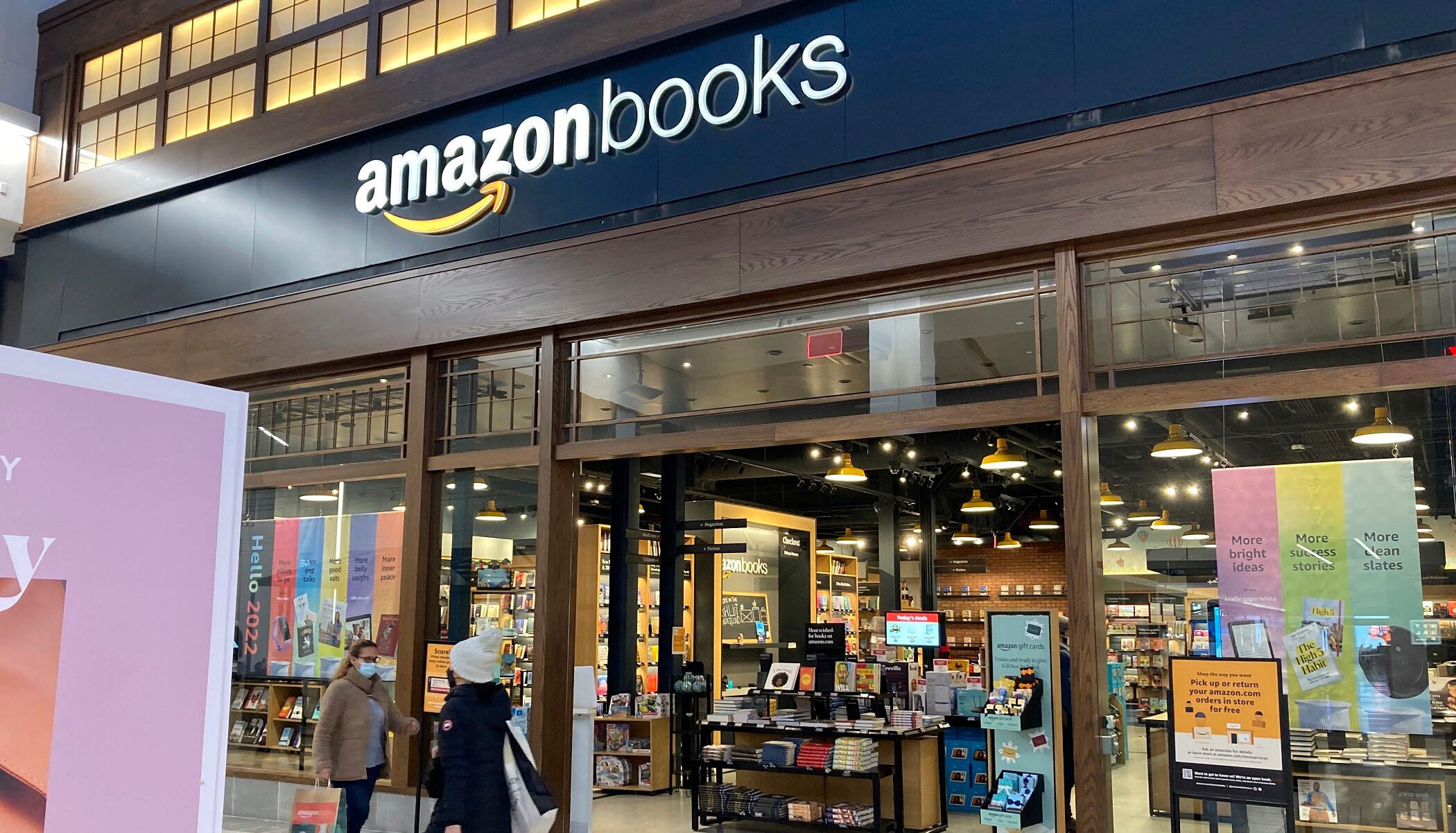
Amazon is confirming it’s closing all of its physical bookstores as well as its 4-star shops and pop up locations as the online behemoth reworks its physical footprint.
As Russia continues to invade Ukraine, its tech outsourcing sector is at risk. Over the past few years, the country has become a popular outsourcing destination for American and European tech companies, but now the future of that industry is uncertain. Isabelle Bousquette, enterprise technology reporter, for The Wall Street Journal, discusses what repercussions the crisis might have on the industry, and what companies are doing to mitigate possible disruptions.