West Virginia's Latest Experiment: Blockchain Elections
The 2016 presidential election brought to light just how archaic and vulnerable America’s voting system is, raising questions of how to protect democracy from foreign influences and digital hacks in the future.
Venture capitalist Bradley Tusk thinks blockchain could be the answer.
“Long term, I believe that every American should be able to vote in any election on their phone,” the founder and CEO of Tusk Montgomery Philanthropies told Cheddar Thursday.
Through his foundation, Tusk currently funds America’s first blockchain-powered voting experiment in West Virginia.
In March, the state launched a secure app to enable deployed military voters from a few counties to vote from wherever they are.
“We already have a handful of votes from various locations,” said Mac Warner, West Virginia’s Secretary of State.
“I was in the military and I’ve had those experiences where it’s difficult to vote. Think of the soldier on the hillside in Afghanistan...When they have those few minutes to think about an election back home, they want to vote the same way they order something from Amazon.”
Following this pilot program, the state wants to expand the program ahead of the midterm elections in November.
Tusk says the technology, which is already upending a range of industries from banking to art, provides a safer alternative to the current system.
“Blockchain...really is a much, much, much safer way to conduct elections not only compared to just regular online mobile voting, if someone were to try that, but even compared to the systems we have right now,” said Tusk.
For a military member to vote, the app not only requires details from their government-issued ID cards, but also uses [facial recognition and fingerprint scans](https://cheddar.com/videos/how-does-blockchain-powered-voting-work) to verify a voter’s identity.
“I’m very secure in the integrity of this election process,” sayd Warner.
Tusk, who managed former New York City Mayor Michael Bloomberg’s campaign, believes that low voter turnout leads to increased polarization among candidates and that this technology, though nascent, could in the long-term drastically change that.
“If, all of a sudden, voting was as easy as pulling out your phone and turnout went from 12 percent to 60 percent, then those same politicians would be forced to represent the views of the mainstream.
“To me, that’s the value in doing this. Right now, we don’t have a true represent of democracy,” said Tusk.
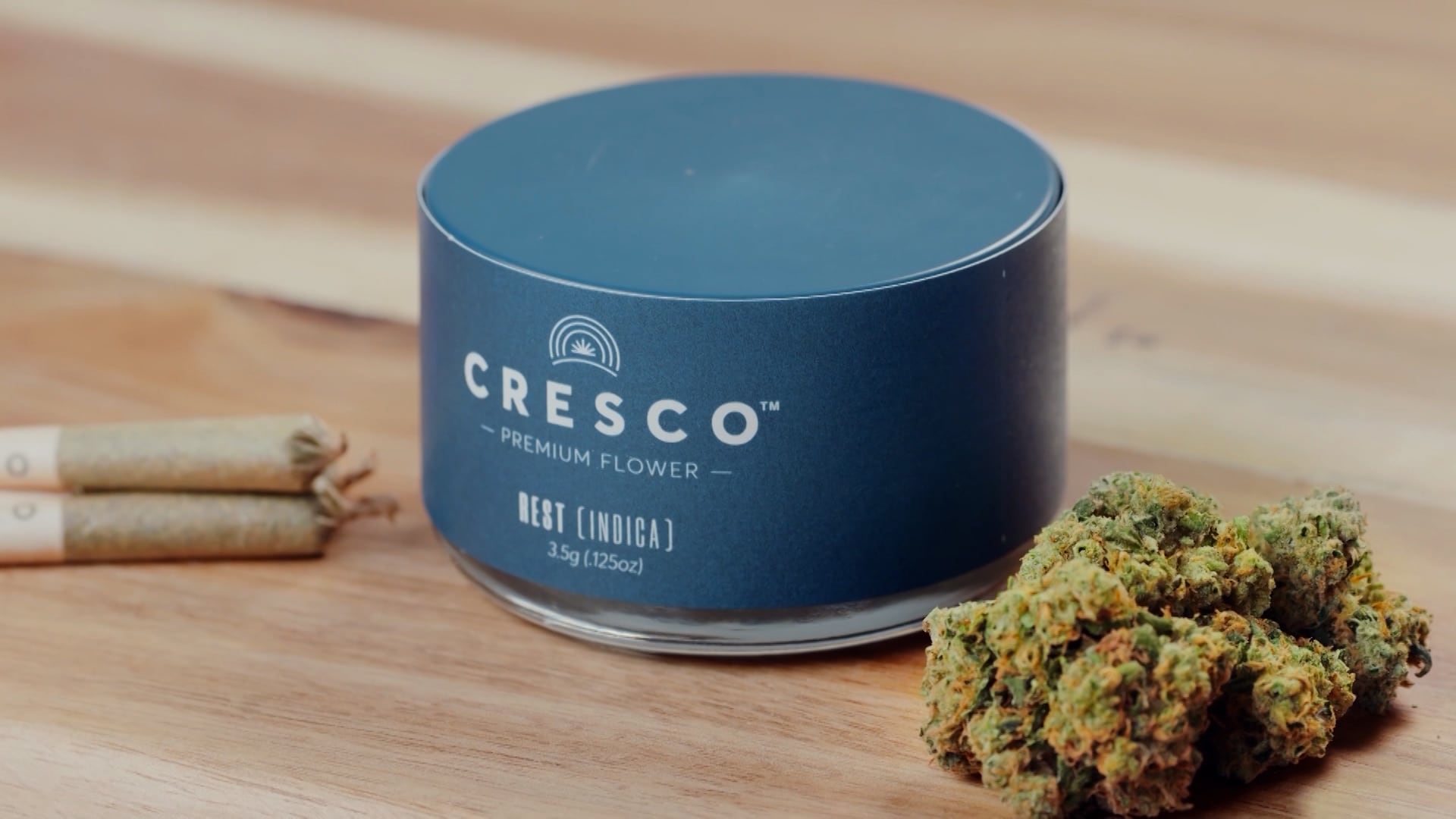
Cannabis producer Cresco Labs is acquiring rival Columbia Care in a $2 billion all-stock deal, creating the largest U.S. cannabis company by sales. The deal, which is expected to close in the fourth quarter of 2022, is one of the biggest in the industry's history and would make Cresco the dominant player in a market projected to reach $46 billion in revenue by 2026. Charlie Bachtell, CEO of Cresco Labs, joins Cheddar News' Closing Bell to discuss.
Sports betting has boomed over the past year; but at the same time, sports betting stocks have not been so hot. Now, some sports betting brands are starting to rethink how to spend their money, especially when it comes to ads. It will come after online sports betting brands spent more than $320 million on advertising in 2021, up 38% from 2020, per MediaRadar. Brendan Coffey, sports finance reporter for Sportico, joins Cheddar News' Closing Bell to discuss.
Rowing-machine maker, Hydrow, raised $55 million in Series D funding round, led by Constitution Capital. Hyrdow offers a connected rowing machine that costs $2,495. The company's funding round comes as the at-home fitness industry is facing some challenges, due to many consumers returning to gyms after working out at home during the pandemic. Bruce Smith, founder & CEO of Hydrow, joined Cheddar News' Closing Bell to discuss.
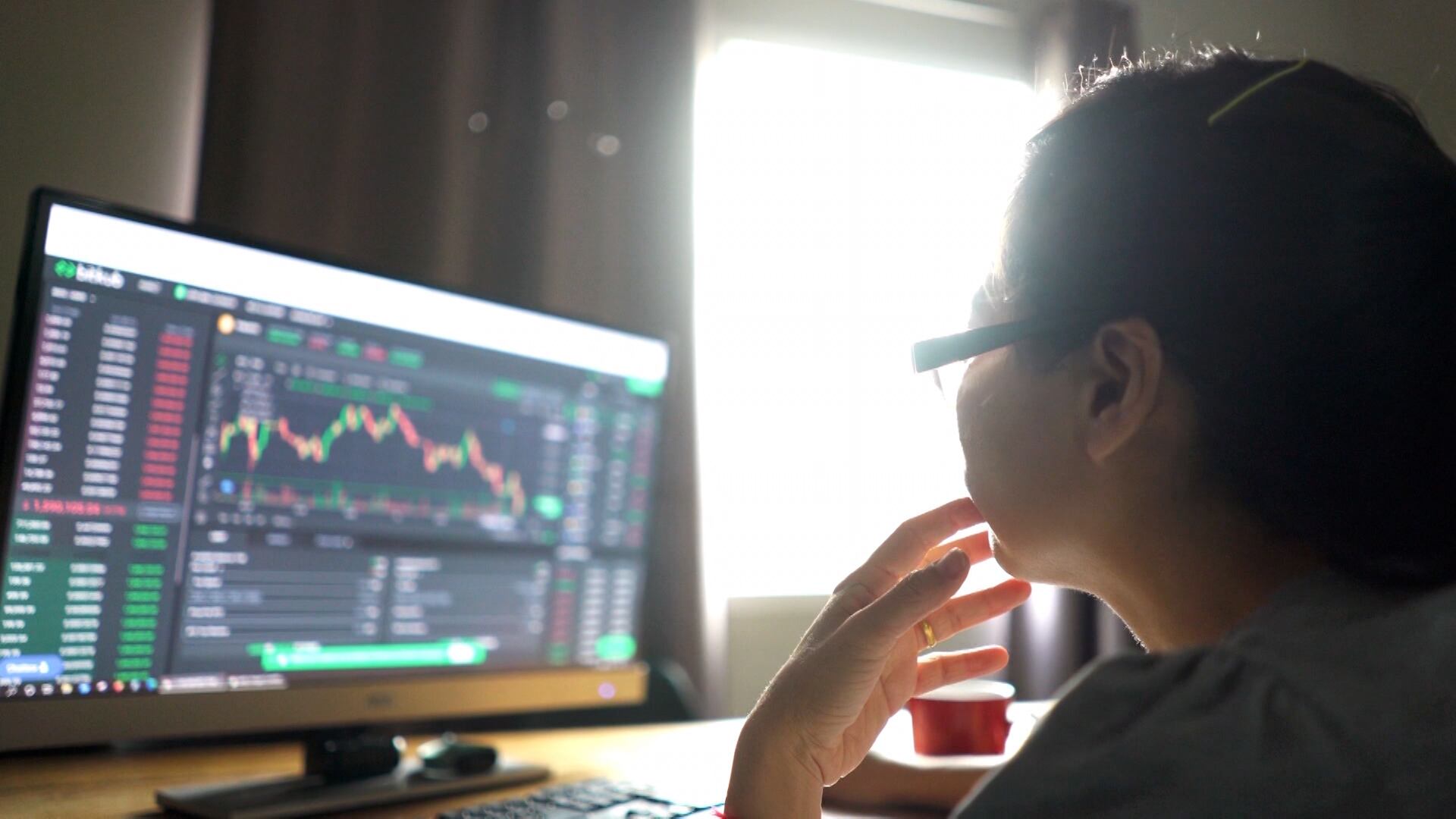
Sam Thapaliya, Founder of Zebec, explains the two major problems associated with paying public figures in crypto, and how his firm is best-suited to help facilitate payments within the growing industry.
Wes Fulford, CEO of Viridi Funds, breaks down how several key headlines, include President Biden's executive order on crypto and rising inflation, are impacting the price of major cryptocurrencies during a volatile period.
Volvo electric vehicles will soon be able to charge at Starbucks ChargePoint locations. Anders Gustafsson, head of the Americas for Volvo Cars, Michael Kobori, Starbucks chief sustainability officer, and Pasquale Romano, president and CEO of ChargePoint, joined Cheddar News Wrap to talk about their joint effort to provide more accessibility for electric vehicle charging. “When you pull into the Starbucks, you pull into the parking lot and the chargers will be set up right there so you can pull in, plug in your car, walk into the Starbucks," said Kobori. "And it's a safe location to recharge, to connect to the Internet while you're charging."