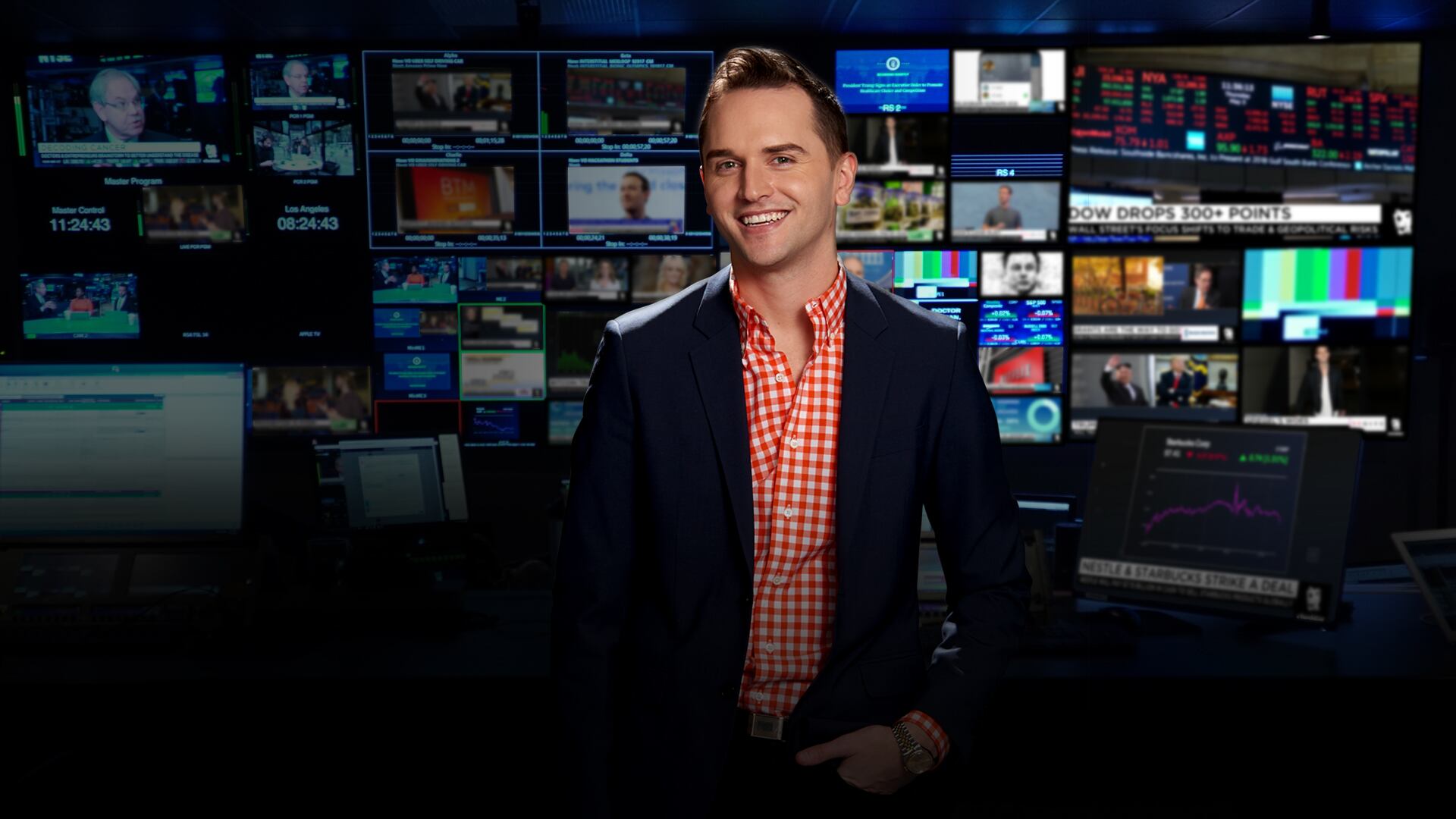
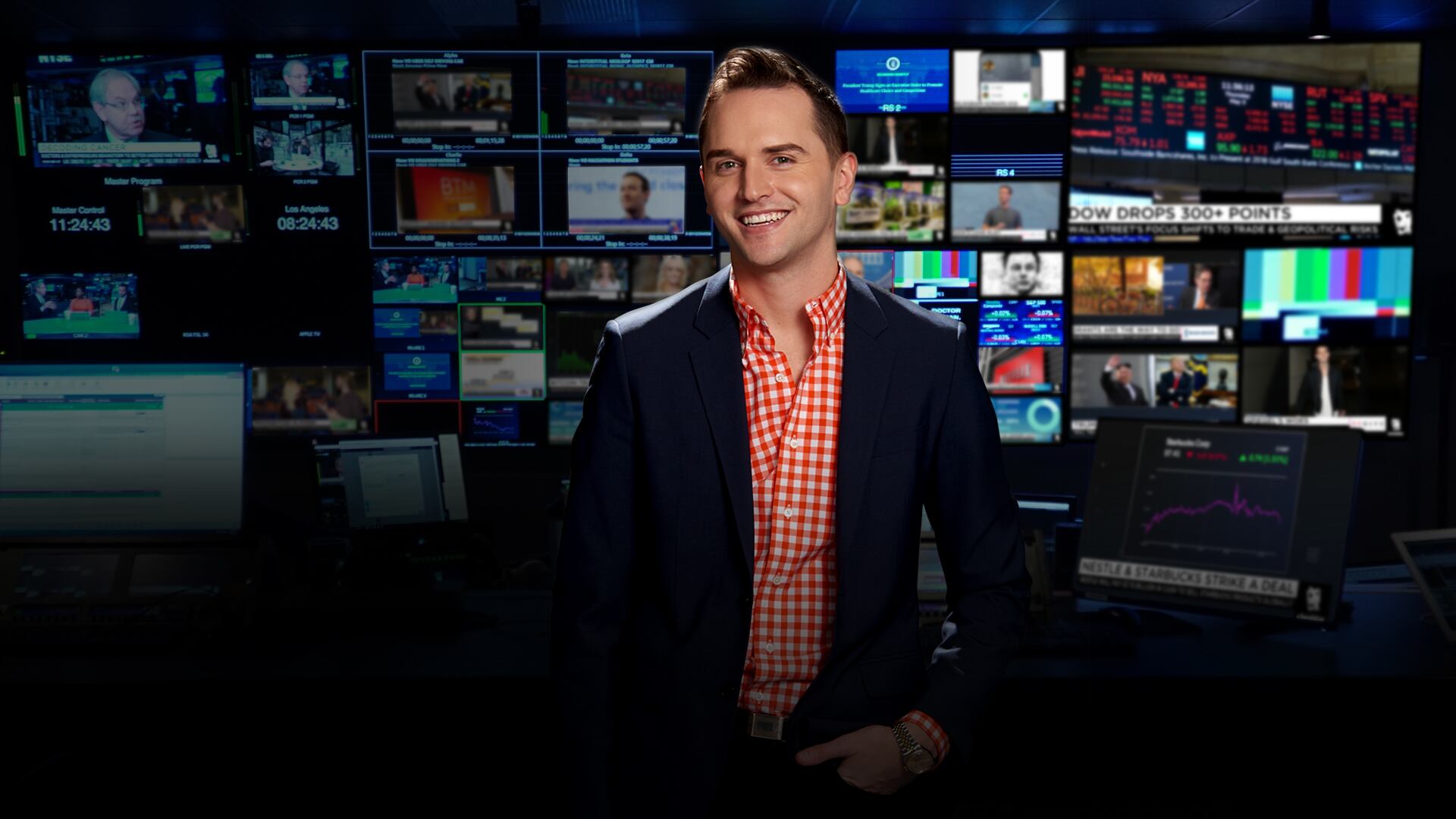
The 2016 presidential election brought to light just how archaic and vulnerable America’s voting system is, raising questions of how to protect democracy from foreign influences and digital hacks in the future. Venture capitalist Bradley Tusk thinks blockchain could be the answer. “Long term, I believe that every American should be able to vote in any election on their phone,” the founder and CEO of Tusk Montgomery Philanthropies told Cheddar Thursday. Through his foundation, Tusk currently funds America’s first blockchain-powered voting experiment in West Virginia. In March, the state launched a secure app to enable deployed military voters from a few counties to vote from wherever they are. “We already have a handful of votes from various locations,” said Mac Warner, West Virginia’s Secretary of State. “I was in the military and I’ve had those experiences where it’s difficult to vote. Think of the soldier on the hillside in Afghanistan...When they have those few minutes to think about an election back home, they want to vote the same way they order something from Amazon.” Following this pilot program, the state wants to expand the program ahead of the midterm elections in November. Tusk says the technology, which is already upending a range of industries from banking to art, provides a safer alternative to the current system. “Blockchain...really is a much, much, much safer way to conduct elections not only compared to just regular online mobile voting, if someone were to try that, but even compared to the systems we have right now,” said Tusk. For a military member to vote, the app not only requires details from their government-issued ID cards, but also uses [facial recognition and fingerprint scans](https://cheddar.com/videos/how-does-blockchain-powered-voting-work) to verify a voter’s identity. “I’m very secure in the integrity of this election process,” sayd Warner. Tusk, who managed former New York City Mayor Michael Bloomberg’s campaign, believes that low voter turnout leads to increased polarization among candidates and that this technology, though nascent, could in the long-term drastically change that. “If, all of a sudden, voting was as easy as pulling out your phone and turnout went from 12 percent to 60 percent, then those same politicians would be forced to represent the views of the mainstream. “To me, that’s the value in doing this. Right now, we don’t have a true represent of democracy,” said Tusk.