West Virginia's Latest Experiment: Blockchain Elections
The 2016 presidential election brought to light just how archaic and vulnerable America’s voting system is, raising questions of how to protect democracy from foreign influences and digital hacks in the future.
Venture capitalist Bradley Tusk thinks blockchain could be the answer.
“Long term, I believe that every American should be able to vote in any election on their phone,” the founder and CEO of Tusk Montgomery Philanthropies told Cheddar Thursday.
Through his foundation, Tusk currently funds America’s first blockchain-powered voting experiment in West Virginia.
In March, the state launched a secure app to enable deployed military voters from a few counties to vote from wherever they are.
“We already have a handful of votes from various locations,” said Mac Warner, West Virginia’s Secretary of State.
“I was in the military and I’ve had those experiences where it’s difficult to vote. Think of the soldier on the hillside in Afghanistan...When they have those few minutes to think about an election back home, they want to vote the same way they order something from Amazon.”
Following this pilot program, the state wants to expand the program ahead of the midterm elections in November.
Tusk says the technology, which is already upending a range of industries from banking to art, provides a safer alternative to the current system.
“Blockchain...really is a much, much, much safer way to conduct elections not only compared to just regular online mobile voting, if someone were to try that, but even compared to the systems we have right now,” said Tusk.
For a military member to vote, the app not only requires details from their government-issued ID cards, but also uses [facial recognition and fingerprint scans](https://cheddar.com/videos/how-does-blockchain-powered-voting-work) to verify a voter’s identity.
“I’m very secure in the integrity of this election process,” sayd Warner.
Tusk, who managed former New York City Mayor Michael Bloomberg’s campaign, believes that low voter turnout leads to increased polarization among candidates and that this technology, though nascent, could in the long-term drastically change that.
“If, all of a sudden, voting was as easy as pulling out your phone and turnout went from 12 percent to 60 percent, then those same politicians would be forced to represent the views of the mainstream.
“To me, that’s the value in doing this. Right now, we don’t have a true represent of democracy,” said Tusk.
Babylist is an online baby registry for expecting and new parents, who can use the platform to share what they would like to receive as gifts to celebrate their baby's birth. The company also operates as an e-commerce and content platform for baby products, saying it aims to be a one-stop solution for parents, family, and friends to buy best-in-class baby products at what is a critical and deeply personal moment in their lives. Natalie Gordon, founder and CEO of Babylist. joins Cheddar News' Closing Bell to discuss.
One of the hottest stocks in the news, not for its price but mostly due to its maybe pending acquisition by Elon Musk, is Twitter. Cheddar's Ken Buffa goes in-depth into why the trials and tribulations of the social media platform, currently being accused by the Musk of holding back information on spam accounts, make it the stock of the day.
Apple's Worldwide Developers Conference on Monday provided announced updates for iOS 16, edits to iMessages, an “ApplePay Later” plan, which will allow users to stretch out their payments over four weeks, and new Macbooks. However, the anticipated news for realityOS, software for an augmented and virtual reality headset, did not make the cut. Cheddar News anchor Michelle Castillo had all the details about what to expect from tech giant.
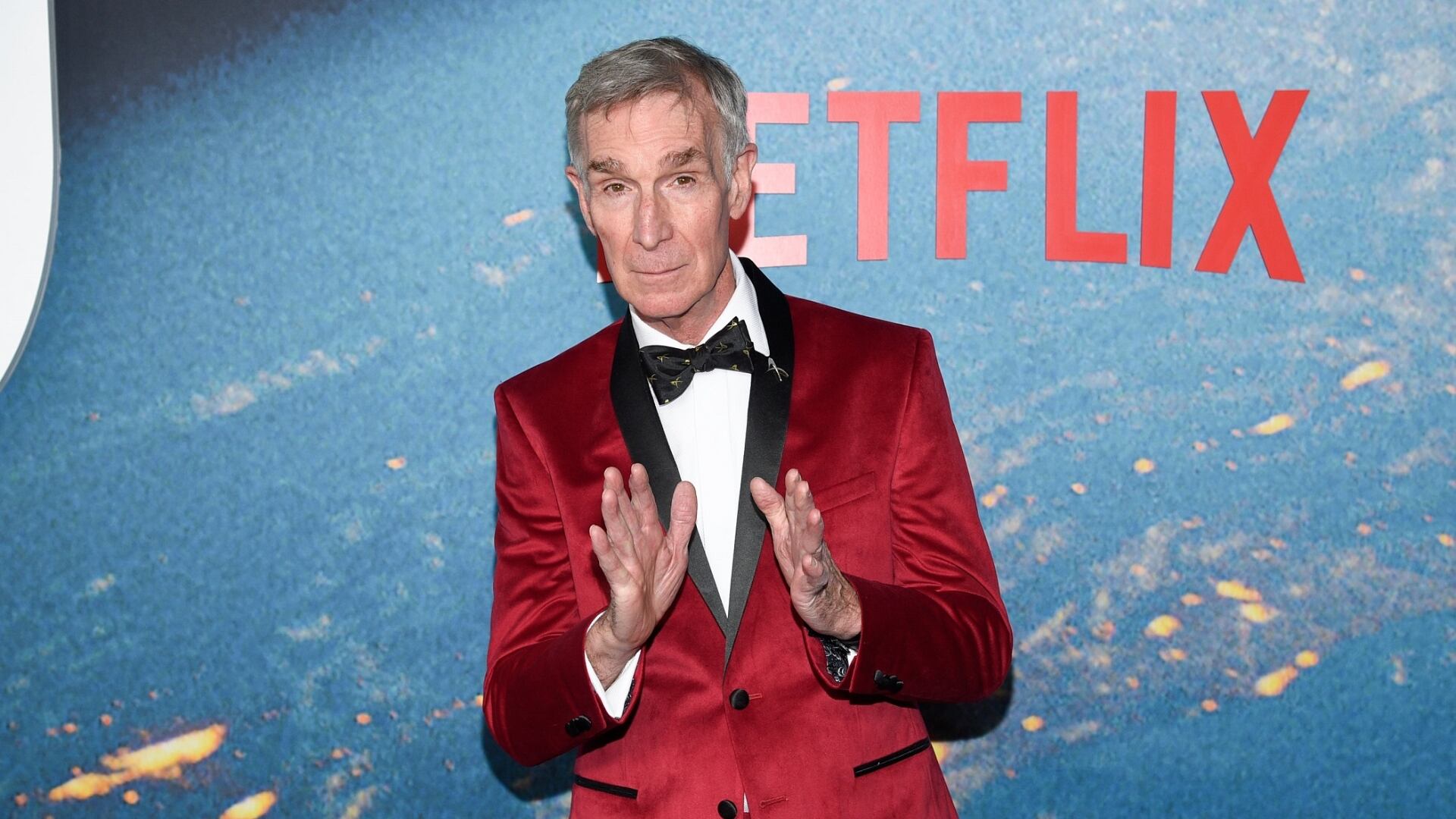
Bill Nye the Science Guy is back but on an even smaller screen. America’s favorite science teacher has racked up more than eight million followers on TikTok, and he joined Cheddar News to talk about his success on the platform, having fun but also being serious about scientific topics like tackling climate change, and his newest hosting project "The End is Nye," a streaming show on Peacock that examines disasters — both natural and manmade. "There are six episodes. We have big disasters. Things go terribly wrong, and then we show you how things could have gone right," he explained.
Bill Bellissimo, CEO of Crunchtime, joins Cheddar to break down how he's guiding the food, service, and hospitality industries through the labor crisis with software and technological solutions.
On this episode of On the Job, Meg Ferrero, VP, Assistant General Counsel, ADP, discusses how to successfully find and cultivate a mentor-mentee relationship; Bill Bellissimo, CEO of Crunchtime, breaks down how he's guiding the food and hospitality industry through the labor crisis with software and technological solutions; Senior Reporter Chloe Aiello gets a first-person look at how Brooklyn Dumpling house is updating an old-school idea to revolutionize how they do business.
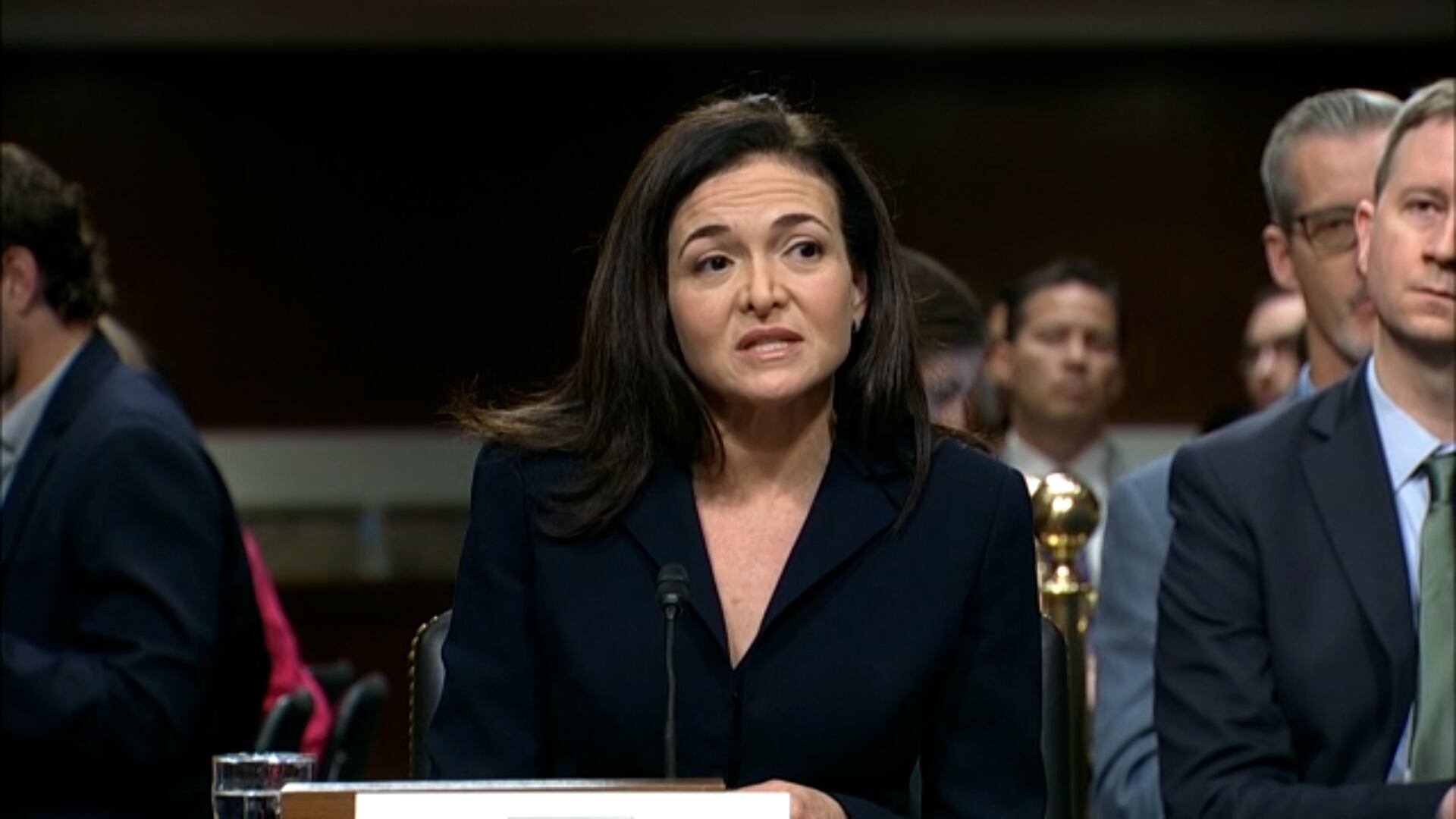
Sheryl Sandberg is stepping down as Chief Operating Officer of Facebook's parent company Meta. After 14 years at a company she helped transform from a little-known social media website into one of the most powerful tech giants in the world, Sandberg announced she's leaving to spend more time with her family and focus on her philanthropic work. Evan Nierman, CEO of Red Banyan Crisis PR and author of Crisis Averted, joined Cheddar to discuss Sandberg's legacy at Facebook, her impact on women in the workplace, and what we can expect to see from her in the future.
Scammers are cashing in on the crypto craze. According to a new report from the FTD, fraudsters have stolen more than $1 billion in crypto from 46,000 people since 2021. That's $1 out of every $4 reported lost to scammers paid in cryptocurrency, more than any other payment method. Chris Pierson, the founder and CEO of BlackCloak, gives tips on how to protect yourself from scammers.