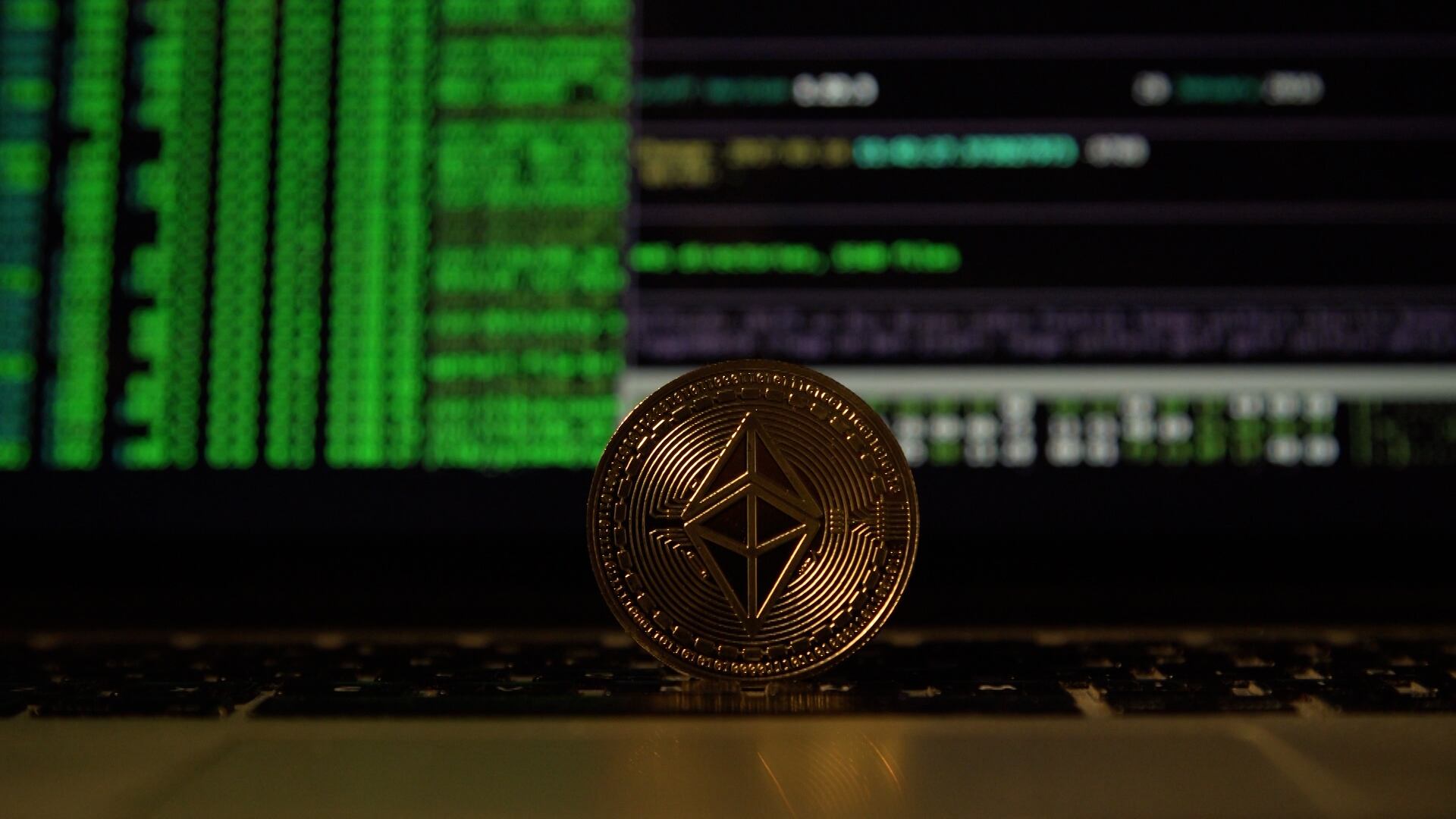
The 2016 presidential election brought to light just how archaic and vulnerable America’s voting system is, raising questions of how to protect democracy from foreign influences and digital hacks in the future. Venture capitalist Bradley Tusk thinks blockchain could be the answer. “Long term, I believe that every American should be able to vote in any election on their phone,” the founder and CEO of Tusk Montgomery Philanthropies told Cheddar Thursday. Through his foundation, Tusk currently funds America’s first blockchain-powered voting experiment in West Virginia. In March, the state launched a secure app to enable deployed military voters from a few counties to vote from wherever they are. “We already have a handful of votes from various locations,” said Mac Warner, West Virginia’s Secretary of State. “I was in the military and I’ve had those experiences where it’s difficult to vote. Think of the soldier on the hillside in Afghanistan...When they have those few minutes to think about an election back home, they want to vote the same way they order something from Amazon.” Following this pilot program, the state wants to expand the program ahead of the midterm elections in November. Tusk says the technology, which is already upending a range of industries from banking to art, provides a safer alternative to the current system. “Blockchain...really is a much, much, much safer way to conduct elections not only compared to just regular online mobile voting, if someone were to try that, but even compared to the systems we have right now,” said Tusk. For a military member to vote, the app not only requires details from their government-issued ID cards, but also uses [facial recognition and fingerprint scans](https://cheddar.com/videos/how-does-blockchain-powered-voting-work) to verify a voter’s identity. “I’m very secure in the integrity of this election process,” sayd Warner. Tusk, who managed former New York City Mayor Michael Bloomberg’s campaign, believes that low voter turnout leads to increased polarization among candidates and that this technology, though nascent, could in the long-term drastically change that. “If, all of a sudden, voting was as easy as pulling out your phone and turnout went from 12 percent to 60 percent, then those same politicians would be forced to represent the views of the mainstream. “To me, that’s the value in doing this. Right now, we don’t have a true represent of democracy,” said Tusk.

Share:
More In Technology
Christie's Announces Sale of Beeple's First Ever Hybrid NFT
Christie's has announced the sale of Beeple's first ever physical artwork and video NFT called 'Human One.' The hybrid piece is expected to fetch over $15 million at its upcoming auction. Noah Davis, Christie's Head of Digital Art joined Cheddar's Opening Bell.
Snap, Youtube, TikTok to Face Questioning from Lawmakers
Later today House Republicans will grill Snap, Tiktok and Youtube on how their products affect the mental health of teenagers. It comes after a report revealed that Facebook's photo sharing platform, Instagram, can be harmful to teen's mental health. Rishi Bharwani, Director of Partnerships and Policy, Accountable Tech joined Cheddar's Opening Bell to discuss.
Facebook Rebrands As Meta
Facebook is changing its company name to Meta. The social media giant is rebranding itself to focus on building the metaverse, a futuristic, immersive experience that would allow people to interact virtually on a daily basis. Steve Sosnick, Interactive Brokers' Chief Strategist, joined Cheddar to discuss the implications of the metaverse and why Facebook is making the move now.
Microsoft Makes the Case for Mesh Metaverse on Teams Coming in 2022
Just days after Facebook's Meta announcement, Microsoft announced that it will be launching its own mixed reality platform called Mesh through Teams. Jared Spataro, corporate vice president at Microsoft 365, joined Cheddar to provide some additional insight into this metaverse for businesses and how they can benefit from incorporating the tech. Among the features, Mesh users will be able to use cartoon-like avatars to interact with colleagues in an immersive virtual environment.
Monsters of the Deep Explained; Connecting the World's Oceans
Cheddar gets a look at Curiosity Stream's 'Ancient Oceans'; Deep-sea biologist Heather Bracken-Grissom sheds light on some of the monsters that we can and cannot explain lurking in the darkness of the ocean's depths; Tim Janssen, CEO of Sofar Ocean, discusses Sofar Ocean's latest round of Series B funding, and how Sofar Ocean is helping connect all five oceans to help everything from climate change to the global shipping industry.
The Company Connecting the World's Oceans
Tim Janssen, CEO of Sofar Ocean, joins 'Cheddar Reveals' to discuss Sofar Ocean's latest round of Series B funding, and how Sofar Ocean is helping connect all five oceans to help everything from climate change to the global shipping industry.
Toyota to Bring Its First All-Electric SUV to U.S. in 2022
Bob Carter, EVP of sales at Toyota Motor North America, joined Cheddar to discuss the company's first all-electric SUV, the BZ4X, to be available in the United States in spring of 2022. Carter also went into the ongoing global semiconductor chip shortage that forced the automaker to slash production by 15 percent in November impacts on production and the other electric vehicle model being offered from its Lexus brand.
Election Day, Climate Pledges & Cautionary TV Tale
Carlo and Baker cover the big races to watch on this off-cycle Election Day, the concrete pledges starting to come out of COP26, Jeffrey Epstein keeps causing CEOs to lose their jobs, and Ryan Murphy's TV hit that wasn't.
Load More