West Virginia's Latest Experiment: Blockchain Elections
The 2016 presidential election brought to light just how archaic and vulnerable America’s voting system is, raising questions of how to protect democracy from foreign influences and digital hacks in the future.
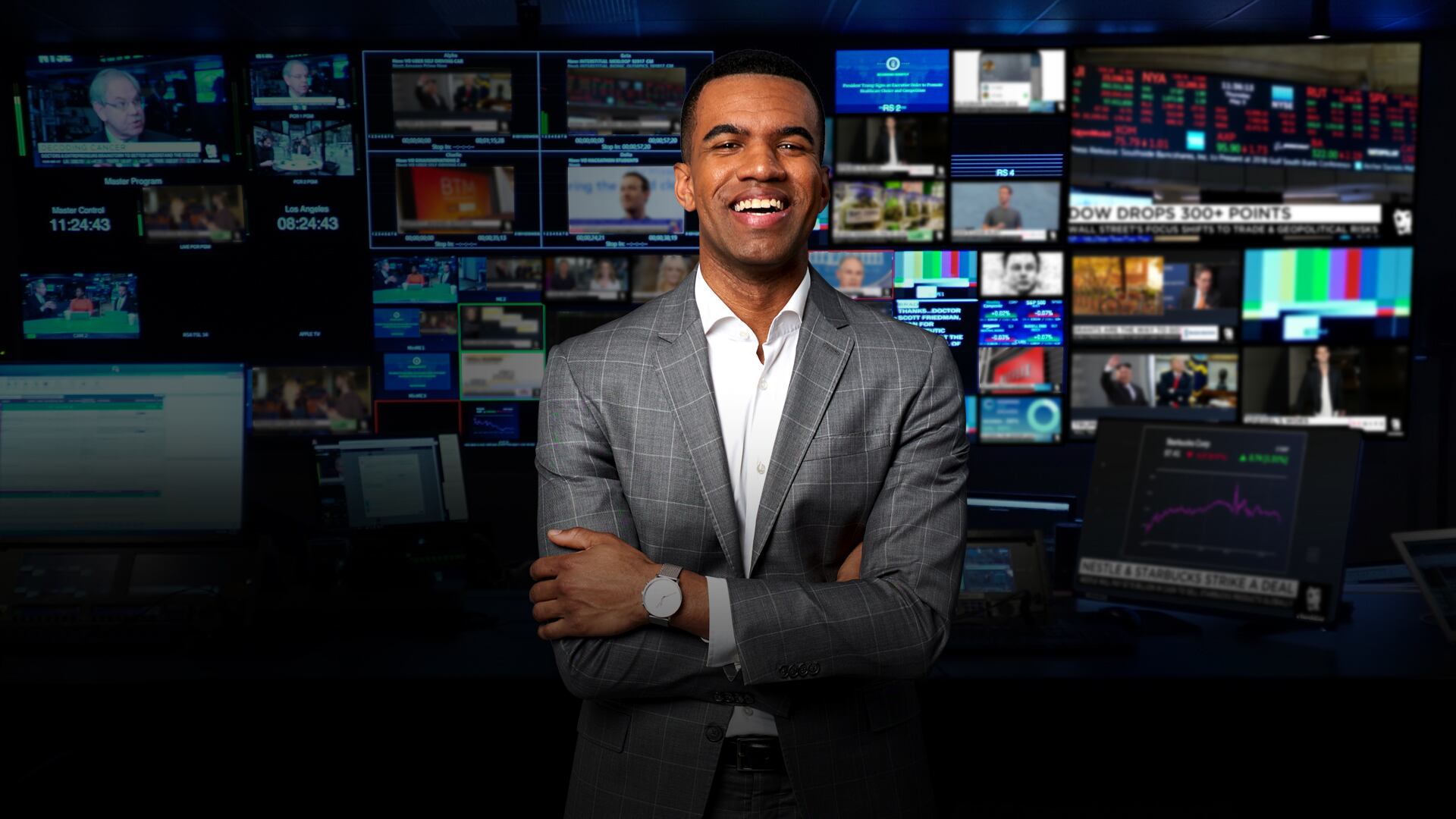
Venture capitalist Bradley Tusk thinks blockchain could be the answer.
“Long term, I believe that every American should be able to vote in any election on their phone,” the founder and CEO of Tusk Montgomery Philanthropies told Cheddar Thursday.
Through his foundation, Tusk currently funds America’s first blockchain-powered voting experiment in West Virginia.
In March, the state launched a secure app to enable deployed military voters from a few counties to vote from wherever they are.
“We already have a handful of votes from various locations,” said Mac Warner, West Virginia’s Secretary of State.
“I was in the military and I’ve had those experiences where it’s difficult to vote. Think of the soldier on the hillside in Afghanistan...When they have those few minutes to think about an election back home, they want to vote the same way they order something from Amazon.”
Following this pilot program, the state wants to expand the program ahead of the midterm elections in November.
Tusk says the technology, which is already upending a range of industries from banking to art, provides a safer alternative to the current system.
“Blockchain...really is a much, much, much safer way to conduct elections not only compared to just regular online mobile voting, if someone were to try that, but even compared to the systems we have right now,” said Tusk.
For a military member to vote, the app not only requires details from their government-issued ID cards, but also uses [facial recognition and fingerprint scans](https://cheddar.com/videos/how-does-blockchain-powered-voting-work) to verify a voter’s identity.
“I’m very secure in the integrity of this election process,” sayd Warner.
Tusk, who managed former New York City Mayor Michael Bloomberg’s campaign, believes that low voter turnout leads to increased polarization among candidates and that this technology, though nascent, could in the long-term drastically change that.
“If, all of a sudden, voting was as easy as pulling out your phone and turnout went from 12 percent to 60 percent, then those same politicians would be forced to represent the views of the mainstream.
“To me, that’s the value in doing this. Right now, we don’t have a true represent of democracy,” said Tusk.
Jack Dorsey has stepped down as CEO of Twitter, saying he believes the social media platform is "ready to move on from its founders". The move has many wondering where Dorsey will focus his attention next, as he is still CEO of his financial payments company Square, which is heavily involved in cryptocurrency. Doug Astrop, managing partner at Exponential Investment Partners, joined Cheddar to discuss what Dorsey's resignation means for tech investors, particularly within the crypto space.
Astra founder, chairman, and CEO Chris Kemp spoke to Cheddar's Kristen Scholer about his company's first successful launch into orbit last month, becoming the fastest space company to reach orbit using a privately developed liquid-fueled rocket. He also noted that the company's priority is to "improve life on Earth from space" by rapidly increasing the number of low-orbiting satellites to do everything from connecting people to monitoring weather patterns.
Once again, YouTube is releasing its annual list of the top trending videos and music videos that had people in the U.S. talking. Madeline Buxton, trends expert for YouTube joins Cheddar News to discuss.
Stocks closed at session lows Wednesday as investors grew skittish over the first reported case of the COVID-19 omicron variant in California. Josh Sailar, Partner at Blue Zone Wealth Advisors, joins Cheddar News' Closing Bell to discuss investor worry over the new variant, the Fed dropping the word 'transitory' to describe inflation and potentially speeding up their asset tapering timeline, 2022 predictions, and more.
The Robin Hood Foundation is New York City's largest poverty-fighting organization. For more than 30 years, Robin Hood has built and fueled non-profits across all five boroughs. CEO Richard Buery joined Cheddar News' Closing Bell ahead of his ringing the closing bell at the New York Stock Exchange and later, lighting of the NYSE Christmas tree.
Creator commerce platform LTK raised $300 million in a recent funding round, now valuing the company at $2 billion. LTK is the world's largest influencer marketing platform and is known for helping to pioneer the so-called 'creator economy.' The company helps content creators make money off of their social media posts by hosting them on one central marketplace. LTK says more than $3 million in products are bought each year on its website and app. Now, the company is looking to continue its growth. LTK co-founder and president Amber Venz Box joins Cheddar News' Closing Bell to discuss.
Microsoft recently announced the standalone Teams Essentials as businesses continue to update their practices for the new norm of hybrid work life. Jared Spataro, corporate VP at Microsoft Modern Work, joined Cheddar to talk about solutions the tech giant has rolled out in order to help underserved small and medium-sized companies continue operations seamlessly. "We're excited about the opportunity to serve their needs better, and that, in particular, is focused on their meeting and communication needs," he said. "We start with Teams, which has been a wildly successful product for us up in the enterprise space, and now we have created a form of Teams that is particularly suited for small businesses."
No matter what you're in the market for this holiday season, there is one way that you can put some cash back in your pocket and stretch your gift budget a little bit further this year. With Lolli, for every gift you buy for someone else, you get the gift of free bitcoin back. CEO of Lolli, Alex Adelman, joins Cheddar News.