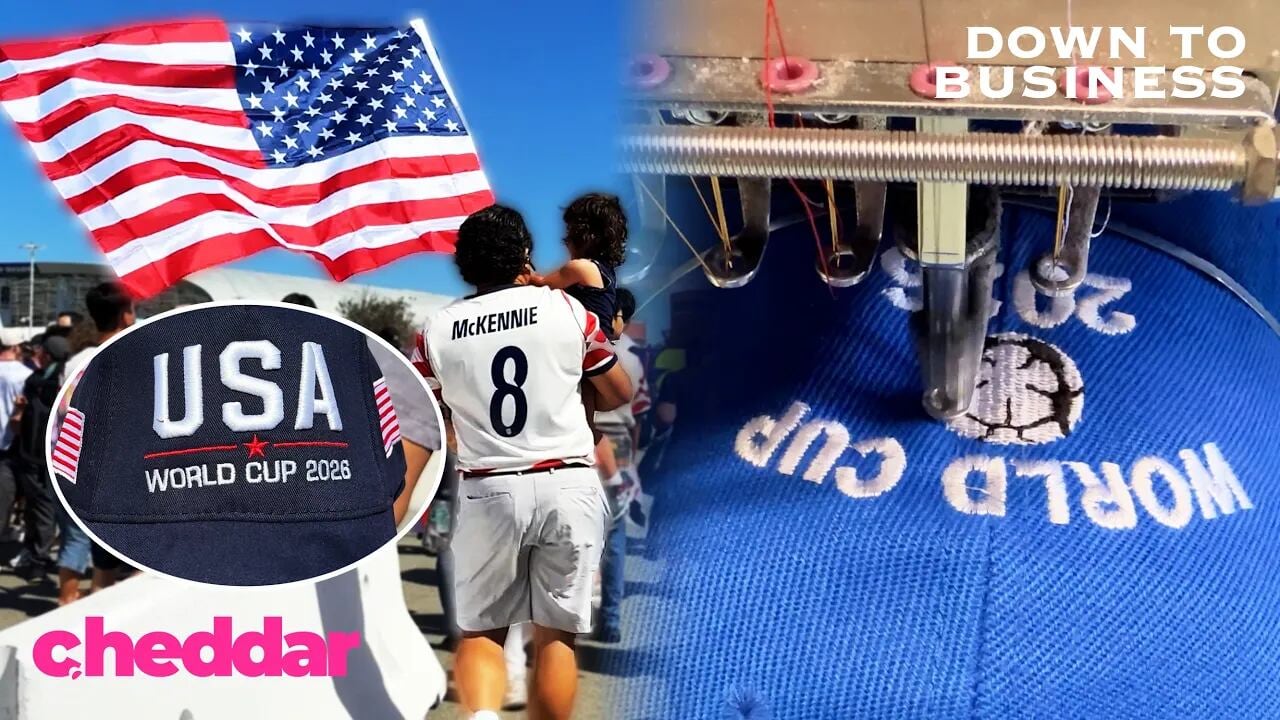
Fast-casual restaurant Dos Toros is one of the latest chains to go cash-free.
Marketing manager Marcus Byrd said that the change saved the team time and that most customers didn’t even notice a difference.
“We found that 85 percent of customers use cards already at Dos Toros,” he said in a Cheddar interview. “And of those 15 percent that use cash, we only found that one percent could not go to Dos Toros.”
The company first went cashless in October and other chains such as Sweetgreen have made similar changes. One recent study finds that nearly two-thirds of smartphone users dole out cash sometimes, they prefer to use cards or mobile payments. Research firm eMarketer credits speed and convenience, safety, and rewards for the change.
Still, going all digital does come with disadvantages. Power outages or WiFi issues mean payments can’t be processed. And the “unbanked” population -- the estimated 7 percent of U.S. households without a bank account are excluded.
Byrd says that the company is focused on bringing in those consumers.
“We’re actually going to come out with an app next year, and we hope that there’s a location that can accept cash and turn that into money on your app or on a gift card, so that everybody can enjoy Dos Toros,” he said.
For the full interview [click here](https://cheddar.com/videos/dos-toros-goes-cashless).
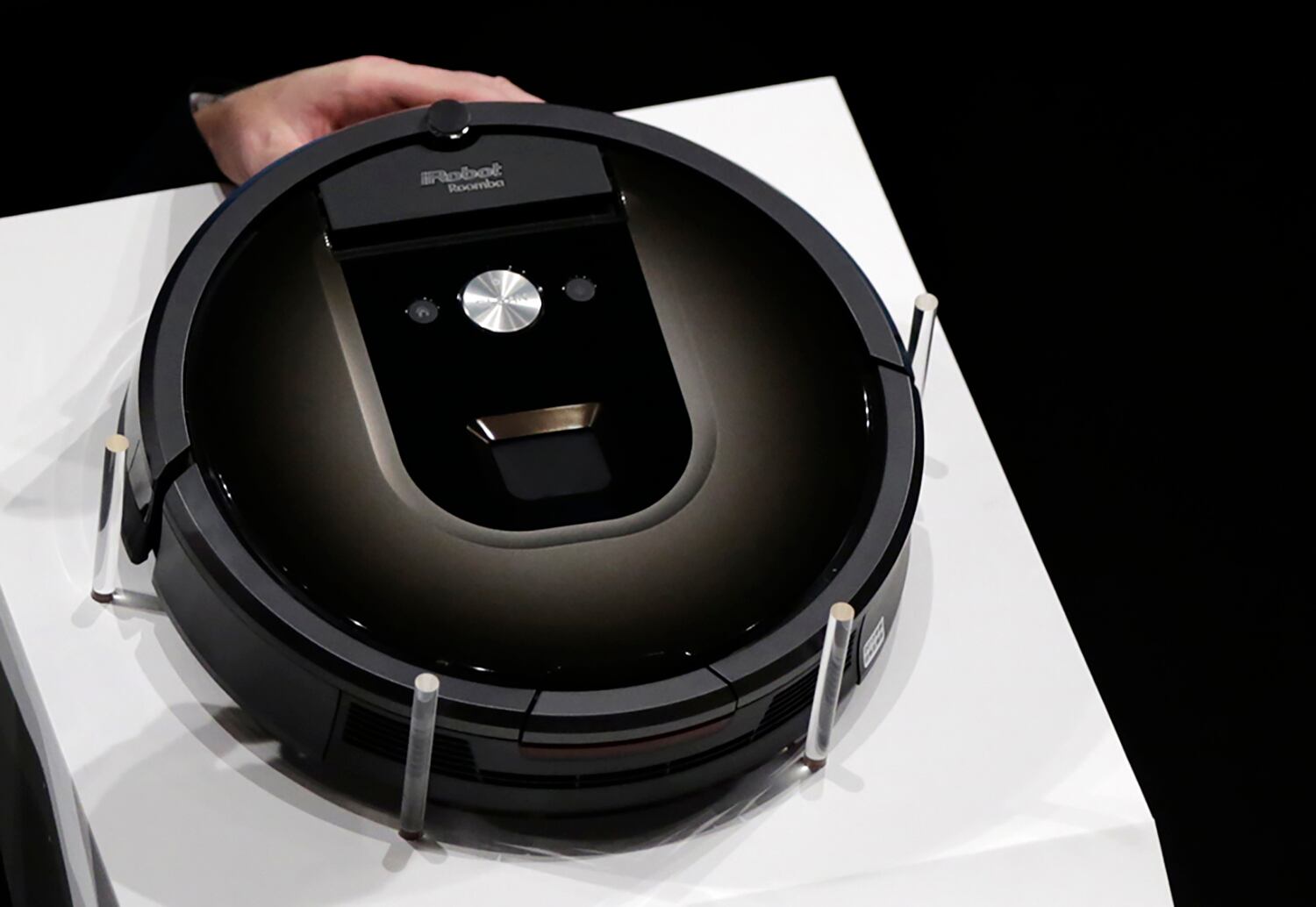
Amazon blamed "regulatory hurdles" for calling off its proposed acquisition of robot vacuum maker iRobot. Not even a Roomba could clean up the deal's antitrust scrutiny.
To celebrate Flutter Entertainment's debut on the NYSE, FanDuel CEO Amy Howe shares her thoughts on the company's plans for growth, the future of online sportsbetting, and Super Bowl Sunday.
Investopedia's Caleb Silver shares thoughts on the upcoming Fed meeting, why individual investors are still slightly skeptical, and what he's looking for from mega cap tech earnings.
Season's greetings! Tax season, that is. January 29 is the first day you can file your tax return. We walk you through each step — plus a checklist you can download.
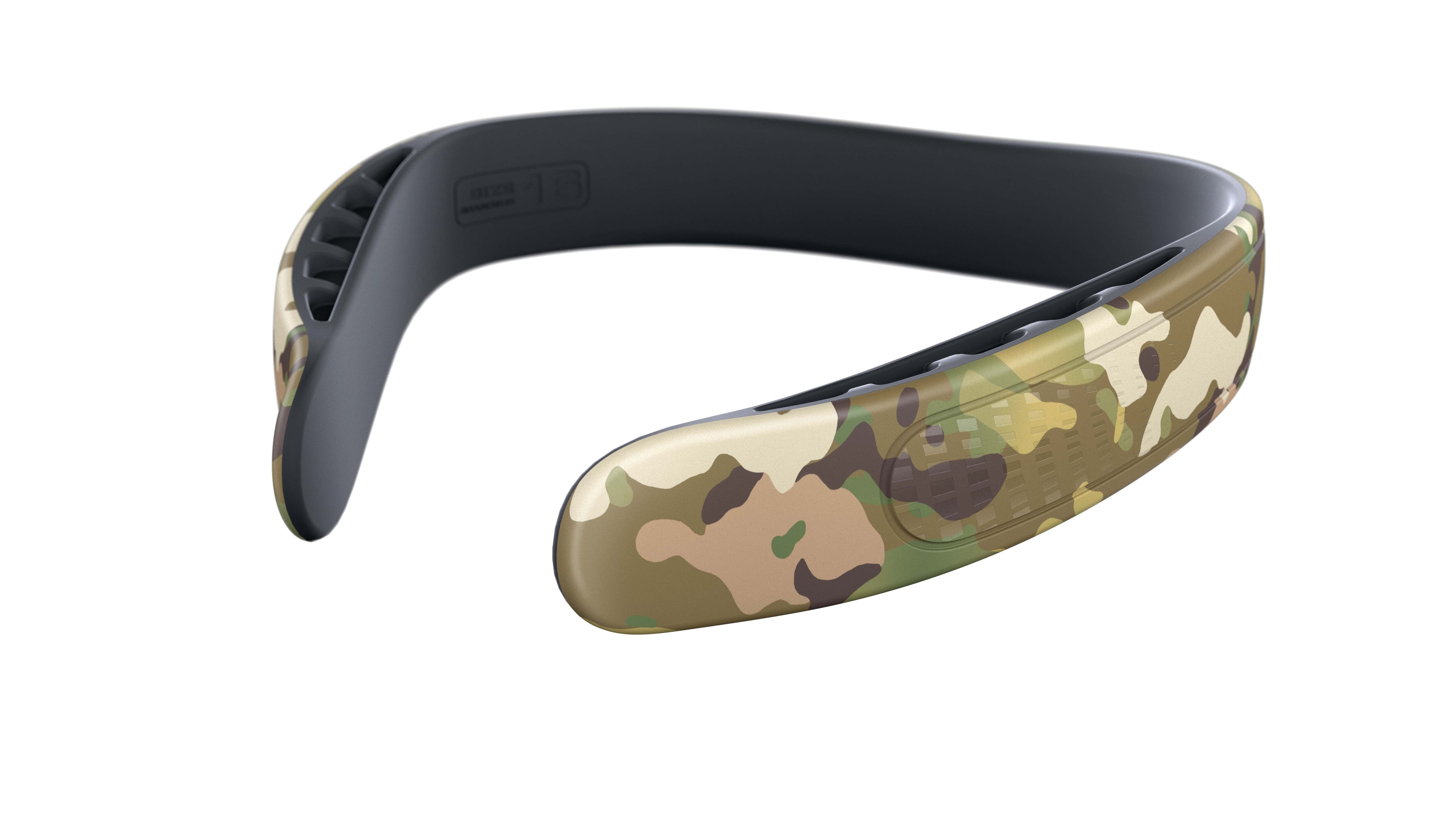
The Q-Collar helps protect athletes from impact-related concussions. Now, the U.S. Army is evaluating if the device could help reduce traumatic brain injury cased by blast weapons.
Co-founder and executive chairman of the board at Vaxxinity Lou Reese shares how the company is working to bring vaccines for chronic illnesses like heart disease and Parkinson’s to market with an eye for accessibility.
Mario Veneroso, Kingsview Asset Management Partner, weighs in on the latest economic data and whether the market is pricing in too many rate cuts for the coming year.