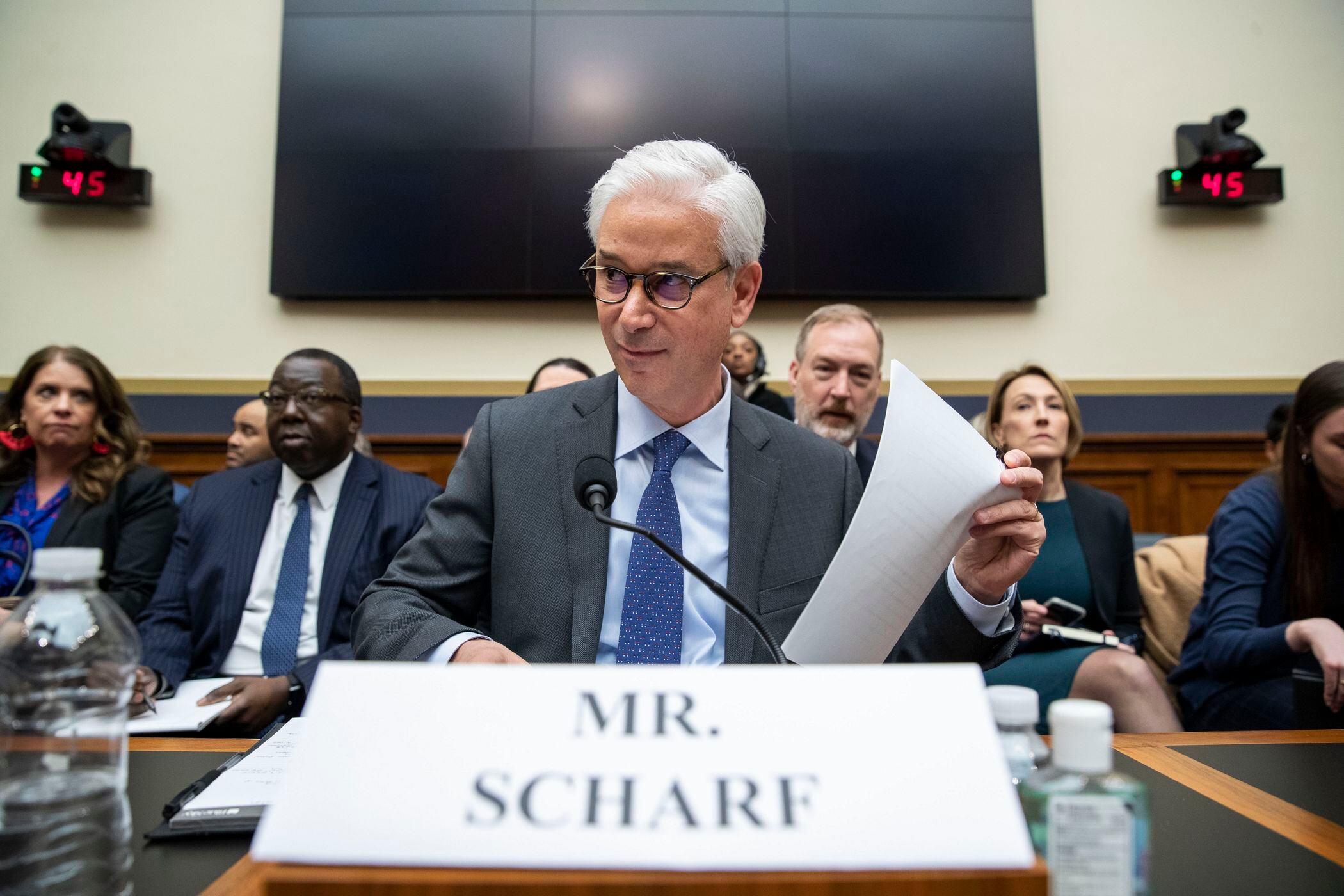
In this March 10, 2020 file photo, Wells Fargo CEO and President Charles Scharf is seated before he testifies during a hearing of the House Financial Services Committee, on Capitol Hill, in Washington. Scharf apologized Wednesday, Sept. 23 for comments he made that dismissed concerns that the banking industry, which has a long history of racist behavior, wasn’t doing enough to promote and retain diverse talent. (AP Photo/Alex Brandon, File)
By Ken Sweet
Wells Fargo CEO Charles Scharf apologized Wednesday for comments he made about the difficulty of finding qualified Black executives.
Scharf said that "there is a very limited pool of black talent to recruit from" in corporate America. The memo to employees was written in June but became public this week.
The comments and similar statements made in a Zoom meeting, reported by Reuters, led to an intense backlash in Washington and on social media.
"Perhaps it is the CEO of Wells Fargo who lacks the talent to recruit Black workers," said Rep. Alexandra Ocasio-Cortez of New York, on Twitter.
Scharf on Wednesday said in a prepared statement that his comments reflected "my own unconscious bias."
"There is no question Wells Fargo has to make meaningful progress to increase diverse representation," he wrote. Wells has pledged to increase the hiring of minority candidates, particularly through Black colleges and universities, as well as new anti-racism training programs at the bank.
American banking is dominated by leadership that is largely white and male. None of the six big Wall Street banks have ever had a Black or female CEO. Citigroup a few weeks ago announced it would promote a woman to CEO next year, the first on Wall Street to do so.
The last prominent African American to serve as CEO at a large financial services company was Kenneth Chenault, the former CEO of American Express. He retired in 2018. In an interview with The Associated Press at the time, Chenault called the lack of a pipeline to recruit and retain diverse talent "embarrassing" to the financial services industry.
Stanley O'Neal, the former CEO Merrill Lynch while it was still an independent company, is also Black. He resigned in 2007 during the firm's collapse.
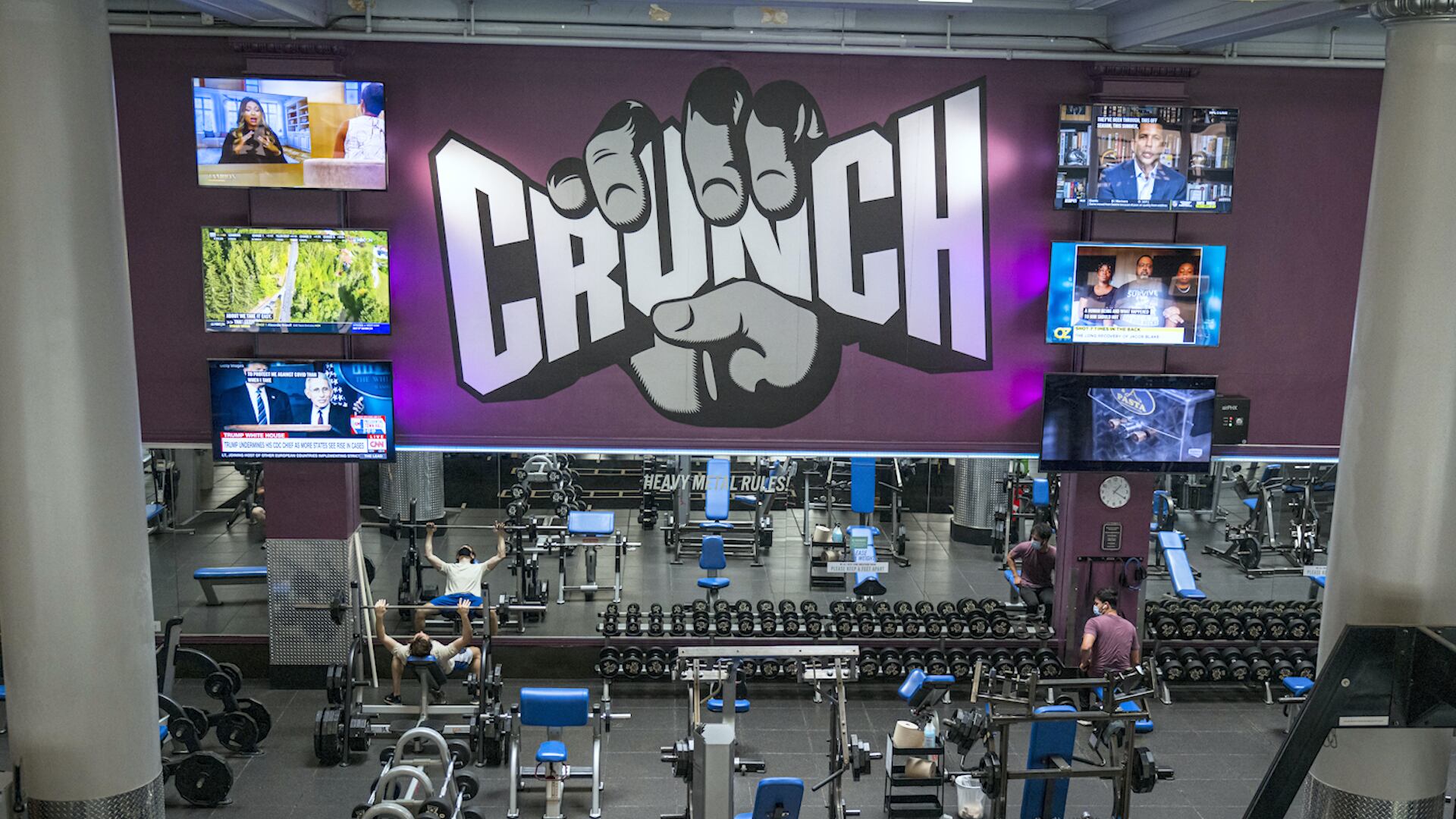
Despite the pandemic and the home workout revolution, many brick and mortar fitness companies have been able to stay afloat. Some even increased their membership during the pandemic, including Crunch Fitness. The Crunch franchise is celebrating 128% growth from pre-COVID membership levels as its 400th club enters pre-sale. Ben Midgley, CEO of Crunch Franchise, joined Cheddar to discuss how the company has been able to succeed during this time.
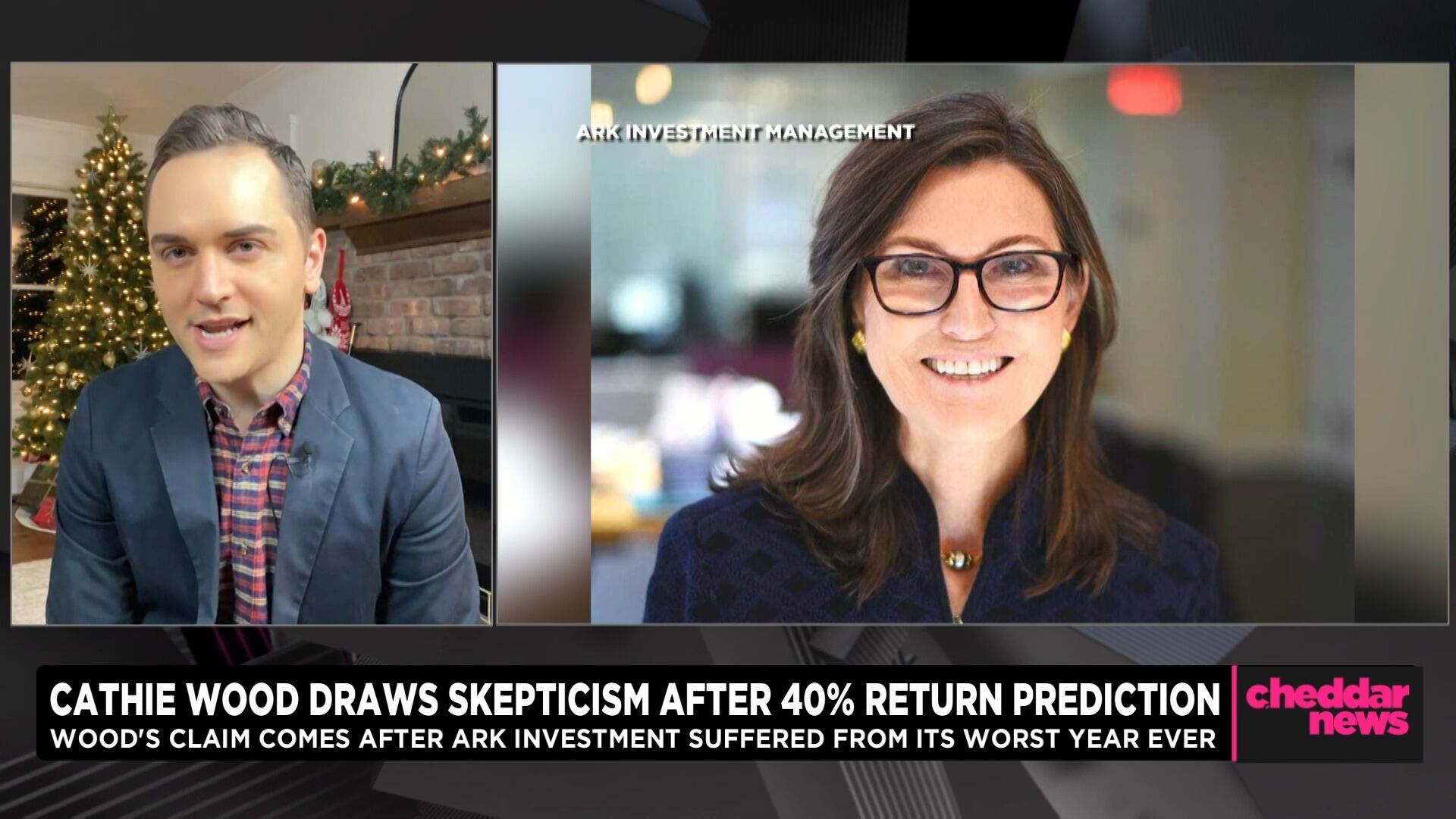
The pandemic prompted a shift toward personalized at-home workouts, and made health and wellness even more of a priority. In the early months of the pandemic, sales for fitness equipment, shoes and apparel skyrocketed as people adapted to working out in the solitude of their own homes. Even as gyms have reopened, some of these trends have stuck around. Jillian Michaels, personal trainer and creator of The Fitness App by Jillian Michaels, joined Cheddar to discuss the home workout revolution and give her advice on how to stick to your 2022 fitness goals.
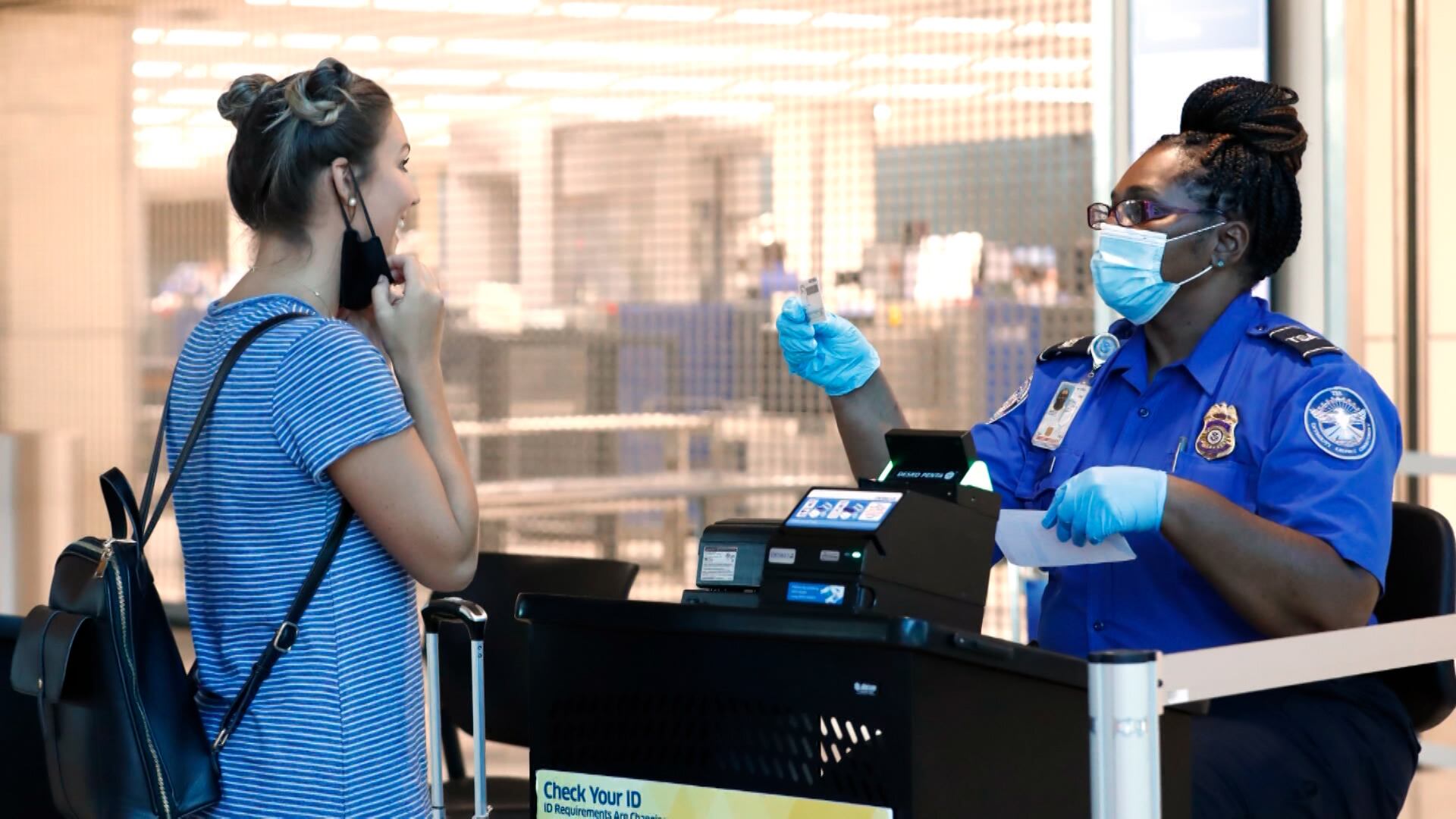
Dr. Bayo Curry-Winchell, Regional Clinical Director at Carbon Health and Member of the Governors Medical Advisory team in Nevada joins Cheddar News to discuss the Omicron Covid variant amid the holiday travel season.
Carlo and Baker preview President Biden's address to the nation as Omicron becomes the new dominant Covid strain. Plus, Trump gets booed for getting his booster and the White House gets a new puppy.
Michele Schneider, Partner and Director of Trading Research & Education for MarketGauge.com, joins Cheddar News' Closing Bell, where she says the spread of the Omicron variant and Jerome Powell's comments following the latest Fed decision are spooking investors heading into the weekend.