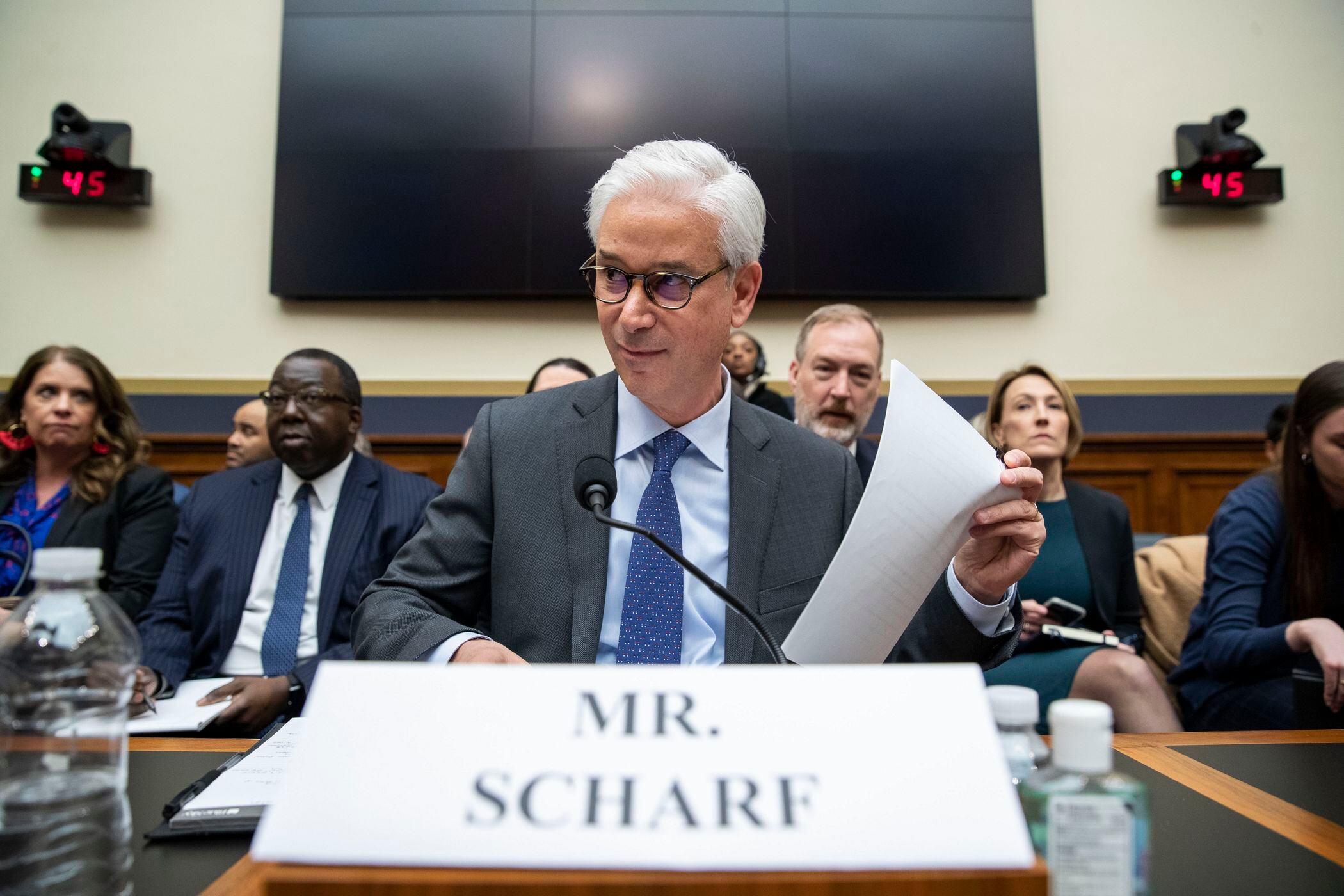
In this March 10, 2020 file photo, Wells Fargo CEO and President Charles Scharf is seated before he testifies during a hearing of the House Financial Services Committee, on Capitol Hill, in Washington. Scharf apologized Wednesday, Sept. 23 for comments he made that dismissed concerns that the banking industry, which has a long history of racist behavior, wasn’t doing enough to promote and retain diverse talent. (AP Photo/Alex Brandon, File)
By Ken Sweet
Wells Fargo CEO Charles Scharf apologized Wednesday for comments he made about the difficulty of finding qualified Black executives.
Scharf said that "there is a very limited pool of black talent to recruit from" in corporate America. The memo to employees was written in June but became public this week.
The comments and similar statements made in a Zoom meeting, reported by Reuters, led to an intense backlash in Washington and on social media.
"Perhaps it is the CEO of Wells Fargo who lacks the talent to recruit Black workers," said Rep. Alexandra Ocasio-Cortez of New York, on Twitter.
Scharf on Wednesday said in a prepared statement that his comments reflected "my own unconscious bias."
"There is no question Wells Fargo has to make meaningful progress to increase diverse representation," he wrote. Wells has pledged to increase the hiring of minority candidates, particularly through Black colleges and universities, as well as new anti-racism training programs at the bank.
American banking is dominated by leadership that is largely white and male. None of the six big Wall Street banks have ever had a Black or female CEO. Citigroup a few weeks ago announced it would promote a woman to CEO next year, the first on Wall Street to do so.
The last prominent African American to serve as CEO at a large financial services company was Kenneth Chenault, the former CEO of American Express. He retired in 2018. In an interview with The Associated Press at the time, Chenault called the lack of a pipeline to recruit and retain diverse talent "embarrassing" to the financial services industry.
Stanley O'Neal, the former CEO Merrill Lynch while it was still an independent company, is also Black. He resigned in 2007 during the firm's collapse.
Kevin Book, Managing Director at Clearview Energy Partners, breaks down the factors that impact the price of gas and what this means for renewable energy initiatives.
Kelsey Sutton, streaming editor at Adweek, talks about the offers going on during Disney+ Day and what the entertainment giant is doing to boost subscriber growth.
We are just one day away from what has been called the most influential tech event in the world. CES 2022 will officially kick off on Wednesday in Las Vegas, but the annual tech summit is being impacted by COVID-19, like so many other recent events. The Consumer Technology Association originally planned for a hybrid event to take place from January 5-8, with some in-person events and some virtual; however, a few big-name companies announced they will not be attending in-person, so the CTA decided to shorten the event by one day, with it now ending on Friday. Consumer electronics senior analyst Will Greenwald joins Cheddar News' Closing Bell to discuss.
Stocks closed mixed Tuesday, with the Dow hitting a record close, but the tech-heavy Nasdaq remained under pressure as bond yields continue to rise. Meanwhile, the S&P 500 closed lower, just shy of a record high. Nancy Prial, Co-CEO & Senior Portfolio Manager of Essex Investment Management joins Cheddar News' Closing Bell to discuss today's close, market predictions for 2022, and more.
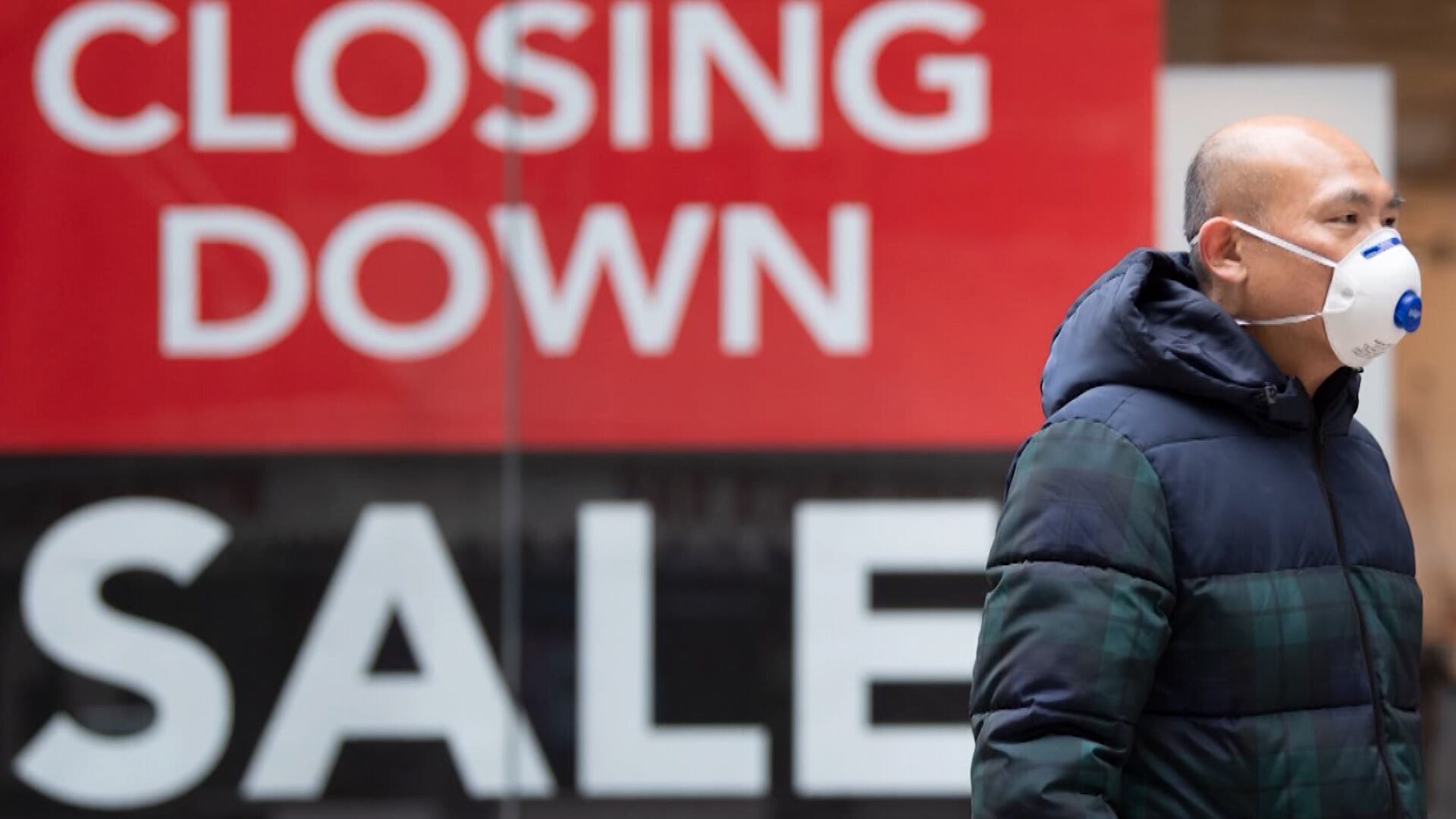
This year - for the first time in five years - store openings might actually top announced store closings. Reports show that we're seeing companies opening up new locations by the dozens, and by the hundreds. The need for customers to touch and feel its' products is only one factor in the equation. John Harmon, senior analyst at Coresight Research, joins Cheddar News' Closing Bell to discuss.
Harry Yeh, Managing Director at Quantum Fintech Group, joins Cheddar News' Closing Bell, where he explains why his firm has a target estimate of $400,000 for Bitcoin this year.
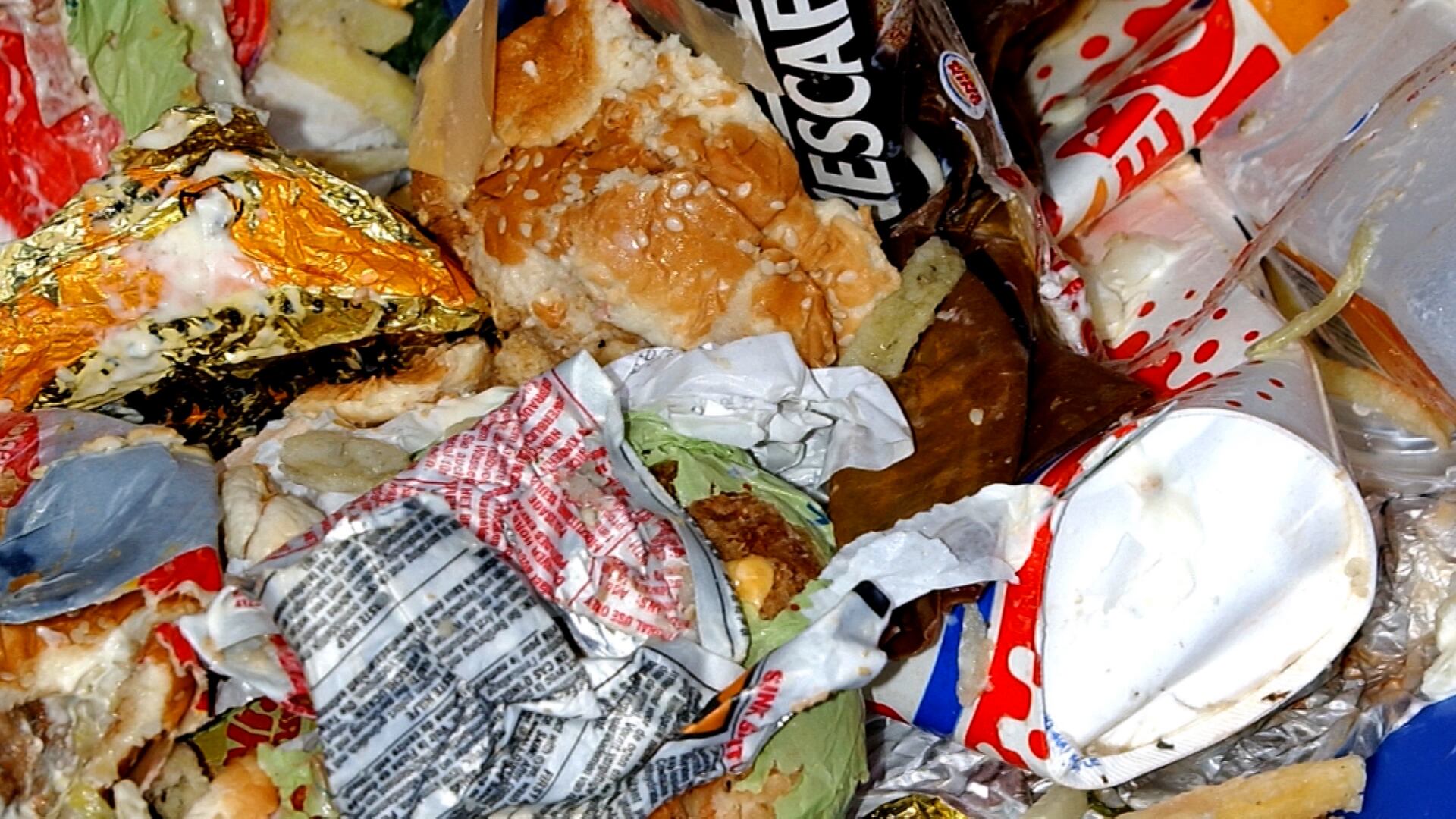
California's new composting law will affect what residents do in their kitchens. As of this week, Californians will have to recycle excess food in an effort to reduce emissions caused by food waste. Cities and counties will turn recycled food into compost or use it as a renewable energy source. California's new law is the largest mandatory residential food waste recycling program in the country. Rachel Wagoner, Director of the California Department of Resources, Recycling and Recovery called the law 'the biggest change to trash' since recycling started in the 1980s. She joined Cheddar Climate to discuss.
Like the big changeover to e-commerce for retail, the COVID-19 pandemic has moved car buying trends to the digital showroom. Karl Brauer, an executive analyst at iSeeCars.com, joined Cheddar to talk about the "mindset shift" in consumers and businesses to order-based systems in the United States (something more common in other countries). While more than 60 percent of consumers still prefer to visit dealerships in-person, Brauer noted that consumers are better off ordering a car to spec, which would also help improve supply constraints. "It's really bad right now to be building cars and not really knowing who's going to buy them or when they're going to sell," he said. Manufacturing a car to order would maximize the efficiency of obtaining materials through the supply chain rather than "shotgunning it" at dealerships.
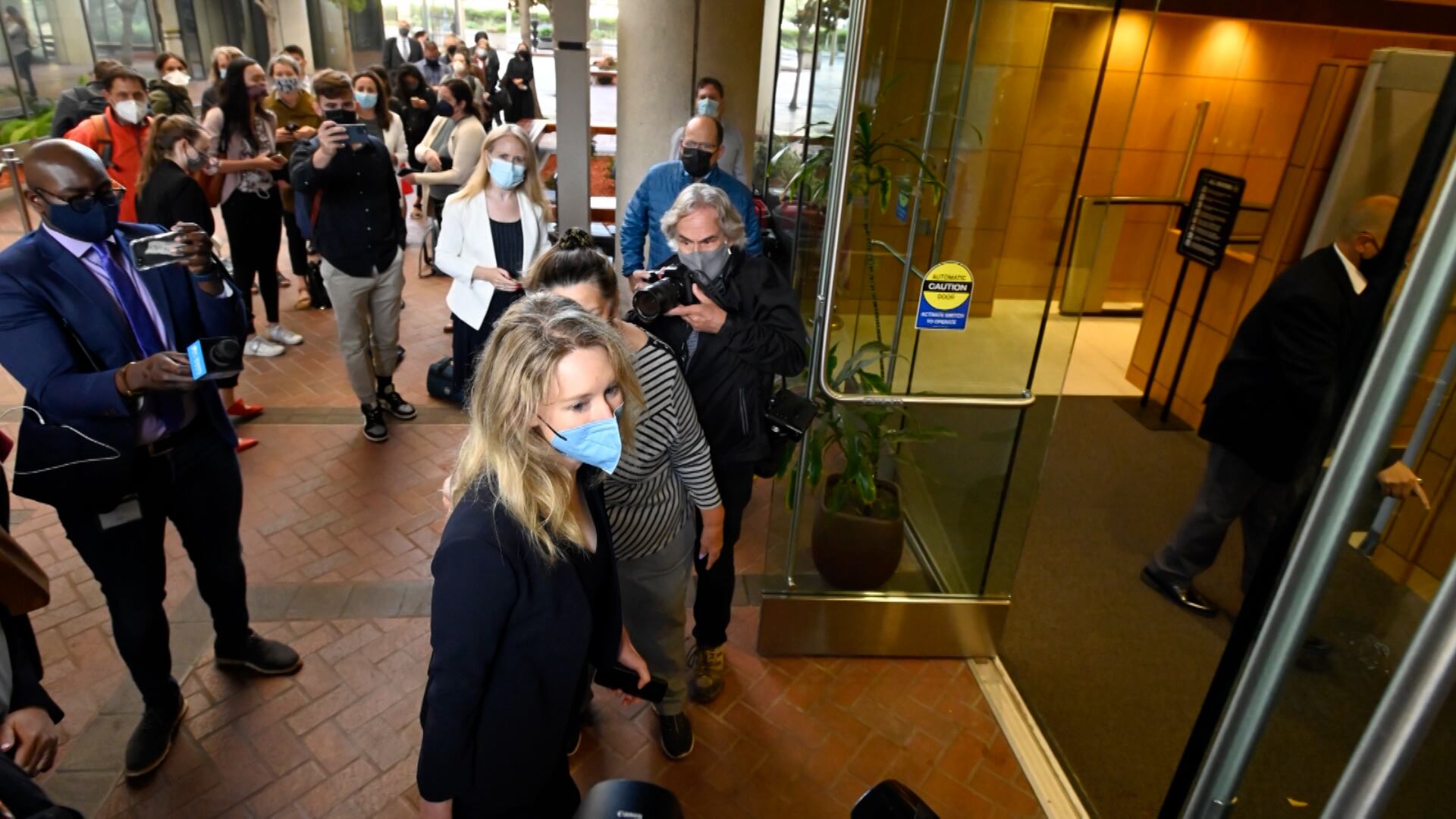
Mark MacDougall, attorney and former prosecutor with the criminal division of the Department of Justice, joined Cheddar to discuss the fraud conviction of Theranos founder Elizabeth Holmes. MacDougall addressed Holmes' stance that what she did was no different than any other Silicon Valley startup's approach to business and how this will shake out for the industry going forward. "I can't imagine it doesn't have some salutary effect on entrepreneurs and people involved in new ventures going forward," he said. Holmes was found guilty on 4 of 11 counts, with each carrying a maximum of 20 years in prison, but MacDougall explained that the lengthy prison sentences were unlikely.