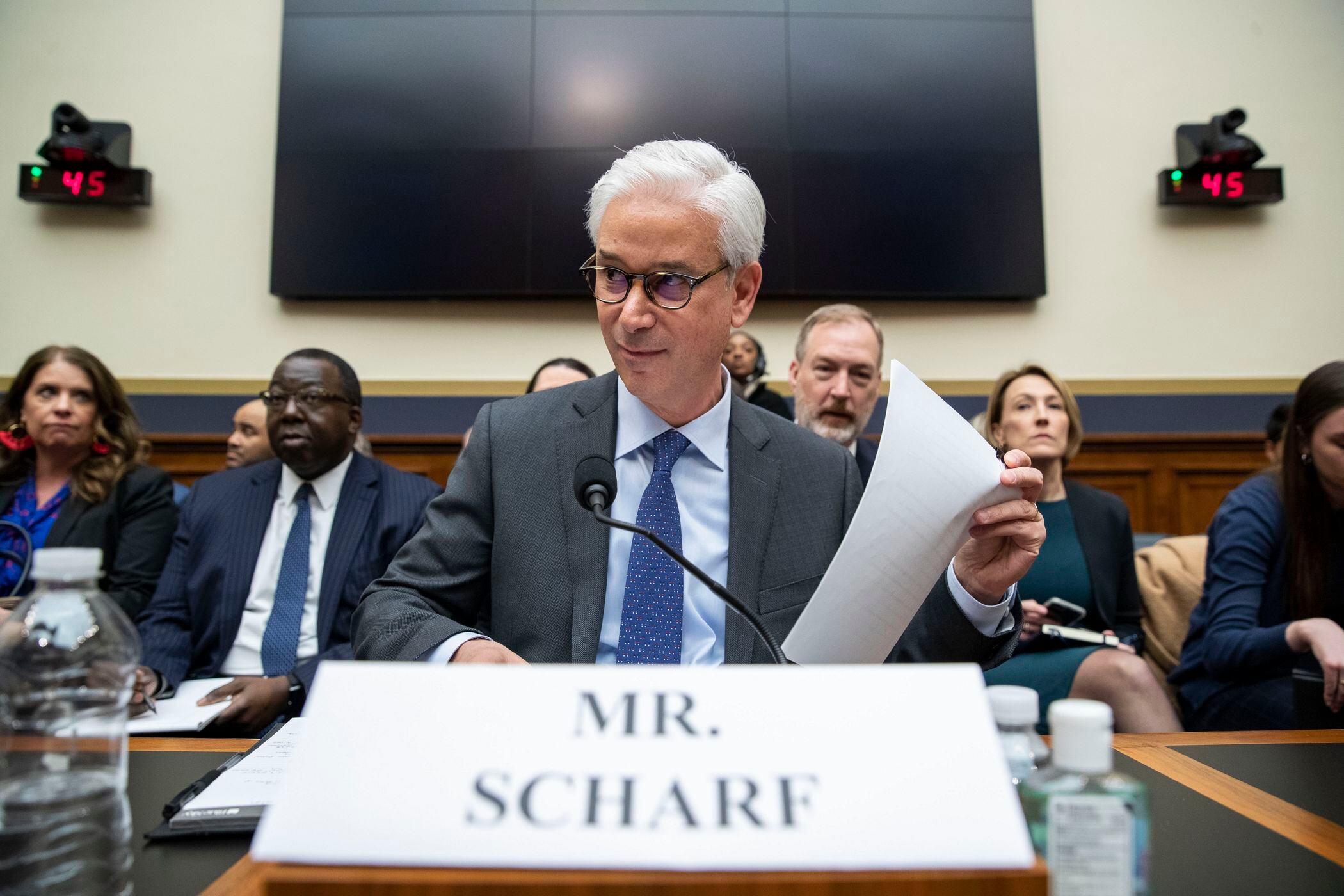
In this March 10, 2020 file photo, Wells Fargo CEO and President Charles Scharf is seated before he testifies during a hearing of the House Financial Services Committee, on Capitol Hill, in Washington. Scharf apologized Wednesday, Sept. 23 for comments he made that dismissed concerns that the banking industry, which has a long history of racist behavior, wasn’t doing enough to promote and retain diverse talent. (AP Photo/Alex Brandon, File)
By Ken Sweet
Wells Fargo CEO Charles Scharf apologized Wednesday for comments he made about the difficulty of finding qualified Black executives.
Scharf said that "there is a very limited pool of black talent to recruit from" in corporate America. The memo to employees was written in June but became public this week.
The comments and similar statements made in a Zoom meeting, reported by Reuters, led to an intense backlash in Washington and on social media.
"Perhaps it is the CEO of Wells Fargo who lacks the talent to recruit Black workers," said Rep. Alexandra Ocasio-Cortez of New York, on Twitter.
Scharf on Wednesday said in a prepared statement that his comments reflected "my own unconscious bias."
"There is no question Wells Fargo has to make meaningful progress to increase diverse representation," he wrote. Wells has pledged to increase the hiring of minority candidates, particularly through Black colleges and universities, as well as new anti-racism training programs at the bank.
American banking is dominated by leadership that is largely white and male. None of the six big Wall Street banks have ever had a Black or female CEO. Citigroup a few weeks ago announced it would promote a woman to CEO next year, the first on Wall Street to do so.
The last prominent African American to serve as CEO at a large financial services company was Kenneth Chenault, the former CEO of American Express. He retired in 2018. In an interview with The Associated Press at the time, Chenault called the lack of a pipeline to recruit and retain diverse talent "embarrassing" to the financial services industry.
Stanley O'Neal, the former CEO Merrill Lynch while it was still an independent company, is also Black. He resigned in 2007 during the firm's collapse.
Parallel Systems has been selected to receive $4.5 million from the Department of Energy for an advanced testing program of its autonomous, battery-electric rail vehicles. The startup, which has raised more than $53 million to date, was founded by former SpaceX engineers to reimagine the rail system by creating a more efficient, decarbonized freight network. Matt Soule, Co-founder & CEO of Parallel Systems, joined Cheddar's Opening Bell to discuss what the company hopes to achieve.
Disney reported earnings beat on both top and bottom lines. Earnings per share came in at $1.06 versus Refinitiv estimates of 63 cents. Revenue also exceeded expectations at $21.82 billion dollars versus $20.91 billion expected. Meanwhile, Disney+ added 11.8 million new subscribers this quarter to reach nearly 130 million total. Tuna Amobi, media and entertainment expert at CFRA research, joined Cheddar to gives his take on Disney's earnings blowout.
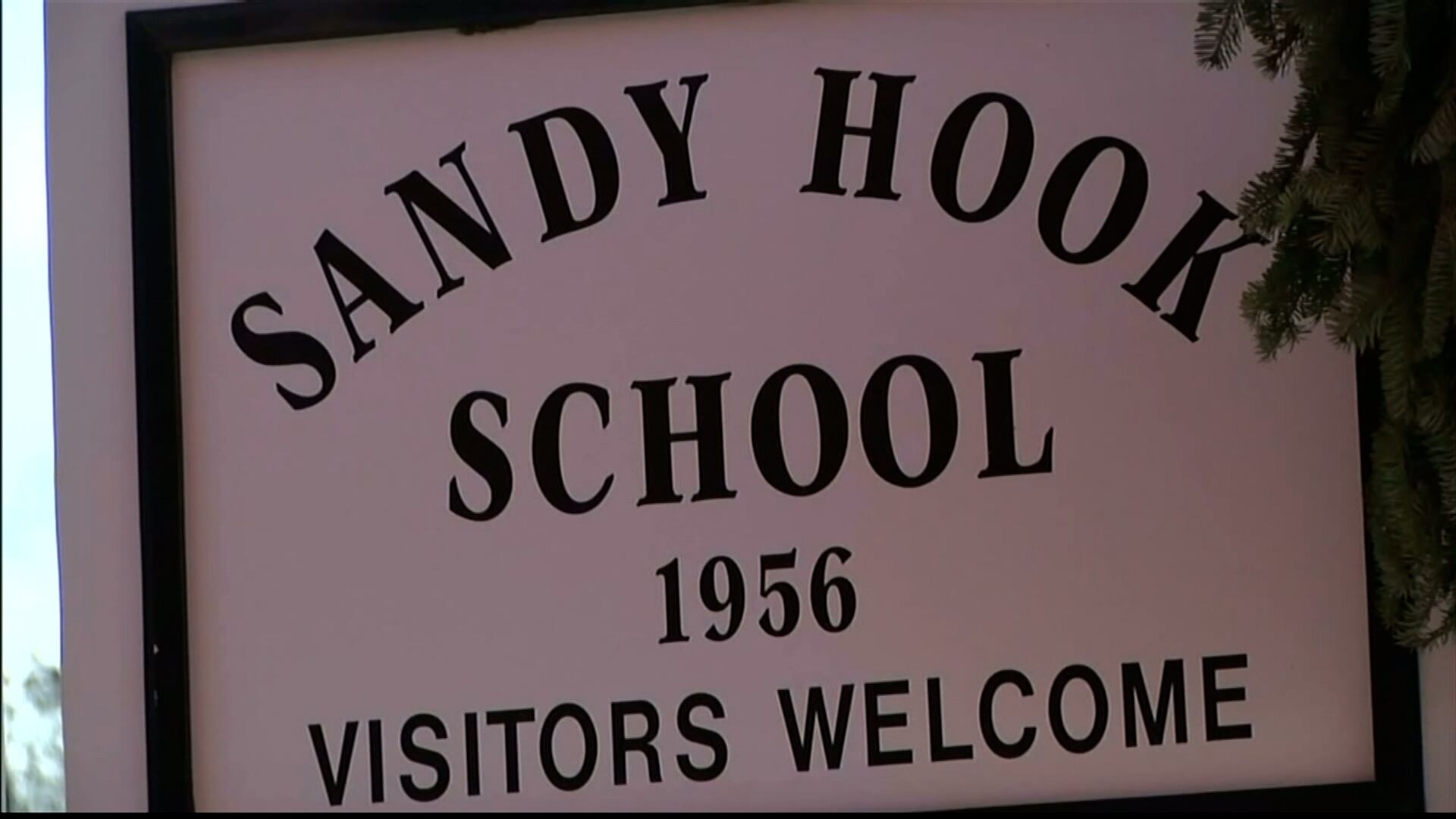
Almost a decade after facing a parent's worst nightmare, the families of the young students killed in the Sandy Hook School shooting reached a settlement with gun manufacturer Remington, makers of the Bushmaster AR-15 used in the crime. David Pucino, deputy chief counsel, Giffords Law Center to Prevent Gun Violence joined Cheddar News to discuss the families' case and how its strategy brought about the legal settlement. "They built a really great case showing the way that Bushmaster developed its advertising to drive sales using those toxic messages.
Private equity firms are taking a big interest in investing in NBA teams, the sports league showing the highest ROI over the last two decades according to Sportico, Forbes, and PitchBook. Wylie Fernyhough, lead analys for private equity at PitchBook joined Cheddar News to discuss the way firms are looking to get a piece of the action on the court. “There’s a certain amount of rarity, with these," Fernyhough said. "They’re not exactly printing new NBA franchises."
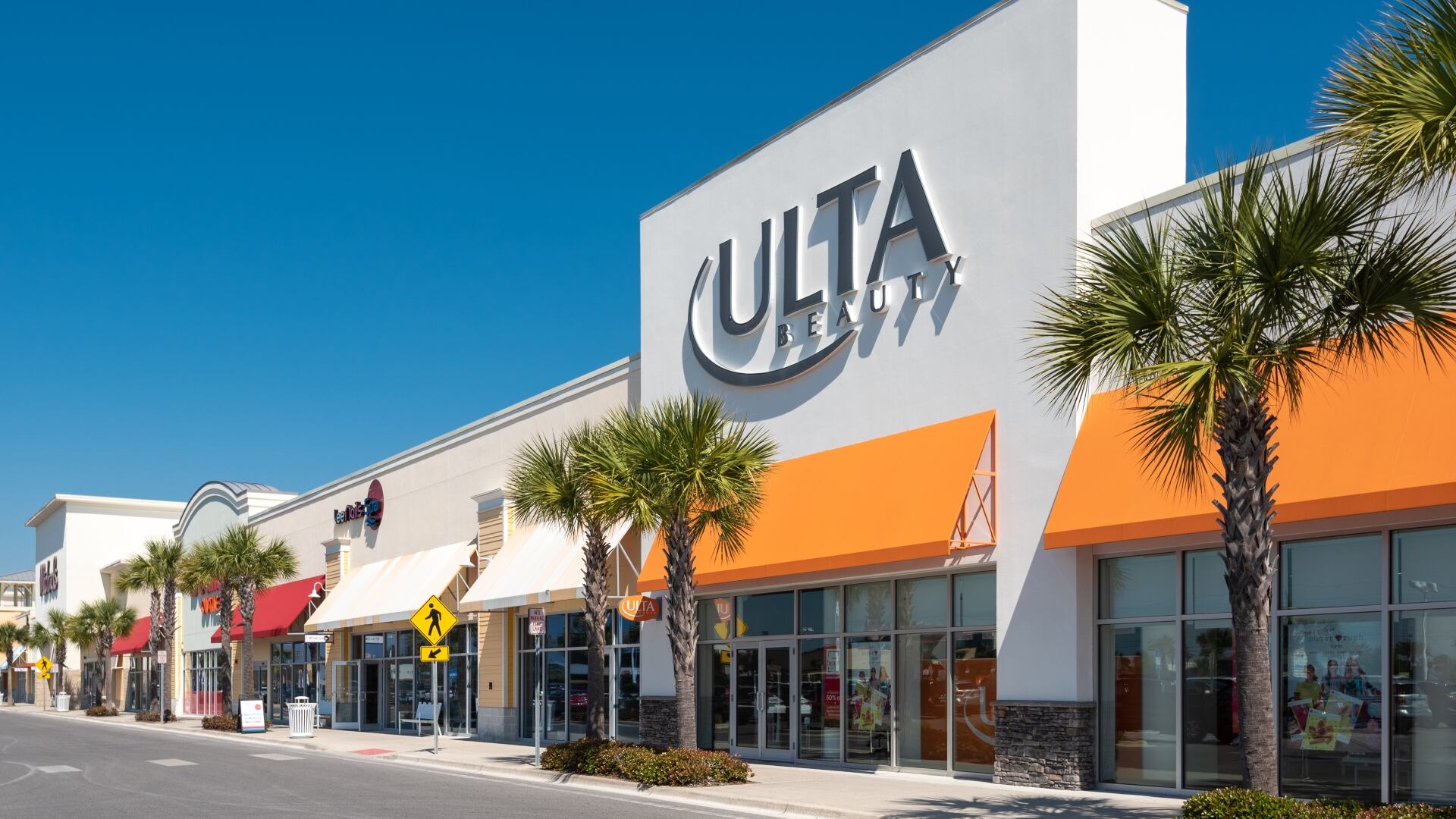
In efforts to help support black-owned brands. Ulta Beauty says it will make a commitment to not only give these brand shelf space but also help them navigate the ins and outs of growing a business. Last week, the beauty retailer announced in order to reach those goals, the company will spend $50 million on diversity and inclusion programs, including an accelerated program to mentor entrepreneurs of color. CEO of Ulta Beauty, Dave Kimbell, joined Cheddar to discuss more.
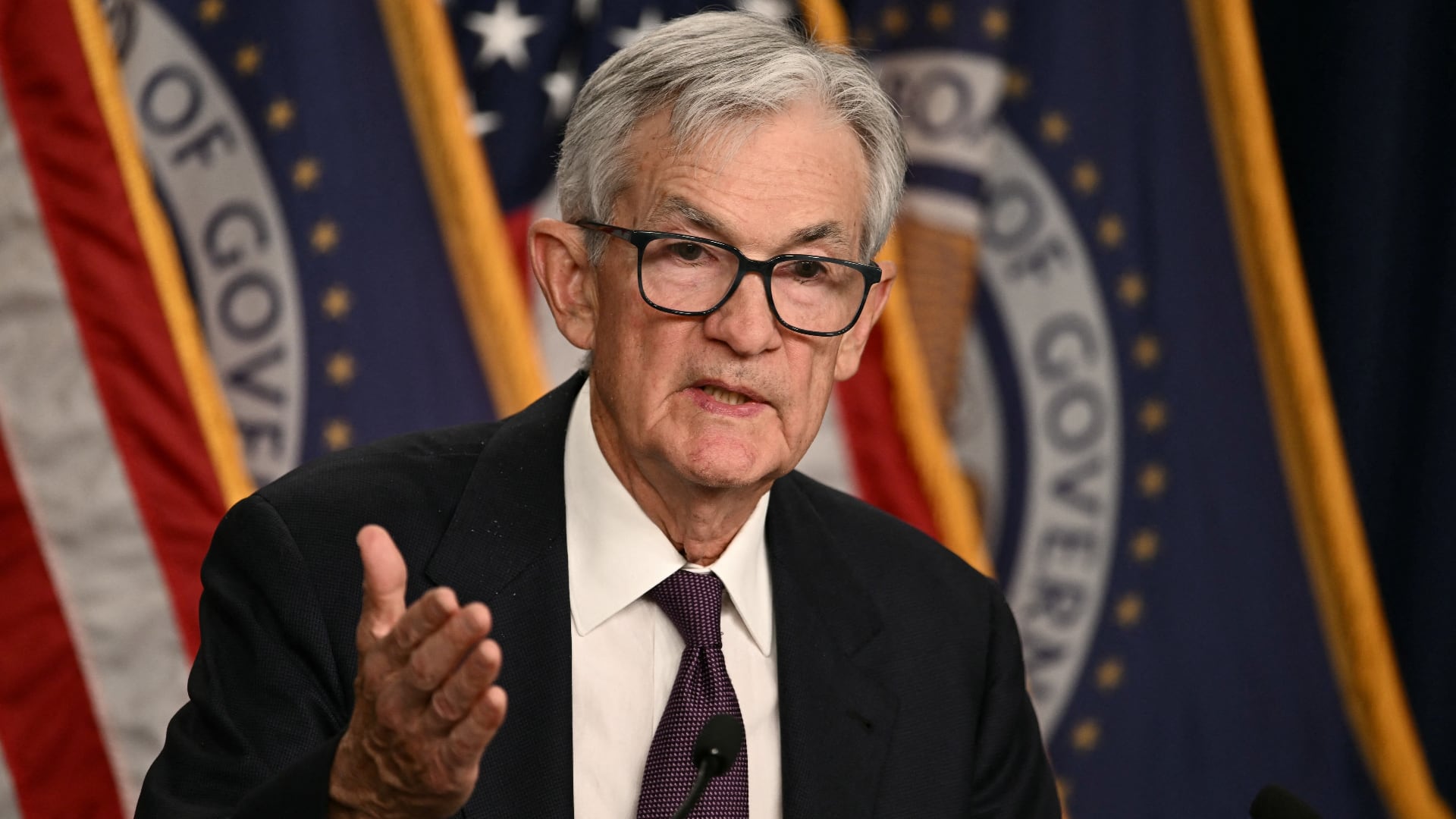
Inflation remains hot as the January PPI has increased by 1 percent, twice what analysts had been expecting with a jump of 9.7 over the year. Beth Ann Bovino, the U.S. chief economist, for S&P Global Ratings, joined Cheddar News to discuss the rapid pace of inflation alongside higher wages, predicting the Federal Reserve will act quickly and forcefully this year. "They haven't changed their forecast, yet, that's gonna come out soon. But we expect that a March rate hike is basically pretty much baked in the cake," she said. "We think six rate hikes in total for 2022."
For black history month, Cheddar is highlighting black business leaders who are driving the need for representation forward. On February 10, the U.S. Chamber of Commerce hosted an event called 'Developing the Black-Owned Business Ecosystem.' The virtual event was organized under the lobbying group's two initiatives -- the Equality of Opportunity Initiative, and the Coalition to Back Black Businesses. The event highlighted the developments needed to develop more black-owned businesses in the U.S. Dr. Anthony Wilbon, Dean of the School of Business at Howard University, joined Cheddar News' Closing Bell to discuss his experience as a speaker at the event.
Black spending power reached a record $1.6 Trillion in a 2021 report from the University of Georgia Selig Center for Economic Growth. Ayesha Selden, certified financial planner, breaks down why real estate is the key to closing the racial wealth gap and how Black Americans are using social media to improve financial literacy. "If we look at home ownership as being a primary driver of wealth, when you look at the equity that Americans have in their homes, that equity can be used to buy additional assets like other rental properties. That equity can be used to educate our children," Selden said, noting that lower rates of home ownership meant Black Americans tend to incur more debt on average for their student loans.
A new survey from Etoro suggests that talking crypto might actually help Americans on the dating scene find love...or at least land another date. The survey found that 74% of respondents would be more interested in going on a second date with a person that pays the bill in Bitcoin. Callie Cox, Etoro's U.S. investment analyst, joined Cheddar News to discuss.