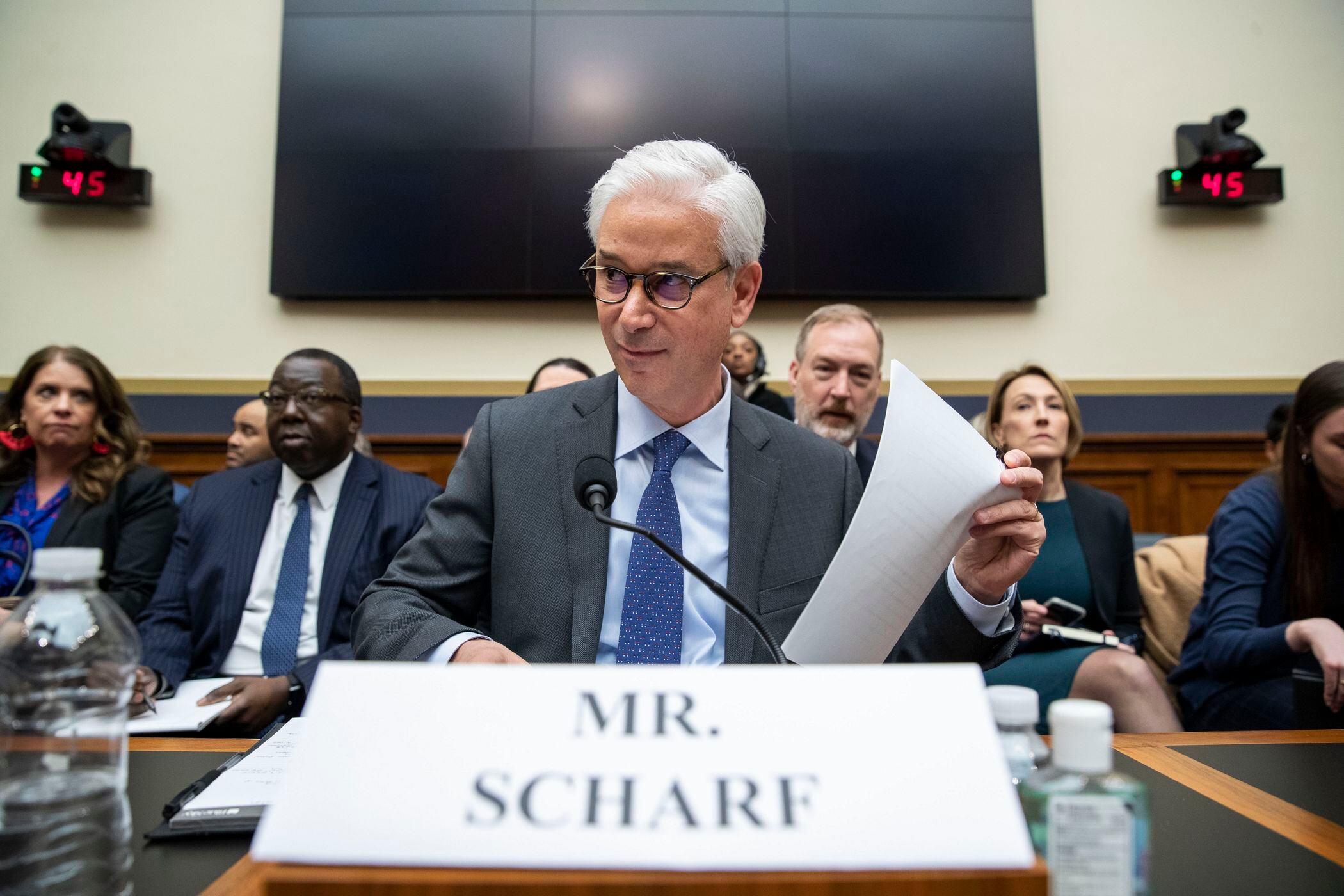
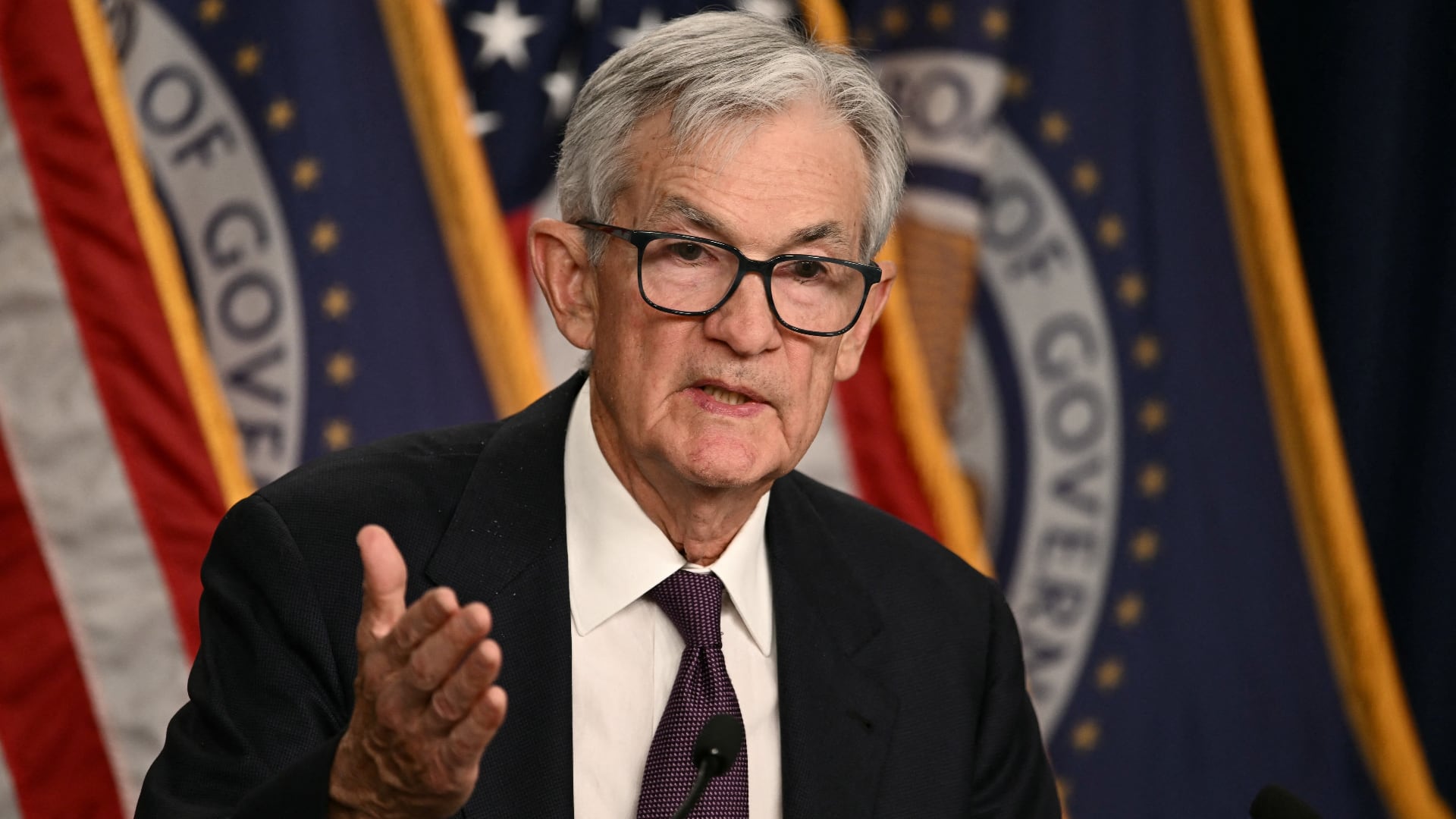
In this March 10, 2020 file photo, Wells Fargo CEO and President Charles Scharf is seated before he testifies during a hearing of the House Financial Services Committee, on Capitol Hill, in Washington. Scharf apologized Wednesday, Sept. 23 for comments he made that dismissed concerns that the banking industry, which has a long history of racist behavior, wasn’t doing enough to promote and retain diverse talent. (AP Photo/Alex Brandon, File)
By Ken Sweet
Wells Fargo CEO Charles Scharf apologized Wednesday for comments he made about the difficulty of finding qualified Black executives.
Scharf said that "there is a very limited pool of black talent to recruit from" in corporate America. The memo to employees was written in June but became public this week.
The comments and similar statements made in a Zoom meeting, reported by Reuters, led to an intense backlash in Washington and on social media.
"Perhaps it is the CEO of Wells Fargo who lacks the talent to recruit Black workers," said Rep. Alexandra Ocasio-Cortez of New York, on Twitter.
Scharf on Wednesday said in a prepared statement that his comments reflected "my own unconscious bias."
"There is no question Wells Fargo has to make meaningful progress to increase diverse representation," he wrote. Wells has pledged to increase the hiring of minority candidates, particularly through Black colleges and universities, as well as new anti-racism training programs at the bank.
American banking is dominated by leadership that is largely white and male. None of the six big Wall Street banks have ever had a Black or female CEO. Citigroup a few weeks ago announced it would promote a woman to CEO next year, the first on Wall Street to do so.
The last prominent African American to serve as CEO at a large financial services company was Kenneth Chenault, the former CEO of American Express. He retired in 2018. In an interview with The Associated Press at the time, Chenault called the lack of a pipeline to recruit and retain diverse talent "embarrassing" to the financial services industry.
Stanley O'Neal, the former CEO Merrill Lynch while it was still an independent company, is also Black. He resigned in 2007 during the firm's collapse.
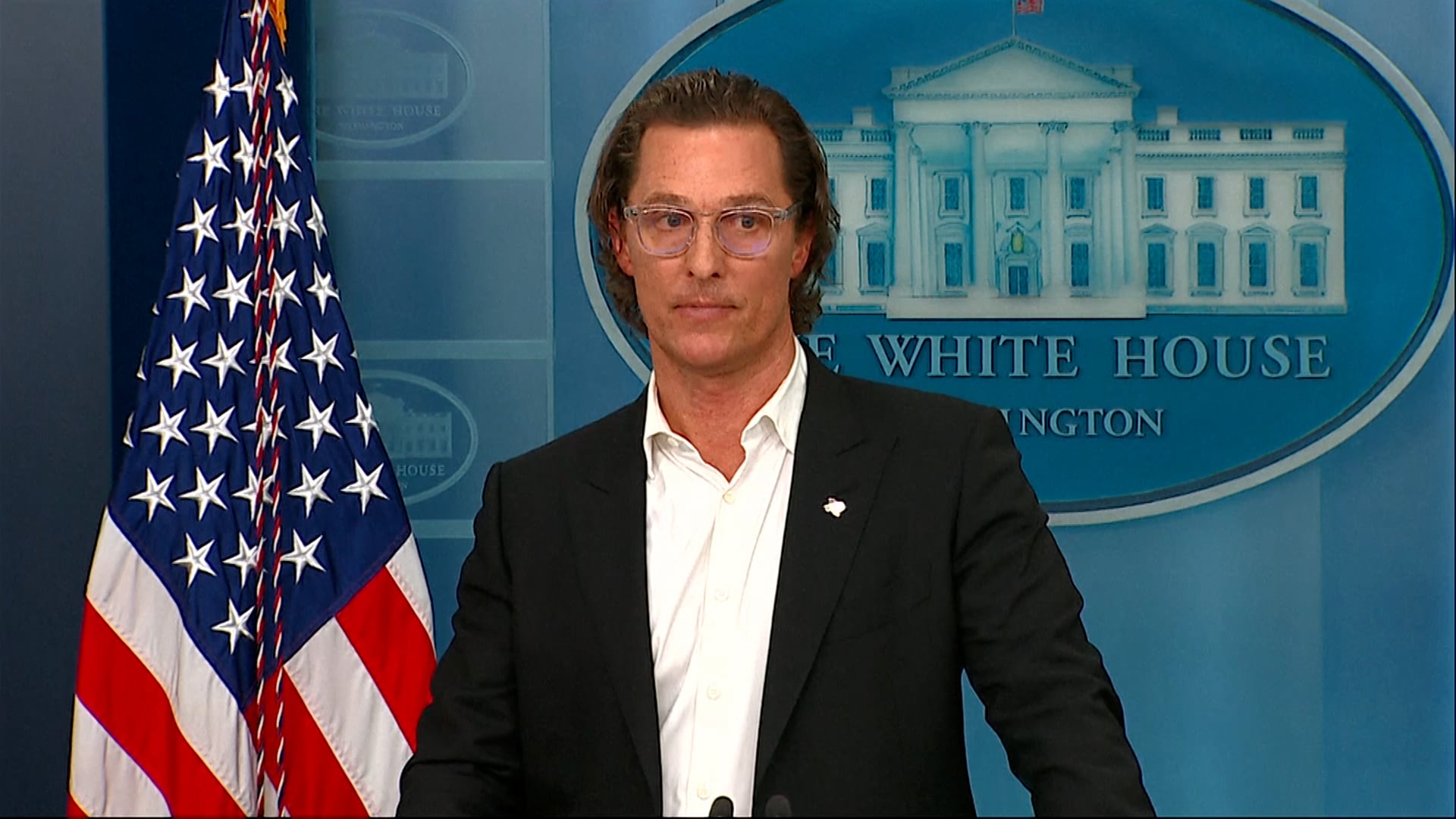
Getting you caught up on the stories you need to know this morning: Matthew McConaughey lends his voice to the gun control fight in congress, at least 30 people were injured in Germany after a car plows into a crowd, and a new weight loss drug shows promising results.
Michelle Bond, CEO of the Association for Digital Asset Markets, joins Closing Bell, where she breaks down the Responsible Financial Innovation Act, which would not only establish a regulatory structure for digital assets, but hand over crypto oversight to the CFTC instead of the SEC.
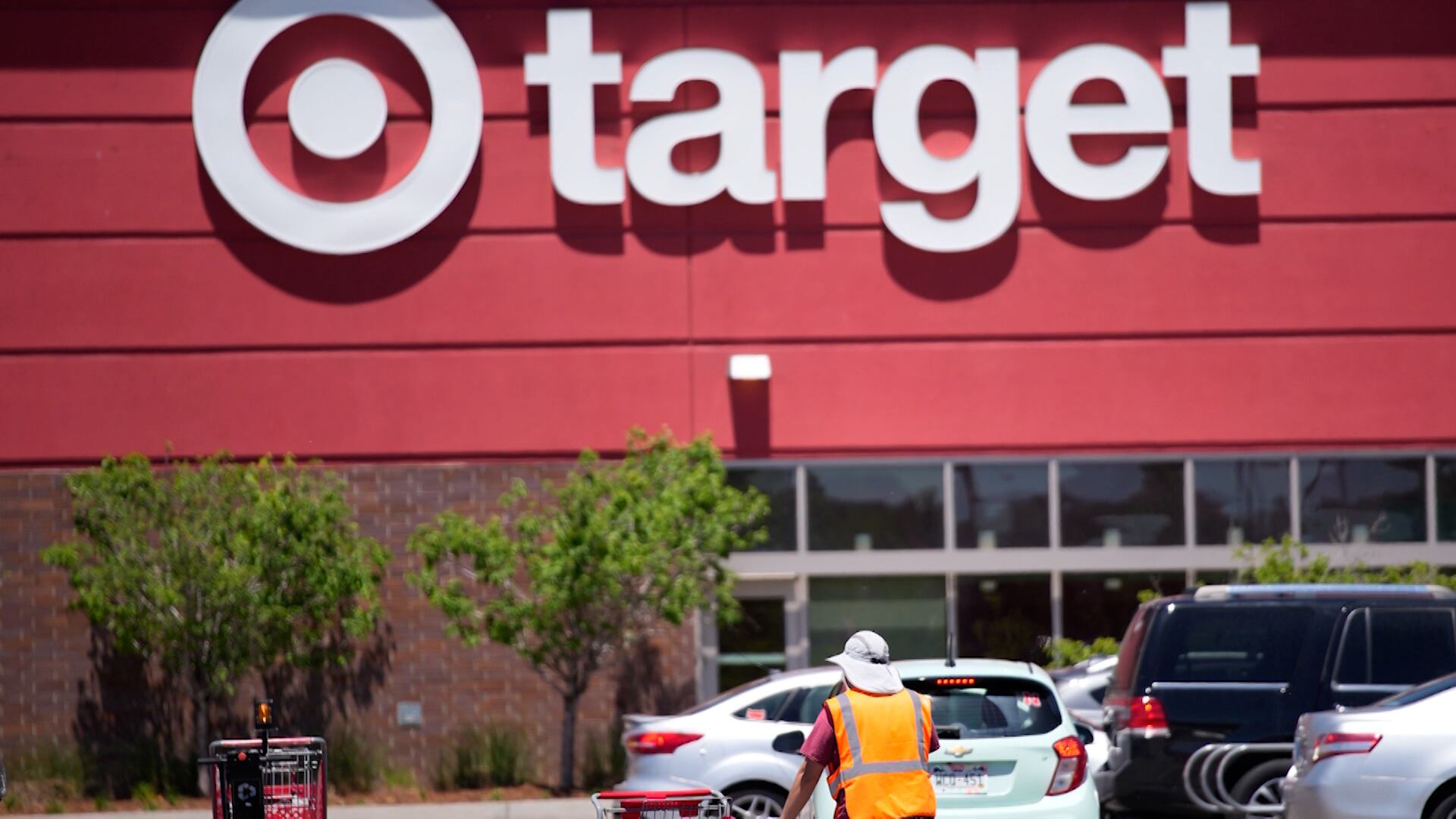
Caleb Silver, Editor-in-Chief at Investopedia, joined Closing Bell to break down what Target's lowered forecast means for the retail industry ahead of Friday's CPI report.
Jim Corridore, Senior Insights Manager at Similarweb, joined Closing Bell to break down the competing offers from JetBlue and Frontier as both airlines look to join forces with Spirit Airlines.
Child care marketplace startup Kinside announced raising $12 million in a Series A round led by venture capitalists who are mothers themselves. The company aids parents searching for affordable child care easier by providing concierge support in a marketplace of verified professionals and helping them tap into flexible spending accounts (FSA) and other benefits. Founder and CEO Shadiah Sigala joined Cheddar News to talk about the fresh funds and the ongoing effects of the pandemic on the care of young children.
Apple revealed its plans for new IOS software, products, and more at its Worldwide Developers Conference. However, new features added to iMessage, including options to delete and edit already sent text messages, stole the show.
Hyatt Hotels released new data showing just how seriously consumers are looking at summer 2022 for revenge travel following previous disruptions from the pandemic. Joan Bottarini, CFO of the hotel chain, joined Cheddar News to break down the report. "We've got on the books a 15 percent increase on a global basis in demand over the summer months from June to August," she explained.