Fewer Americans applied for unemployment benefits last week reflecting a low number of layoffs across the economy.
Jobless claims fell by 18,000 to 215,000 for the week ending February 26, from 233,000 the previous week, the Labor Department reported Thursday.
The four-week average for claims, which compensates for weekly volatility, fell by 6,000 to 230,500.
In total, 1,476,000 Americans were collecting jobless aid the week that ended Feb. 12, a small uptick of 2,000 from the previous week's revised number, which was its lowest level since March 14, 1970.
First-time applications for jobless aid generally track the pace of layoffs, which are back down to fairly healthy pre-pandemic levels.
The Labor Department releases its February jobs report on Friday. Analysts surveyed by the financial data firm FactSet forecast that the U.S. economy added 400,000 jobs last month.
In January, the U.S. economy added a whopping 467,000 jobs and revised December and November gains upward by a combined 709,000. The unemployment rate stands at 4%, a historically low figure.
The U.S. economy has rebounded strongly from 2020′s coronavirus-caused recession. Massive government spending and the vaccine rollout jumpstarted the economy as employers added a record 6.4 million jobs last year. The U.S. economy expanded 5.7% in 2021, growing last year at the fastest annual pace since a 7.2% surge in 1984, which also followed a recession.
Inflation is also at a 40-year high — 7.5% year-over-year — leading the Federal Reserve to ease its monetary support for the economy. The Fed has said it will begin a series of interest-rate hikes this month in an effort to tamp down surging prices.
Jason Moser, analyst and adviser at the Motley Fool, shares thoughts on recent tech earnings, including what’s behind Google’s share price drop and why A.I. could be Microsoft’s ‘iPhone moment.’
CEOs of social media platforms like Facebook, TikTok, and more meet with lawmakers Wednesday about how they are protecting children from sexual exploitation.
San Francisco 49ers president Al Guido discusses what goes into preparing for Super Bowl LVIII, building a championship-ready team, and how Taylor Swift and streaming are both bringing new fans to the NFL.
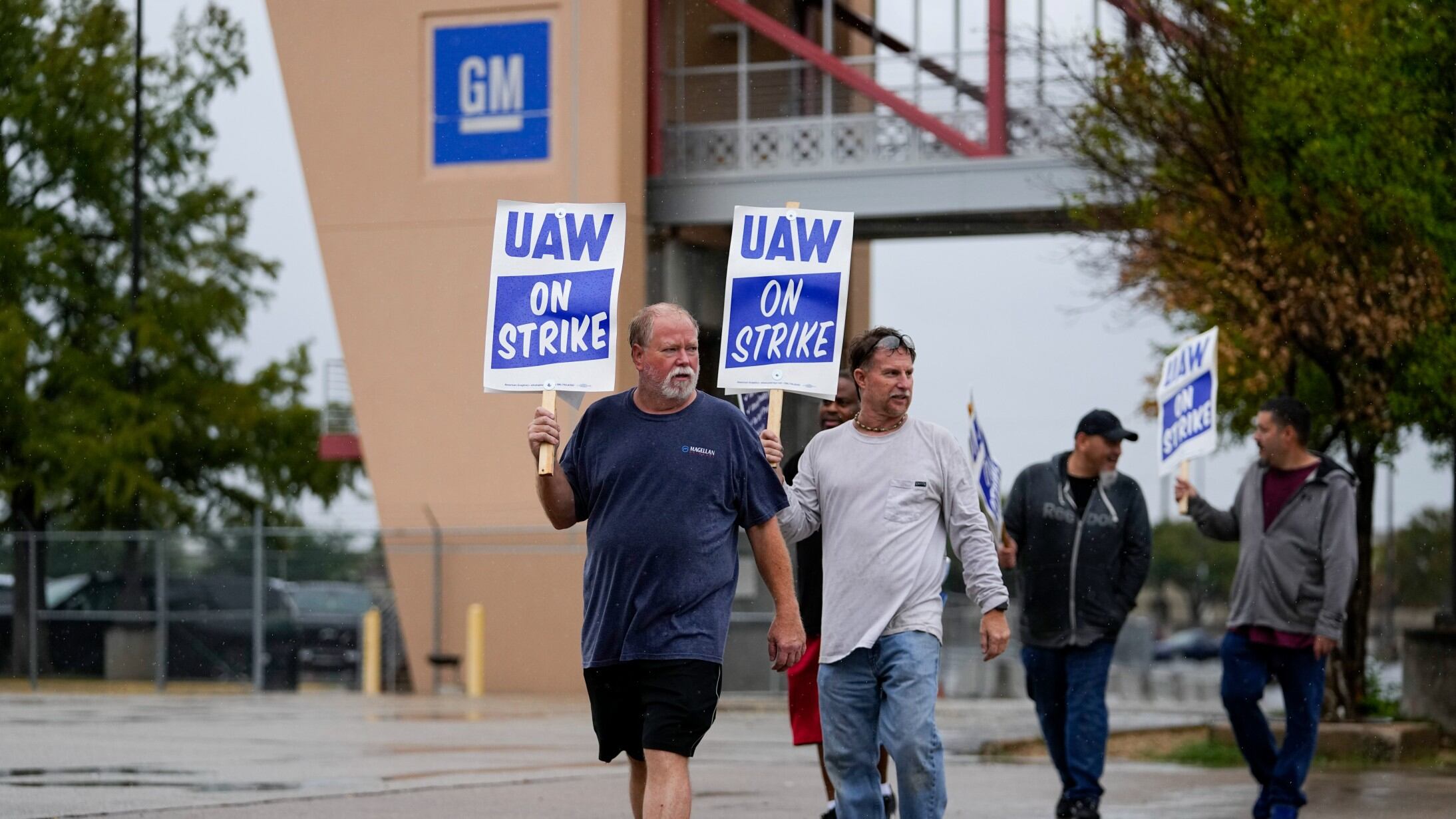
A $1 billion loss from a six-week strike did not crash GM's net income last year, which instead rose 12% — and the automaker expects improvement in 2024, too.
Accrue CEO and founder Michael Hershfield explains why Americans' credit card delinquencies are on the rise, advice on what can help, and the key difference between Boomers and Gen Z when it comes to money.
Senior Economist at Morning Consult Kayla Bruun shares thoughts on what to expect from the Fed's January meeting and where monetary policy is headed, as well as how consumers are faring.
Former Medtronic CEO and author of 'True North' Bill George explains the steps Boeing leadership must take to regain client and consumer trust after 737 Max 9 production was stopped.
Amazon blamed "regulatory hurdles" for calling off its proposed acquisition of robot vacuum maker iRobot. Not even a Roomba could clean up the deal's antitrust scrutiny.