Weed in the Land of Lincoln: Legal Cannabis Comes to Illinois Jan. 1
Illinois’ cannabis legalization law is set to go into effect in January and will usher in what proponents hope is the most socially just legalization framework in the nation.
“We’ve spent decades decimating communities and destroying lives with the war on drugs,” said State Representative Kelly Cassidy. “For us it was really more about equity and ensuring that we are repairing harm.”
The state’s law allocates resources to minority communities and areas of the state that have been impacted the most by past crackdowns on marijuana. It also attempts to reduce the barrier to entry for entrepreneurs in hopes Illinois can lead the charge toward a more equitable cannabis industry, by giving them a leg up to compete for 75 licenses the state will begin to issue in May.
“This industry has the potential to be a generational wealth-building opportunity,” said Brian Scruggs, an entrepreneur in the sector.
Yet it remains to be seen if Illinois’ law will allow affected communities to capture a share of the cannabis wealth, and if it can, as Cassidy put it, address the “buffet of problems” associated with marijuana justice.
If you're shopping on Amazon and want to save even more money after Prime Day, Cheddar News has got you covered. Senior reporter Michelle Castillo talked to the experts at the company to find out how you can keep an eye on deals and even get cash back on your household purchases.
Did you happen to watch the series The Bear? The show follows a struggling small business owner in Chicago who is trying to save his business. It's a story a lot of small business owners in the U.S. can relate to. To help out these struggling entrepreneurs, Cheddar News brought on an expert here to help take your company from stressful to successful.
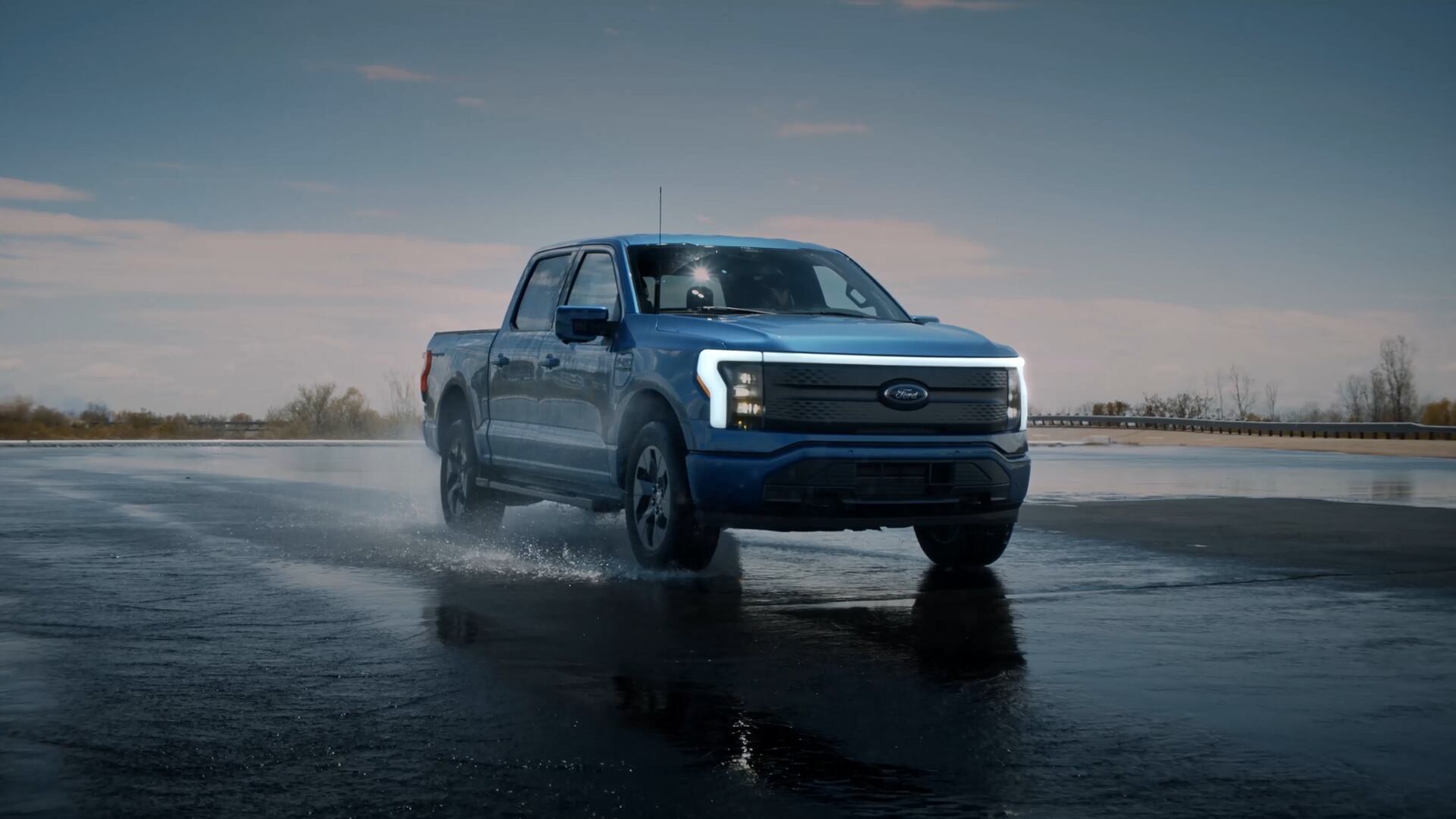
The sticker prices for Ford's F-150 Lightning electric pickup trucks are being lowered by thousands of dollars across the board, the company said Monday, due to increased plant capacity, falling costs for battery raw materials and internal efforts to scale production by the Detroit automaker.
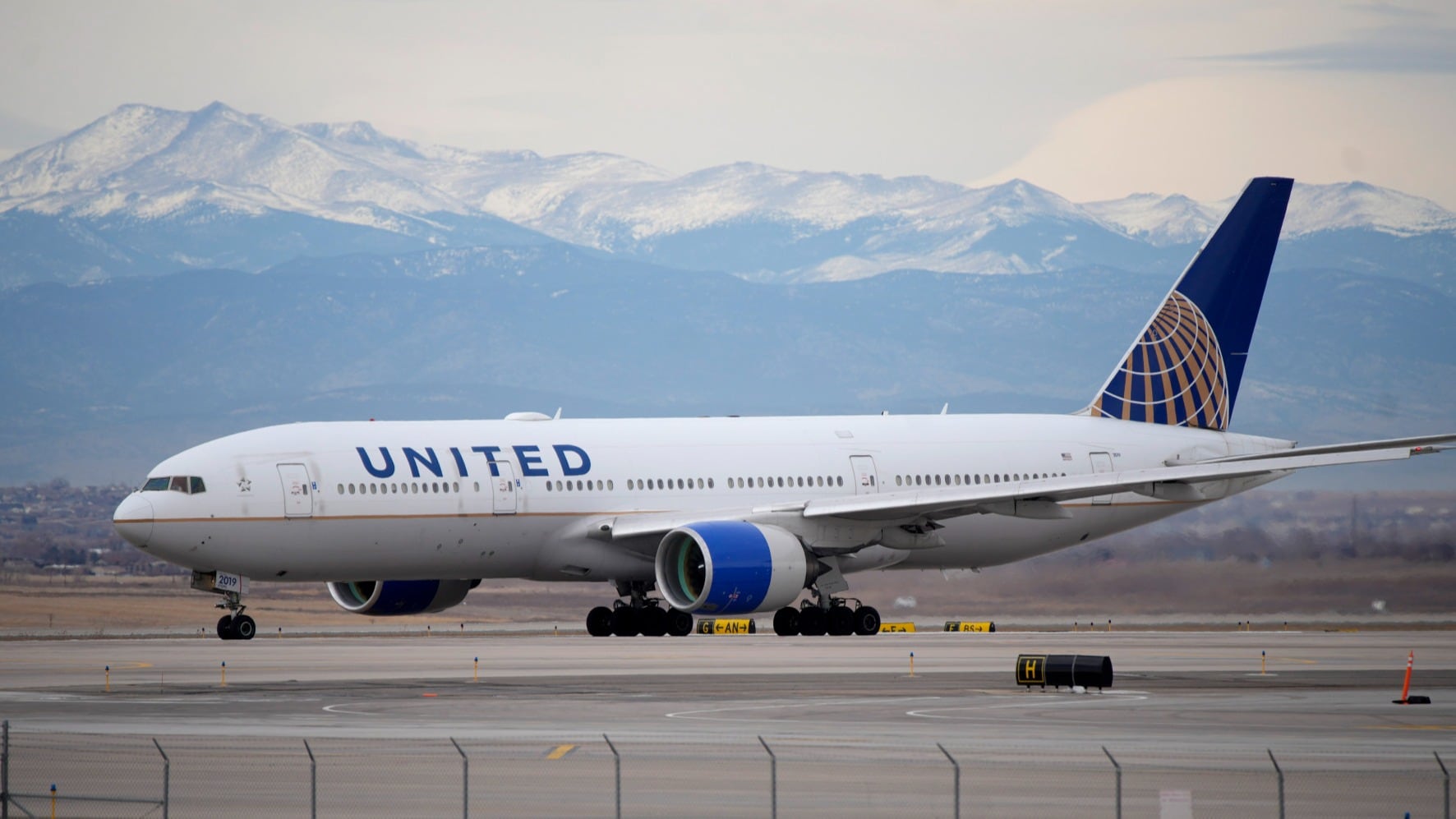
United Airlines and the union representing its pilots said Saturday they reached agreement on a contract that will raise pilot pay by up to 40% over four years.
The court’s ruling applies to higher education institutions and other entities that receive federal funding and doesn’t directly change private employer obligations, but business leaders might pull back diversity, equity and inclusion programs to avoid lawsuits.