Wealth Consulting Group CEO on State of Economy Following March Jobs Report
Wealth Consulting Group CEO Jimmy Lee joined Cheddar News this week to discuss the state of the economy after the Labor Department's March jobs report. The update showed that hiring slowed last month but according to Lee, the economy is still strong. "The consumer is still spending," he said. "We're starting to see some of the effects of higher interest rates and its going to hit earning a little bit for stocks but I think that it's going to be until probably summer time when the consumer really gets tested."
Mark Hamrick, senior economic analyst at Bankrate, breaks down the current housing market and why he’s expecting affordability will get better as the year goes on.
Georgie Dickins, founder of Women in Leadership Global and author of ‘Leading with Impact,’ shares thoughts on women in business and how to cultivate a supportive community.
Gregory Daco, chief economist at EY and Jordan Shapiro, senior managing director at Bachrach Group, break down February’s jobs report and what it means for workers.
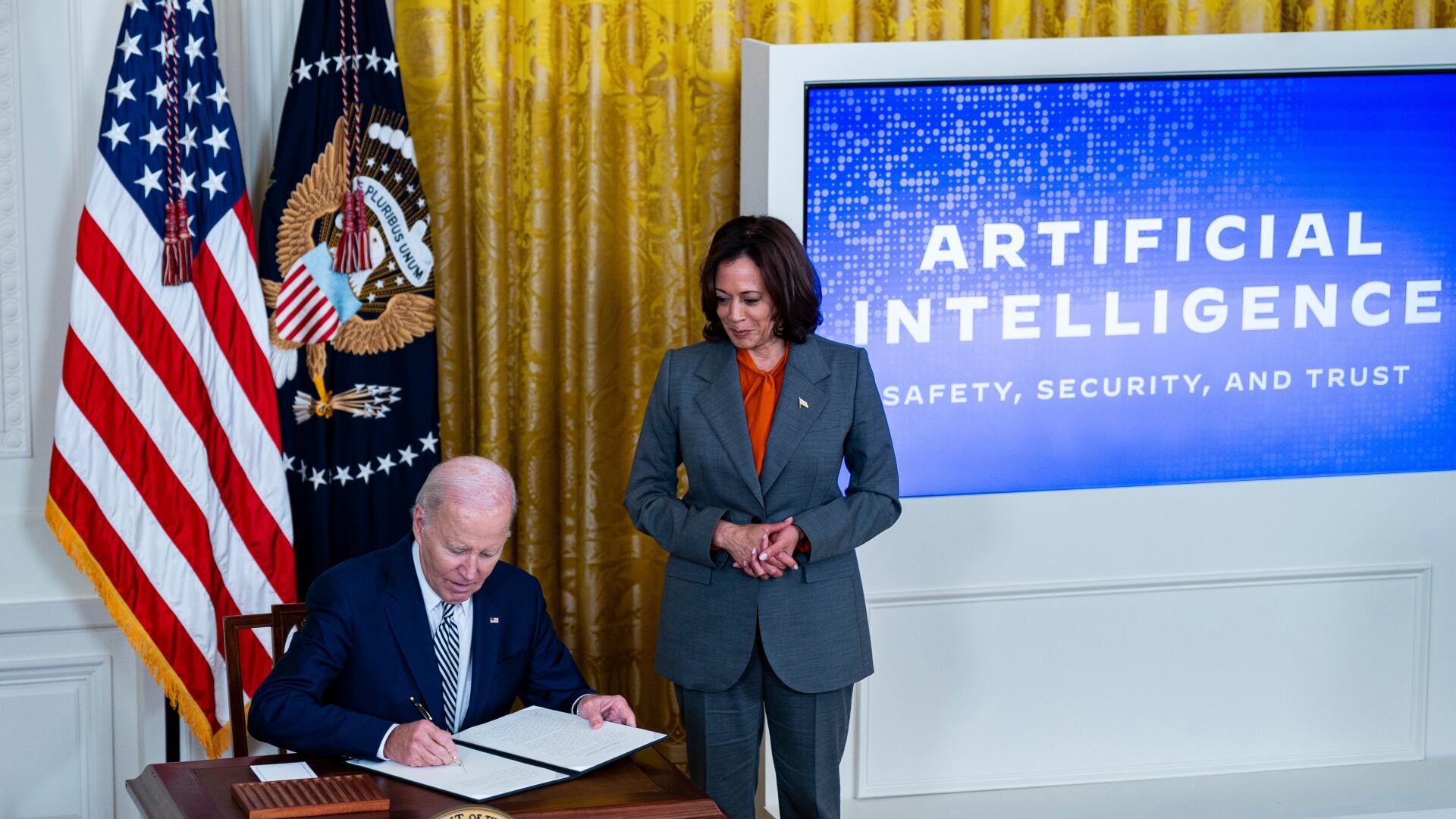
Linda Moore, president and CEO of Technet, explains why the U.S. should be a leader in A.I., plus why deepfakes and misinformation could be a concern during the election season.
Steve Preston, president and CEO of Goodwill Industries International, shares how the organization’s programs have helped over 2 million people develop their tech skills.