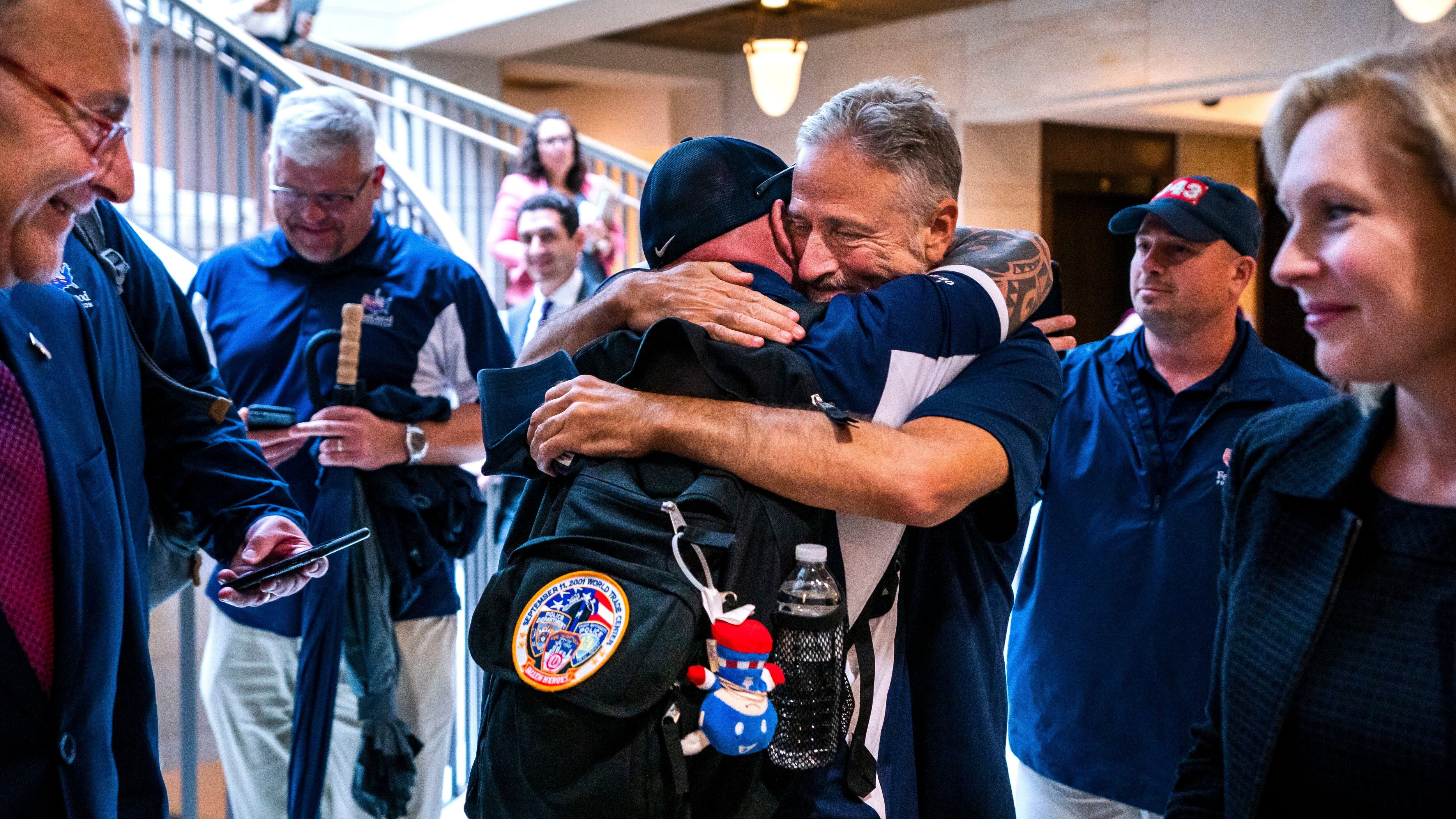
Tuesday’s 97-2 vote in the Senate to extend permanent protections for 9/11 first responders came after many years of visits to Capitol Hill — more than 280 for John Feal alone, a former demolition specialist and responder from Long Island whose advocacy has helped bring a national conversation to the issue.
And minutes after the lopsided vote, Feal made sure to alert lawmakers that his days of tirelessly knocking down their doors are thankfully coming to a close.
“We’ll put down our swords,” he said on Capitol Hill, acknowledging the good-faith efforts that Senate Majority Leader Mitch McConnell exhibited in recent months to get the bill a clean vote.
After all, during a recent trip to Washington, Feal came bearing a special memento for McConnell: the NYPD badge of Detective Luis Alvarez who died on June 29, a gesture that Jon Stewart recently told Cheddar he had hoped would secure passage of the measure.
McConnell’s commitment to Feal was widely noticed.
Jake Lemonda, the president of the Uniformed Fire Officers Association, told Cheddar, “When someone gives you their word, that’s their bond. I have so much respect. He stuck to his word. And I thank him.”
Republican Rep. Pete King added, “You have to give [McConnell] credit.” King was joined by his GOP colleague in the Senate Cory Gardner to gather support for the compensation fund from skeptical conservatives, although two Republicans — Senator Rand Paul of Kentucky and Senator Mike Lee of Utah — were on full blast Tuesday with their no votes.
“Trying to block this was inexcusable,” Rep. King told Cheddar about Paul and Lee.
There is a line that some New York Democrats like Rep. Carolyn Maloney and House Judiciary Chairman Jerry Nadler say about the immediate post-9/11 reality: that New Yorkers were told, as Maloney puts it, a “toxic lie” — that the air at Ground Zero was safe to breathe. (Former EPA Administrator Christine Todd Whitman apologized in 2016 for her role in government-led misinformation in the fall of 2001.)
“Government told them to go back,” Maloney told Cheddar Tuesday on Capitol Hill. History] will show it was a "horrible, horrible judgment and horrible decision.”
But Tuesday was not the day for the sharpest of barbs, nor the most accusatory of finger-pointing. It was, instead, a day of muted celebration: a victory of a hard-fought battle that has come — and continues to come — with devastating consequences (members of Congress have indicated that 18 people have died in the past month alone from 9/11-related illnesses). And while the bill got its final push over the goal line from McConnell, a simple credo has united the advocacy efforts for so many others along the way. As Maloney told Cheddar Tuesday, “We promised we would never forget.”
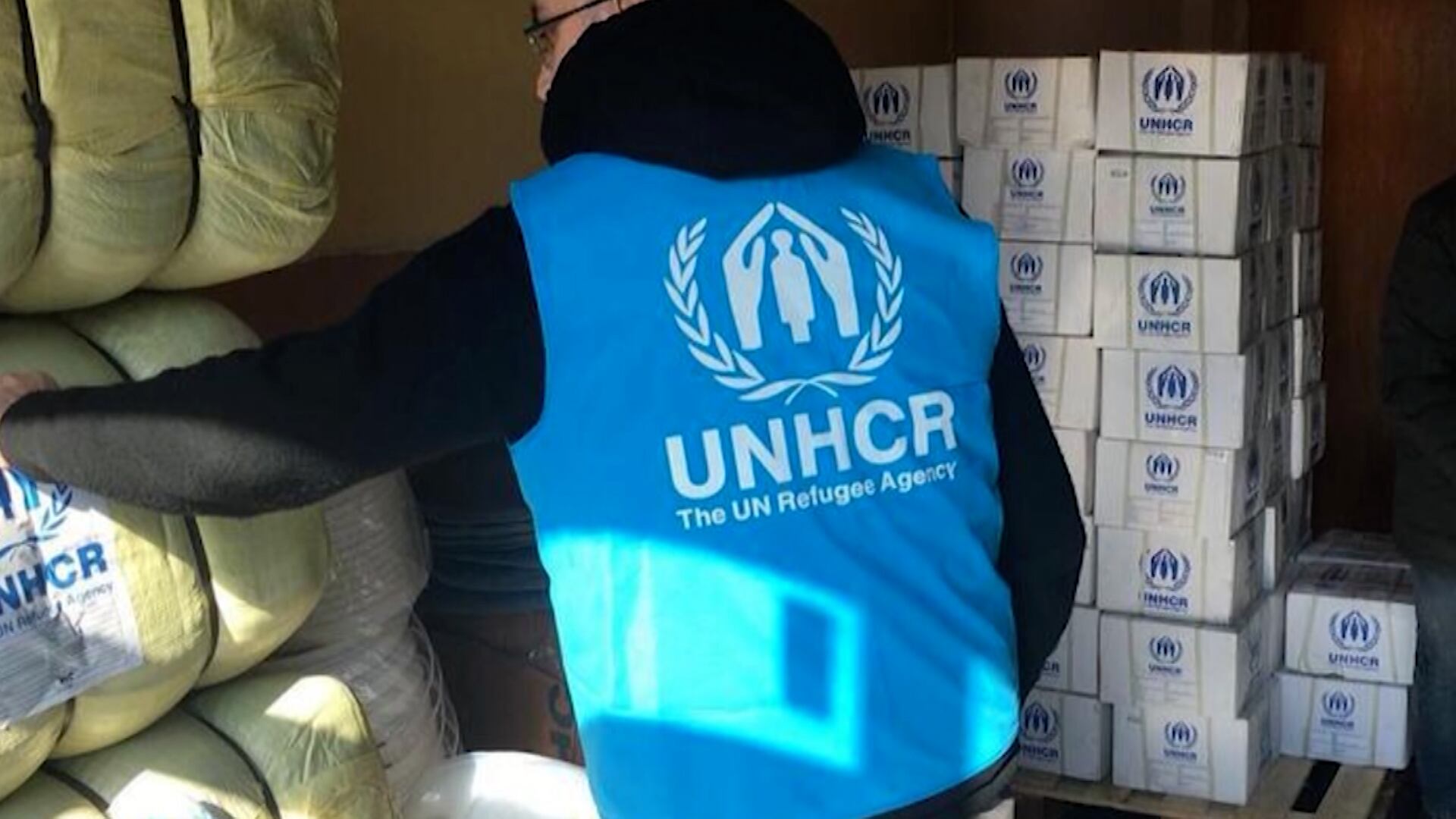
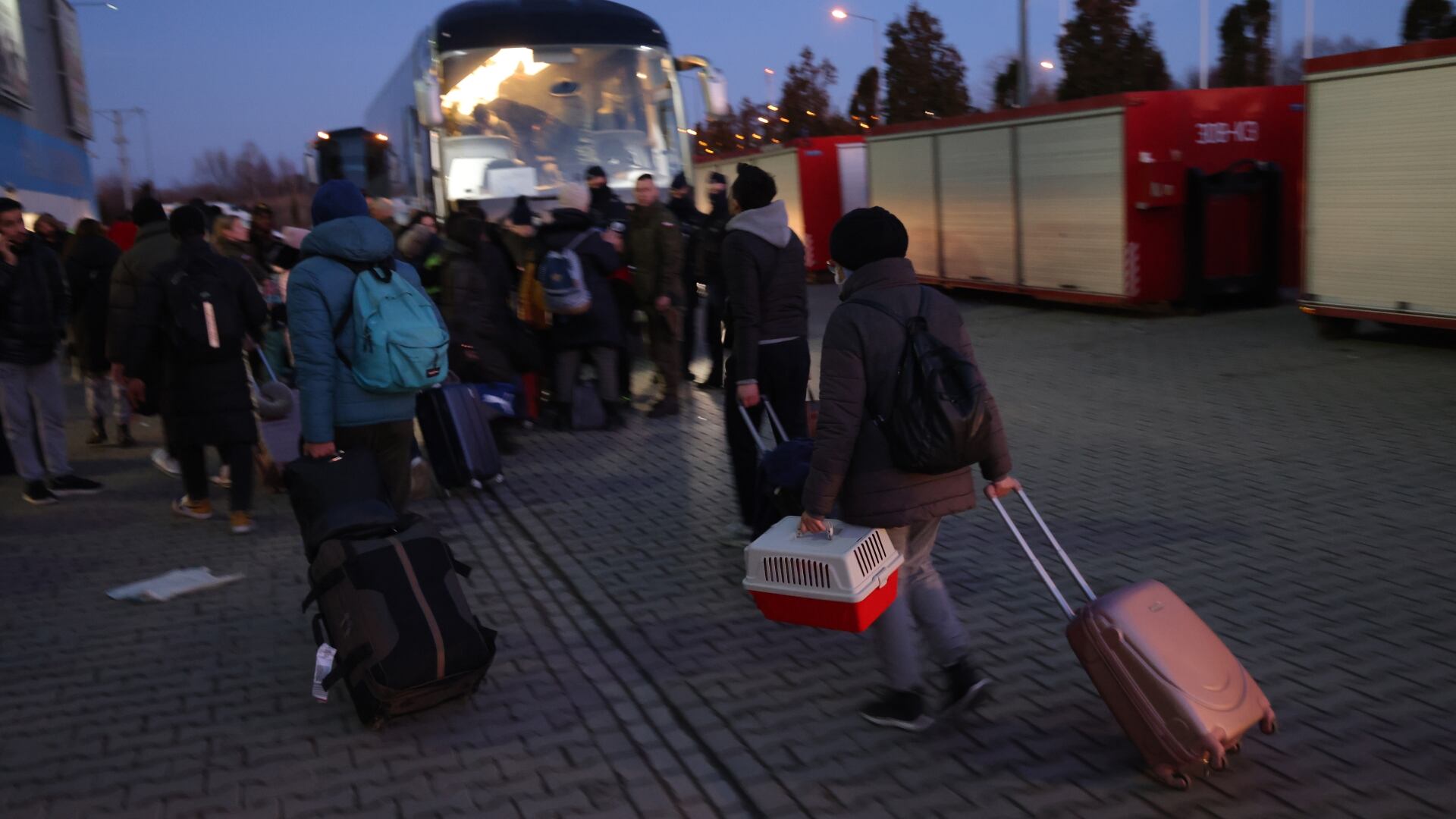
The United Nations High Commissioner for Refugees (UNHCR) has reported that an estimated one million people have fled from Ukraine since Russia invaded. Christopher Boian, senior communications officer at UNHCR, joined Cheddar News to report on the current refugee crisis and what the world might expect if conditions continue to worsen. "We have planning figures that forecast as many as four million people could be forced to flee Ukraine," he said. "But that very much depends on how the conflict underway in that country at the moment unfolds in the days and possibly weeks ahead."
Under the U.S. Renewable Fuel Standard (RFS), corn-based ethanol has been mixed into gasoline sold at pumps in the U.S. since 2005, when a policy was enacted aimed at reducing emissions. Corn-based ethanol had been thought to be a relatively greener energy source compared to other biofuels, but now, a new study published in the Proceedings of the National Academy of Sciences reports it may be actually worse for the climate than straight gasoline. Tyler Lark, an assistant scientist at the University of Wisconsin-Madison's Center for Sustainability, joined Cheddar News' Closing Bell and discussed the pushback against the study. "Essentially when you need to produce more corn to meet the demand for use as ethanol as fuel, farmers respond and they switch more crops like soybeans and wheat into corn," Lark said. "They also bring more land into production, so things that used to be pasture grassland, and both those activities are associated with increased greenhouse gas emissions."
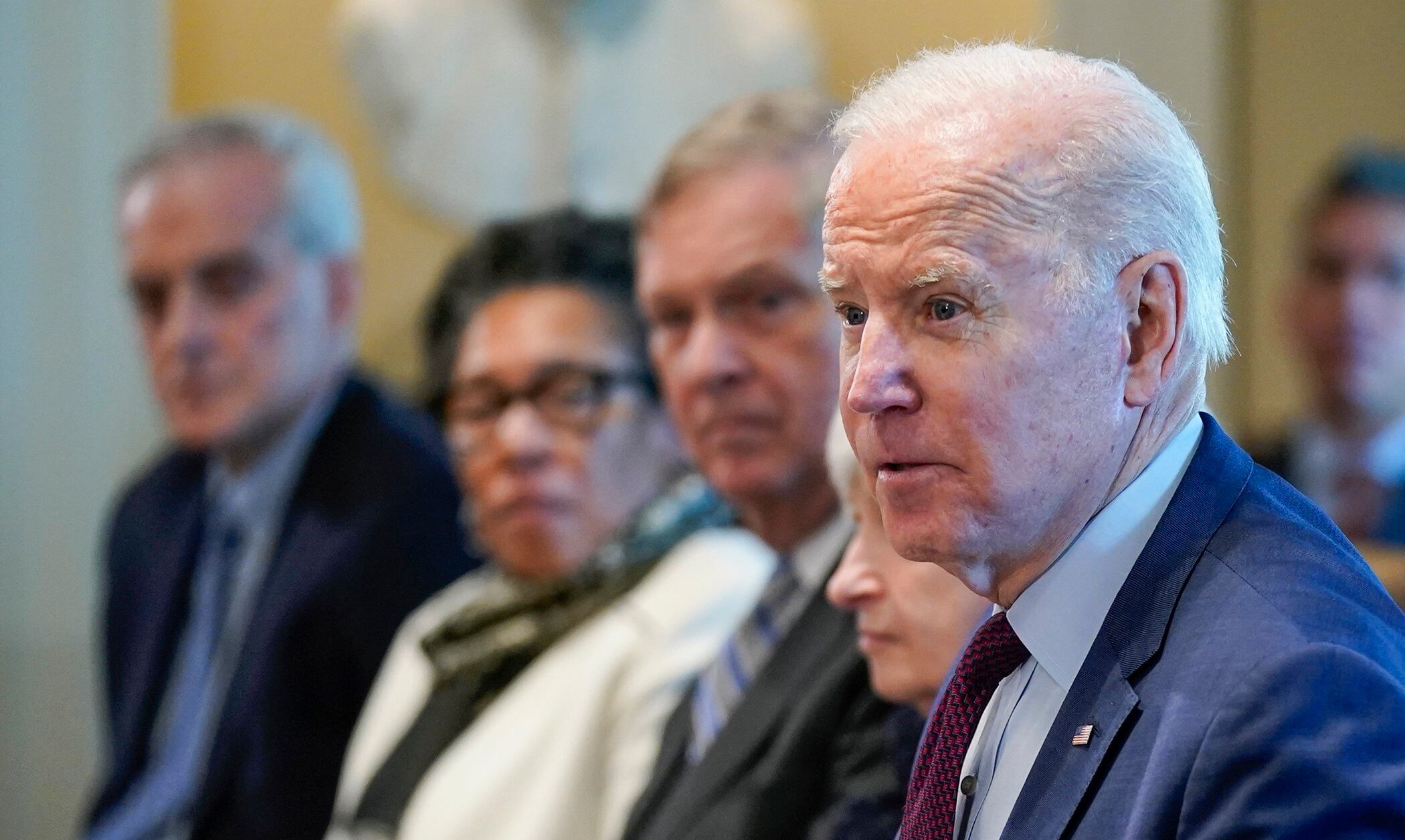
U.S. President Joe Biden’s administration on Thursday announced new sanctions against Russian oligarchs and others in President Vladimir Putin’s inner circle.
Christian Blauvelt, executive managing editor at IndieWire, joins Cheddar News to discuss the growing number of studios pulling content from Russia over Ukraine invasion.
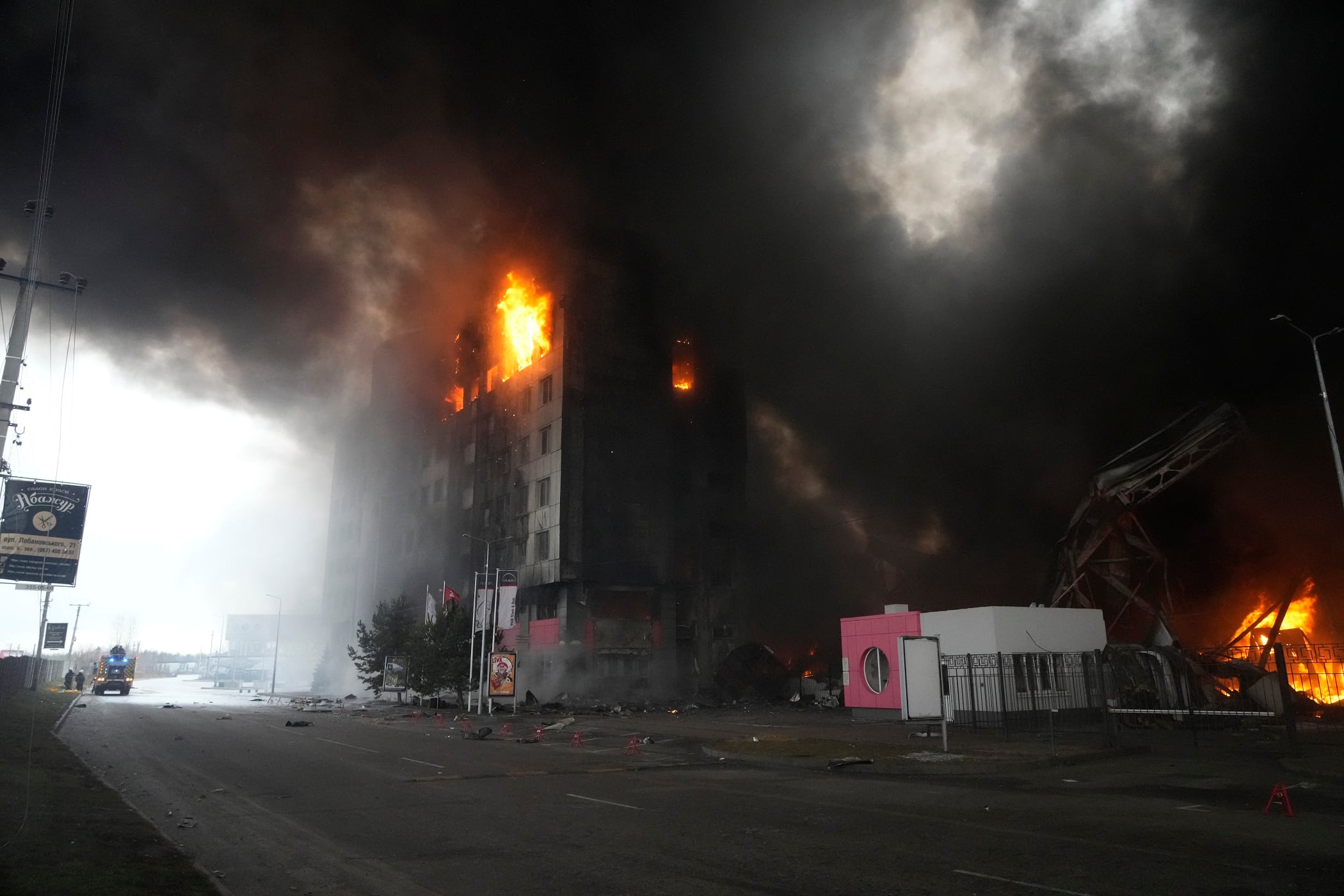
Russian forces are battling for control of a crucial energy-producing city in Ukraine’s south and gaining ground in their bid to cut off the country from the sea.
In the past few years, Betthany Frankel has made a major name for herself as a philanthropist after founding the
BStrong initiative, which has provided relief to people impacted by natural disasters as well as the COVID-19 pandemic. Now, BStrong is shifting its focus to Ukraine, raising millions of dollars in donations for those impacted by Russia's invasion. Bethenny Frankel, the founder of BStrong, joins Cheddar News' Closing Bell to discuss.
Bryan Lee, Chief Investment Officer at Blue Zone Wealth Advisors, joins Cheddar News' Closing Bell, where he elaborates on the volatility we've seen in the markets this week fueled by rising oil prices and the ongoing Russian invasion of Ukraine.
Francesca Chambers, White House correspondent for McClatchy, joins Cheddar News to discuss all the topics President Biden has to juggle in his State of the Union address.