Students in Southern California are unpacking the terror that unfolded at their high school Thursday morning when a gunman killed two classmates and injured three others.
At 7:38 a.m. local time, law enforcement received a call reporting an assault with a deadly weapon at Saugus High School in Santa Clarita, California. By the time authorities arrived just two minutes later, six students were found suffering from gunshot wounds in the school's quad area, said Captain Ken Wegener of the Los Angeles County Sheriff's Homicide Bureau in a press conference several hours after the shooting.
A 16-year-old female and a 14-year-old male later died from their injuries.
Ember Miller, a senior at the school, spoke to Cheddar and said that after students "take a deep breath … I think it's really important to take this anger and channel this into action. We aren't targets. I shouldn't go to school and be scared for my life."
Los Angeles County Sheriff Alex Villanueva said there is video "clearly showing the subject in the quad withdraw a handgun from his backpack, shoot, and wound five people and shoot himself in the head."
The suspect, a 16-year-old male student at the school is in critical condition. Officials say today is his birthday.
Law enforcement discovered a .45-caliber semi-automatic pistol emptied of rounds at the scene.
Authorities and the FBI are working to preserve and capture any cell phone video students may have captured of the shooting, Villanueva said.
Officers said they were talking to the victim's girlfriend and mother.
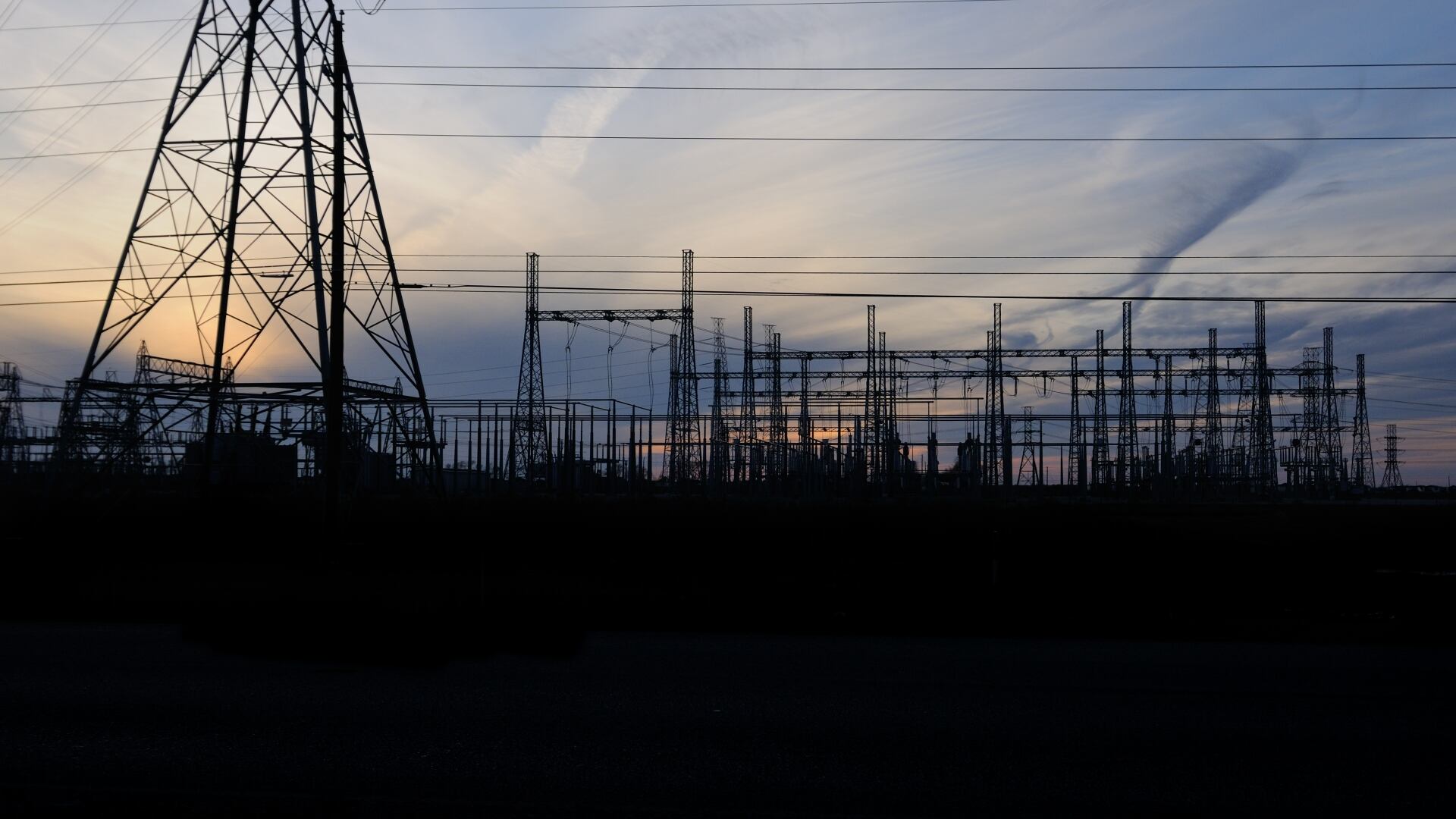
Although this week's weather is predicted to be less severe than the 2021 storm, Texans are preparing for the worst - stocking up on supplies and emptying shelves in grocery stores, once again. Some Texans still have not recovered from last year's tragedy, and are heading into the next few weeks with anxiety for what's to come. Leslie Beyer, CEO of the Houston-based energy workforce & technology council, joins Cheddar News to discuss if the Texas grid will fail again.
Student loan debt continues to be a major concern for tens of millions of Americans who collectively owe about $1.7 trillion. Black college students often take on larger amounts of student debt in order to pay for a higher education. In turn, they are more likely to struggle post-graduation with repaying their debt, creating a racial wealth gap divide. Andre Perry, senior fellow at Brookings Institution joined All Hands to help break down the black student debt crisis.
BTS’ hit single “Butter” tops the zeitgeist again, bumping back up to number one on Billboard’s Hot Trending Chart. The chart tracks what songs people are talking about rather than what they're listening to.
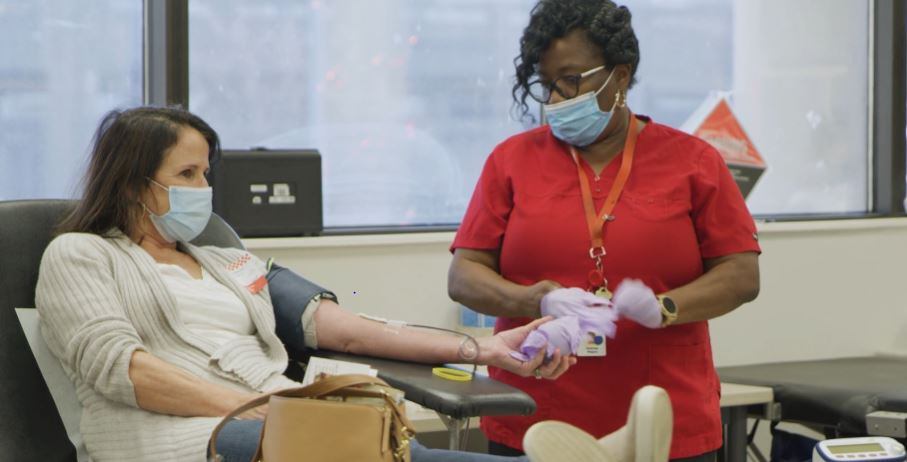
The American Red Cross has declared its first-ever "national blood crisis" in the United States. Since COVID hit the U.S. in March 2020, blood donations have declined by 10 percent. American Red Cross Medical Director, Dr. Baia Lasky joined Cheddar News to discuss the country facing the worst blood shortage in over a decade. Dr. Lasky noted that as much as 40 percent of Americans are eligible to donate blood but only about 4 percent do so. "This is going to be ongoing," she said. "This is not an acute shortage. We really do need the commitment of people to come out and donate and donate again." Appointments to donate can be made by using the Red Cross Donor App, at RedCrossBlood.org, or calling 1-800-RED CROSS (1-800-733-2767).
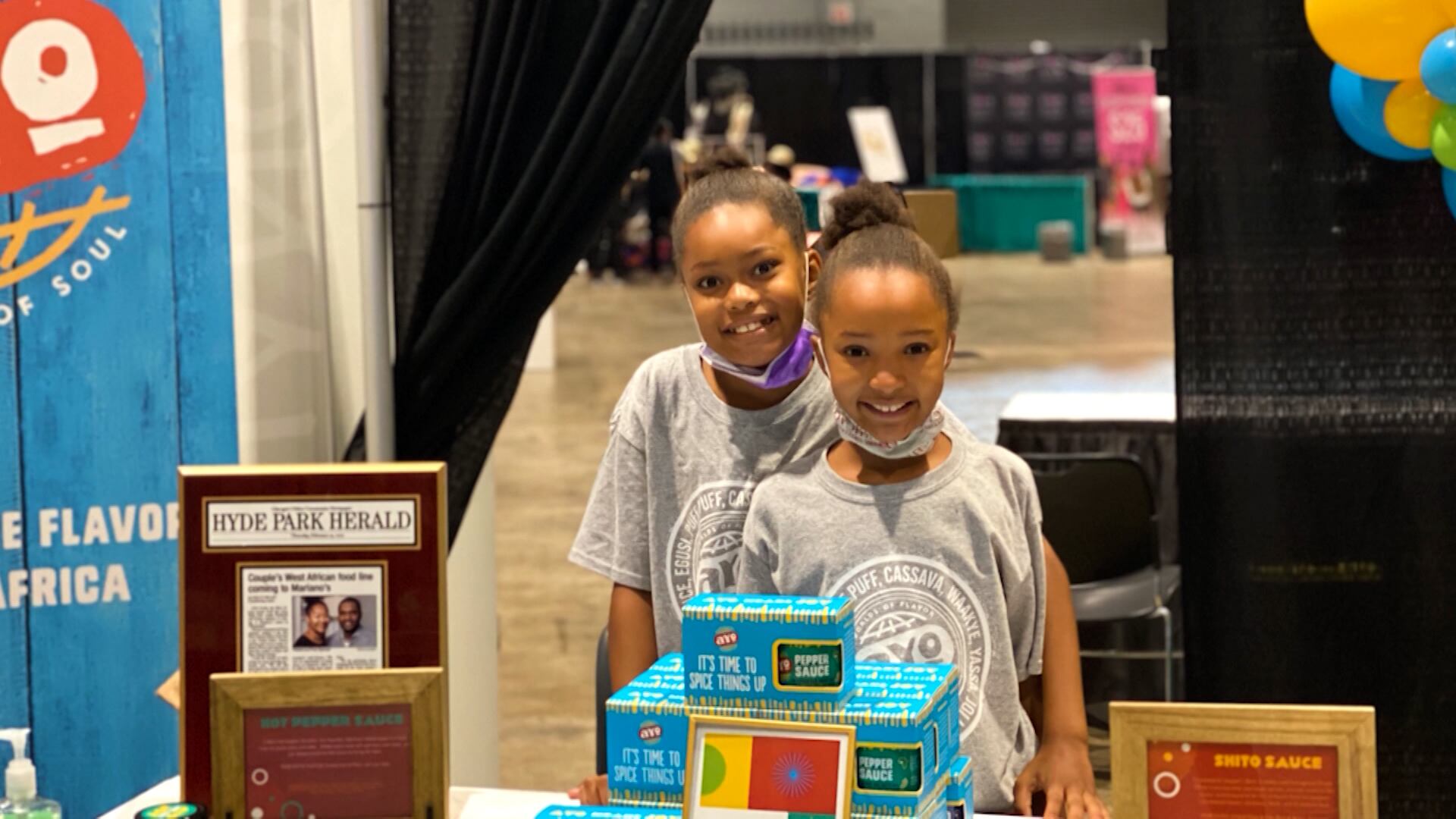
On this episode of ChedHER: Co-Founder of VC firm CaJE breaks down how she's creating a new era of venture capital and empowering Black women with 'soil' funding to start and grow their businesses; AYO Foods Co-Founder discusses how the brand is bringing West African cuisine to the frozen food industry and building a grocery aisle her daughters can be proud of; Chief Marketing & Customer Experience Officer at Chase Auto talks her experience being a woman of color in the auto industry, and why transportation is so important to financial freedom.
Renée Horne, chief marketing and customer experience officer at Chase Auto, joins ChedHER to discuss her experience being a woman of color in the auto industry and why transportation is so important to financial freedom.
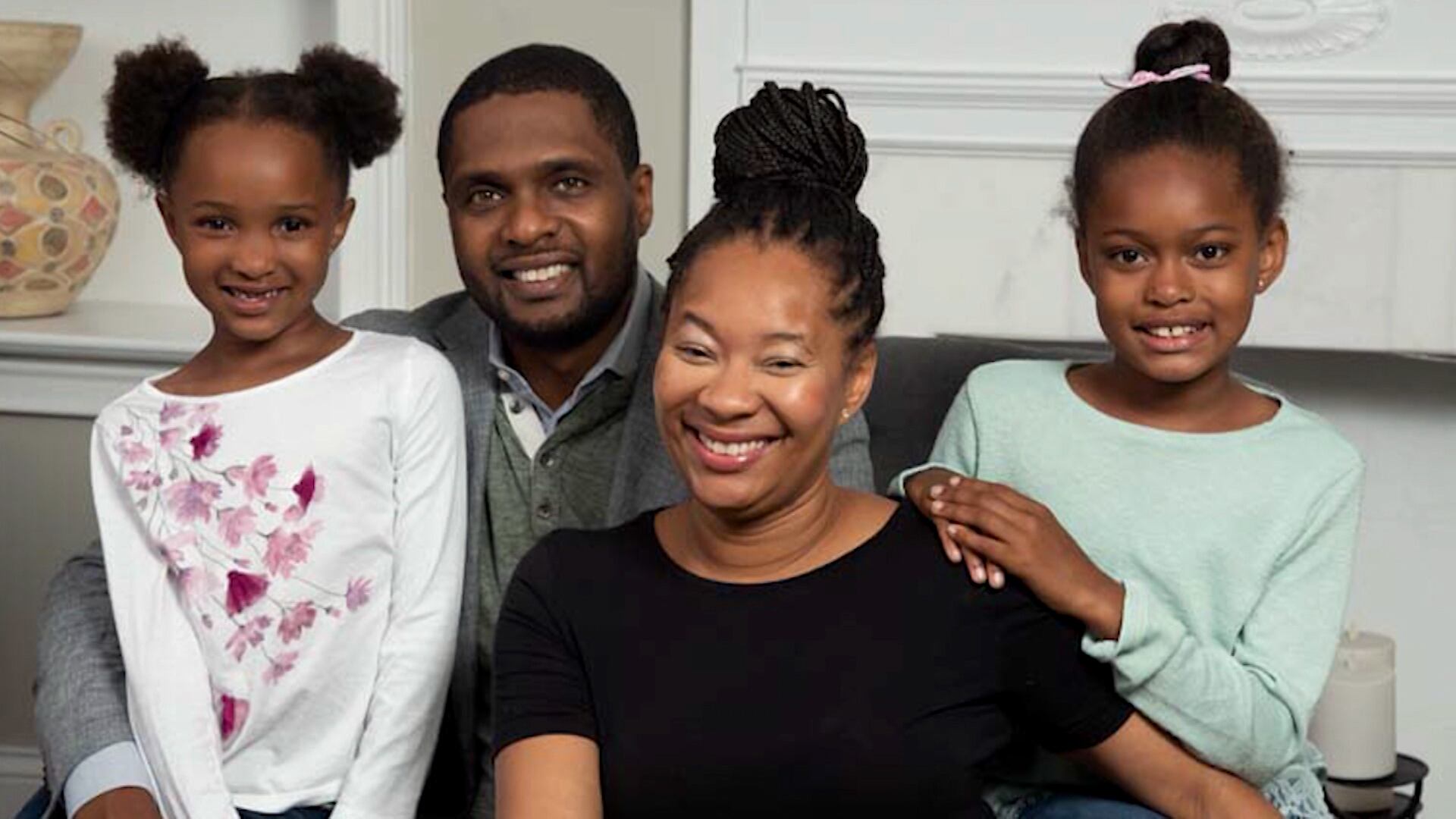
Perteet Spencer, Co-Founder of AYO Foods, joins ChedHER to discuss how the brand is bringing West African cuisine to the frozen food industry and building a grocery aisle her daughters can be proud of.