Waymo, Alphabet's autonomous driving wing, is taking Uber to court over allegations that former employee Anthony Levandowski stole trade secrets when he joined Uber. Aarian Marshall, staff writer for Wired Transportation, is covering the case.
Marshall says the case comes down to whether Levandowski stole trade secrets or whether Uber figured it out independently. Marshall explains it won't be good enough for Waymo just to prove that information was stolen. The company will have to be able to prove that what Levandowski took was actually a trade secret, instead of something any reasonable self-driving car engineer might figure out on their own.
Marshall says Waymo is currently winning the autonomous car race. If Waymo receives a favorable outcome in the case, it could prove debilitating for Uber.
The U.S. economy grew at an unexpectedly brisk 3.3% annual pace from October through December as Americans showed a continued willingness to spend freely despite high interest rates and frustrating price levels.
Alan Becker, CEO and Investment Adviser Representative at Retirement Solutions Group and RSG Investments, shares his thoughts on the latest GDP data plus why he's not sold cryptocurrency as a long-term asset.
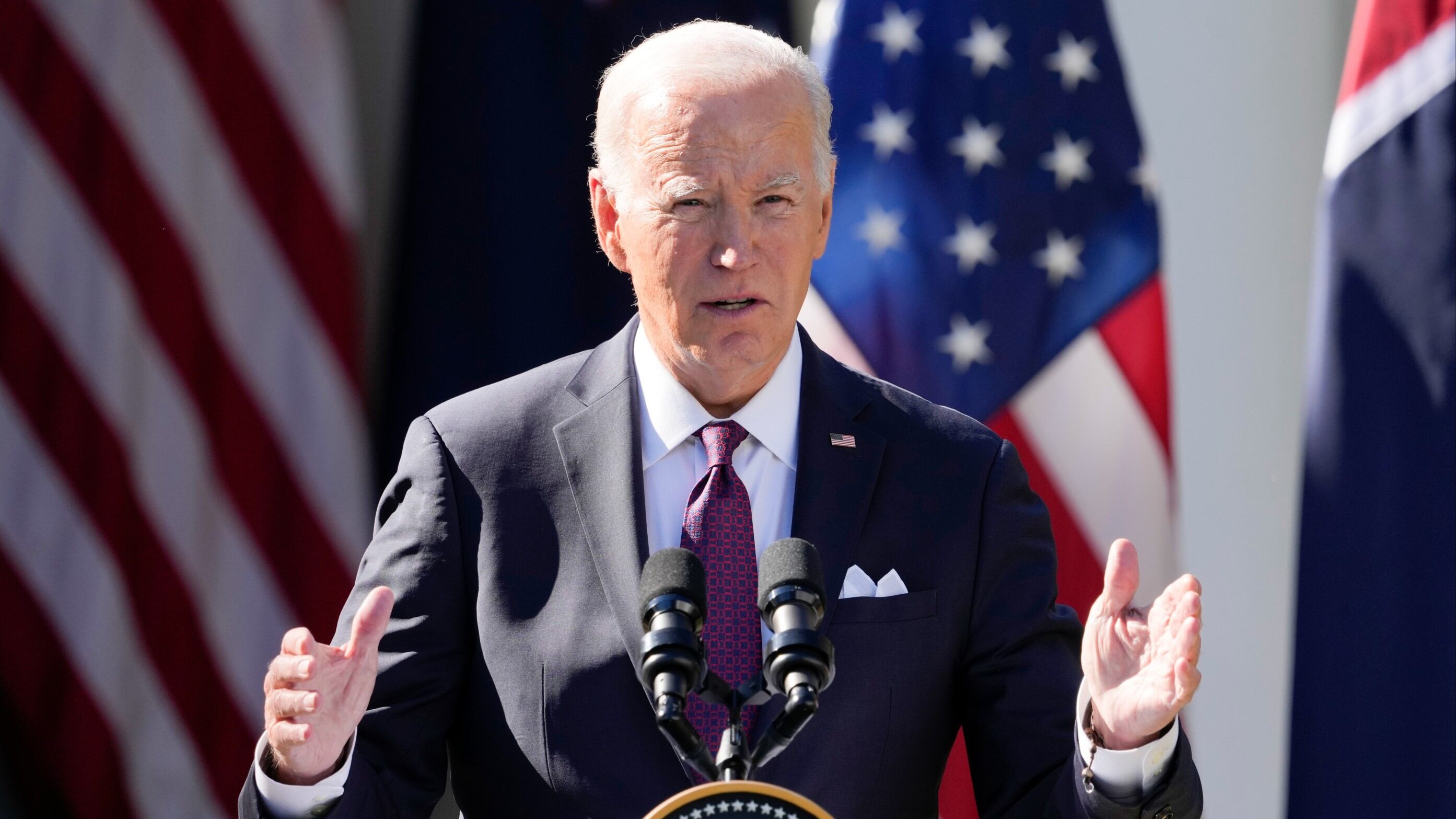
The Biden administration wants to ban another type of bank “junk fee," targeting fees that are typically charged by banks when a transaction is declined in real time.
Al Root, senior writer at Barron’s, breaks down everything expected from Tesla’s earnings report, from Elon Musk’s demands from the board to why the market has been looking for affordable EV options.
Online retailer eBay Inc. will cut about 1,000 jobs, or an estimated 9% of its full-time workforce. The announcement follows similar moves by other tech companies that ramped up hiring during the pandemic while people spent more time and money online.
Tony Drake, CFP at Drake and Associates, LLC shares thoughts on whether the record gains in technology will broaden to other sectors, the risks of the Fed keeping interest rates higher for too long, and the health of the U.S. consumer.
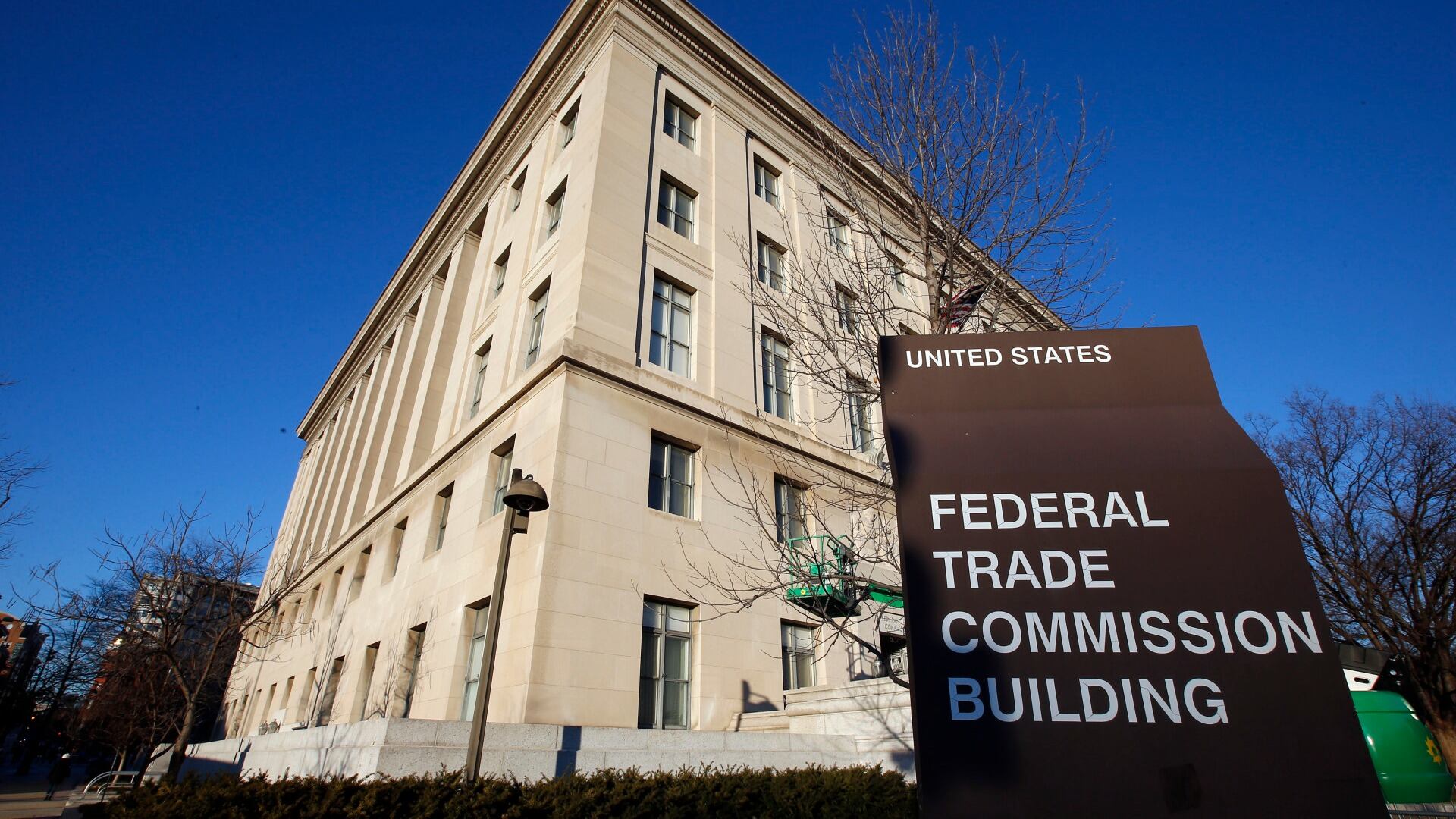
The Federal Trade Commission ruled that Intuit engaged in deceptive practices by running ads claiming consumers could file their taxes for free using TurboTax — when many taxpayers did not qualify for such free offerings.