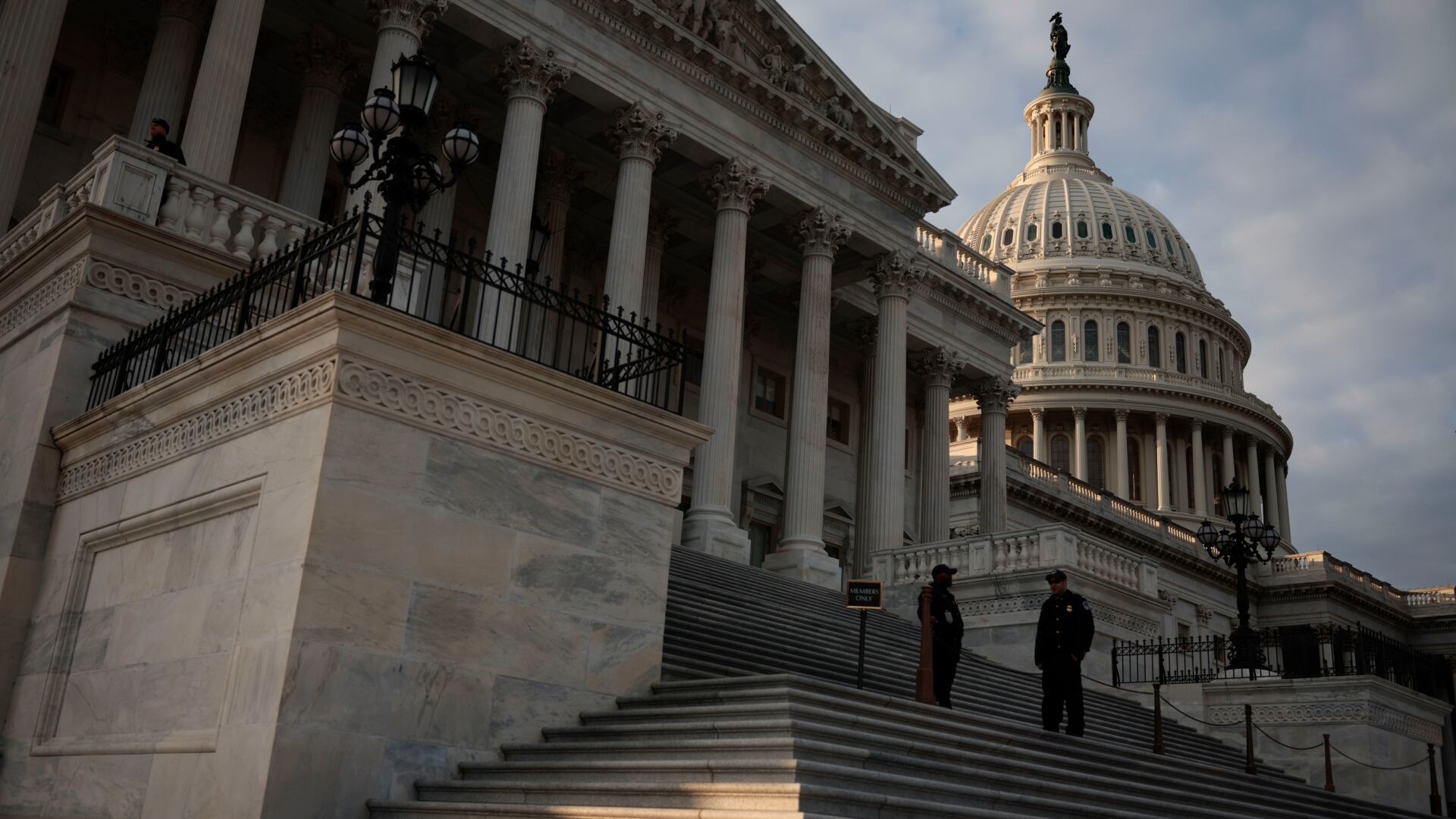
After a bruising week for progressive Democrats that ruled out including a minimum wage hike in the $1.9 trillion COVID-19 relief bill, Congressional business on the legislation will continue next week. This is your Washington Week Ahead for the week of March 1.
Trump Speaks
Former President Donald Trump will speak at the Conservative Political Action Conference, commonly referred to as CPAC, in Orlando on Sunday. It will be his first major public appearance since leaving office and comes after a series of high-profile rebukes from Democrats, including an impeachment trial, while the Republican Party seems divided on how it moves forward. Plus, Sen. Mitch McConnell (R-Ky.) keeps flip-flopping in his support, pledging to support Trump if he runs for the White House again in 2024, just days after holding him responsible for the January 6 insurrection on the Capitol building. Trump has pledged a return of his Make America Great Again movement and CPAC will provide a friendly platform for that exact messaging, further highlighting the hold he still has on his party.
Stimulus Stalemate
The Senate will begin debate on the American Rescue Plan on March 1, marking the first time the chamber is officially taking up the latest round of coronavirus relief spending. The nearly $2 trillion rescue package includes $1,400 stimulus checks for Americans, billions in federal relief for state, local, and tribal governments, and a huge bucket of money for vaccine rollout. Because the Senate has a legislative filibuster, the bill must adhere to the Byrd Rule, a parliamentary procedure that allows budget reconciliation legislation to pass without being subject to the filibuster. One thing we know for sure is that the final Senate version of the bill, expected to pass next week, will not include a federal minimum wage increase after the parliamentarian determined it would be against the rules. The current federal minimum wage is $7.25 and has remained unchanged since 2009.
Voting Rights in the Spotlight
Now that the House of Representatives has finished with COVID relief, it’s on to other priorities. In the last Congress, House Democrats passed H.R. 1, the For the People Act, a sweeping election reform bill. It languished in a Republican-controlled Senate. This is a chance for the chamber to try again — but expect a lot of amendments from Republicans, looking to strike down provisions like universal vote-by-mail and extended early voting periods, as well as a national holiday for Election Day. At the same time, the United State Supreme Court will hear arguments on a pair of Voting Rights Act cases that could further erode protections for disadvantaged voters. So in the first week in March, 20 months before the 2022 midterm elections, all eyes in Washington will be on voting rights.
Stocks began the week closing at session lows on a day when bond yields rose and President Biden decided to stick with Jerome Powell as Fed Chair. Bryan Lee, Chief Investment Officer at Blue Zone Wealth Advisors, joins Cheddar News' Closing Bell, where he breaks down the day's activity and discusses what the Fed now needs to do going forward.
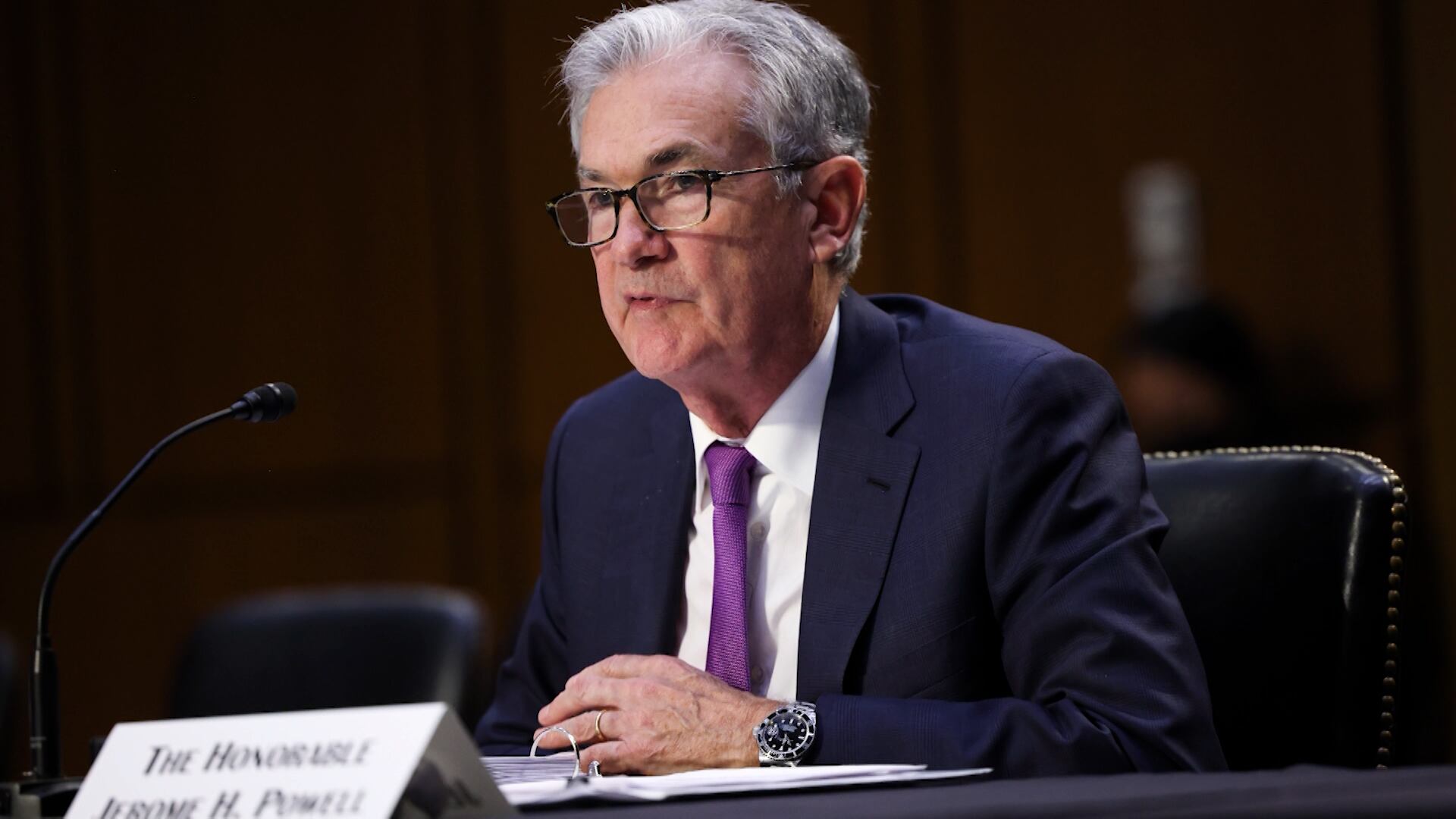
President Joe Biden announced Monday he is re-nominating Federal Reserve Chairman Jerome Powell after weeks of speculation that he would choose Democrat and Fed Governor Lael Brainard to fill the role. Biden could be looking for continuity as the U.S. continues to grapple with COVID-19 and high inflation, and investors could be on the same page: markets and treasuries ticked up after the White House made the announcement. MarketWatch Senior Reporter Greg Robb joins Cheddar News' Closing Bell to discuss Powell's re-nomination, what we can expect from the Fed's December meeting, whether it will speed up its taper timeline, and more.
President Joe Biden named Jerome Powell, initially appointed by President Trump, to keep his seat as the chair of the Federal Reserve on Monday amid the ongoing challenges of the pandemic, inflation, and unemployment. David Beckworth, a former international economist for the Treasury Department and a senior fellow with the Mercatus Center, joined Cheddar to discuss what he sees as the practicality of Biden's decision. "What Powell brings to the table is he's built up political capital with Republicans and Democrats," he said. "It's easy for him to get the job done. I think in one way he was the path of least resistance for the president."
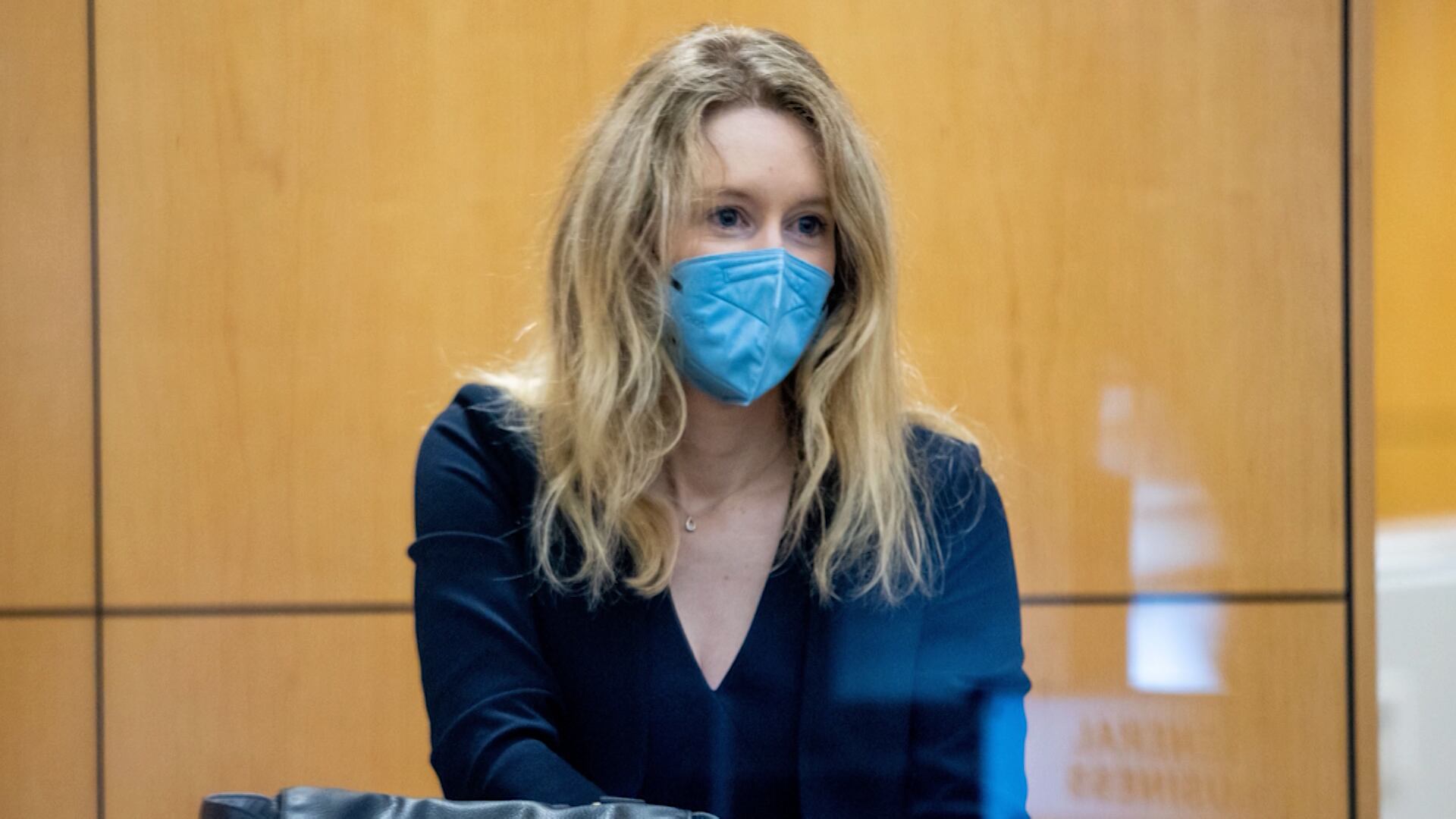
In a surprise turn of events, Elizabeth Holmes took the stand in her own defense on Friday and is expected to continue her testimony later today. Holmes, who founded a blood testing start-up Theranos back in 2003, faces 11 counts of wire fraud as well as conspiracy to commit wire fraud. Aron Solomon, Chief Legal Analyst, Esquire Digital joined Cheddar's Opening Bell to discuss.
Jill and Carlo cover the developing story out of suburban Milwaukee, where a speeding SUV careened through a Christmas parade. Looters get more brazen in San Francisco, the missing Chinese tennis star resurfaces, and more.
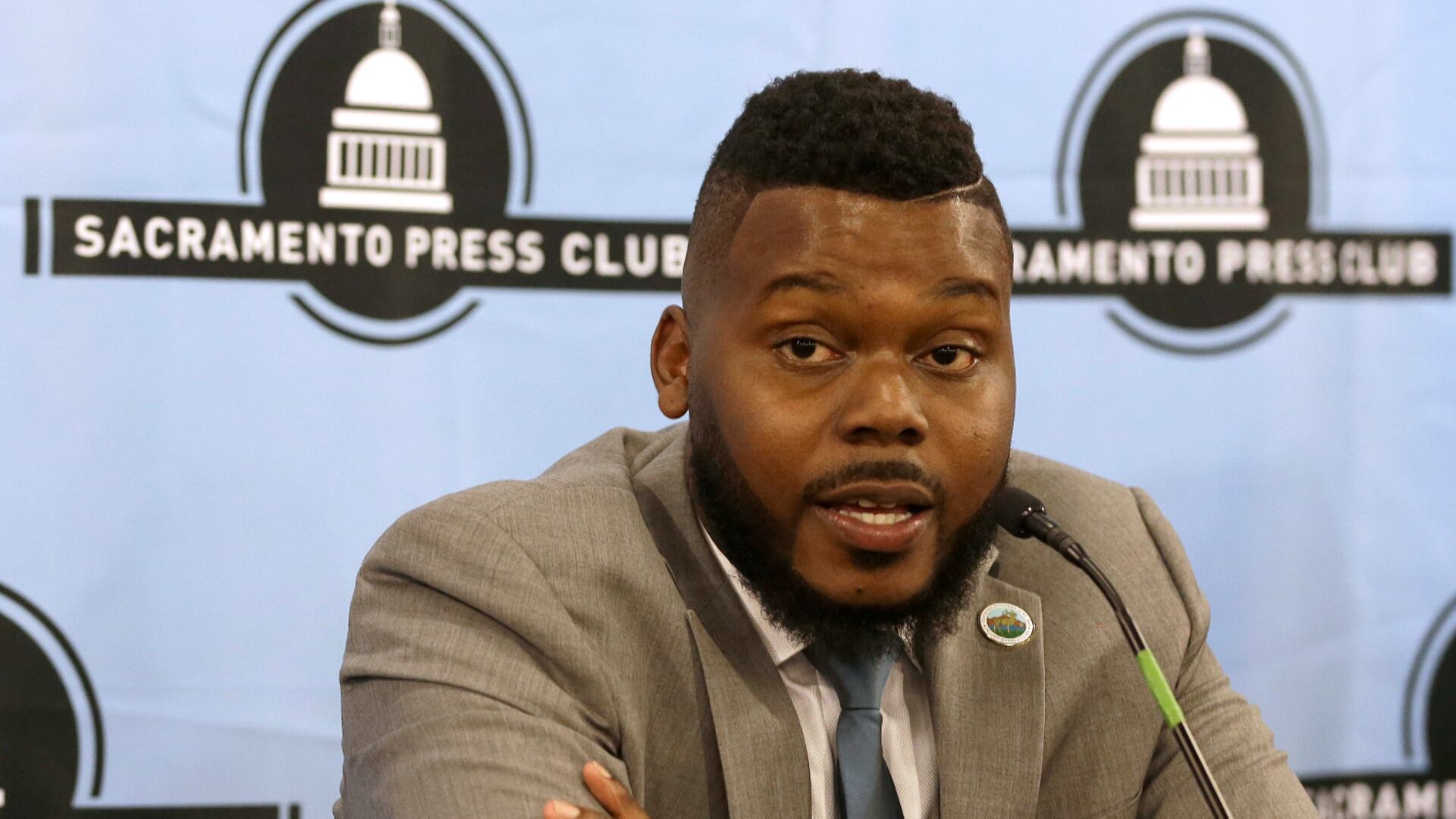
Michael Tubbs, former Mayor of Stockton, California and author of 'The Deeper the Roots,' joined Cheddar Movers to talk all about his new memoir, and his ongoing fight to make meaningful change in his community.
The House narrowly passed President Biden's $1.7 trillion Build Back Better bill, the largest expansion of the social safety net in decades. The final vote was 220 to 213, with only one Democrat joining all Republicans in opposing the bill. It now heads to the Senate, where it faces an uncertain fate. Jennifer Haberkorn, congressional reporter for the Los Angeles Times, joins Cheddar News' Closing Bell, where she breaks down the current version of the bill, where it goes next, and what it could mean for the country if it eventually reaches the president's desk.