After a bruising week for progressive Democrats that ruled out including a minimum wage hike in the $1.9 trillion COVID-19 relief bill, Congressional business on the legislation will continue next week. This is your Washington Week Ahead for the week of March 1.
Trump Speaks
Former President Donald Trump will speak at the Conservative Political Action Conference, commonly referred to as CPAC, in Orlando on Sunday. It will be his first major public appearance since leaving office and comes after a series of high-profile rebukes from Democrats, including an impeachment trial, while the Republican Party seems divided on how it moves forward. Plus, Sen. Mitch McConnell (R-Ky.) keeps flip-flopping in his support, pledging to support Trump if he runs for the White House again in 2024, just days after holding him responsible for the January 6 insurrection on the Capitol building. Trump has pledged a return of his Make America Great Again movement and CPAC will provide a friendly platform for that exact messaging, further highlighting the hold he still has on his party.
Stimulus Stalemate
The Senate will begin debate on the American Rescue Plan on March 1, marking the first time the chamber is officially taking up the latest round of coronavirus relief spending. The nearly $2 trillion rescue package includes $1,400 stimulus checks for Americans, billions in federal relief for state, local, and tribal governments, and a huge bucket of money for vaccine rollout. Because the Senate has a legislative filibuster, the bill must adhere to the Byrd Rule, a parliamentary procedure that allows budget reconciliation legislation to pass without being subject to the filibuster. One thing we know for sure is that the final Senate version of the bill, expected to pass next week, will not include a federal minimum wage increase after the parliamentarian determined it would be against the rules. The current federal minimum wage is $7.25 and has remained unchanged since 2009.
Voting Rights in the Spotlight
Now that the House of Representatives has finished with COVID relief, it’s on to other priorities. In the last Congress, House Democrats passed H.R. 1, the For the People Act, a sweeping election reform bill. It languished in a Republican-controlled Senate. This is a chance for the chamber to try again — but expect a lot of amendments from Republicans, looking to strike down provisions like universal vote-by-mail and extended early voting periods, as well as a national holiday for Election Day. At the same time, the United State Supreme Court will hear arguments on a pair of Voting Rights Act cases that could further erode protections for disadvantaged voters. So in the first week in March, 20 months before the 2022 midterm elections, all eyes in Washington will be on voting rights.
2021 saw markets continue to be impacted by the onslaught of the coronavirus pandemic -most recently in the form of the Omicron variant- in addition to the global supply chain shortage, and increased inflation. But it wasn't all bad news, as crypto soared throughout the year, and meme stocks continued to have a moment. With the year coming to a close, investors are keeping an eye out to see if they should expect more of the same in the new year. Chris Vecchio, Senior Analyst, at DailyFX tells us what market trends to be on the watch for in 2022.
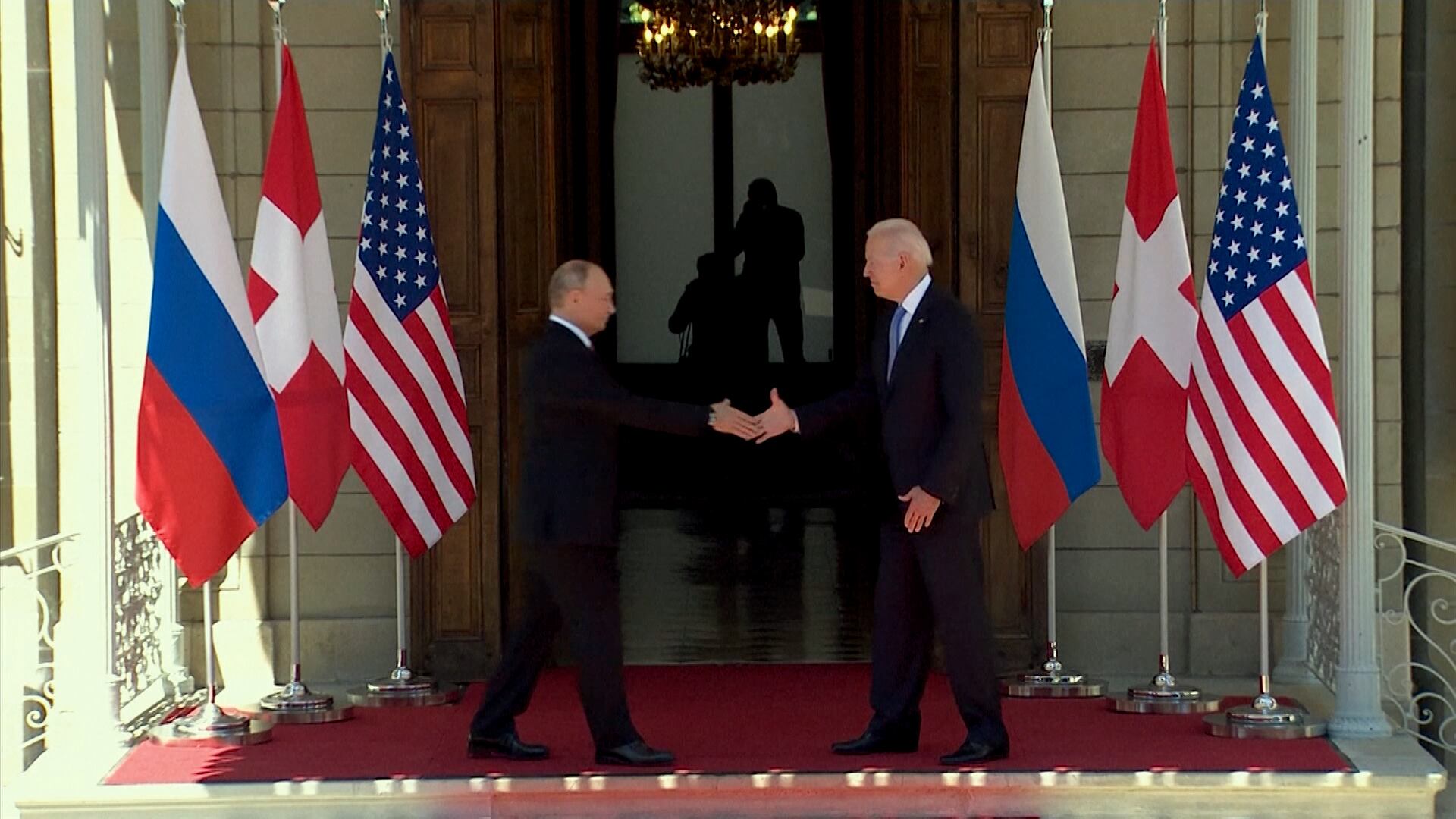
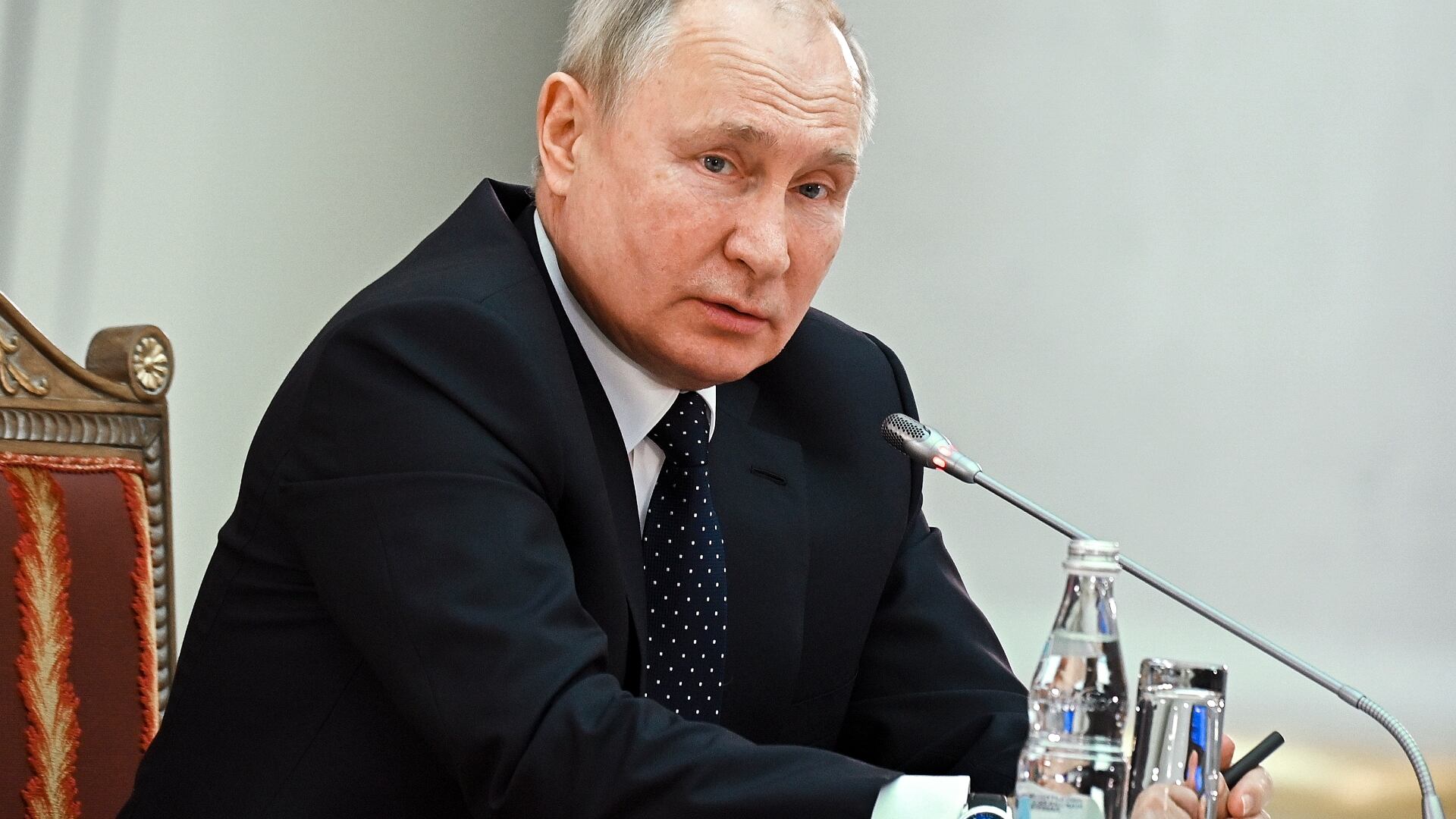
Matt Hayden, vice president of govtech solutions at Exiger and a former assistant secretary of cyber at Department of Homeland Security, joined Cheddar to discuss the surprise phone call initiated by Russian President Vladimir Putin to President Joe Biden, ahead of January security talks about the rising tensions over Ukraine. "We're hoping to hear that we're able to talk about the aggression and the leadup of the Ukrainian militarization," Hayden said. "But we're also looking to hear is how the Kremlin leveraged their talking points to try to test their negotiation stance with the United States leading into this January 10th meeting."
The No Surprises Act begins implementation on January 1, 2022. The legislation is meant to curb the practice of unexpected billing for care from providers the patient was unaware were out-of-network from their insurance. Patricia Kelmar, director of health care campaigns for U.S. PIRG joined Cheddar to describe the hundreds, sometimes thousands, of dollars charged to unsuspecting patients and how things will change under the new law. "If we are picking an in-network doctor and an in-network hospital, we should not see those added costs from anesthesiologists, radiologists, scrub-in surgeons," she said. "The other area it protects you is in air ambulances — not ground ambulances, unfortunately — but the helicopters or the airplanes you might need to transport you in an emergency situation."
President Joe Biden and Russian President Vladmir Putin are expected to have another conversation surrounding escalating tensions between Russia and Ukraine. Ariel Cohen, senior fellow at the Atlantic Council, joined Cheddar's Ken Buffa to discuss the ongoing tensions and why Putin's request for a conversation with Biden comes now. "This is very serious. This is the worst security crisis we had since the collapse of the Soviet Union," Cohen told Cheddar.
Stocks closed mixed on Wednesday, but two indexes - the Dow and the S&P 500 - ended the session with a new record. Akshata Bailkeri, Equity Analyst at Bruderman Asset Management, joins Cheddar News' Closing Bell, where she says there is a consensus for robust consumer spreading in 2022, especially as the Omicron variant is proving to be milder than other COVID-19 strains.