After a bruising week for progressive Democrats that ruled out including a minimum wage hike in the $1.9 trillion COVID-19 relief bill, Congressional business on the legislation will continue next week. This is your Washington Week Ahead for the week of March 1.
Trump Speaks
Former President Donald Trump will speak at the Conservative Political Action Conference, commonly referred to as CPAC, in Orlando on Sunday. It will be his first major public appearance since leaving office and comes after a series of high-profile rebukes from Democrats, including an impeachment trial, while the Republican Party seems divided on how it moves forward. Plus, Sen. Mitch McConnell (R-Ky.) keeps flip-flopping in his support, pledging to support Trump if he runs for the White House again in 2024, just days after holding him responsible for the January 6 insurrection on the Capitol building. Trump has pledged a return of his Make America Great Again movement and CPAC will provide a friendly platform for that exact messaging, further highlighting the hold he still has on his party.
Stimulus Stalemate
The Senate will begin debate on the American Rescue Plan on March 1, marking the first time the chamber is officially taking up the latest round of coronavirus relief spending. The nearly $2 trillion rescue package includes $1,400 stimulus checks for Americans, billions in federal relief for state, local, and tribal governments, and a huge bucket of money for vaccine rollout. Because the Senate has a legislative filibuster, the bill must adhere to the Byrd Rule, a parliamentary procedure that allows budget reconciliation legislation to pass without being subject to the filibuster. One thing we know for sure is that the final Senate version of the bill, expected to pass next week, will not include a federal minimum wage increase after the parliamentarian determined it would be against the rules. The current federal minimum wage is $7.25 and has remained unchanged since 2009.
Voting Rights in the Spotlight
Now that the House of Representatives has finished with COVID relief, it’s on to other priorities. In the last Congress, House Democrats passed H.R. 1, the For the People Act, a sweeping election reform bill. It languished in a Republican-controlled Senate. This is a chance for the chamber to try again — but expect a lot of amendments from Republicans, looking to strike down provisions like universal vote-by-mail and extended early voting periods, as well as a national holiday for Election Day. At the same time, the United State Supreme Court will hear arguments on a pair of Voting Rights Act cases that could further erode protections for disadvantaged voters. So in the first week in March, 20 months before the 2022 midterm elections, all eyes in Washington will be on voting rights.
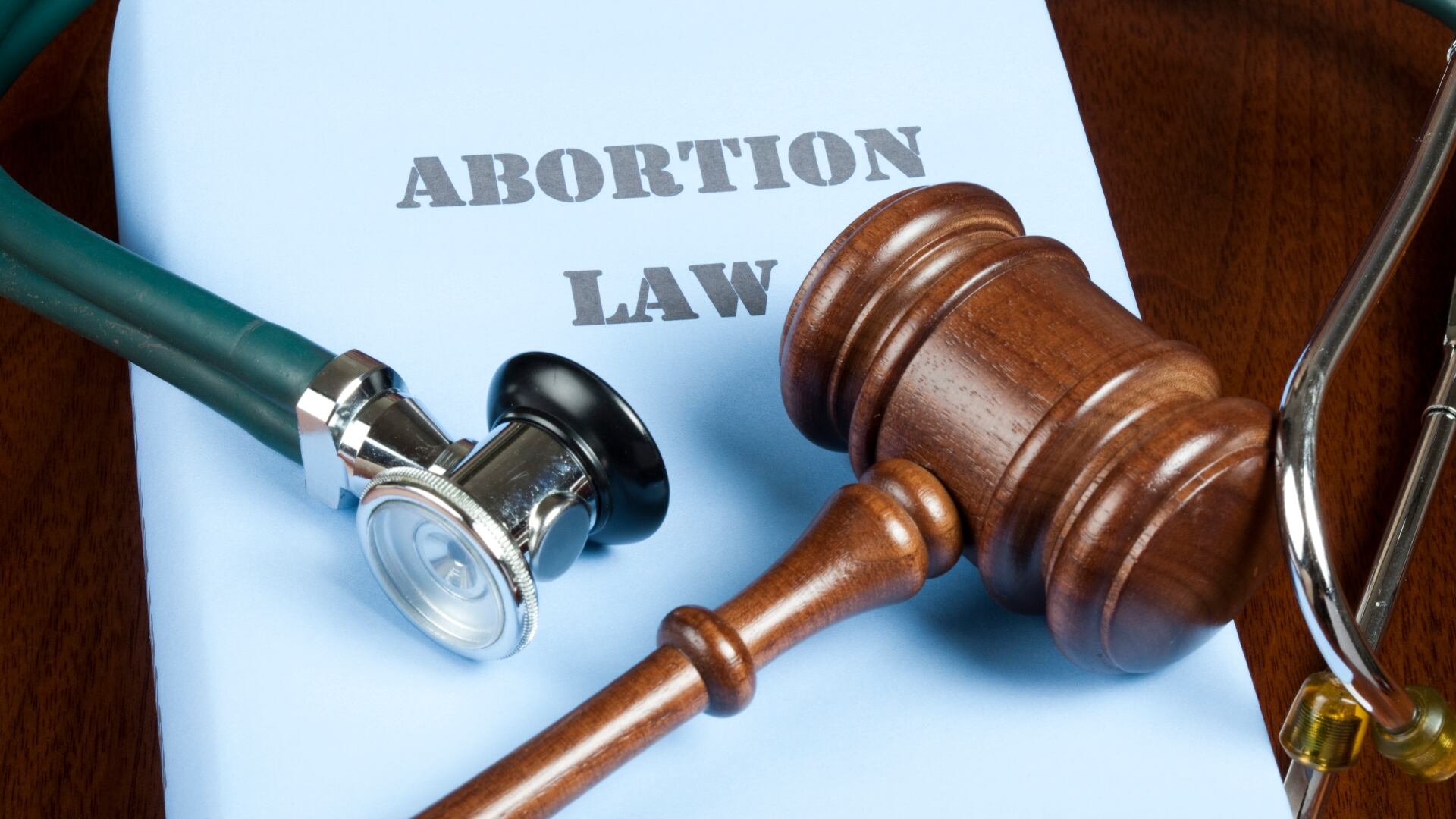
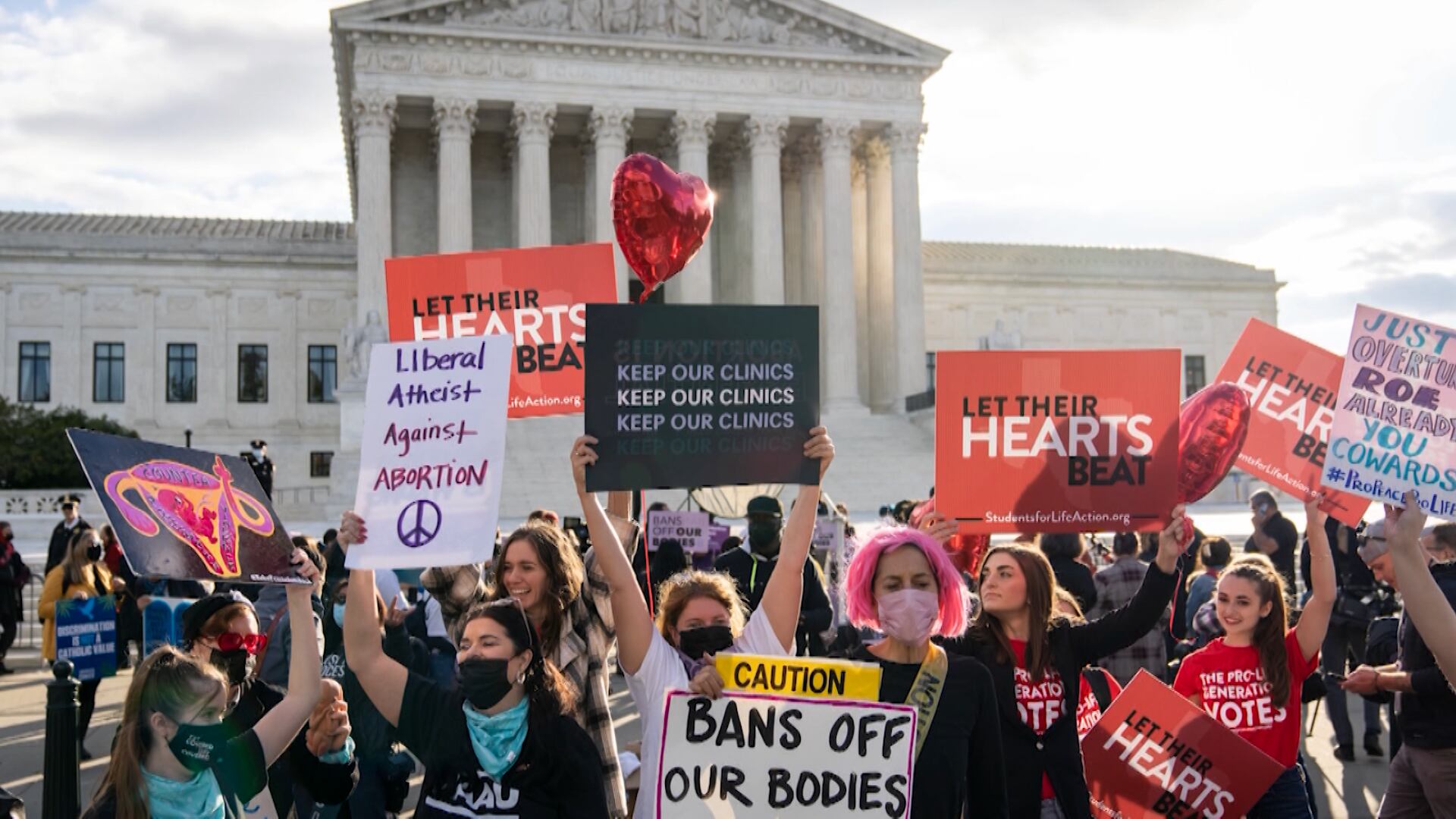
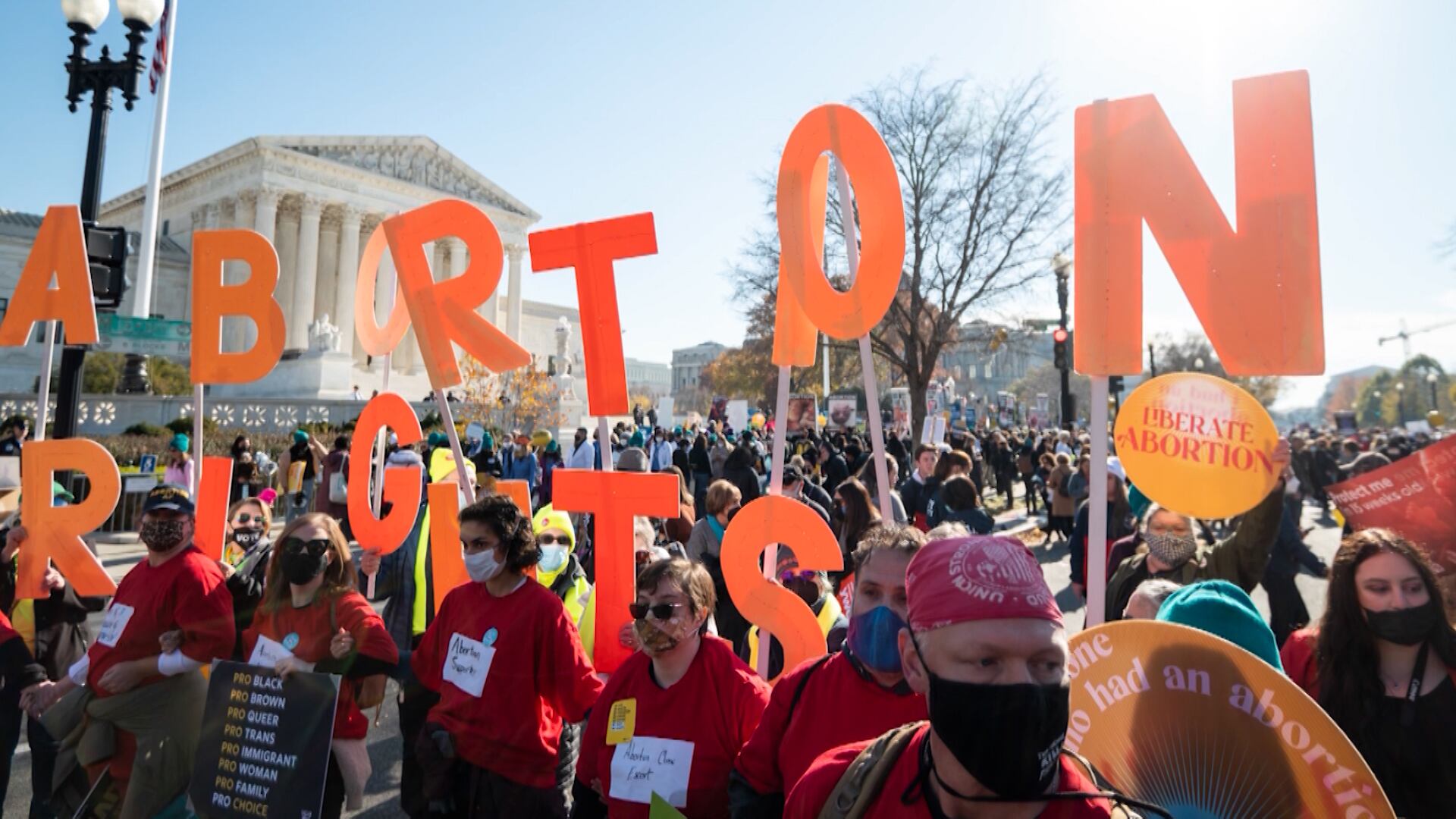
The Supreme Court has declined to order the Texas Abortion case back to the original trial judge for further proceedings. Essentially if Texas abortion providers were able to get their case back to the lower court., It would have greatly helped the group move against the law. However, this decision is likely to prolong the case legal battle. Professor and Author of "The Turnaway Study: Ten Years, a Thousand Women, and the Consequences of Having — Or Being Denied — An Abortion", Diane Foster, joined Cheddar to discuss more.
The Supreme Court rejected yet another bid by abortion providers to block Texas's law - which bans most abortions after six weeks of pregnancy. This is the fourth time that advocates have tried and failed to block the most restrictive abortion ban in the country. Leah Litman, assistant professor of law at The University of Michigan and co-host of the "Strict Scrutiny" podcast, joins Cheddar News to discuss.
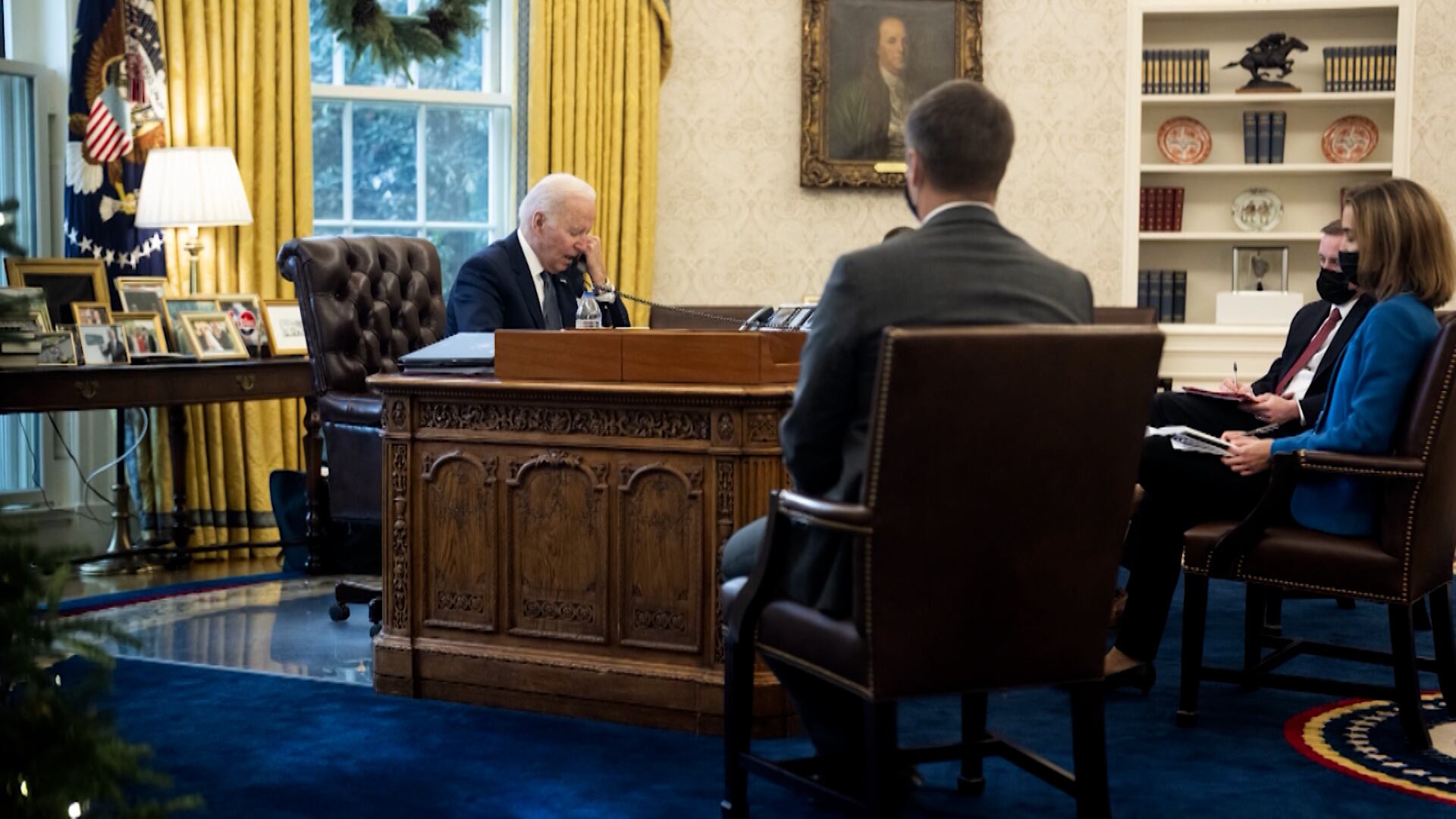
As the standoff between the U.S. and its allies continues with Russia over its possible designs to invade Ukraine, President Biden held a video conference call with European leadership and had 8,500 American troops put on high alert. Jamil Jaffer, a former associate White House counsel for the Bush Administration, joined Cheddar to discuss his views on the escalating crisis in Eastern Europe.
As controversy dogs the run-up to the 2022 Beijing Winter Olympics, China is hiring TikTokers and other social media influencers to promote the nation's history, culture, diplomatic efforts, and current trends.
The Supreme Court has rejected another request to block Texas' strict abortion law. This marks the third time the high court has declined to intervene in challenges to the law that bans abortions after six weeks, well before many women even know they're pregnant. Aziza Ahmed, professor of law at the University of California, Irvine, joined Cheddar News to discuss the impact of the law so far on women seeking abortion services in Texas.
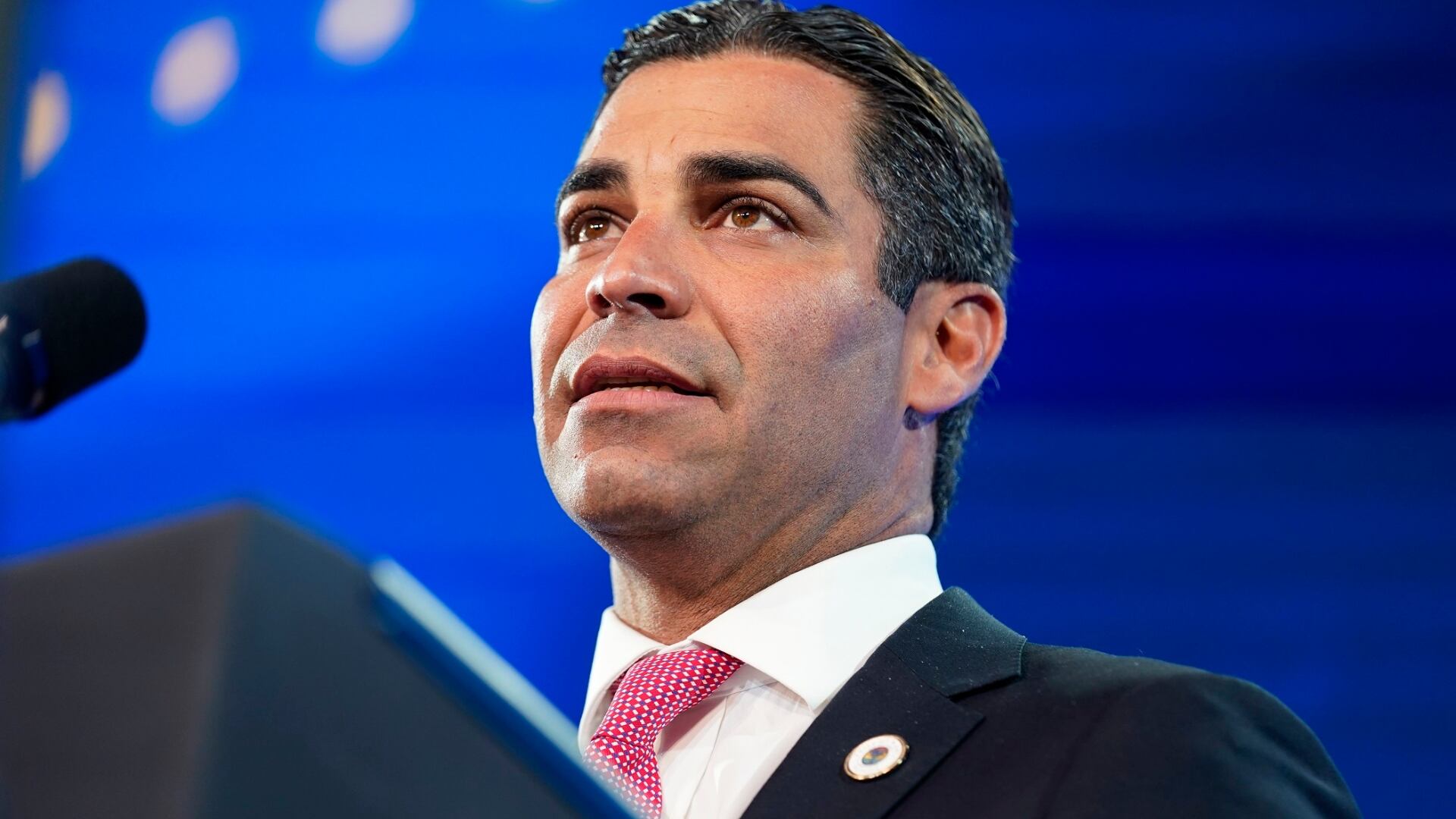
Mayors in cities like Miami and New York City are considering introducing cryptocurrencies as a way to reduce economic inequality. Miami Mayor Francis X. Suarez has even pushed for distributing Bitcoin dividends to the city's inhabitants.
The U.S. will be implementing a vaccine mandate for all people entering through its land borders, removing exemptions for "essential" travelers such as truckers, students, and business people. While the Canadian Trucking Alliance argues that the new, stricter rule might exacerbate ongoing auto supply chain issues, some health experts see the potential for helping curb the ongoing pandemic. Anthony Santella, a professor of health administration at the University of New Haven, joined Cheddar to give his take on the updated border crossing restriction. "We can't just focus on one type of travel. We need to ensure that it's clear and consistent across all types of travel," Santella said.
Will Rhind, CEO of GraniteShares, joins Cheddar News' Closing Bell, where he says he believes the Fed's plans of increasing rates is taking its toll on some of the more speculative stocks and the technology market.