We have another Infrastructure Week on the schedule and if you had "the filibuster isn't racist" on your 2021 BINGO card, you win a prize. Here's more about what is and isn't expected in the Washington Week Ahead.
(ANOTHER) INFRASTRUCTURE WEEK: The proverbial joke in Washington is actually, really happening in Pittsburgh on Wednesday when President Joe Biden takes to the stage to pitch his infrastructure plan. The White House has downplayed leaks so far, but we can expect that he'll try to sell the American people on $3-4 trillion in federal spending on "hard infrastructure" like planes, trains, and automobiles and "soft infrastructure" like free community college and universal Pre-K. The bill will not garner much Republican support and Democrats are planning to move forward with another budget reconciliation proposal.
CRICKETS ON CAPITOL HILL: The week of Spring Recess and all through the House, not a creature was stirring, not even a mouse. The Senate gaveled out of its chamber with care in hopes that legislative business would all disappear.
Yes, I did write a poem about next week in Washington. But it pretty much sums up where things are: Congress is in recess for two weeks and that means exactly nothing will be happening on the legislative front. Don't expect much from the president either. He's clearly in no rush to do anything on gun control or immigration, saying "timing is everything." In other words, not now.
BESSEMER UNION BATTLE: The vote on whether to unionize the Amazon warehouse in Bessemer, Alabama wraps up on Monday, just days before Biden heads north to the union town of Pittsburgh to pitch the country on tons of good, union jobs as part of his infrastructure plan. But the union fight is already here and it's happening in a state that is historically anti-union. Whether or not Amazon's warehouse does unionize or not, the conversation about union jobs and unions, in general, is going to be an ongoing one, especially as the Democratic Senate will likely force a vote on the pro-union PRO Act despite having no Republican support — if they can get the votes in their own party.
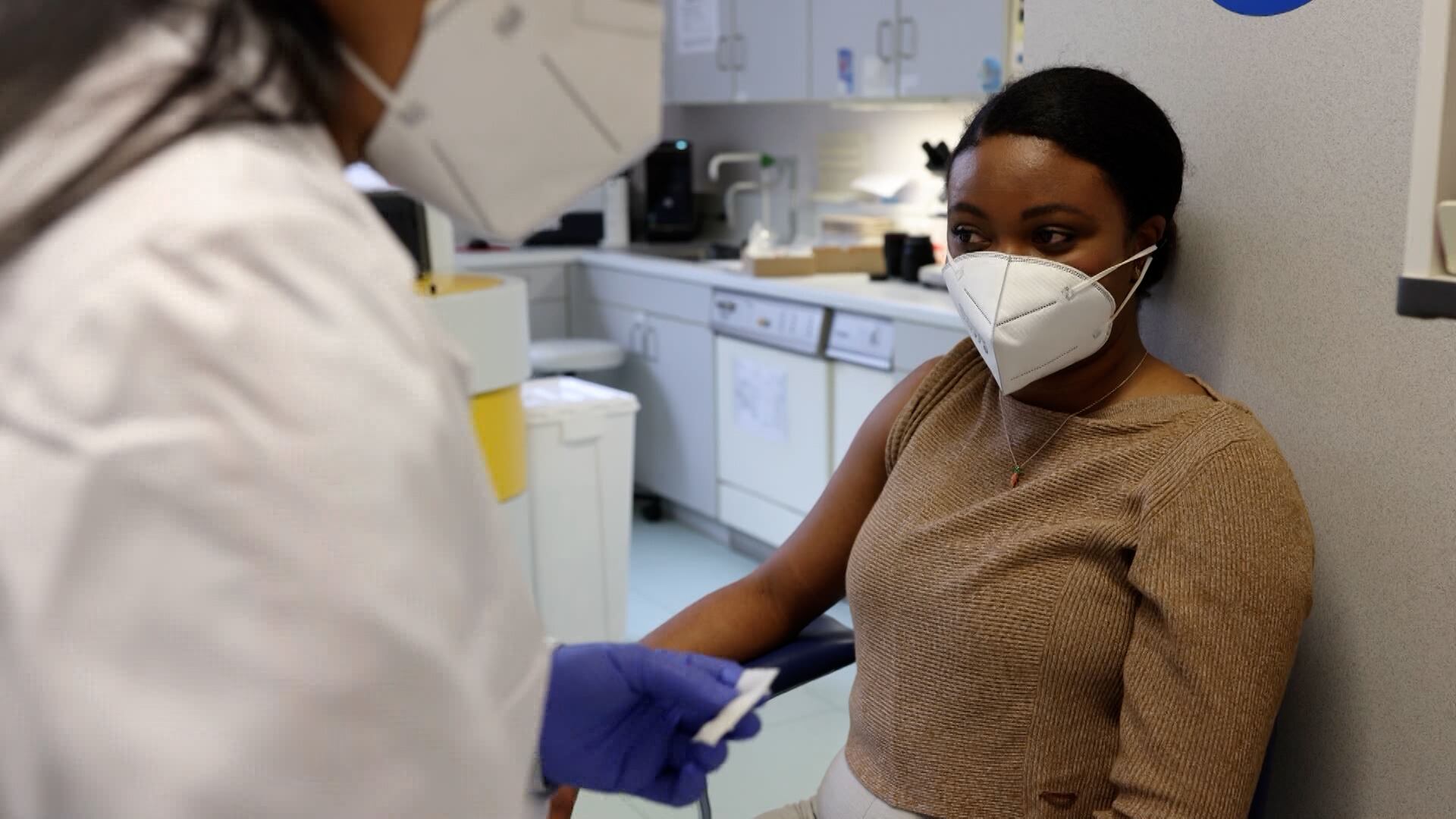
An recently conducted AP-NORC poll found that majorities of the Black and Hispanic populations in the U.S. still find themselves either somewhat worried or extremely worried over the pandemic, while more than half of white Americans responded with either being not too worried or not worried at all. Dr. Chris Pernell, the chief strategic integration and health equity officer at University Hospital, joined Cheddar News to talk about how perceptions of COVID-19 differ between groups of Americans. "We’re still seeing people get infected, and because of the toll of the disproportionate impact, we have concerns among the Black and brown community about whether or not they have an increased risk of exposure because of where they work, because of the use of public transportation, because they live in homes that they may not be able to safely quarantine and or isolate in, and because they have at baseline chronic health conditions that may make coronavirus more severe in those persons," she said.
Judith Enck, a former regional administrator for the EPA and the president of Beyond Plastics, joined Cheddar News to talk about the role of plastics in the climate crisis and California's investigation of ExxonMobil and other oil companies for misleading the public on the ability to recycle plastics. "The reason why petrochemical companies like Exxon have gotten away with selling more and more plastic is that they've lied to the public and told us don't worry about all those negative upstream impacts and downstream impacts of plastics. Just be sure to recycle it. Well, guess what? Plastics largely are not recycled," Enck said.
The ongoing war in Ukraine and the Fed's hawkish stance toward reining in inflation might be causing a frenzy among investors. Craig Erlam, a senior market analyst at foreign exchange OANDA, joined Cheddar News to talk about the current "mixed bag" markets. "It's hard to read too much into it. These are just the market conditions we have right now," he said. "Ultimately we're a little directionless at times overall, but these intraday moves are causing a lot of volatility this week."
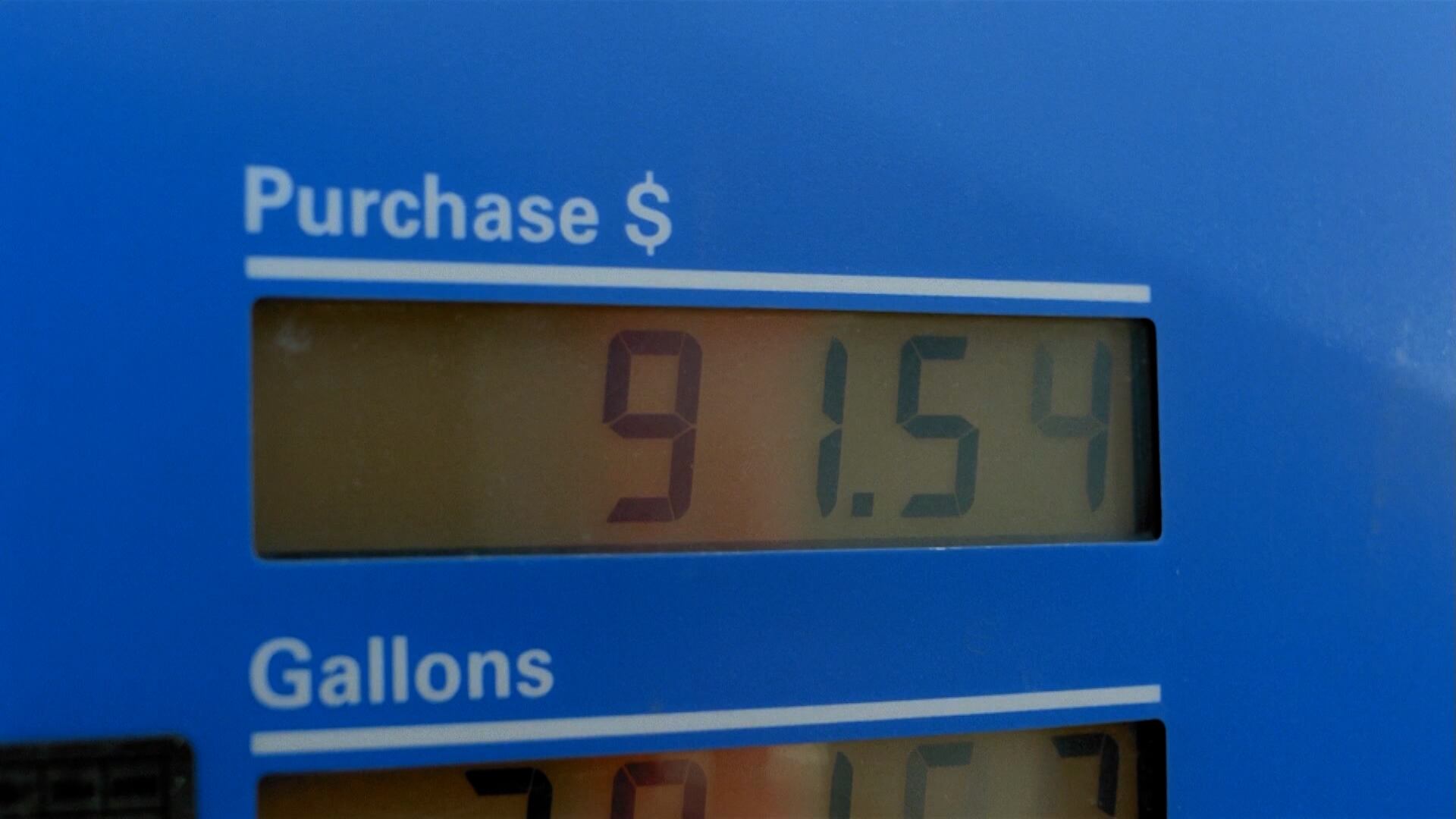
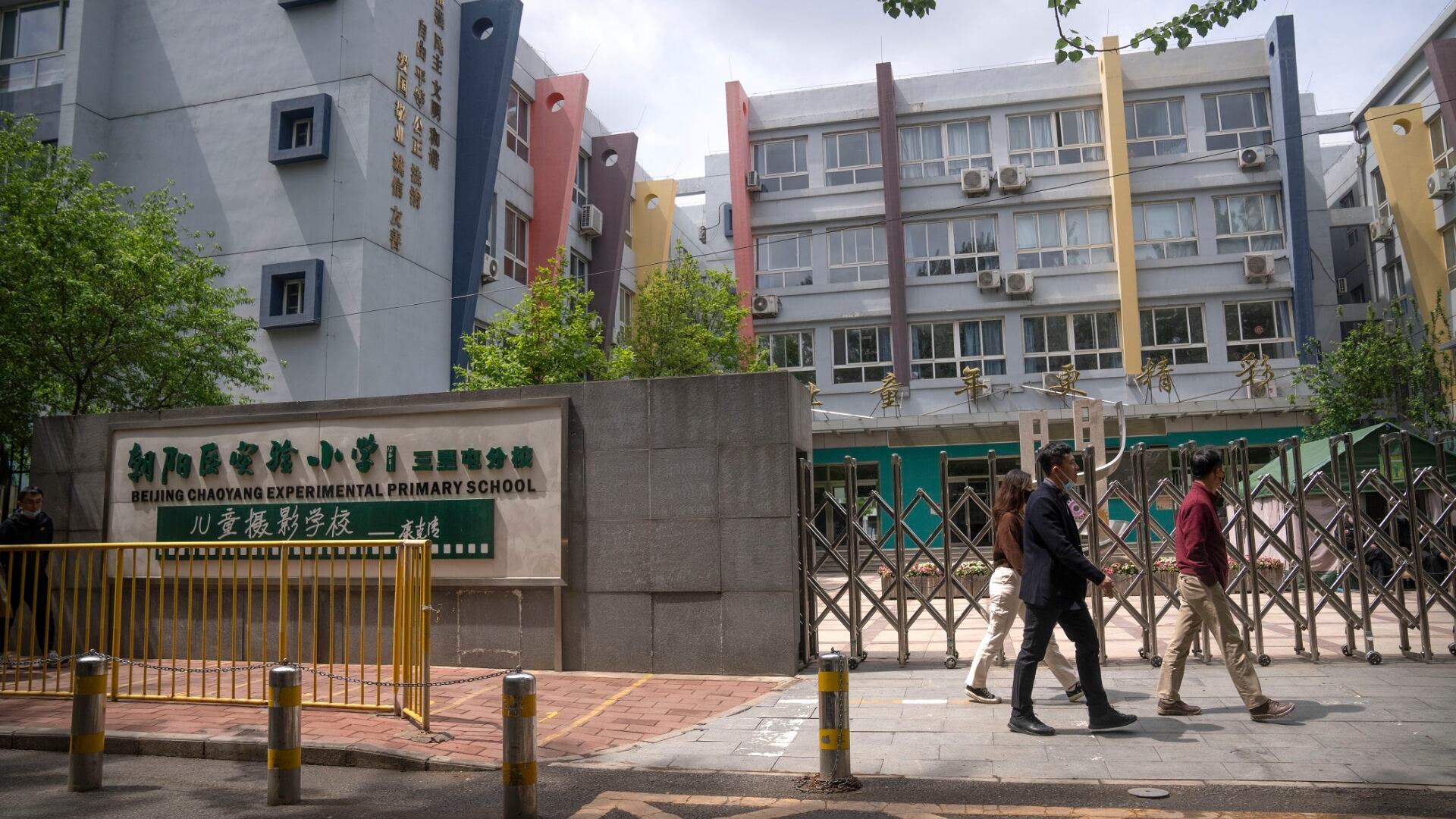
Catching you up on what you need to know on April 29, 2022, with President Biden asking Congress for a $33 billion aid package for Ukraine, a shrinking GDP potentially leading to a recession, Beijing banning weddings and funerals while closings schools amid COVID, and more.
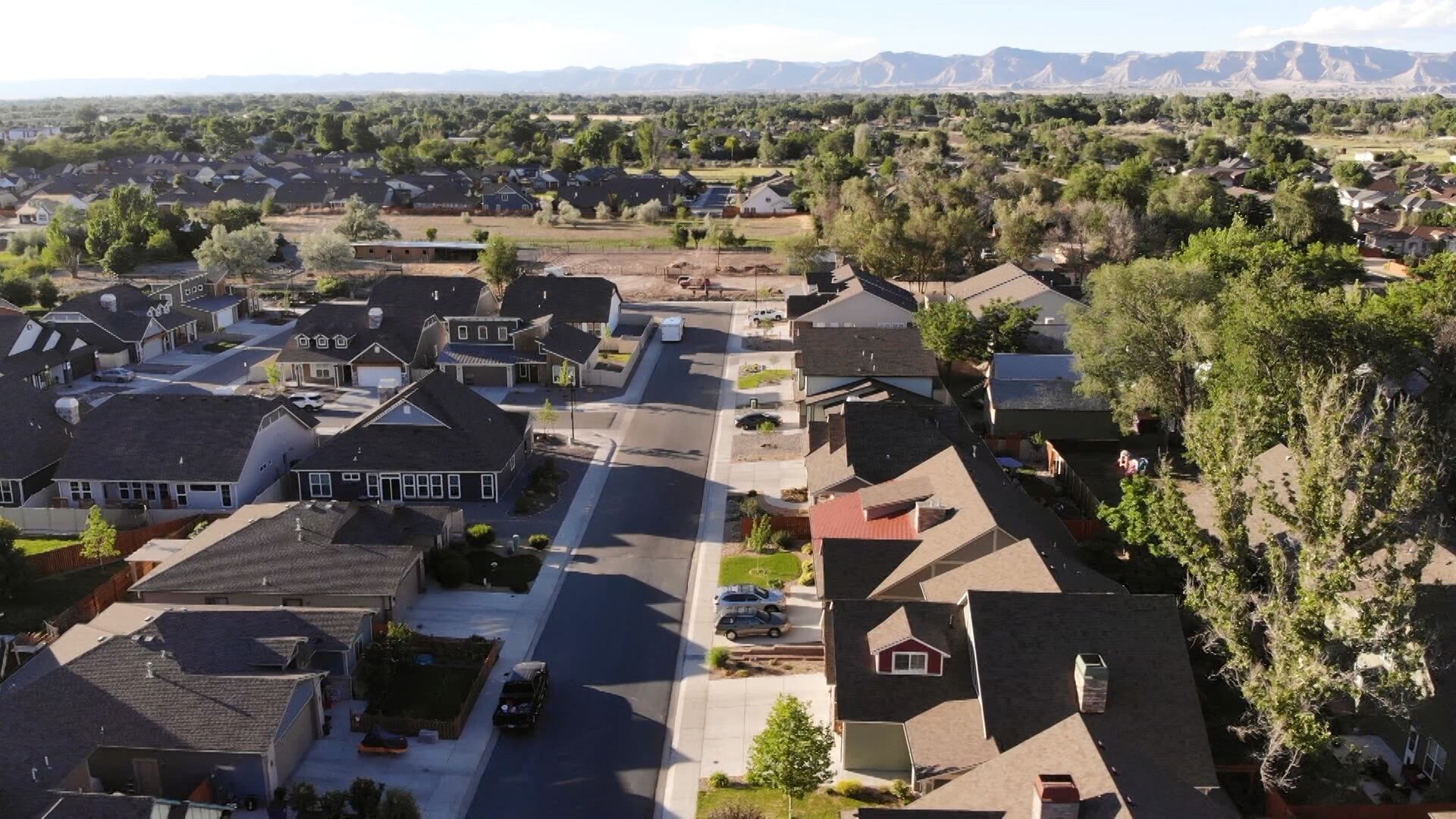
Buying a new home is tough right now; but for first-time buyers, it's an especially challenging time, with obstacles like rising mortgage rates and record-breaking home prices. The housing market is not expected to get much friendlier, as mortgage rates are expected to continue to climb as the Federal Reserve proceeds with its plans for rate hikes in an effort to stifle inflation. Jonathan Miller, President and CEO of real estate appraiser Miller Samuel, joins Cheddar News' Closing Bell to discuss.
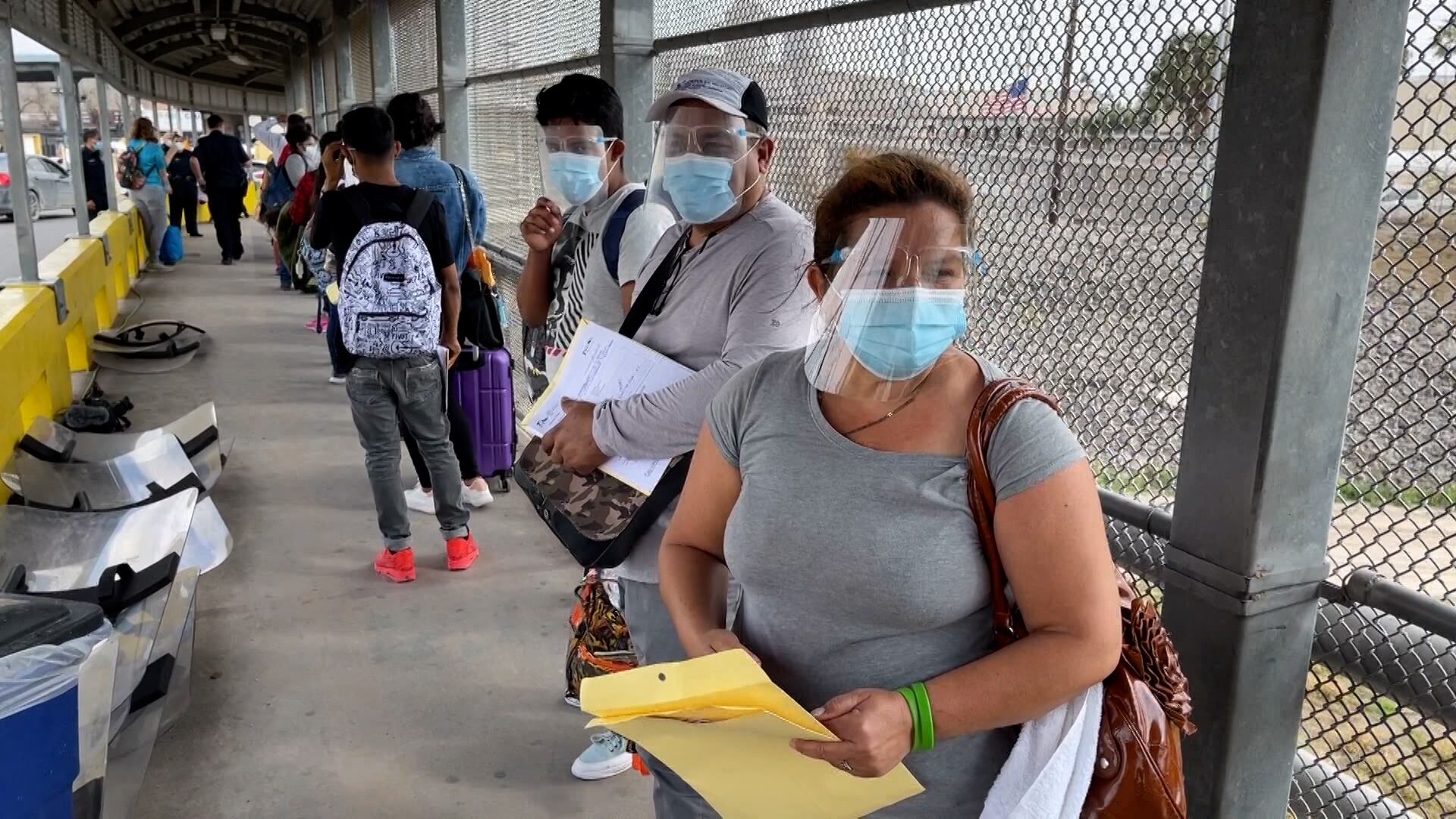
Tyler Moran, former senior adviser to President Biden on migration, joins Cheddar Politics to discuss the recent controversy around the administration's decision to end the use of Title 42, a public health order allowing the U.S. to expel migrants without going through the asylum process.
Christian Heyne, vice president of policy at the gun safety group Brady, joins Cheddar Politics to discuss President Biden's executive action on so-called "ghost guns," and to reflect on the Brooklyn subway shooting.
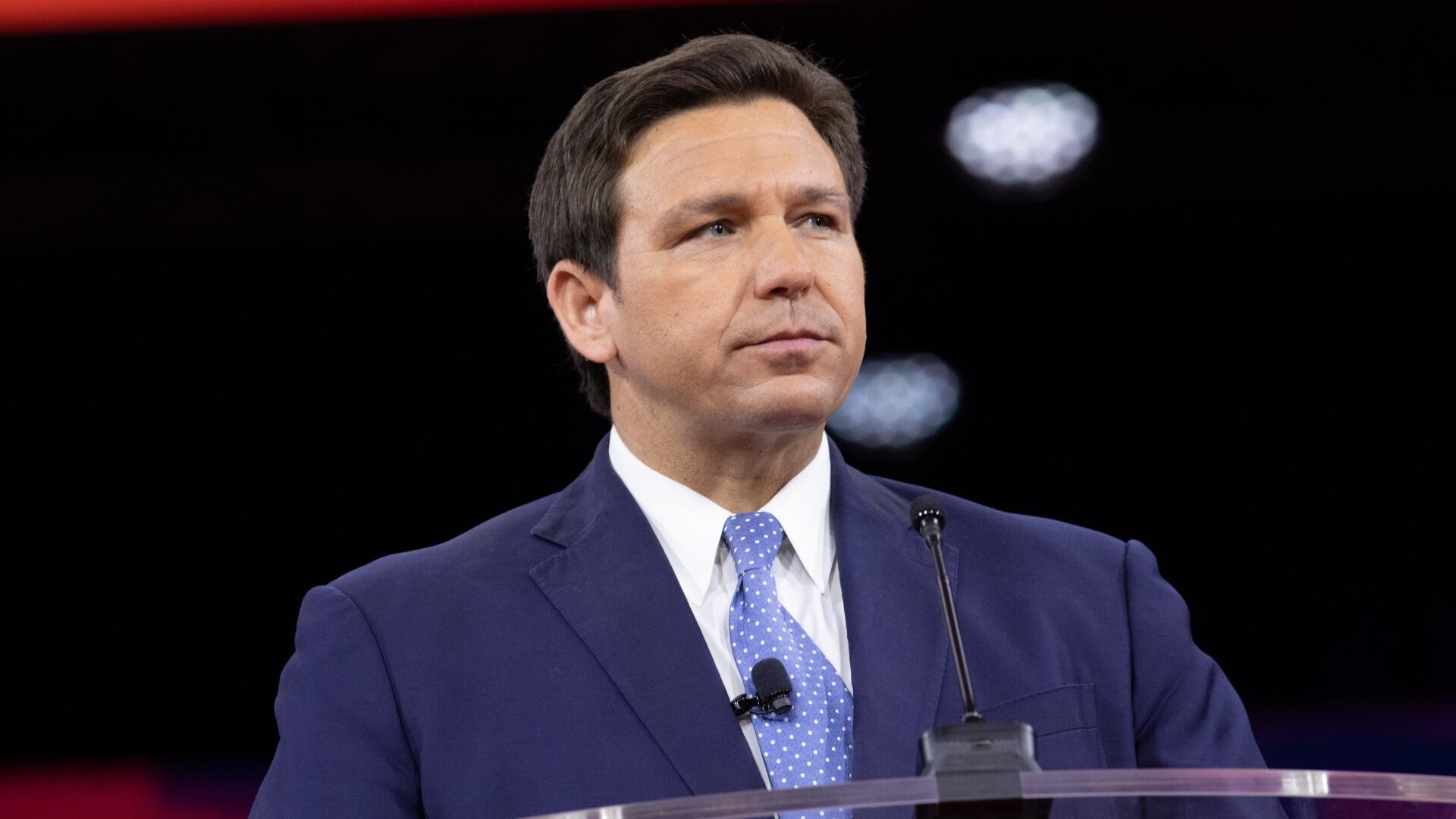
Jasmine Burney-Clark, founder of Equal Ground Education Fund and Action Fund, joins Cheddar Politics to discuss the redistricting process in Florida, and how the state's Republican Gov. Ron DeSantis proposed a map reducing the power of Black Floridians.
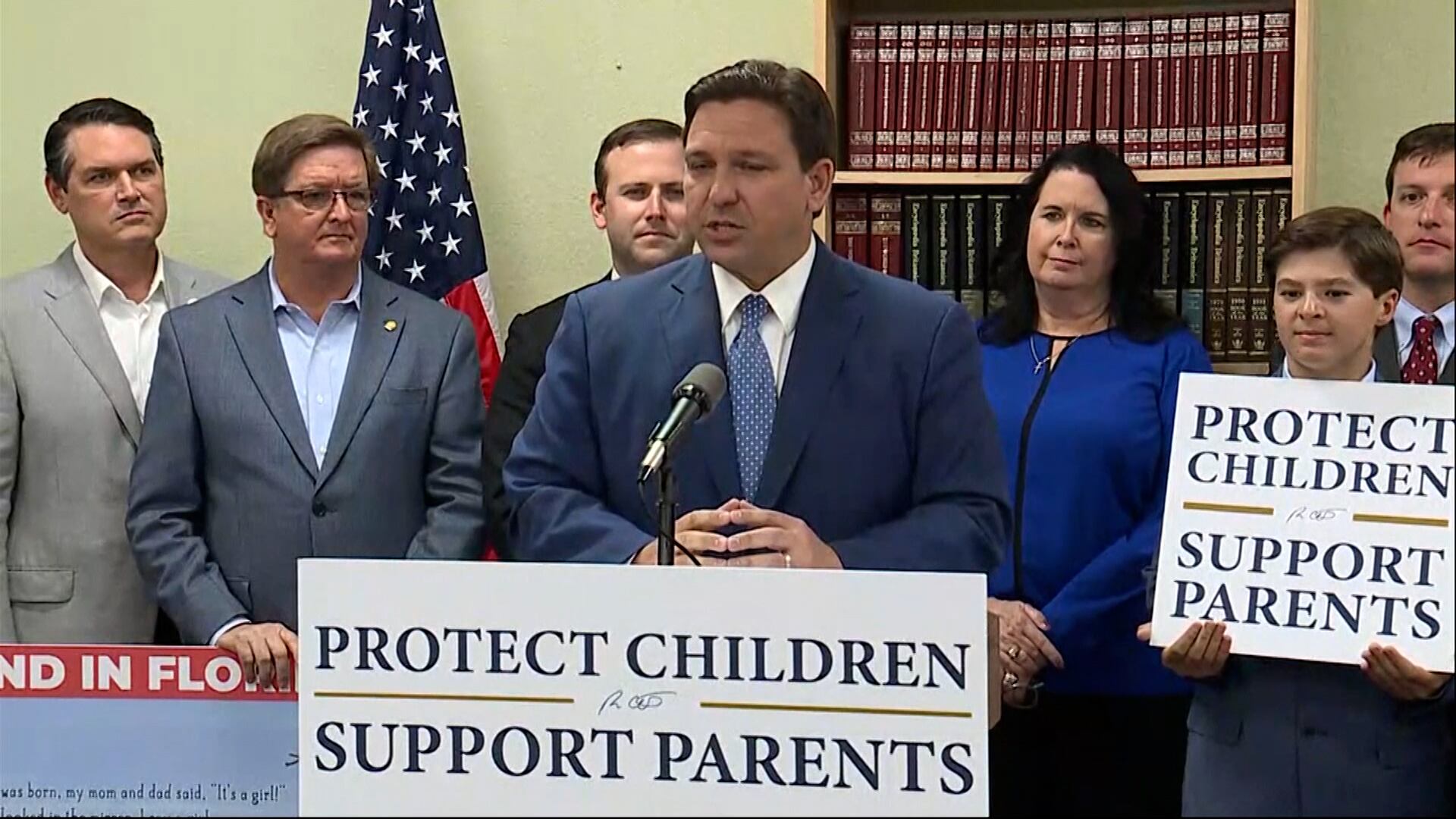
Ryan Thoreson, an LGBT rights researcher at Human Rights Watch, joins Cheddar Politics to discuss claims of grooming made by Republican politicians during efforts to pass so-called 'Don't Say Gay' bills.