We have another Infrastructure Week on the schedule and if you had "the filibuster isn't racist" on your 2021 BINGO card, you win a prize. Here's more about what is and isn't expected in the Washington Week Ahead.
(ANOTHER) INFRASTRUCTURE WEEK: The proverbial joke in Washington is actually, really happening in Pittsburgh on Wednesday when President Joe Biden takes to the stage to pitch his infrastructure plan. The White House has downplayed leaks so far, but we can expect that he'll try to sell the American people on $3-4 trillion in federal spending on "hard infrastructure" like planes, trains, and automobiles and "soft infrastructure" like free community college and universal Pre-K. The bill will not garner much Republican support and Democrats are planning to move forward with another budget reconciliation proposal.
CRICKETS ON CAPITOL HILL: The week of Spring Recess and all through the House, not a creature was stirring, not even a mouse. The Senate gaveled out of its chamber with care in hopes that legislative business would all disappear.
Yes, I did write a poem about next week in Washington. But it pretty much sums up where things are: Congress is in recess for two weeks and that means exactly nothing will be happening on the legislative front. Don't expect much from the president either. He's clearly in no rush to do anything on gun control or immigration, saying "timing is everything." In other words, not now.
BESSEMER UNION BATTLE: The vote on whether to unionize the Amazon warehouse in Bessemer, Alabama wraps up on Monday, just days before Biden heads north to the union town of Pittsburgh to pitch the country on tons of good, union jobs as part of his infrastructure plan. But the union fight is already here and it's happening in a state that is historically anti-union. Whether or not Amazon's warehouse does unionize or not, the conversation about union jobs and unions, in general, is going to be an ongoing one, especially as the Democratic Senate will likely force a vote on the pro-union PRO Act despite having no Republican support — if they can get the votes in their own party.
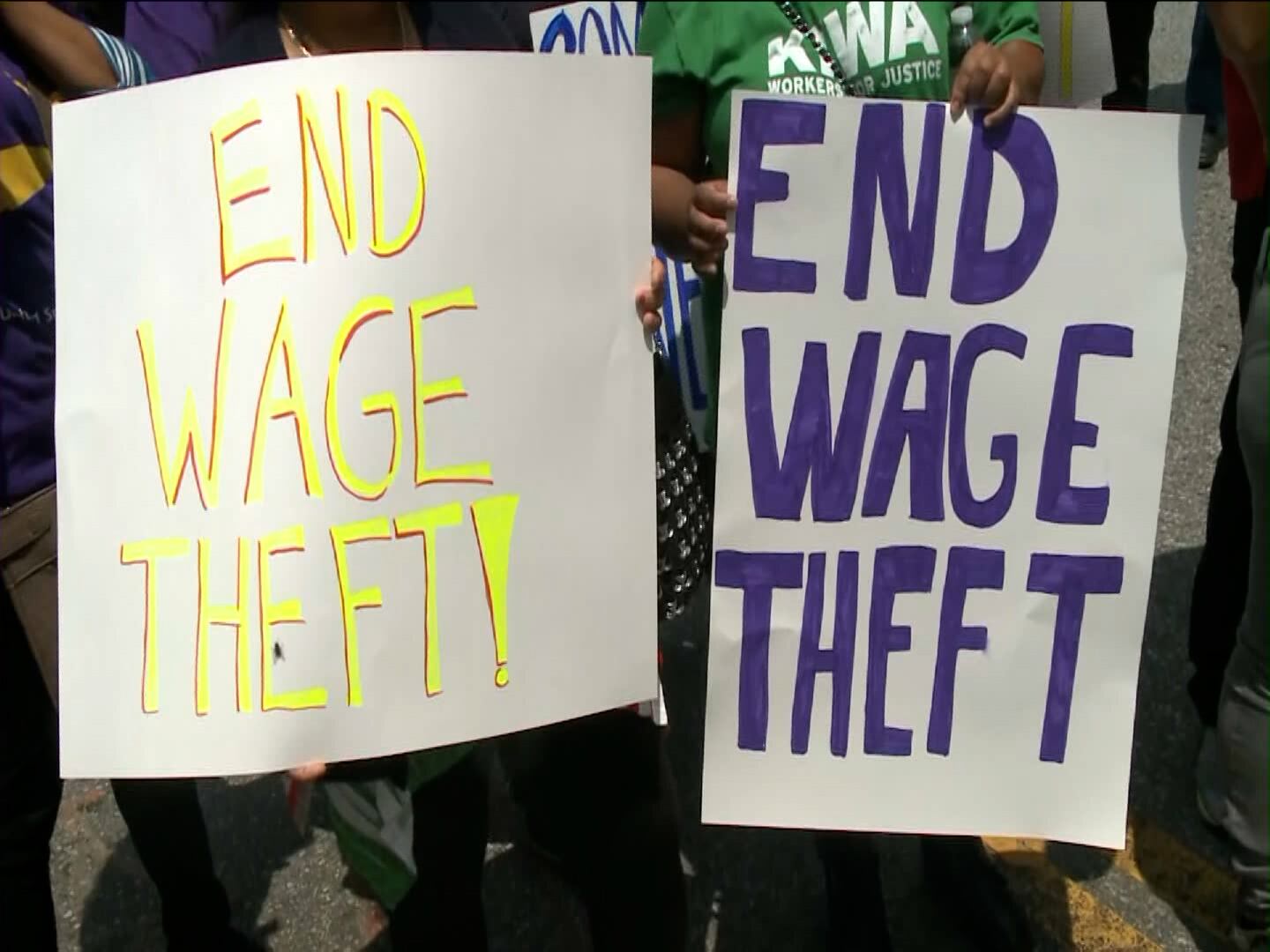
The average city in California has a 38% higher cost of living than the average American city, according to a cost of living index. For many, the general minimum wage of $15/hour just doesn't cut it. Anti-poverty activist Joe Sanberg wants to get the minimum wage changed to $18/hour. He joins Cheddar News to discuss the Living Wage Act of 2022.
Liana Guzmán, CEO of FOLX Health, joins Cheddar News to discuss the company launching billboards across the country in response to anti-LGBTQ+ legislation.
President Biden has announced an additional $800 million in military assistance to Ukraine, including artillery, armored personnel carriers, and helicopters. It comes as Russian forces appear to be preparing for a new, aggressive offensive in the eastern part of Ukraine. Paul McLeary, defense reporter for Politico, joined Cheddar to discuss this new round of aid and what it means for the U.S. commitment to arming the embattled country.
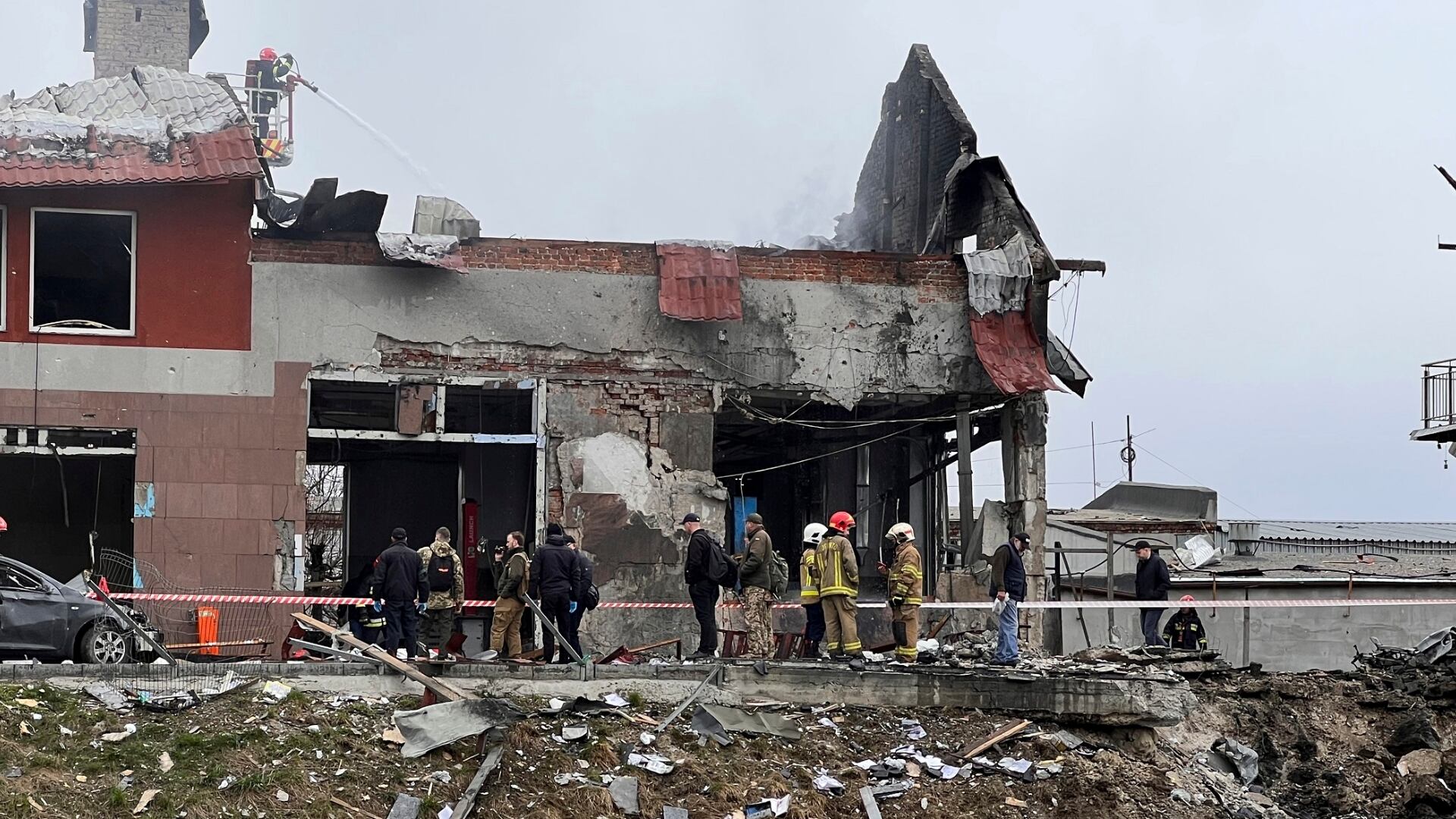
Catching you up on what you need to know on April 18, 2022, with Russian missile attacks on the Ukrainian city of Lviv killing seven, mass shootings in South Carolina and Pittsburgh, Lucky Charms cereal under official investigation by the FDA, and more.
Activism is growing around the country in response to school boards banning books from shelves that focus on sexuality, gender, identity, or race. Jen Cousins, co-founder of The Florida Freedom to Read Project, joins Cheddar News to discuss.
As the Russian invasion of Ukraine intensifies, President Biden has announced a ban on importing Russian oil, gas, and energy. To discuss how this ban will impact the war and Americans, Amir Handjani, non-resident fellow at Quincy Institute, joins Cheddar News.
Thousands of protesters around the world are expressing their solidarity with Ukraine against Russia's invasion.
Jason Beardsley, national executive director of the Association of the U.S. Navy and national security expert, joins Cheddar News to discuss.
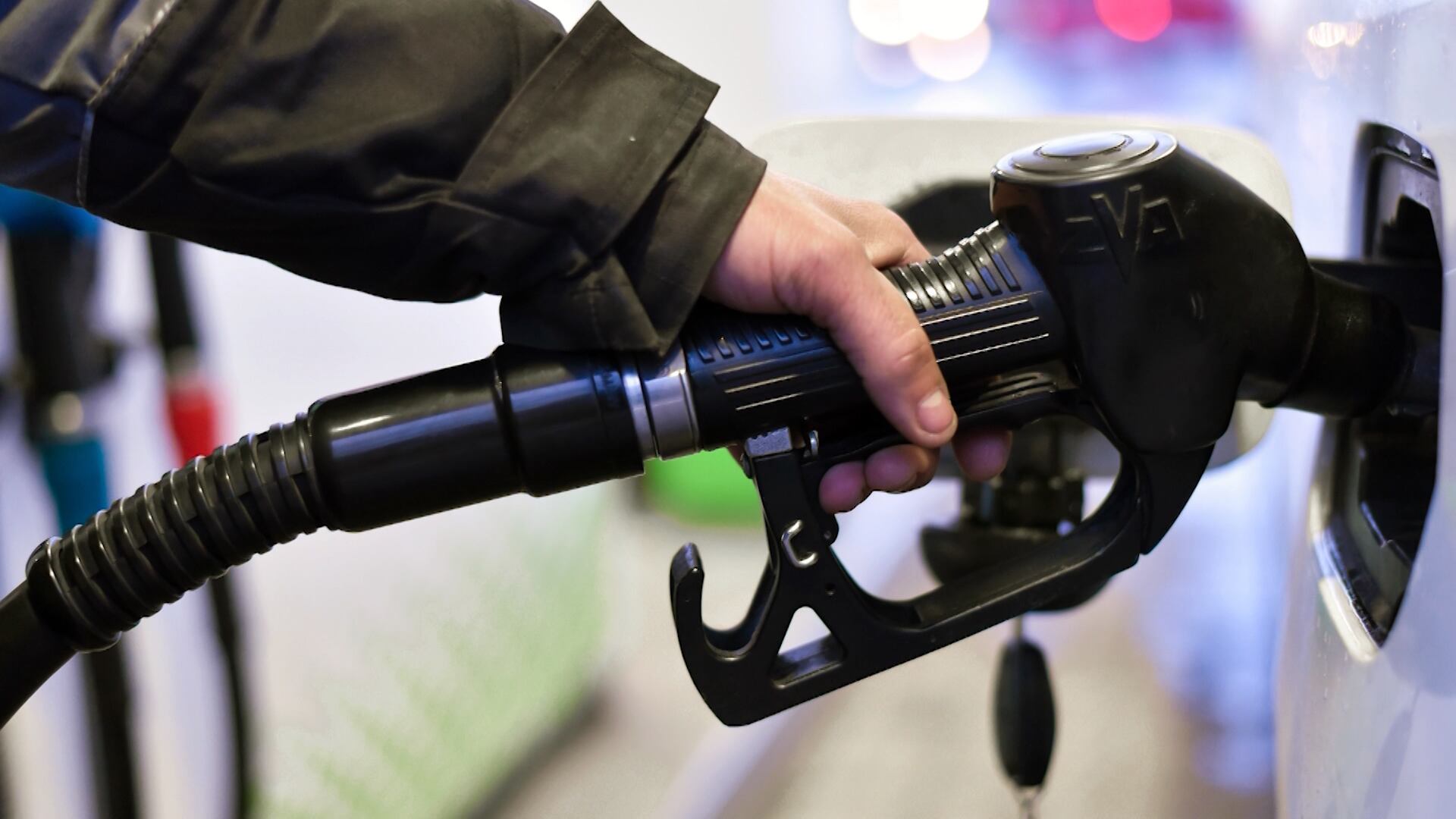
As gas prices surge amid the Russian invasion of Ukraine, other nations could potentially transition faster to using clean energy than previously expected. Philip K. Verleger, a senior fellow at the Niskanen Center, joined Cheddar News to explain how this could be a possibility in the near future. "Part of the reason I think we have this invasion and the tantrum that's being thrown by Russia, terrible tantrum, is because the Russians were trying to slow down the transition," he said. "Ironically they speeded it up."