Washington state lawmakers are considering levying a 1 percent tax on "extraordinary intangible financial assets" of people whose personal wealth exceeds $1 billion. This includes assets such as cash, futures contracts, and publicly traded options — not income.
Washington Democrats have rallied around the measure as one way to help combat growing economic inequality in the state, which has only intensified during the pandemic.
"The conditions were there before the pandemic, but the pandemic has laid bare the true inequity in our tax code here in Washington state," State Rep. Noel Frame told Cheddar.
The representative said that Washington had the distinction of having the most regressive tax code in the country, with lower-income households paying disproportionately more than higher-income households. The state does not impose a personal income tax.
"I think it's egregious and out of step with our values as a state," she said.
Using confidential data from the IRS, U.S. Federal Reserve, and proprietary information from Forbes, the state estimated that the law would impact 100 taxpayers in Washington.
Among them are world-famous mega billionaires such as Jeff Bezos, Bill Gates, MacKenzie Scott, and Steve Ballmer, who would contribute the lion's share of the tax contributions.
Based on the latest data from Forbes, the Tax Foundation found that about 97 percent would come from those four individuals, though roughly a dozen people would be liable for the tax.
"I have to tell you that number is jaw-dropping to me," Frame said. "I think we know a few of those billionaires in our state, but it turns out there are many, many more."
If passed, the levy would be imposed starting January 1, 2022, for taxes due the following year.
Frame said another goal of the bill is to help fund existing tax credits for lower-income households, including a credit against the sales tax, which she said the state is overly reliant on. She added that about 47 percent of Washington's revenue in 2020 came from the sales tax, which is generally considered more regressive than other taxes.
"When you think about somebody who has a total household income of $24,000 or less, you can imagine how quickly the sales tax on those everyday purchases will add up as a share of your household income," she said.
State lawmakers are set to let the bill "simmer" over the next few weeks, Frame said.
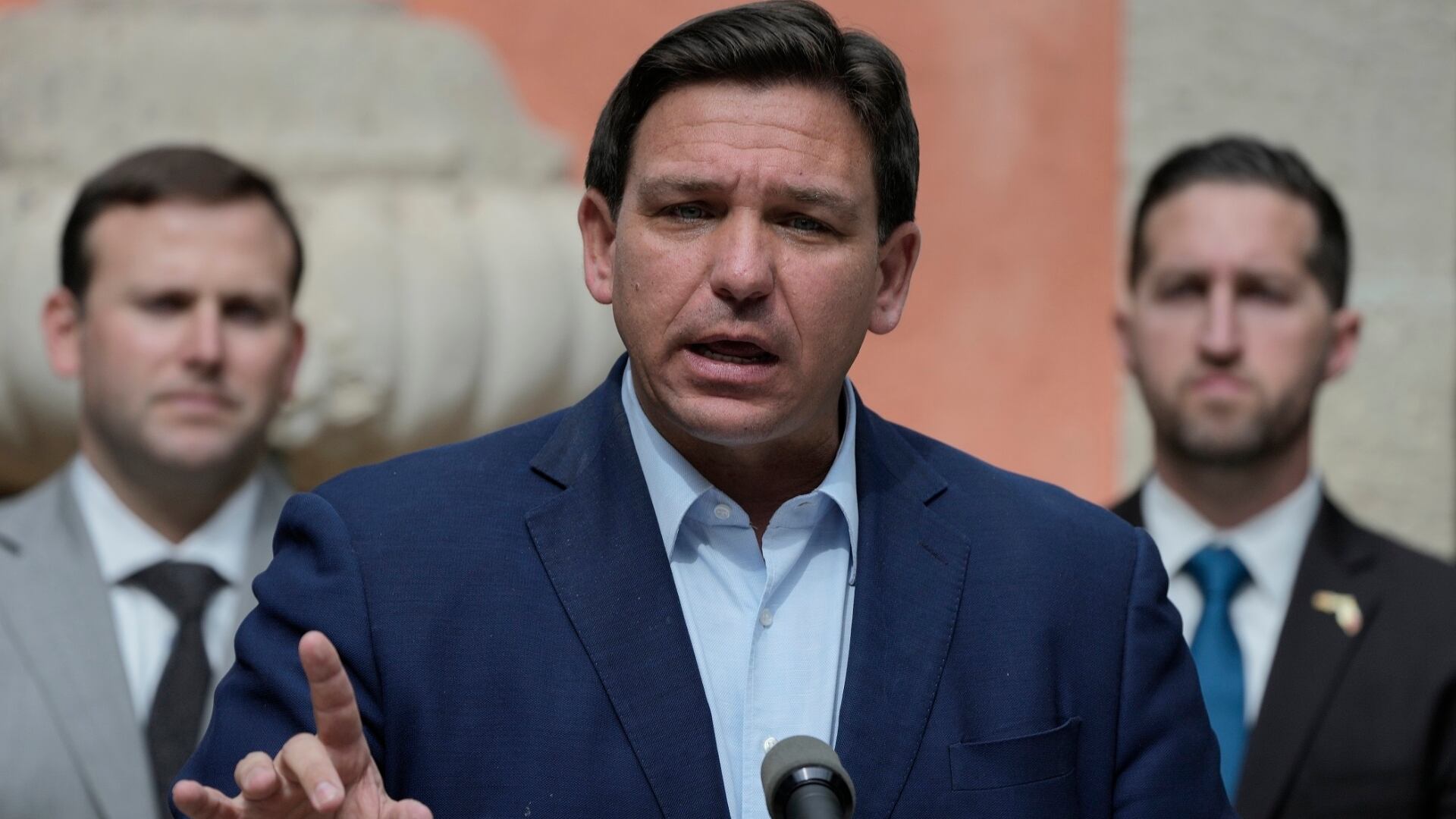
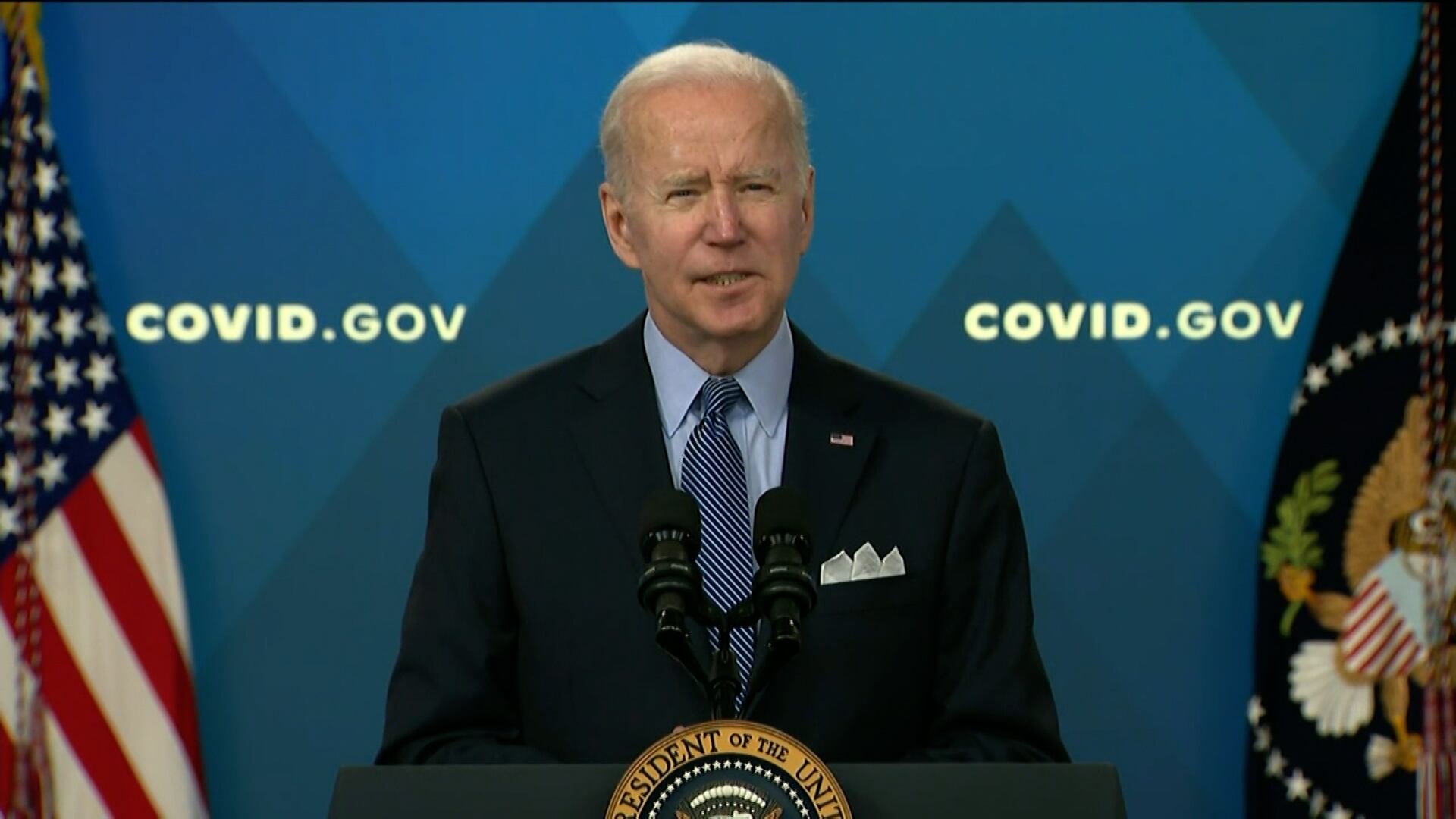
Catching you up with what you need to know on Apr 1, 2022, with Ukrainians hoping to flee the besieged city of Mariupol with a ceasefire is in place, President Biden orders the release of oil from U.S.reserves, LGBT activists suing Florida Governor Ron DeSantis over the "Don't Say Gay" Law, U.S. passports offering an "x" option for gender, and more.
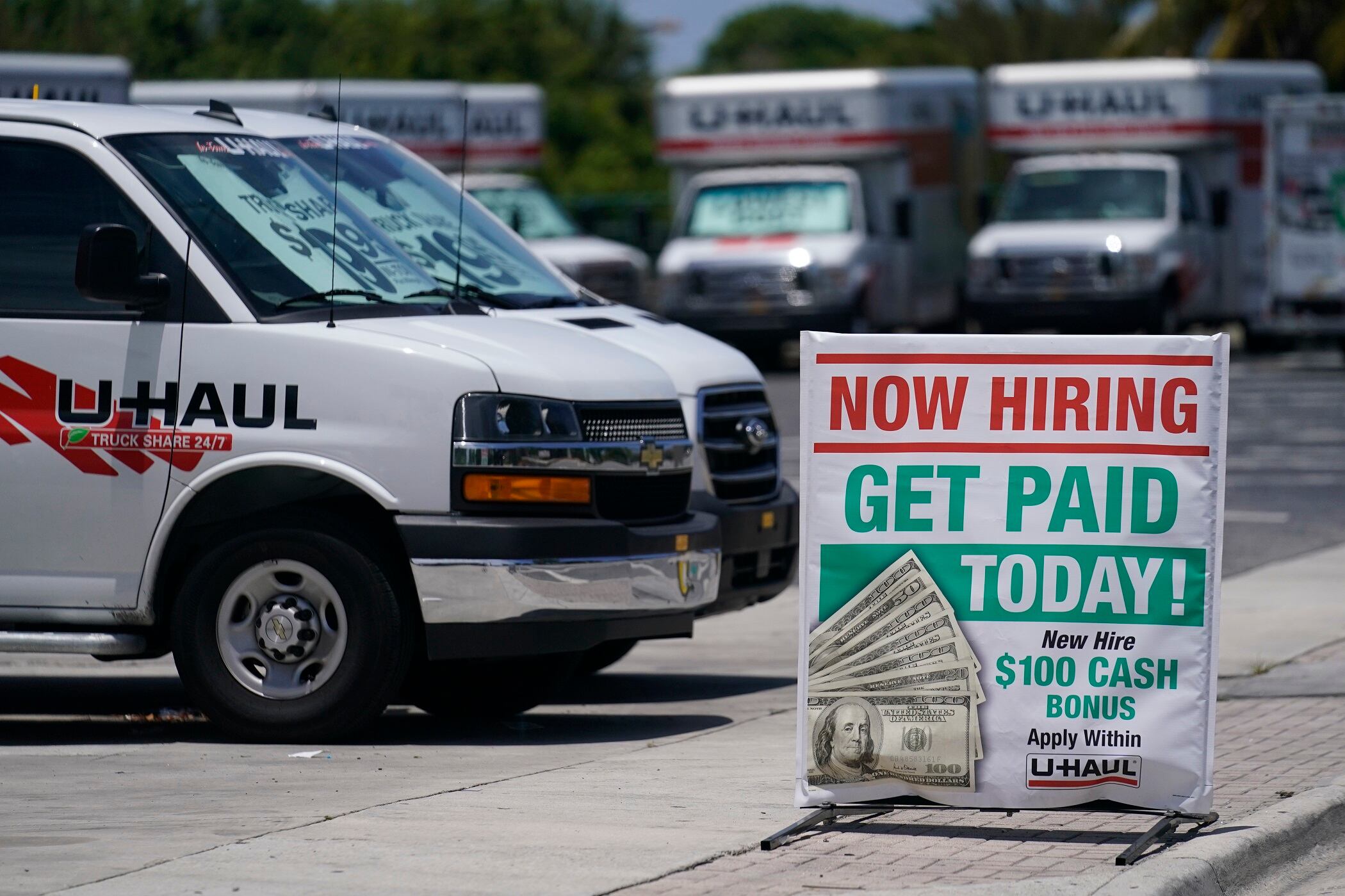
America’s employers extended a streak of robust hiring in March, adding 431,000 jobs in a sign of the economy’s resilience in the face of a still-destructive pandemic and the highest inflation in 40 years.
Progress for the LGBTQ community was made last week when Andi Mudryk, a long-time disability advocate, became the first openly transgender person appointed to the bench in California. Chris Johnson, White House reporter for the Washington Blade, joins Cheddar News to discuss.
President Biden proposed a new billionaire’s tax, that would subject the richest Americans to a minimum tax rate of 20 percent. The White House says billionaires pay an average tax rate of just eight percent, much lower than the national average of 22 percent. Cheddar News speaks with ProPublica’s Paul Kiel who explains how the regulation would work.
The most popular and most valuable cryptocurrency is also the least eco-friendly - data shows that Bitcoin mining generates the same amount of carbon emissions as the entire country of Thailand. According to nonprofit Fair Planet, 96 million tons of carbon dioxide emissions come from Bitcoin mining every year. Now, a consortium of climate activist groups is calling on the Bitcoin industry to cut its energy use by making changes to its software code. Michael Brune, former executive director of the Sierra Club, joins Cheddar News' Closing Bell to discuss.
Imani Gandy, senior editor for law and policy at Rewire News Group, and co-host of the podcast Boom! Lawyered, joins Cheddar Politics to discuss Ketanji Brown Jackson's upcoming confirmation hearings, and the politics surrounding several Republican attack lines against her in the lead-up.
Susannah Wellford, founder and CEO of Running Start, joins Cheddar News to discuss getting more women involved in politics. Running Start helps provide women and girls the tools they need to get involved in politics, and to see a future where they can become political leaders.
Congressional candidate Melanie D'Arrigo came on Cheddar Politics to talk about her campaign for the Democratic nomination in New York's Third Congressional district. The progressive activist ran in the 2020 primary against incumbent Democratic Rep. Tom Suozzi. The seat is open this time, as Suozzi seeks the New York Governorship.
Reecie Colbert, founder of Black Women Views Media, breaks down the roles of race and partisanship in the Senate hearings for Supreme Court Nominee Judge Ketanji Brown Jackson. She also discusses the importance of standing up for Black women in the public sphere.