Washington state lawmakers are considering levying a 1 percent tax on "extraordinary intangible financial assets" of people whose personal wealth exceeds $1 billion. This includes assets such as cash, futures contracts, and publicly traded options — not income.
Washington Democrats have rallied around the measure as one way to help combat growing economic inequality in the state, which has only intensified during the pandemic.
"The conditions were there before the pandemic, but the pandemic has laid bare the true inequity in our tax code here in Washington state," State Rep. Noel Frame told Cheddar.
The representative said that Washington had the distinction of having the most regressive tax code in the country, with lower-income households paying disproportionately more than higher-income households. The state does not impose a personal income tax.
"I think it's egregious and out of step with our values as a state," she said.
Using confidential data from the IRS, U.S. Federal Reserve, and proprietary information from Forbes, the state estimated that the law would impact 100 taxpayers in Washington.
Among them are world-famous mega billionaires such as Jeff Bezos, Bill Gates, MacKenzie Scott, and Steve Ballmer, who would contribute the lion's share of the tax contributions.
Based on the latest data from Forbes, the Tax Foundation found that about 97 percent would come from those four individuals, though roughly a dozen people would be liable for the tax.
"I have to tell you that number is jaw-dropping to me," Frame said. "I think we know a few of those billionaires in our state, but it turns out there are many, many more."
If passed, the levy would be imposed starting January 1, 2022, for taxes due the following year.
Frame said another goal of the bill is to help fund existing tax credits for lower-income households, including a credit against the sales tax, which she said the state is overly reliant on. She added that about 47 percent of Washington's revenue in 2020 came from the sales tax, which is generally considered more regressive than other taxes.
"When you think about somebody who has a total household income of $24,000 or less, you can imagine how quickly the sales tax on those everyday purchases will add up as a share of your household income," she said.
State lawmakers are set to let the bill "simmer" over the next few weeks, Frame said.
An recently conducted AP-NORC poll found that majorities of the Black and Hispanic populations in the U.S. still find themselves either somewhat worried or extremely worried over the pandemic, while more than half of white Americans responded with either being not too worried or not worried at all. Dr. Chris Pernell, the chief strategic integration and health equity officer at University Hospital, joined Cheddar News to talk about how perceptions of COVID-19 differ between groups of Americans. "We’re still seeing people get infected, and because of the toll of the disproportionate impact, we have concerns among the Black and brown community about whether or not they have an increased risk of exposure because of where they work, because of the use of public transportation, because they live in homes that they may not be able to safely quarantine and or isolate in, and because they have at baseline chronic health conditions that may make coronavirus more severe in those persons," she said.
Judith Enck, a former regional administrator for the EPA and the president of Beyond Plastics, joined Cheddar News to talk about the role of plastics in the climate crisis and California's investigation of ExxonMobil and other oil companies for misleading the public on the ability to recycle plastics. "The reason why petrochemical companies like Exxon have gotten away with selling more and more plastic is that they've lied to the public and told us don't worry about all those negative upstream impacts and downstream impacts of plastics. Just be sure to recycle it. Well, guess what? Plastics largely are not recycled," Enck said.
The ongoing war in Ukraine and the Fed's hawkish stance toward reining in inflation might be causing a frenzy among investors. Craig Erlam, a senior market analyst at foreign exchange OANDA, joined Cheddar News to talk about the current "mixed bag" markets. "It's hard to read too much into it. These are just the market conditions we have right now," he said. "Ultimately we're a little directionless at times overall, but these intraday moves are causing a lot of volatility this week."
Catching you up on what you need to know on April 29, 2022, with President Biden asking Congress for a $33 billion aid package for Ukraine, a shrinking GDP potentially leading to a recession, Beijing banning weddings and funerals while closings schools amid COVID, and more.
Buying a new home is tough right now; but for first-time buyers, it's an especially challenging time, with obstacles like rising mortgage rates and record-breaking home prices. The housing market is not expected to get much friendlier, as mortgage rates are expected to continue to climb as the Federal Reserve proceeds with its plans for rate hikes in an effort to stifle inflation. Jonathan Miller, President and CEO of real estate appraiser Miller Samuel, joins Cheddar News' Closing Bell to discuss.
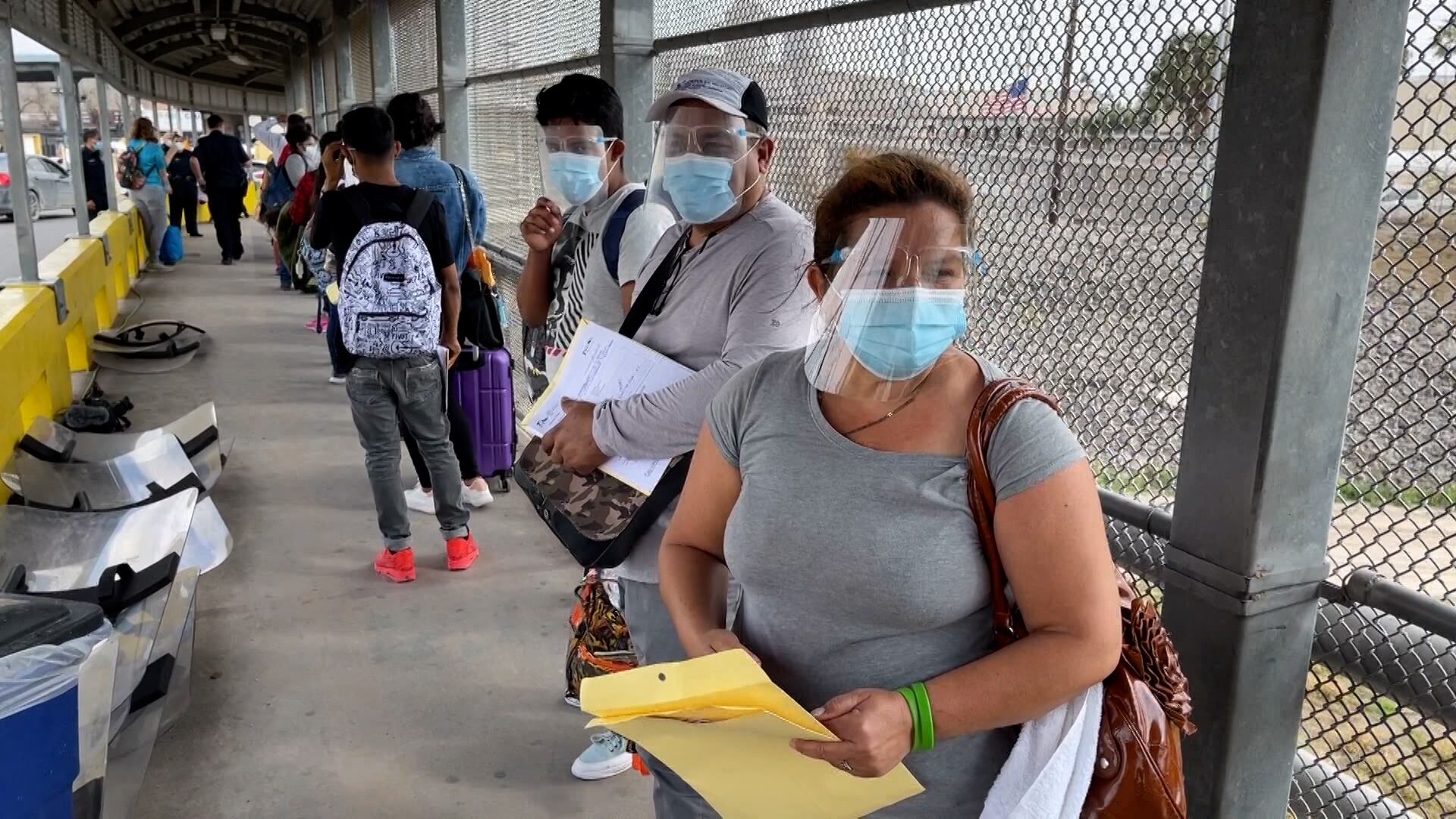
Tyler Moran, former senior adviser to President Biden on migration, joins Cheddar Politics to discuss the recent controversy around the administration's decision to end the use of Title 42, a public health order allowing the U.S. to expel migrants without going through the asylum process.
Christian Heyne, vice president of policy at the gun safety group Brady, joins Cheddar Politics to discuss President Biden's executive action on so-called "ghost guns," and to reflect on the Brooklyn subway shooting.
Jasmine Burney-Clark, founder of Equal Ground Education Fund and Action Fund, joins Cheddar Politics to discuss the redistricting process in Florida, and how the state's Republican Gov. Ron DeSantis proposed a map reducing the power of Black Floridians.
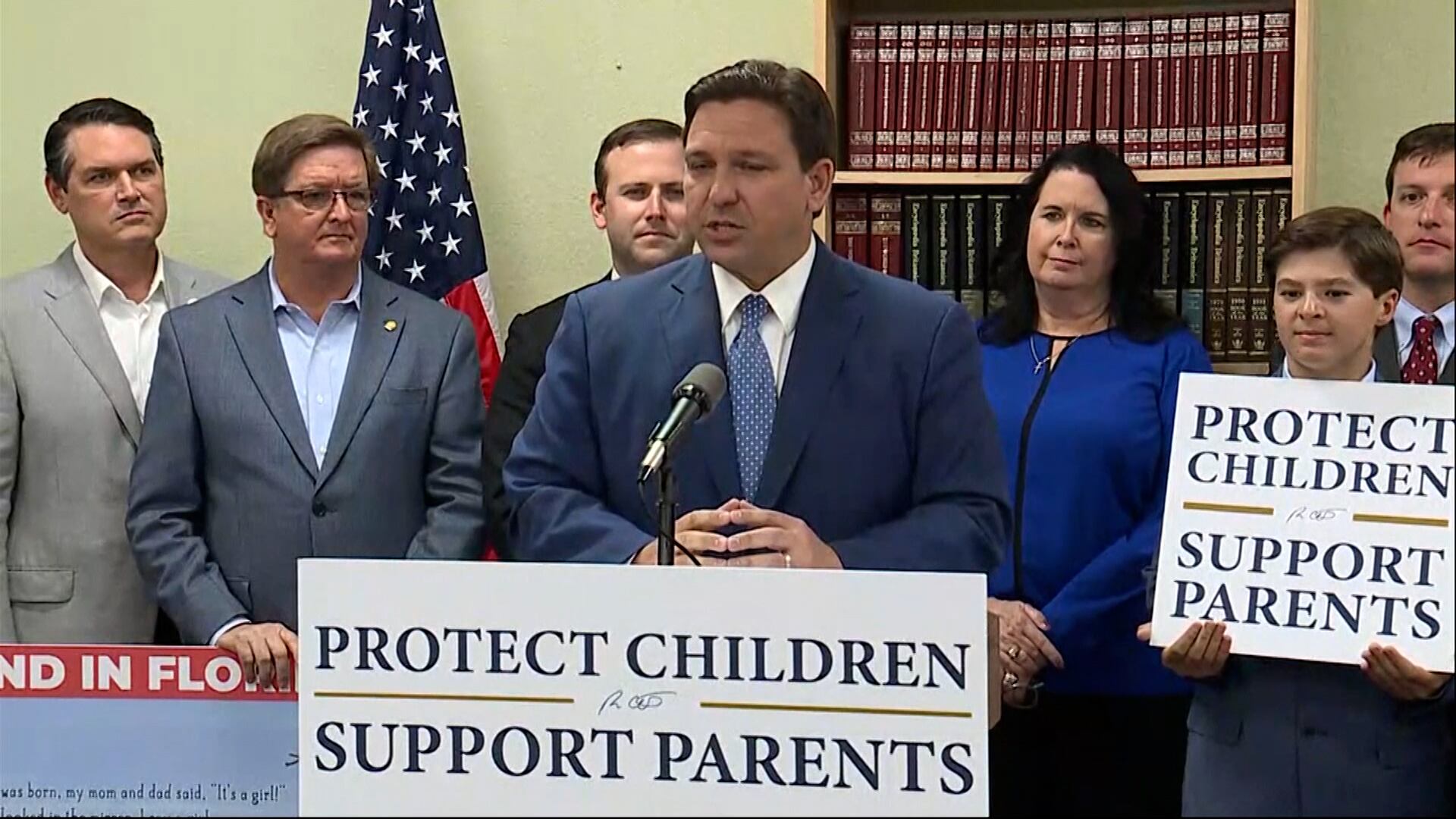
Ryan Thoreson, an LGBT rights researcher at Human Rights Watch, joins Cheddar Politics to discuss claims of grooming made by Republican politicians during efforts to pass so-called 'Don't Say Gay' bills.