Washington state lawmakers are considering levying a 1 percent tax on "extraordinary intangible financial assets" of people whose personal wealth exceeds $1 billion. This includes assets such as cash, futures contracts, and publicly traded options — not income.
Washington Democrats have rallied around the measure as one way to help combat growing economic inequality in the state, which has only intensified during the pandemic.
"The conditions were there before the pandemic, but the pandemic has laid bare the true inequity in our tax code here in Washington state," State Rep. Noel Frame told Cheddar.
The representative said that Washington had the distinction of having the most regressive tax code in the country, with lower-income households paying disproportionately more than higher-income households. The state does not impose a personal income tax.
"I think it's egregious and out of step with our values as a state," she said.
Using confidential data from the IRS, U.S. Federal Reserve, and proprietary information from Forbes, the state estimated that the law would impact 100 taxpayers in Washington.
Among them are world-famous mega billionaires such as Jeff Bezos, Bill Gates, MacKenzie Scott, and Steve Ballmer, who would contribute the lion's share of the tax contributions.
Based on the latest data from Forbes, the Tax Foundation found that about 97 percent would come from those four individuals, though roughly a dozen people would be liable for the tax.
"I have to tell you that number is jaw-dropping to me," Frame said. "I think we know a few of those billionaires in our state, but it turns out there are many, many more."
If passed, the levy would be imposed starting January 1, 2022, for taxes due the following year.
Frame said another goal of the bill is to help fund existing tax credits for lower-income households, including a credit against the sales tax, which she said the state is overly reliant on. She added that about 47 percent of Washington's revenue in 2020 came from the sales tax, which is generally considered more regressive than other taxes.
"When you think about somebody who has a total household income of $24,000 or less, you can imagine how quickly the sales tax on those everyday purchases will add up as a share of your household income," she said.
State lawmakers are set to let the bill "simmer" over the next few weeks, Frame said.
Carlo and Baker discuss the sweeping new vaccine mandate in NYC that will target all private businesses. Plus, Trump's media venture gets its CEO and more.
Rebecca Walser, President of Walser Wealth Management, joins Cheddar News' Closing Bell, where she discusses the factors behind Monday's surge on Wall Street and explains why investors will likely experience volatility in the market throughout the month of December.
Cheddar's Chloe Aiello joined "Closing Bell" to break down the progress of the SAFE Banking Act in Congress as cannabis businesses operators struggle to find financial institutions that will service them. Banks face steep federal penalties, including the risk of losing a bank charter, if found to be servicing marijuana businesses even if their state has legalized operations. Aiello reported that while there was some bipartisan support for the measure in the Senate, the bill faces some opposition from conservatives with "longstanding concerns" about cannabis and progressives who prefer a more comprehensive approach to reform.
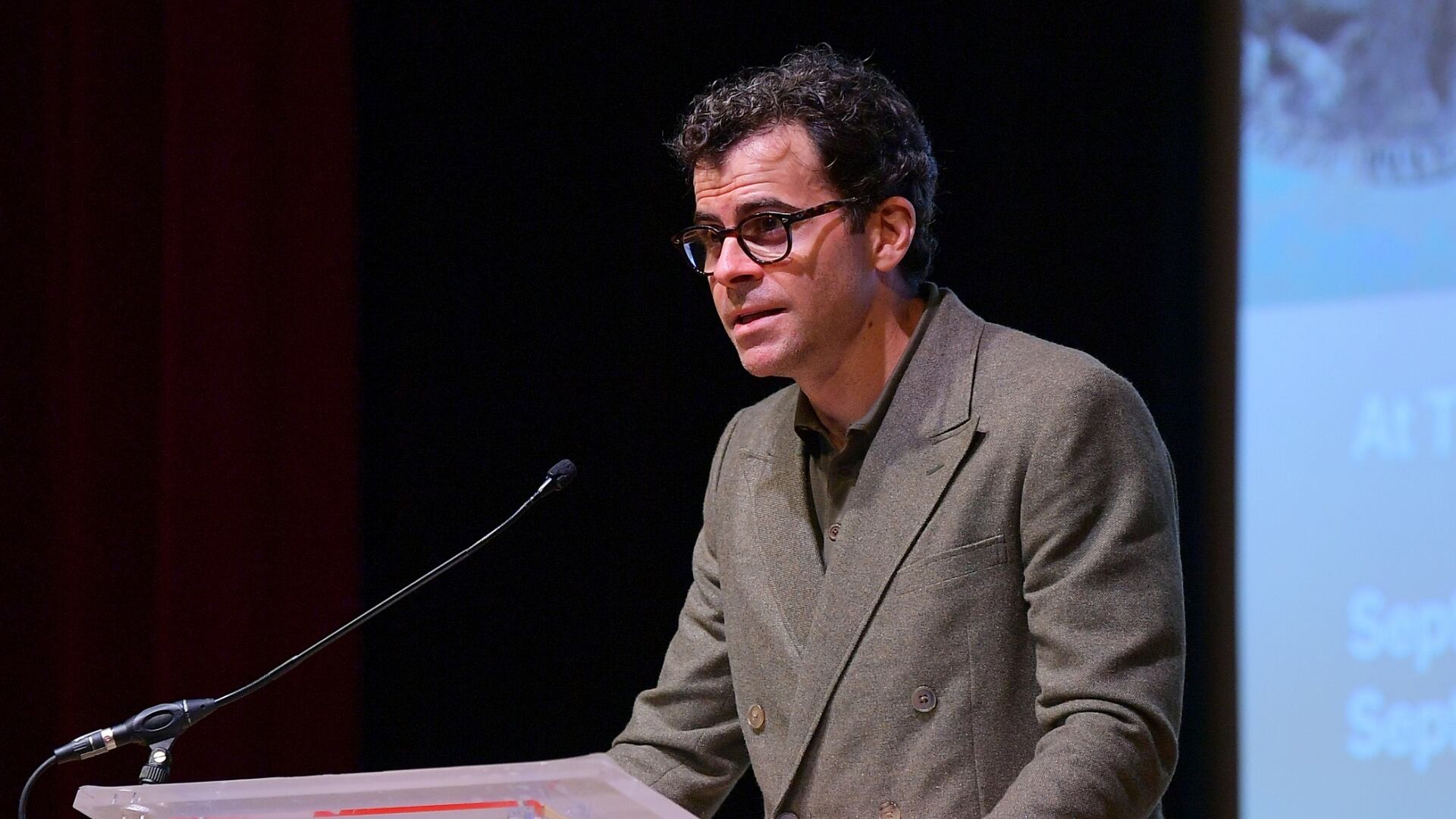
Head of Instagram Adam Mosseri is slated to testify this week in front of the Senate Commerce Subcommittee after a Wall Street Journal report that found the Meta-owned social media platform is negatively impacting the mental wellness of teen girls.
Chinese regulators are reportedly behind China-based ride-hailing company DiDi exiting from the New York Stock Exchange, just days after listing earlier this year. The regulators stated prior that DiDi had not received the necessary clearances to list in the states. Gordon Chang, Asian affairs expert, joined Cheddar to break down what the delisting says about the relationship between nations. "This really strikes me as an attempt to really to force a decoupling of China and the U.S. in the financial markets," Chang said.
U.S. Futures were pointing to a higher open to round out the week despite a miss on the November Jobs Report, which showed slower job growth than expected-- and as the omicron variant continues to spread across the country. Patrick Healey, Founder & President at Caliber Financial Partners joined Cheddar's Opening Bell to discuss.
Just days after the detection of the Omicron variant, the World Health Organization has agreed to start the process of establishing a global pandemic treaty or accord. Amy Maxmen, senior reporter for Nature, and Dr. Samuel Scarpino, managing director for the Rockefeller Foundation's Pandemic Prevention Institute, joined Cheddar to discuss this effort and what lessons can be learned from the many COVID-19 failures as the world prepares for future pandemics.